Hydro Flask Coffee Mug Not Working? Fix It Fast
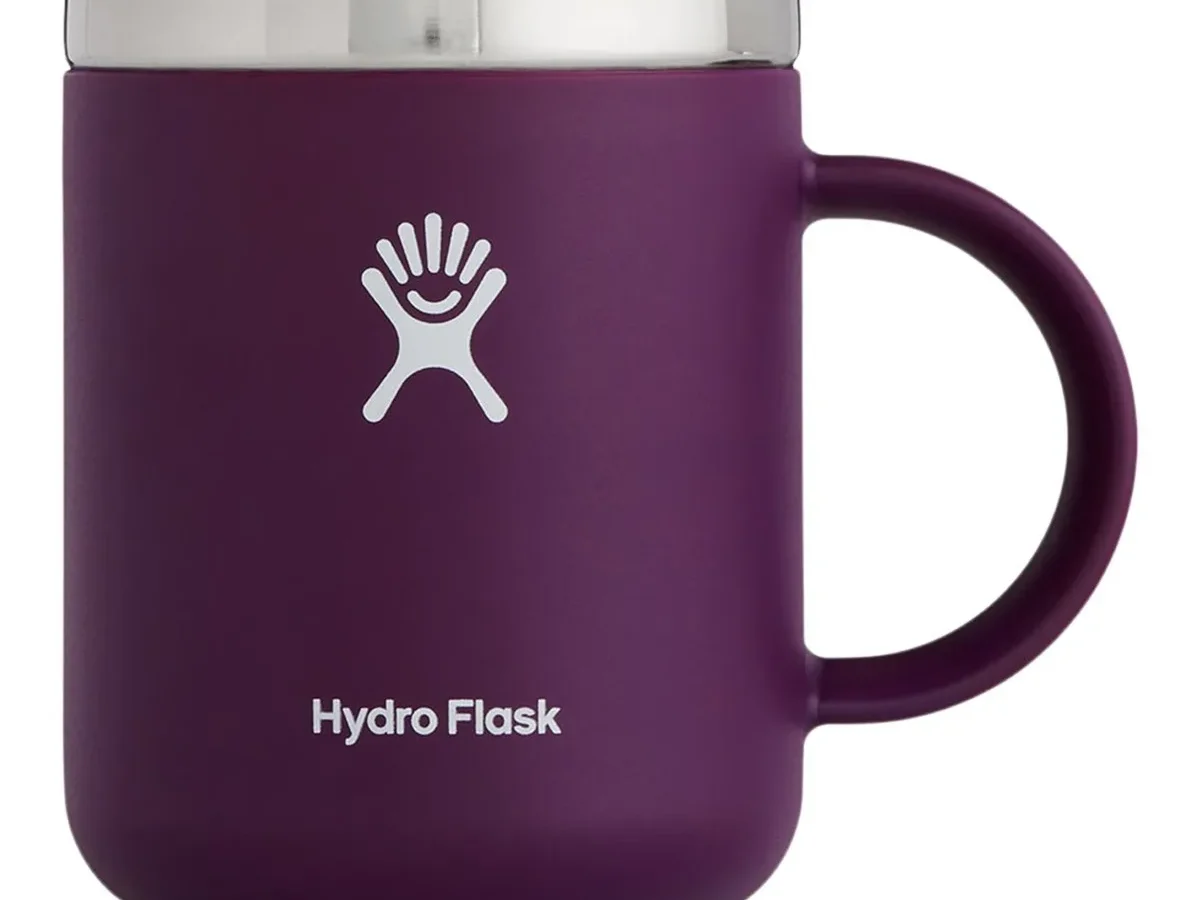
Your coffee mug isn't doing its one job. You fill it with hot coffee, and an hour later it's lukewarm. Or it leaks all over your bag.
Or the lid won't slide open. Whatever the symptom, a hydro flask coffee mug not working is frustrating, especially when you paid for a name known for insulation.
The good news? Most common issues are fixable at home in a few minutes. As of 2026, Hydro Flask's own specs still claim hot coffee stays hot for up to 6 hours and cold for 12.
If you're not getting anywhere near that, something is off. Let's walk through what's wrong and how to fix it, step by step.
Quick Answer
Your Hydro Flask coffee mug stops working for one of four reasons. A broken vacuum seal lets heat escape fast. A dirty or worn lid gasket causes leaks.
A stuck slide needs cleaning. Preheating was skipped, which drops coffee temperature immediately. Diagnose by testing the vacuum with boiling water, then check the lid and gasket.
Most fixes take under five minutes.
Start Here: What Exactly Is Wrong With Your Hydro Flask Coffee Mug?
Before you fix anything, name the problem. A "broken" mug falls into one of four categories. Each has a completely different fix.
| Symptom | Most Likely Cause | Fix Difficulty |
|---|---|---|
| Coffee goes lukewarm in 1-2 hours | Broken vacuum seal or lid not sealing | Test and maybe warranty |
| Leaks from the lid or rim | Worn or misaligned gasket | Easy, 2 minutes |
| Lid sticks or won't slide | Debris or dried coffee in the trac | Easy, cleean it |
| Coffee tastes like metal or plastic | Residue buildup or damaged lner | Cleaning or warranty |
Ask yourself one question: what exactly is happening? If your coffee cools fast, jump to the vacuum test below. If liquid escapes, skip ahead to the lid section.
If you're not sure, do the vacuum test first. It costs nothing and confirms whether the mug's core is intact.
The Vacuum Seal – How to Test for a Broken Insulation (Without Special Tools)
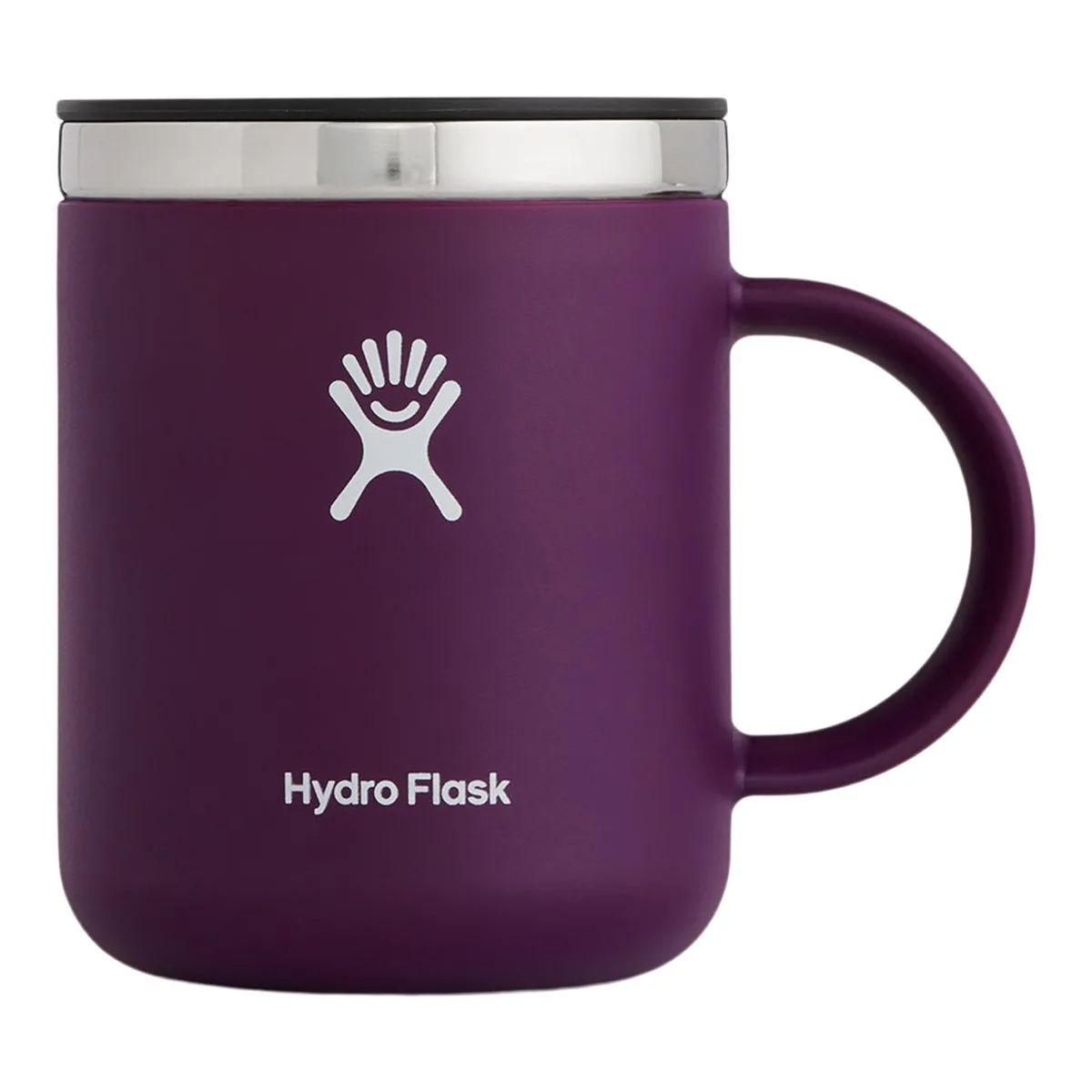
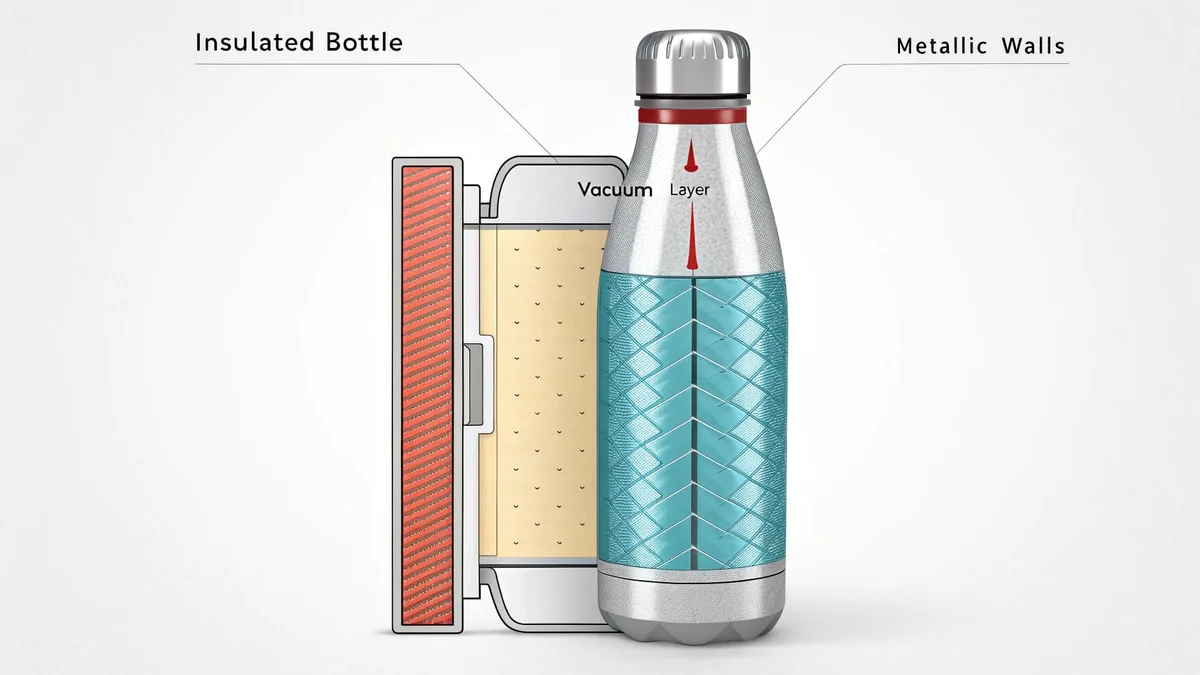
The whole point of a Hydro Flask is the double-wall vacuum. There's a space between the inner and outer steel walls with air removed from it. That vacuum stops heat from escaping through the metal.
If the vacuum is lost, heat transfers straight through the walls. Your cofee cools almost as fast as it would in a glass.
A lost vacuum usually comes from a hard impact. A drop onto concrete, a knock against a counter edge, or crushing in a bag can break the inner seal. It's not always visible from the outside.
Here's how to test it in under 10 minutes:
- Fill the mug with boiling water. Fill it to the brim.
- Wait 10 minutes. Let the heat work its way outward.
- Touch the outside of the mug. If it feels hot or even warm, the vacuum is compromised. A working Hydro Flask stays completely cool on the outside, even with boiling water inside.
You can also try the fill-and-flip test. Fill it with cold water, close it, and turn it upside down over a sink. If water drips from the base or the seam, there's a structural crack.
That is not a lid leak. That's a broken body.
Per standards testing on insulated stainless steel containers from ASTM International, the outer wall should remain near room temperature when the inner vessel holds hot liquid. If yours does not, you have found the culprit.
If the vacuum is broken, there is no DIY fix. Sealing a vacuum chamber is not something you can do at home. Your option is a warranty claim or a replacement.
Hydro Flask covers manufacturing defects, but drops and dents are typically classified as accidental damage. We recommend checking their policy on the official site before filing.
The Lid – Leaks, Sticking, and That Musty Shmell (Diagnosis and Fixes)
Lid problems are the most common reason a Hydro Flask Coffee Mug gets labelled not working. The good news is these are almost always fixable in minutes, without tools or a warranty claim.
Why does my Hydro Flask lid leak
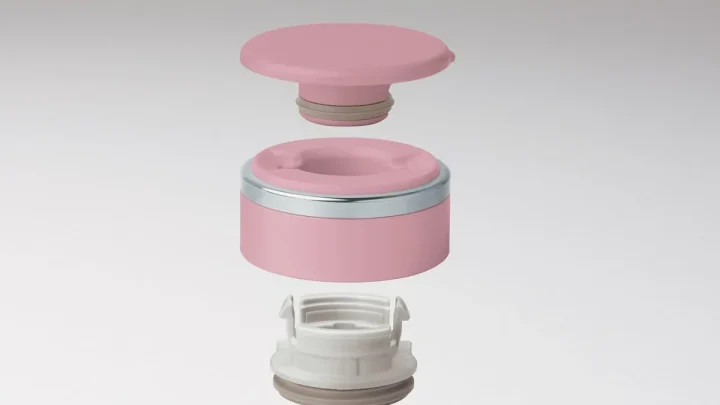
The lid seals with a small silicone gasket. That ring sits around the inside rim of the lid, pressing against the mug's rim when you close it. If that gasket is dirty, stretched out, misaligned, or has a tiny tear, you get leaks.
The fix: Remove the gasket completely. Wash it in warm soapy water. Dry it fully.
Then re-seat it carefully, making sure it sits flat in its groove with no wrinkles or gaps. A twisted gasket is the number-one cause of leaking lids.
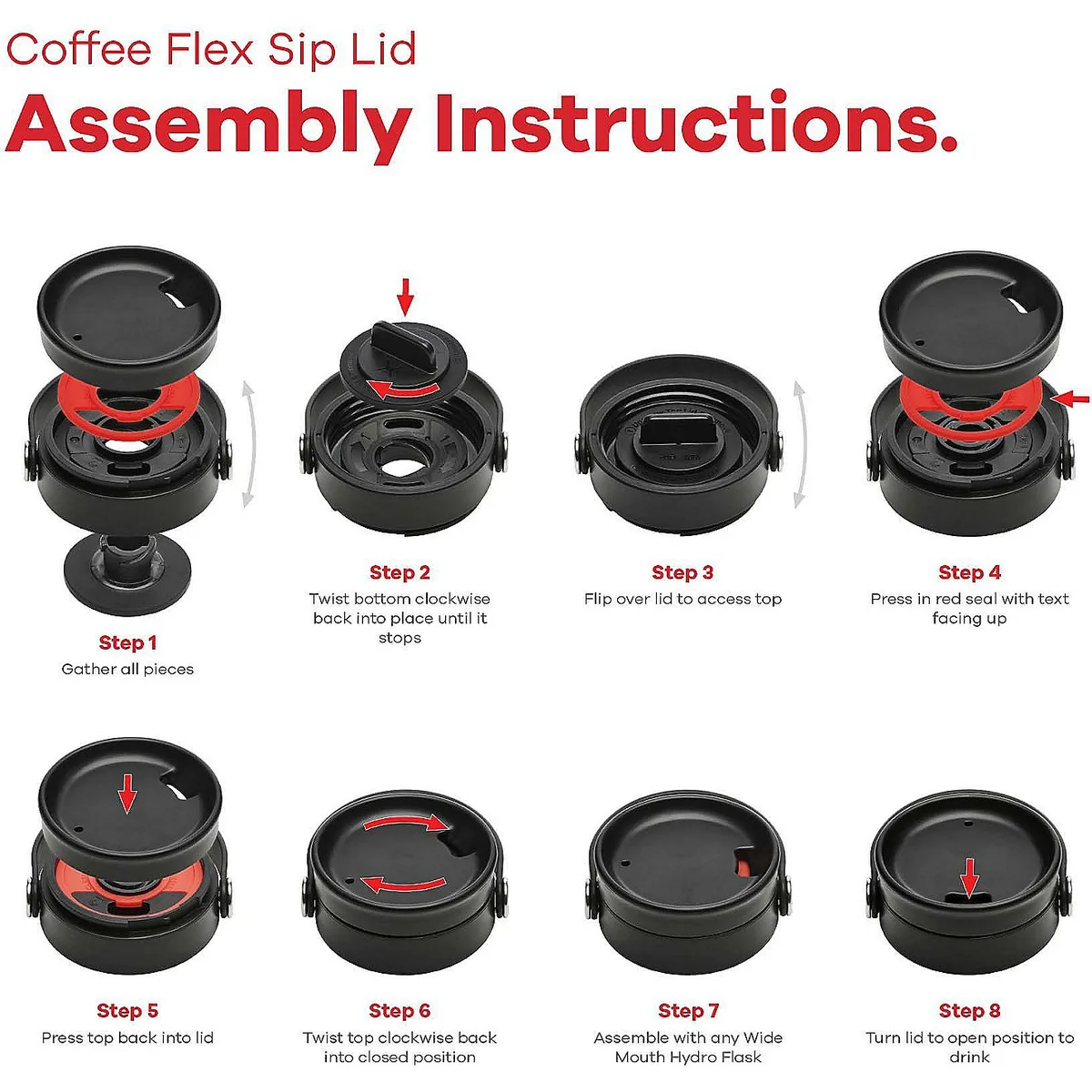
Why is the sliding piece stuck
Your lid has a sliding mechanism that opens and closes the drinking hole. Over time, dried coffee sugar and oils gum up the track. If the slide feels sticky or won't move, that is not mechanical failure.
That is buildup.
The fix: Soak the entire lid in warm water with a drop of dish soap for 10 minutes. Use a cotton swab or an old toothbrush to scrub the track. Rinse fully and let it dry.
In most cases it slides perfectly again.
Why does the lid smell musty even after washing
Mold and bacteria hide in the gasket groove and the slide mechanism. A quick rinse will not reach those crevices. The musty smell is a classic sign that something is living in there.
The fix: Pop out the gasket. Soak the lid in a solution of one part white vinegar to three parts water for 30 minutes. Scrub every crevice.
Air-dry completely before reassembling. That kills the odor at the source.
One more thing. If the lid itself is cracked or warped, no amount of cleaning will help. Replacement lids are available directly from Hydro Flask and they are not expensive.
That is often the smarter fix than fighting a damaged lid.
The Preheating Test – Could This Be Why Your Coffee Cools Fast
Here is a mistake that confuses a lot of people. You pour hot coffee into a cold mug, close it, and the coffee loses heat quickly. The mug feels fine on the outside.
The lid seals perfectly. So what is wrong?
Nothing. You skipped preheating.
A vacuum mug does not heat up its own walls, but it also cannot instantly deflect heat from the first pour. If the inner stainless steel starts at room temperature, it absorbs heat from your coffee until it reaches equilibrium. That initial drop can be surprisingly significant.
The fix is simple: preheat your mug before you add coffee.
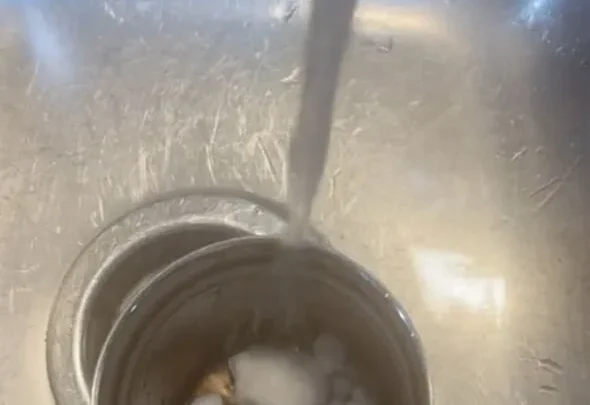
- Fill the mug with hot water from your tap or kettle.
- Close the lid and wait 1 to 2 minutes.
- Empty the water, then pour in your coffee.
This is not a myth. It is basic thermodynamics. The warm inner wall no longer steals heat from your drink.
You will notice the difference immediately.
| Scenario | Coffee Temp After 2 Hours | Verdict |
|---|---|---|
| Cold mug, no preheat | Lukewarm | Expect this |
| Preheated mug | Still hot | Proper use |
| Preheated mug and working vacuum | Hot for 4-6 hours | Working correctly |
If you preheat and your coffee still goes lukewarm within an hour, that is a strong signal the vacuum itself is broken. Go back to the vacuum test above.
Preheating also helps with cold drinks if you want them colder longer. Same principle, just reversed. And if this is your daily routine for hot drinks, this habit alone will save you a lot of disappointment.
When to File a Warranty Claim vs Just Buy a Replacement Lid or Gasket
Now that you know what is wrong, you need to decide: fix it, claim it, or replace it. This is where a lot of people waste time and money, so we keep it simple.
| Situation | Best Move | Why |
|---|---|---|
| Vacuum loss from a drop | No warranty claim approved | Accidental damage is not covered |
| Vacuum loss with no visible cause | File a claim | Likely a manufacturing defect |
| Worn or twisted gasket | Buy a replacement gasket | Cheap and takes 2 minutes |
| Cracked or warped lid | Buy a replacement lid | New lid costs less than a new mug |
| Musty, stained, worn-out mug | Replace the mug | A 5-year-old mug has done its job |
Hydro Flask's warranty covers defects in materials and workmanship. That means a mug that fails to insulate on its own, without being dropped, is usually a covered claim. Dents, scratches, cracks from impact, and general wear are not.
It is harsh, but it is standard. Be honest when you file. If you dropped it, do not claim it as defective.
For the gasket specifically, check whether yours is just dirty versus genuinely stretched. Silicone can loosen over time, especially if you have run the lid through a dishwasher repeatedly. If washing and re-seating does not solve a leak, buy a new gasket.
It is a few dollars and takes seconds to swap.
And if you decide the mug simply is not working anymore and you are replacing it, keep this in mind: the new one will not solve this problem if you repeat old habits. Preheat it. Hand-wash the lid.
Do not drop it on concrete. The mug is a tool that works when you use it right.
For transparency, our site follows an affiliate disclaimer if you shop for replacement parts through any links we share.
Three Mistakes That Ruin Your Hydro Flask Mug (And How to Avoid Them)
Even a well-made mug can fail early if you make these common errors. Avoid them and your Hydro Flask will last years.
Mistake 1: Running the lid through the dishwasher every day
Hydro Flask says the stainless steel body is dishwasher safe. The lid is not. High heat and harsh detergent break down the silicone gasket over time.
It gets loose, stretched, and prone to leaking. The lid's slide mechanism also collects grit from other dishes.
Fix: Hand wash the lid with warm soapy water and a soft brush. Pop the gasket out and clean its groove every two weeks. It takes 60 seconds and saves you from buying a new lid every year.
Mistake 2: Dropping the mug onto a hard surface
A single drop onto concrete, tile, or a metal car door frame can crack the vacuum seal. The dent may be tiny, even invisible. But the insulation stops working.
You won't know until your coffee goes cold.
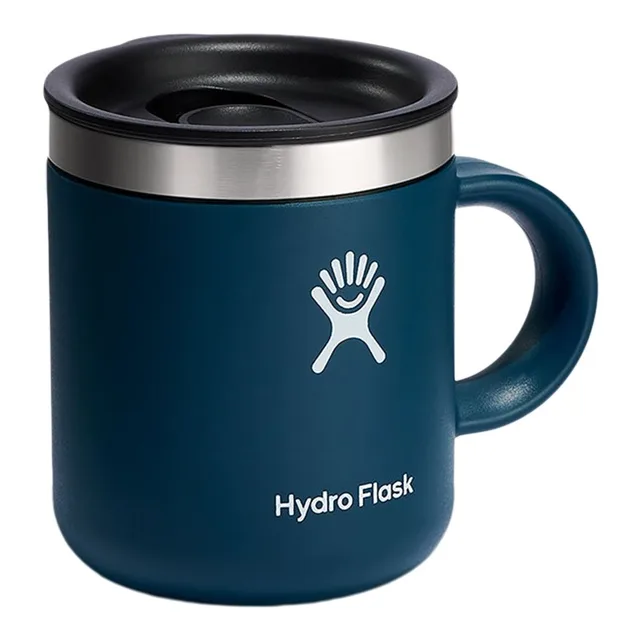
Fix: Use a silicone boot or sleeve designed for Hydro Flask mugs. It absorbs impacts. If you do drop it, test the vacuum as shown above.
Do not assume it is fine just because it looks fine.
Mistake 3: Leaving coffee or milk in the mug for hours after drinking
Coffee residue dries into a sticky film that traps bacteria and causes that musty smell. Milk spoils quickly inside a vacuum mug because the insulated walls keep it warm longer than you think. A sour milk smell inside stainless steel is almost impossible to fully remove.
Fix: Rinse the mug immediately after finishing your drink. If you are out all day, at least dump the dregs and give it a hot water swish. Wash it properly within a few hours.
Your future self will thank you.
| Mistake | Result | Prevention |
|---|---|---|
| Dishwasher lid | Loose gasket, leaks | Hand wash only |
| Hard drops | Lost vacuum, no insulation | Use a boot sleeve |
| Leaving residue | Musty smell, stains | Rinse immediately |
FAQs: Quick Answers to the Most-Asked Questions
Why does my Hydro Flask coffee mug sweat on the outside
A working Hydro Flask should never sweat. If you see condensation or feel moisture on the exterior, the vacuum seal is broken. Heat or cold is transferring through the walls.
Use the hot water test to confirm. You likely need a replacement.
Can I fix a dented Hydro Flask mug
No. Dents crush the vacuum gap between the walls. Once that airless space is compromised, insulation is gone permanently.
You cannot repair it. File a warranty claim only if the dent occurred without impact (rare). Otherwise, plan to replace the mug.
How do I get the coffee taste out of my Hydro Flask
Coffee oils cling to stainless steel. Fill the mug with hot water and two tablespoons of baking soda. Let it sit for 15 minutes.
Scrub with a soft sponge. Rinse thoroughly. If the taste remains, try white vinegar instead.
Avoid bleach or harsh abrasives.
Will a new lid fix my leaking mug
Yes, if the leak is coming from the lid and your gasket is clean and properly seated. If the mug itself is cracked at the rim or base, a new lid will not help. Test where the liquid escapes.
A rim leak after a drop often means a bent mug body.
How long should my Hydro Flask keep coffee hot
Manufacturer specs say up to 6 hours for hot liquids. Real-world use with preheating and a sealed lid usually gives 4 to 5 hours of truly hot coffee. After that it drops to warm.
If you are getting less than 2 hours, either the vacuum is broken or you skipped preheating.
For more tips on getting the most out of your daily brew, check out our guide to top-rated brewers and a reliable machine for your kitchen. And if you are curious about the full lineup of drinks available at local coffee spots, our menu with prices pages cover everything from Nomad Library to Mian And Bao offerings.

Similar Posts