How to Clean a Moka Pot Like a Barista
Quick Answer
To clean a moka pot, disassemble it and rinse every part with hot water. For aluminum, skip the soap. Use a soft brush on the filter plate.
For stainless steel, mild dish soap works. Dry everything completely before reassembling.
Why Your Moka Pot Tastes Off: The Real Problem
That "off" flavor isn't the coffee's fault. It's the invisible layer of rancid coffee oil clinging to the inside of your pot. Every brew leaves behind a thin film of volatile compounds.
When those oils oxidize, they turn bitter and stale.
The next batch pulls that rancid residue straight into your cup. You're not tasting fresh espresso. You're tasting last week's brew, reheated and spoiled.
There's also limescale from hard water. The mineral buildup collects on the boiler walls and the filter plate. It restricts water flow, slows extraction, and makes your coffee taste flat or chalky.
Here's the easy way to tell them apart:
- Dull, greasy film on the inside, that's oxidized coffee oil.
- White or gray crust near the water line, that's limescale.
If your brew time has crept from 30 seconds to nearly a minute, the filter plate is probably clogged. If the coffee tastes sharp or tinny, the aluminum might be suffering from over-cleaning, not under-cleaning.
The good news? Both problems are fixable with the right technique. The bad news?
Using the wrong technique makes both worse. That's why the first decision point isn't about cleaning products at all. It's about your pot's material.
Condition Check #1: Aluminum or Stainless Steel?
Your moka pot's material determines what you can safely use. Aluminum is lightweight and heats fast, but it's reactive. Dish soap strips the protective oxide layer that forms naturally.
Acidic cleaners like vinegar, when used too often, can eat into the metal.
Stainless steel is tougher. It resists corrosion, tolerates mild dish soap, and handles citric acid descaling without damage. But it's also more likely to develop hard-water scale because the surface doesn't build up that protective patina.
| Material | Dish soap okay? | Vinegar soak okay? | Citric acid okay? | Best daily clean |
|---|---|---|---|---|
| Aluminum | No | Rarely, short soak | No | Hot water rinse |
| Stainless steel | Yes, mild | Yes, diluted | Yes | Mild soap + water |
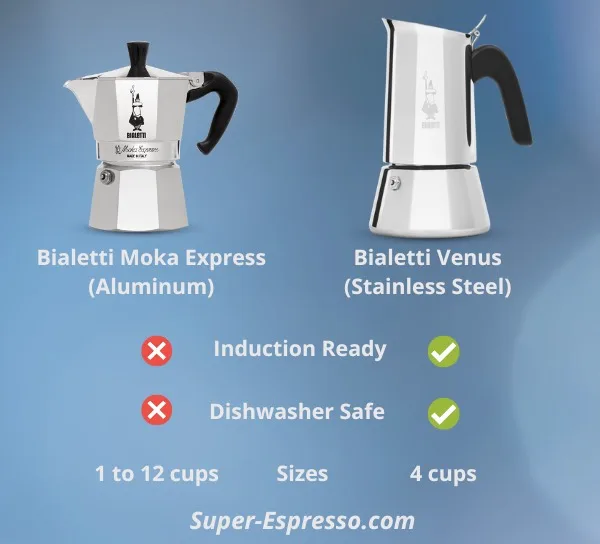
Check the bottom of the boiler chamber. If it's shiny and silver, it's stainless. If it has a satin, slightly matte finish, it's aluminum.
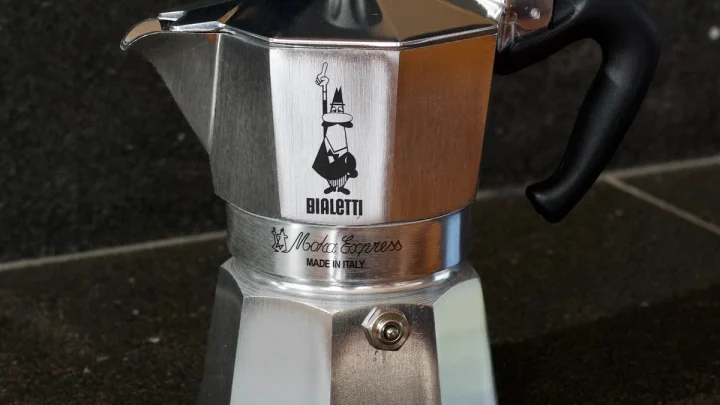
Most classic Moka Express pots are aluminum. Look for the hex nut under the collector: stainless steel versions often have a polished hex.
If you're still unsure, test with a magnet. Stainless steel is magnetic. Aluminum is not.
Once you know the material, the next question is about how much gunk has built up. Because a pot used daily for three months needs a different approach than one cleaned yesterday.
Condition Check #2: How Dirty Is It Actually?
Cleaning a moka pot isn't one routine. It's three, depending on how neglected things have gotten.
Level 1: Light film (after a day or two of use). You probably just need a hot water rinse. Disassemble the pot, run warm tap water through the boiler, filter plate, and top chamber. Keep soap away from aluminum.
Let everything air dry.
Level 2: Greasy residue (after a week without a proper wash). The film will feel slick and look slightly brown. You need to disassemble fully and scrub the filter plate and gasket with a soft nylon brush. For aluminum, plain water plus gentle scrubbing usually works.
For stainless, a drop of mild dish soap is fine.
Level 3: Heavy scale (after months of hard water). You'll see chalky white deposits and a clogged filter. This needs a descaling soak. Vinegar works for both materials, but keep aluminum's soak short.
Citric acid is better for stainless.
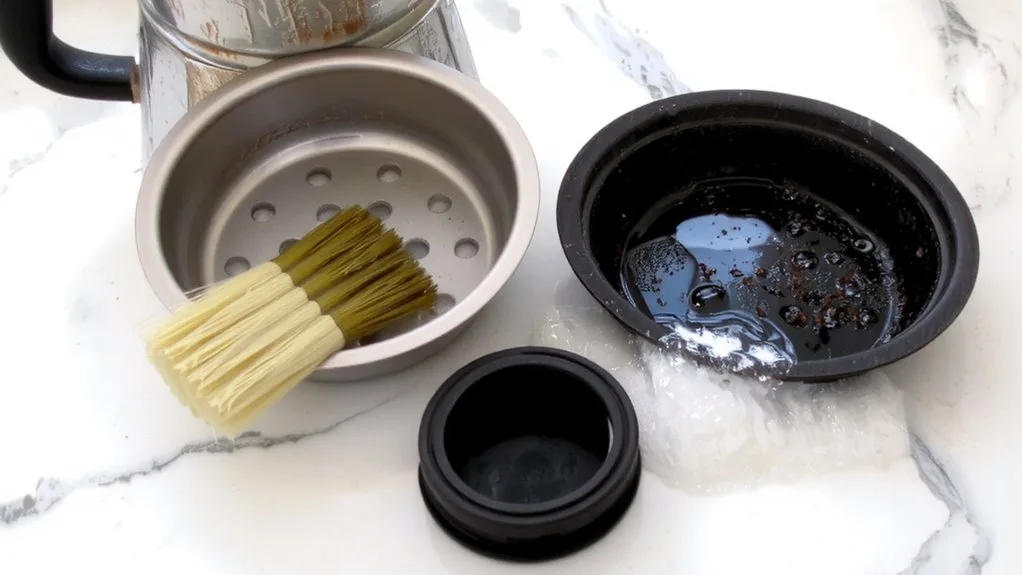
Here's a quick self-test. Rub your finger inside the boiler after it's dry. Does it come away with a brown or gray stain?
That means residue. Does the surface feel rough or crusty? That's limescale.
Use the table below to match your dirty level with the right move:
| Condition | How often you see it | Recommended action |
|---|---|---|
| Light film | Daily | Hot water rinse, no soap |
| Greasy layer | Weekly | Full disassembly + brush |
| Hard white scale | Monthly | Vinegar or citric acid soak |
Now that you know what you're dealing with, the actual workflow becomes a simple list of steps.
The Moka Pot Cleaning Workflow: Step-by-Step Decision Guide
This is the core process that handles every situation. Follow these steps in order, and your pot will brew clean, full-flavored coffee every time.
Step 1: Let it cool completely. Never rinse a hot moka pot with cold water. The thermal shock can warp the boiler or crack the safety valve. Give it about 15 minutes.
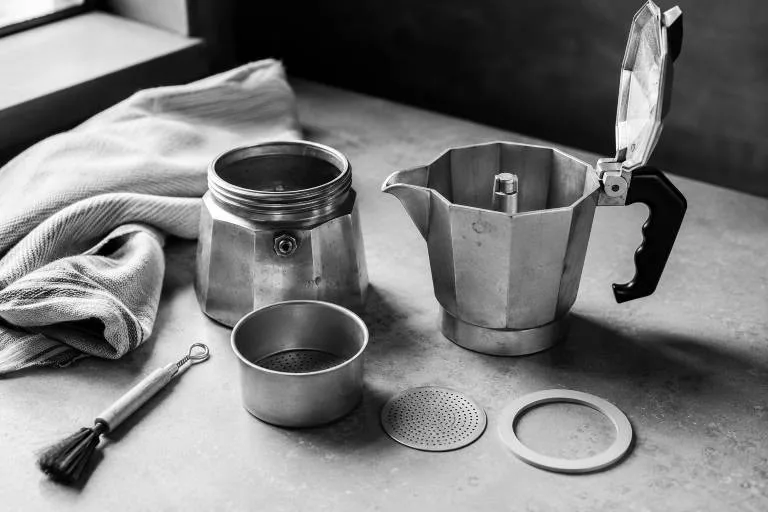
Step 2: Disassemble the whole thing. Unscrew the top chamber from the boiler. Remove the filter basket, the rubber gasket, and the filter plate. Set the parts out individually.
You can't clean what you can't reach.
Step 3: Rinse every part with hot running water. This loosens the soluble coffee solids. For aluminum, this is usually enough for daily care. For stainless, you can add a drop of dish soap to the water.
Step 4: Scrub the filter plate gently. Use a soft toothbrush or nylon brush. Pay attention to the tiny holes. If they're clogged, soak the plate in warm water for a few minutes, then brush again.
Step 5: Descaling when needed. Mix one part white vinegar with two parts water. Fill the boiler up to the safety valve level. Screw on the top empty, and place the pot on low heat.
Let it steam for about 5 minutes, then remove from heat and cool.
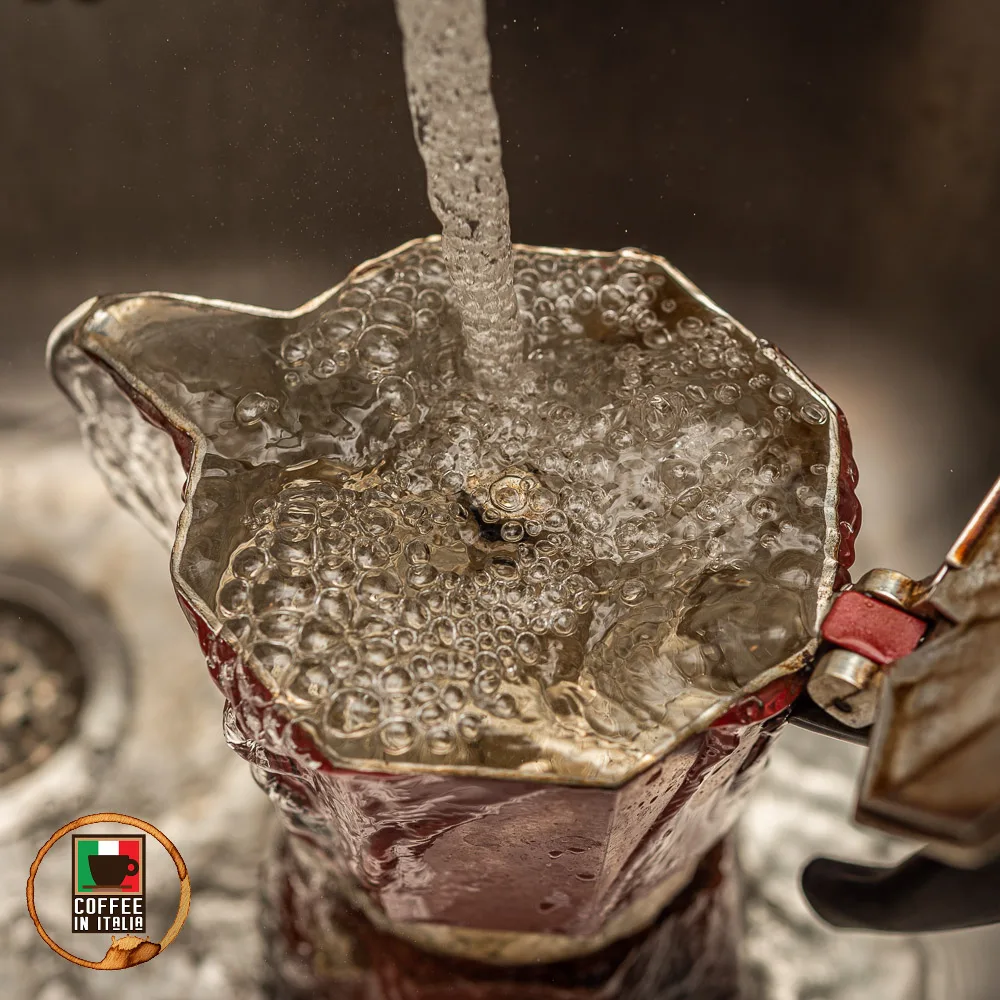
For stainless steel, citric acid works even better. Use one tablespoon of citric acid powder per liter of water. Soak for 15 to 20 minutes without heat.
Check the boiler walls and repeat if scale remains.
Step 6: Dry everything completely. Water left inside causes rust on stainless and oxide buildup on aluminum. Shake off excess water, then let parts air dry on a rack for an hour.
Step 7: Brew a sacrificial pot. After any descaling treatment, fill the boiler with fresh water, add coffee as usual, and brew. Pour that batch down the sink. It clears the cleaning solution from the lines and gasket.
That's it. The whole workflow takes less than five minutes for a daily rinse, and about half an hour for a complete deep clean.
Common Cleaning Mistakes That Ruin Your Brew
Knowing what to do is only half the battle. Avoiding these five mistakes keeps your pot alive for years.
Mistake #1: Dish soap on aluminum. Soap leaves a film that gets absorbed into the porous aluminum oxide layer. Your next cup tastes soapy and flat. Manufacturer guidelines across all major aluminum moka pot brands say rinse with plain water only.
Mistake #2: Boiling vinegar for too long. Vinegar is a weak acid, but heat accelerates its reaction with aluminum. A five-minute steam is okay. A twenty-minute boil strips away the protective oxide and leaves a metallic taste behind.
If you need more time, let the diluted vinegar soak cold.
Mistake #3: Scrubbing with steel wool. Anything abrasive scratches the boiler's interior. Those scratches become traps for coffee oils and limescale. They also give bacteria somewhere to hide.
Stick to nylon or a soft sponge.
Mistake #4: Ignoring the safety valve. Steam pressure clears the valve until it clogs. If you never clean the little valve hole, scale can block it completely. That's a safety risk.
Clean it every descaling session with a wooden toothpick.
Mistake #5: Reassembling while wet. Trapped moisture between the gasket and the boiler creates a poor seal. You get leaks, a mess on your stove, and bitter coffee from steam escaping. Wait until every part is bone dry.
Each mistake is easy to avoid once you know it. And combining the right cleaning routine with regular maintenance means your pot will taste like day one, not like a thrift store find.
Long-Term Maintenance: Gaskets, Hex Nuts, and Hard Water
Your moka pot has a few wearable parts. The rubber or silicone gasket seals the two chambers. Over time it hardens, cracks, or stretches.
A worn gasket causes leaks and weak pressure.
Check the gasket monthly. Squeeze it gently between your fingers. If it feels hard or springs back slowly, replace it.
Most manufacturers, including Bialetti, suggest swapping it every 6 to 12 months. Their official maintenance guidance confirms the same interval.
The hex nut is another check point. It sits on the underside of the collector chamber. If it's loose, the filter plate won't seat properly.
You get grounds in your cup. Tighten it gently with a wrench, but don't overtighten. You could strip the threads.
Hard water changes everything. Municipal supplies above 180 ppm calcium carbonate leave scale fast. If you see white crust after two weeks, descale monthly.
If you see nothing after a month, descale quarterly. Match your routine to your water, not a calendar.
One more habit protects the base. Don't run the pot dry. That scorches the bottom and makes cleaning harder.
Use medium-low heat and stop when you hear a gentle hiss.
Manufacturer guidance shapes this advice. You can review our affiliate disclosure to see how our research process stays independent.
With this care routine, a moka pot lasts decades. Aluminum eventually oxidizes, but proper maintenance keeps it brewing well.
Quick Answers: Moka Pot Cleaning FAQs
Can I wash my moka pot with dish soap?
For stainless steel, a drop of mild dish soap is fine. Avoid soap on aluminum. The soap penetrates the oxide layer and leaves an aftertaste that ruins your coffee.
Rinse thoroughly with hot water if you do use it.
Why does my moka pot taste like metal?
Usually from over-descaling aluminum. Acidic cleaners strip the protective oxide layer. Let the pot sit empty for a day or brew two sacrificial batches with coffee.
The flavor usually disappears after that.
Should I season a new moka pot?
Yes. Brew and discard the first two or three batches. This builds a thin coffee oil layer that seals the aluminum.
It also removes manufacturing residue left over from production.
How do I remove brown burnt stains from the bottom?
Fill the boiler with warm water and a spoonful of baking soda. Let it sit 15 minutes. For stainless, use a non-abrasive sponge.
For aluminum, use a soft cloth only.
Can I put a moka pot in the dishwasher?
Never. Dishwasher detergent is aggressive. It corrodes aluminum and dulls stainless steel.
Hand wash every part separately and air dry completely.

Similar Posts