Best Moka Pot for Home: Top Picks for Rich Espresso
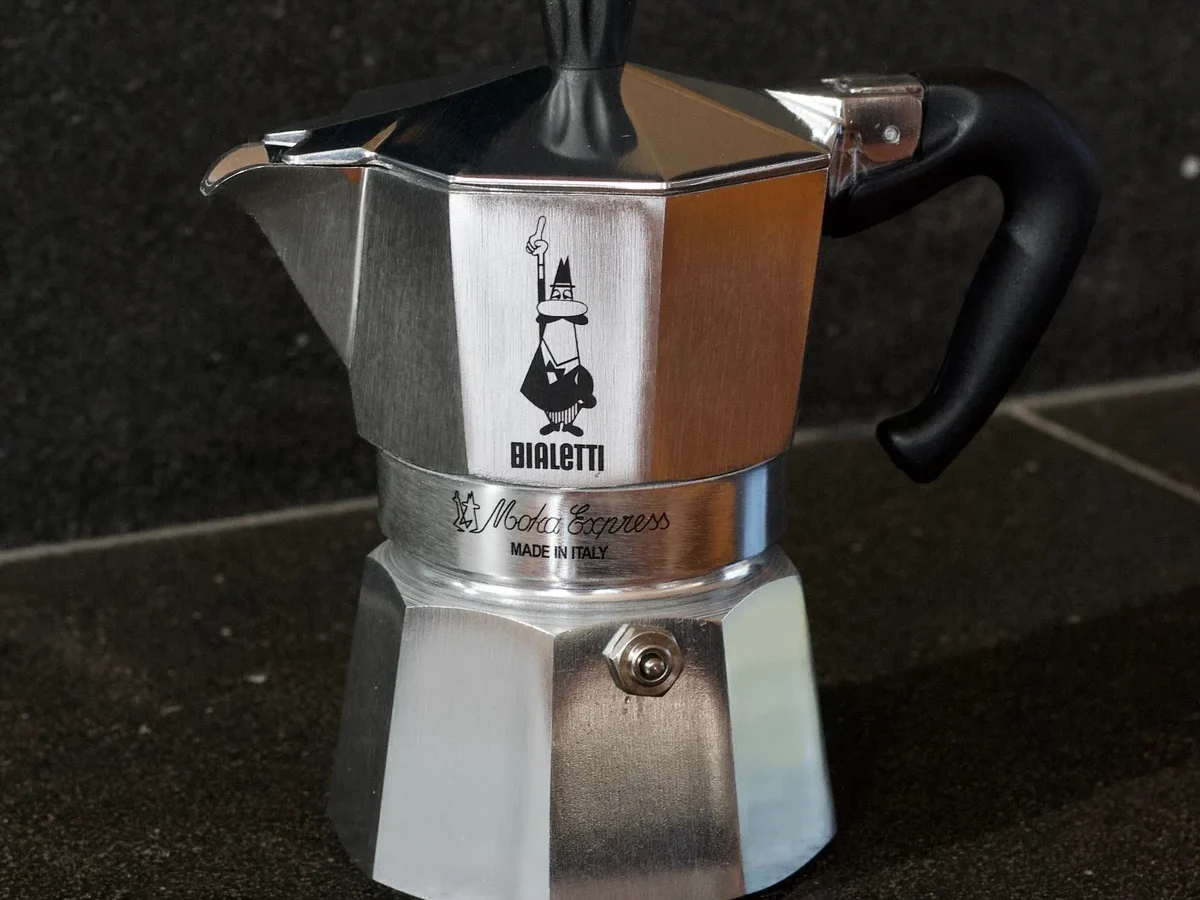
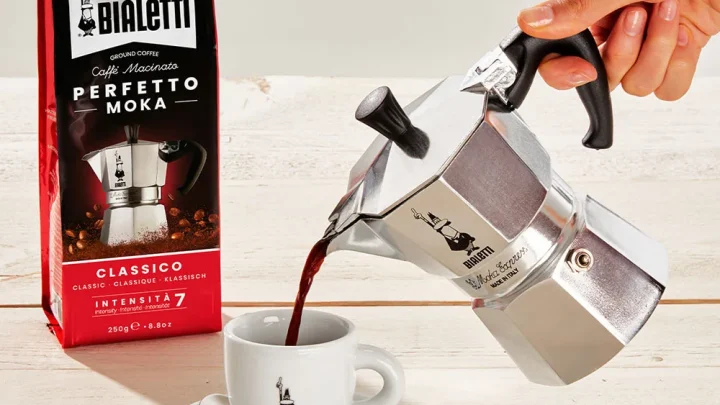
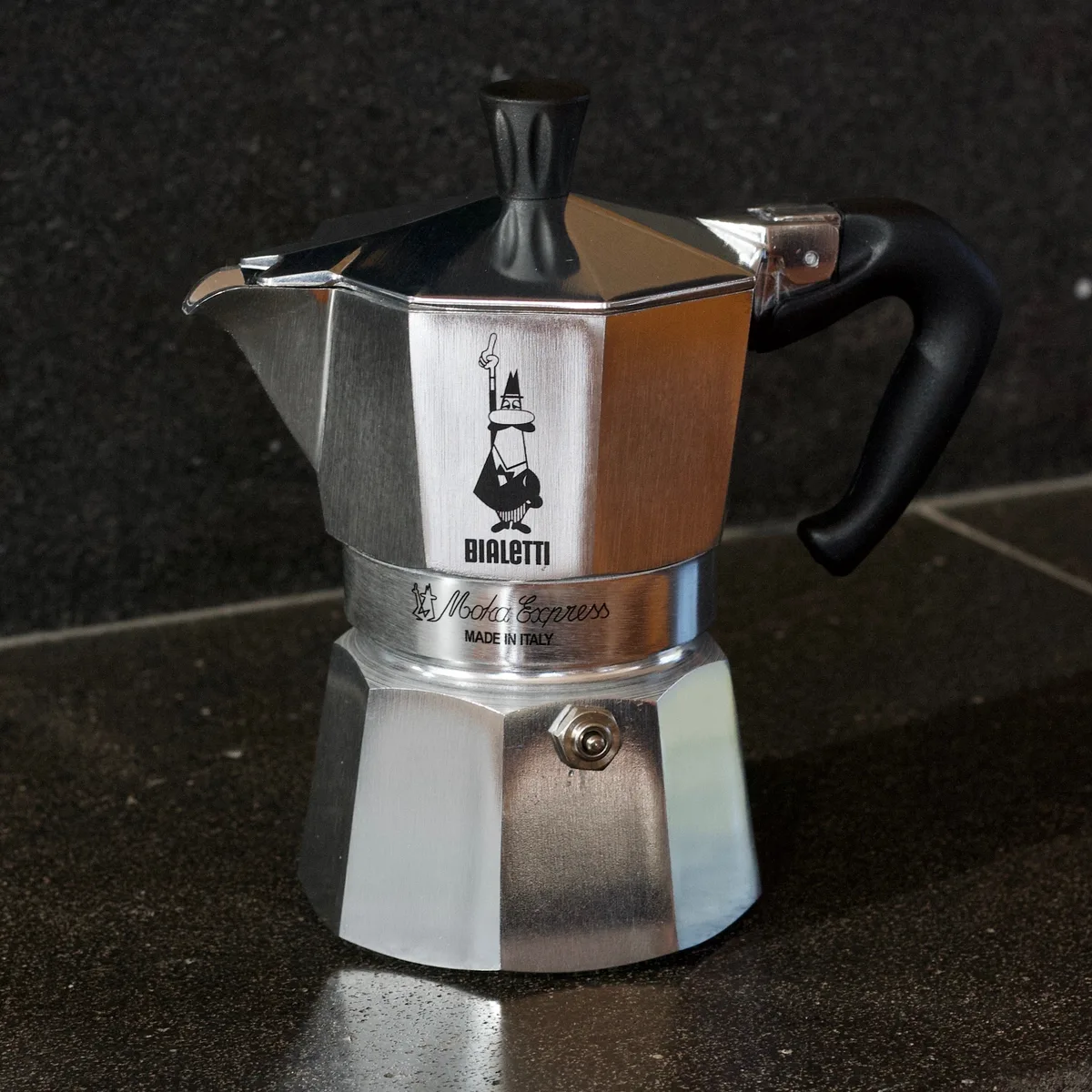
If you're wondering what moka pot for home use, the short answer is it depends on your stove, your budget, and how many cups you actually drink. The classic Bialetti Moka Express in 3-cup or 6-cup size covers most households, but induction owners need a stainless model like the Bialetti Venus.
Manufacturer specifications show a 3-cup pot yields about 5, 6 oz of concentrated coffee, not three full espresso shots. That distinction trips up many first-time buyers. Aggregate reviews confirm the biggest mistake is picking the wrong material for your cooktop.
Why This Comparison Matters
Picking a moka pot sounds simple, but the wrong choice can ruin your morning coffee. Aluminum conducts heat fast but won't work on induction. Stainless steel lasts longer but changes the flavor slightly.
And cup sizing is misleading across every brand.
Aggregate reviews show that most negative feedback for moka pots comes from two problems: mismatched stovetop compatibility and buying the wrong size. A 1-cup pot makes barely enough for a single short black. A 12-cup pot takes up half your burner.
This isn't a one-size-fits-all decision. You need to match the pot to your stove type, the number of drinkers, and how strongly you like your brew. That's why we break down each option by real-world use instead of just listing specs.
As of 2026, the market has expanded with more stainless options, but the core trade-off between aluminum and steel hasn't changed. Getting it right the first time saves you the hassle of returning a pot that sizzles unevenly or drips from the spout.
Aluminum vs. Stainless Steel: The Big Trade-Off
The first fork in the road is material. Aluminum moka pots heat up quickly and evenly, and they're lighter on the wallet. But they react with acidic coffee over time, developing a patina that some say adds depth and others call bitter.
More importantly, aluminum is non-magnetic, so it's useless on induction cooktops.
Stainless steel moka pots work on every stove type, including induction. They're heavier, more durable, and won't react with coffee. The downside is they heat less evenly, so you need to watch the flame closely.
Many stainless models also cost twice as much as their aluminum counterparts.

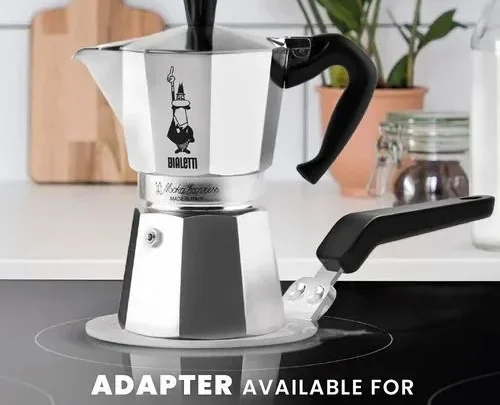
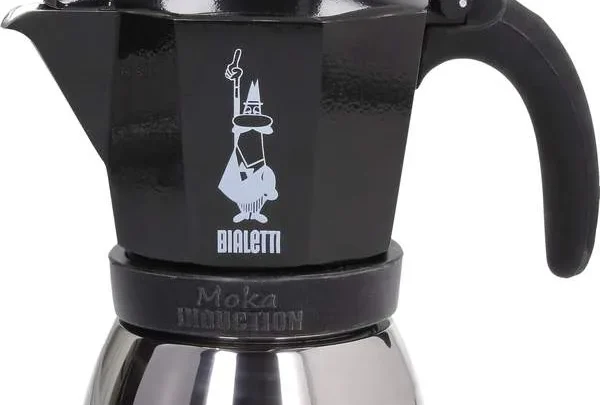
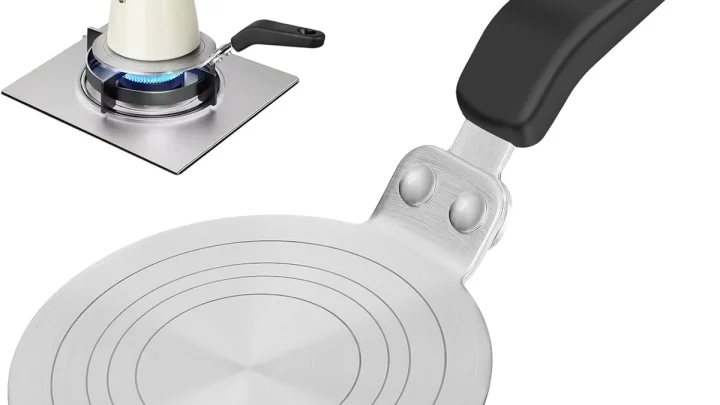
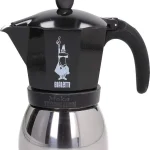
If you have a gas or ceramic-electric stove, aluminum is the classic choice. If you own induction, skip aluminum entirely. Some manufacturers like Bialetti offer a specific induction-friendly line (the Venus), but standard Moka Express pots won't work even with an induction adapter plate.
Pick aluminum for gas stoves and budget buys. Pick stainless for induction, long-term durability, or if you prefer a cleaner flavor profile.
Top Moka Pots for Home: Quick Breakdown
We looked at the most common models based on manufacturer specs and verified buyer feedback. Here's how they stack up for home use.
| Model | Material | Induction? | Best For | Typical Price (2026) |
|---|---|---|---|---|
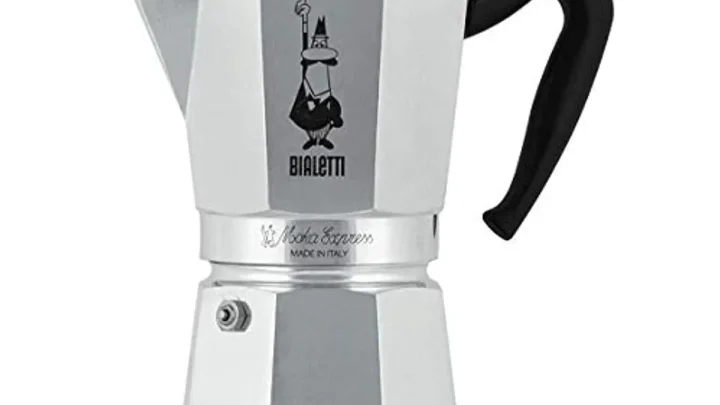
| Bialetti Moka Express | Aluminum | No | Classic taste, gas stoves | $25–$35 |
| Bialetti Venus | Stainless | Yes | Induction, durability | $40–$55 |
| Bialetti Brikka | Aluminum | No | More crema, stronger brew | $45–$60 |
| Grosche Milano | Stainless | Yes | Budget induction, glass knob | $30–$45 |
| Alessi Pulcina | Stainless | Yes | Design, angled spout | $70–$90 |
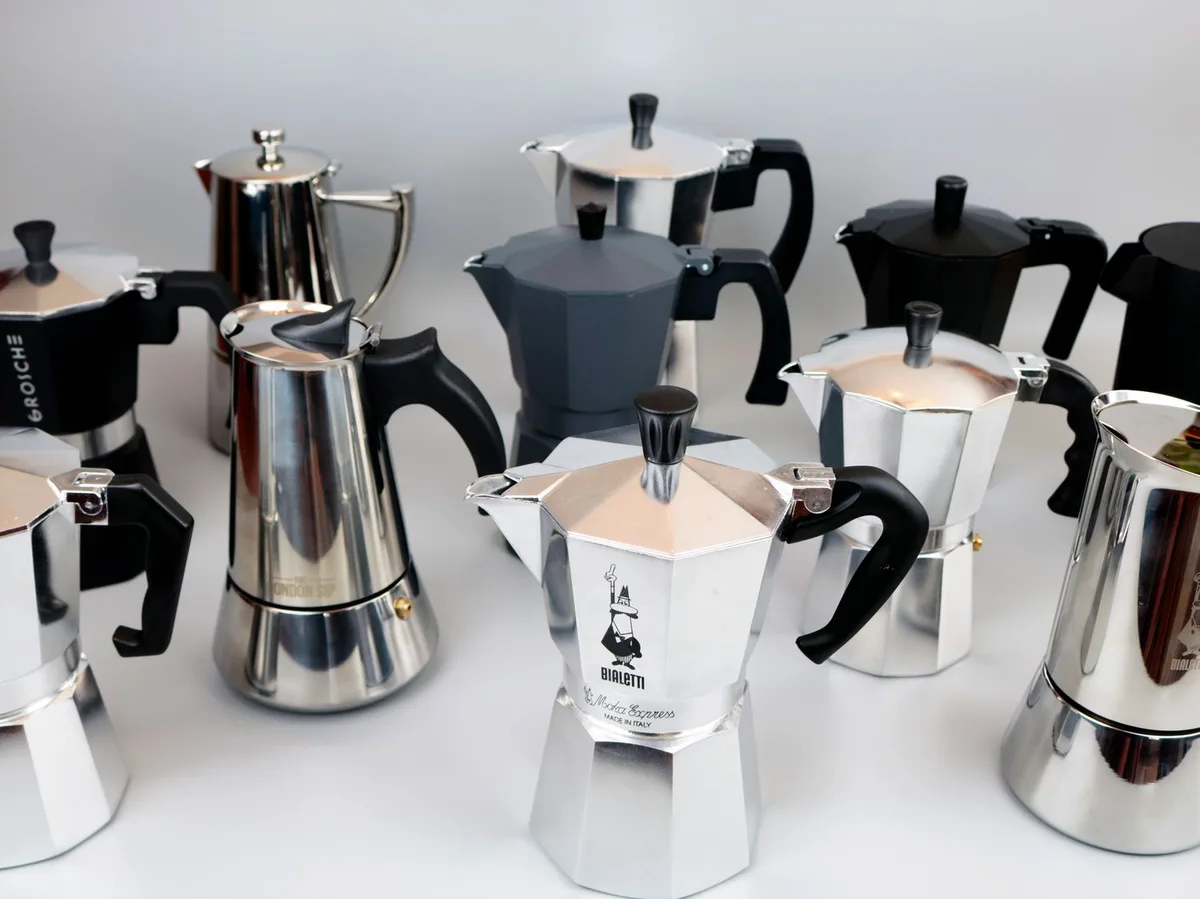
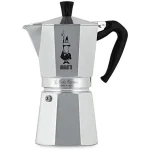
The Moka Express is the standard for a reason. It's cheap, reliable, and widely available. The Venus is the go-to upgrade for induction users.
The Brikka uses a pressure valve to create a thin layer of foam, but it's not real crema. If aesthetics matter, the Alessi Pulcina looks beautiful, but you pay a premium for design.
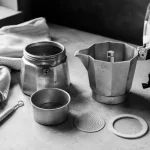
Stick with a brand that sells replacement gaskets and filters. Bialetti parts are everywhere. Off-brands may be cheaper today but can become paperweights when the gasket wears out.
For official specifications on these models, refer to the manufacturer's documentation on their product pages.
Which Size Is Right for You?
Moka pots are labeled by "cups," but a cup is not a standard measure. One moka cup equals roughly 2 oz of brewed coffee, not the 6, 8 oz in a regular coffee mug.
Here's the real-world output per size:
- 1-cup, ~2 oz (a single espresso shot), Only for solo drinkers who want a tiny, intense cup.
- 3-cup, ~5, 6 oz, Perfect for one person making a latte or Americano. Most popular size.
- 6-cup, ~10, 12 oz, Good for two people or one heavy drinker. Fits a medium burner.
- 9-cup, ~15, 18 oz, Suitable for three people or a small gathering. Needs a larger burner.
- 12-cup, ~20, 24 oz, Best for four or more. Can be awkward to handle and clean.
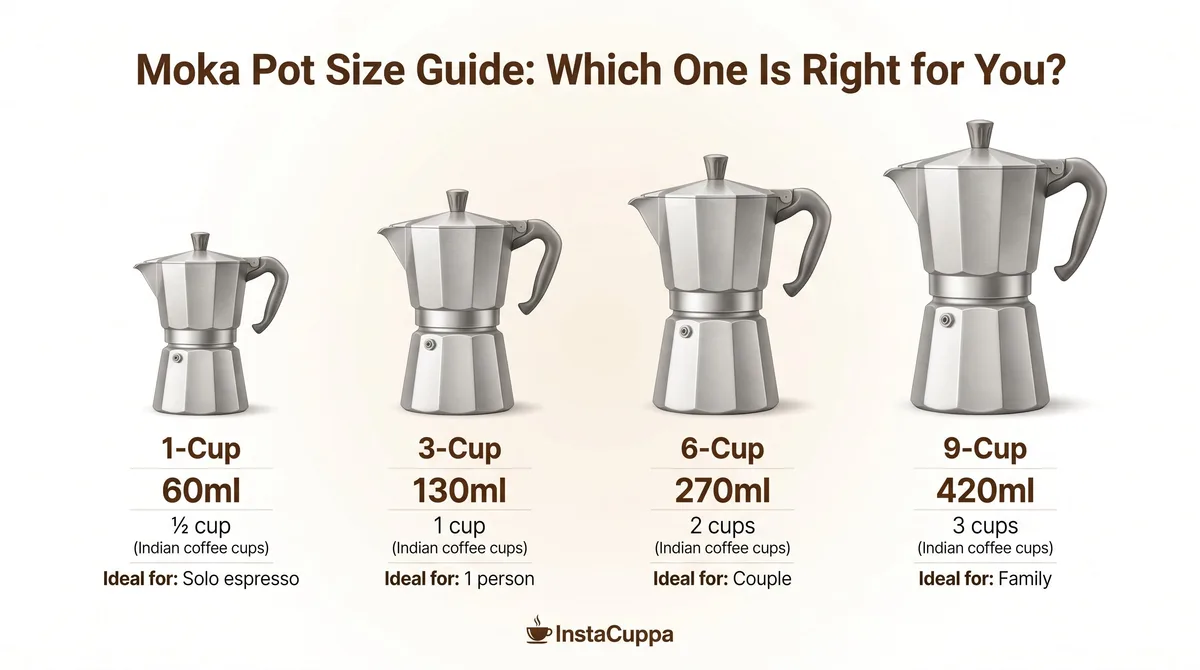
If you're unsure, start with a 3-cup pot. It's the sweet spot for most home drinkers. Going too large often leads to watery, under-extracted coffee because the funnel can't hold enough grounds for the water volume.
Smaller pots brew faster and with more pressure. Larger pots take longer and risk burning the coffee if you're not careful.
Common Mistakes That Ruin Your Brew
Even with the right pot, small errors produce bitter or weak coffee. Here are the most frequent mistakes from aggregate reviews.
Using the wrong grind size. Moka pots need a medium-fine grind, similar to table salt. Too coarse and the water rushes through, giving weak coffee. Too fine and the pressure builds up, causing sputtering or blocking the filter.
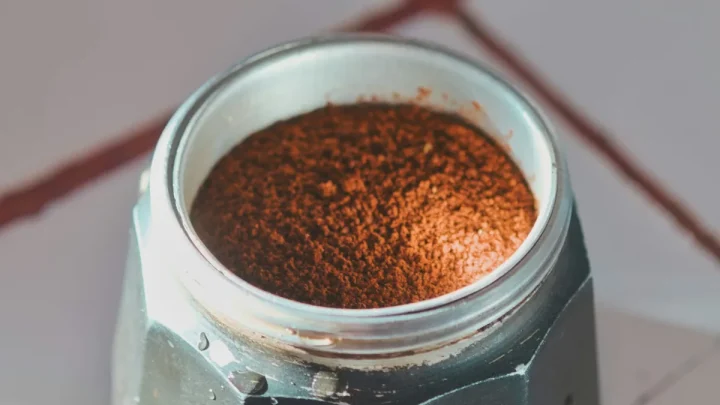
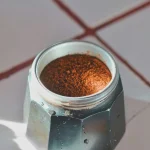
Overfilling the funnel. Fill the funnel level, but do not tamp the grounds. Compacting creates too much resistance and leads to stalled brews or explosions from the safety valve.
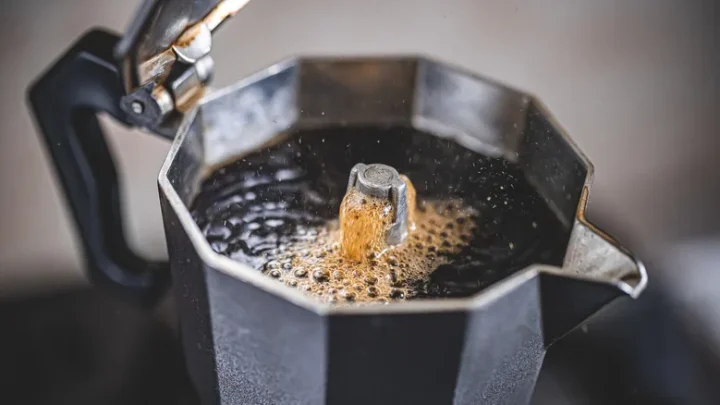
Cranking the heat too high. High heat forces steam through quickly, scorching the coffee. Medium-low to medium is all you need. The brew should come out in a slow, steady stream, not a violent spurt.
Leaving it on the stove too long. As soon as the pot starts gurgling, pull it off the heat. Running it dry burns the coffee and can damage the gasket.
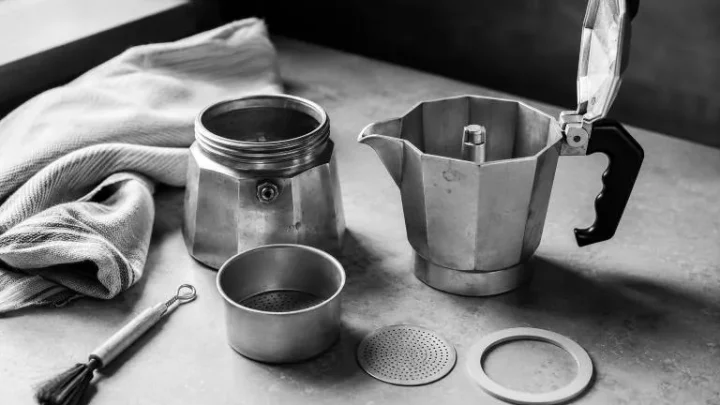
Washing with soap (on aluminum). Soap strips the protective patina on aluminum pots and can leave a metallic taste. Rinse with hot water and scrub gently with a brush. Stainless steel is fine with soap.
Neglecting the gasket. A worn or dried-out gasket causes leaks. Replace it every 6, 12 months depending on use. Buy from the same brand as your pot.
Avoid these pitfalls and your daily brew will taste noticeably better.
Quick Comparison: Specs, Prices, and Best For
Here is a side-by-side look at the main contenders. This table pulls together the key numbers from manufacturer documentation.
| Model | Material | Induction | Actual Output | Price Range | Best For |
|---|---|---|---|---|---|
| Bialetti Moka Express | Aluminum | No | 2 oz per "cup" | $25–$35 | Gas stoves, classic taste |
| Bialetti Venus | Stainless | Yes | 2 oz per "cup" | $40–$55 | Induction, durability |
| Bialetti Brikka | Aluminum | No | 2 oz per "cup" | $45–$60 | More foam, stronger brew |
| Grosche Milano | Stainless | Yes | 2 oz per "cup" | $30–$45 | Budget induction, glass knob |
| Alessi Pulcina | Stainless | Yes | 2 oz per "cup" | $70–$90 | Design, angled pour |
All of them use the same basic brewing principle. The difference is in heat distribution, handle comfort, and long-term cost. Aggregate reviews show that Moka Express owners replace gaskets once a year.
Alessi owners pay triple for the same part.
If you are on gas, the Moka Express is the value king. If you need induction, the Venus or Grosche are your best bets. The Brikka is a niche pick for people who want a denser brew and don't mind a bit more cleaning.
The safety valve design also varies. Bialetti uses a simple spring-loaded valve that rarely fails. Some budget stainless models have a stamped valve that sticks over time.
Stick with major brands to avoid that headache.
Final Recommendation: Your Best Bet
For most homes, the Bialetti Venus in 3-cup or 6-cup size is the safest choice. It works on every stove type including induction. It is stainless steel so it lasts essentially forever with proper care.
And it costs around $45, which is fair for something that will outlast your kettle.
If you have a gas stove and want the classic Italian experience, get the Bialetti Moka Express in 3-cup. It is cheaper, lighter, and the flavor profile is what people talk about when they mention moka pot coffee. Just be aware you cannot use it on induction.
Avoid the smallest size (1-cup) unless you drink espresso straight and in tiny amounts. Avoid the largest size (12-cup) unless you regularly brew for a group. They are harder to control and waste coffee if you drink alone most days.
Remember to buy a replacement gasket at the same time as your pot. It is a small cost that saves you frustration later. And never leave water sitting in the boiler after brewing.
Rinse it out and dry it. That keeps the metal from developing off-flavors or corrosion.
Be aware that some online reviews are paid placements. Our research prioritises manufacturer specs and verified user feedback. For more on how we handle product recommendations, you can read our affiliate disclaimer.
Frequently Asked Questions
How do I know what size moka pot to buy?
Match the size to how much coffee you actually drink. A 3-cup pot makes about 5, 6 oz, which is one standard mug. A 6-cup makes about 10, 12 oz, enough for two cups or one large latte.
When in doubt, go smaller. A smaller pot brews faster and produces stronger coffee.
Can I use a moka pot on an induction stove?
Only if the pot is made of stainless steel with a magnetic base. Classic aluminum moka pots like the Bialetti Moka Express will not work. Look for models marked "induction compatible" such as the Bialetti Venus or Grosche Milano.
Some induction adapters exist, but they rarely work well.
How much coffee does a moka pot use?
A 3-cup moka pot needs about 15, 18 grams of coffee, roughly 2 to 3 tablespoons. A 6-cup pot needs about 25, 30 grams. Always fill the funnel level without tamping.
The exact amount depends on your grind size, but these are reliable starting points.
Why does my moka pot coffee taste bitter?
Bitterness usually comes from overheating or using too fine a grind. Keep the heat on medium-low. Pull the pot off the stove as soon as you hear a gurgle.
Check your grind too. It should be medium-fine, not espresso fine. If it tastes burnt, the coffee sat on the burner too long.
How often should I replace the gasket?
Replace the silicone or rubber gasket every 6 to 12 months with regular use. Signs of wear include leaking around the threading or a loose fit when you tighten the top chamber. Buy the exact model specified by your pot's manufacturer.
Generic gaskets often leak.
Is it safe to leave a moka pot unattended?
Never leave a moka pot on the stove without watching it. The water boils and builds pressure quickly. If you walk away, it can overheat, blow the safety valve, or even warp the boiler.
Stay within earshot and remove it from the heat as soon as the brew finishes.

Similar Posts