Which Moka Pot for One Person?
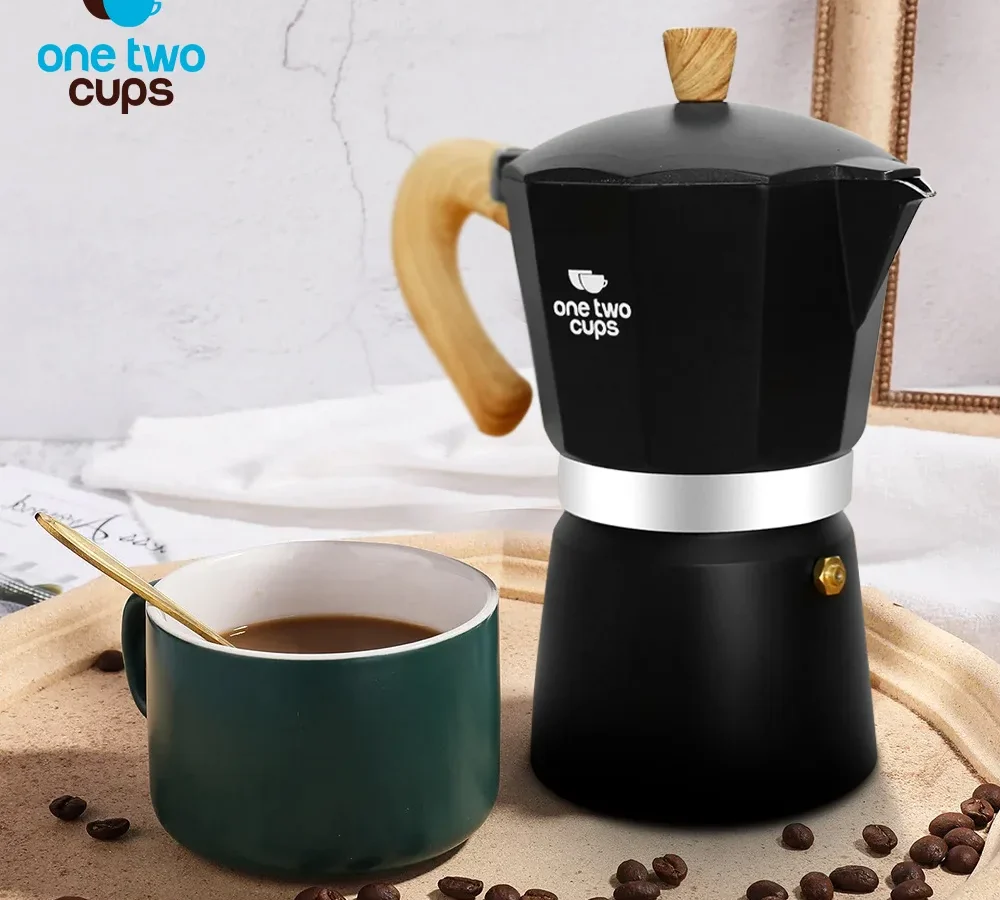
Wondering what moka pot for one person actually fits your counter? The answer isn't automatically the smallest pot. A 1-cup moka pot is tiny.
Most solo drinkers find a 2-cup works better.
Manufacturer specs confirm a 1-cup boiler holds about 45 ml of water. That's one small espresso cup. Meanwhile, the 2-cup holds roughly 90 ml.
For most of us, that's the real single serving. Let's walk through the sizes and trade-offs before you click buy.
Quick Answer
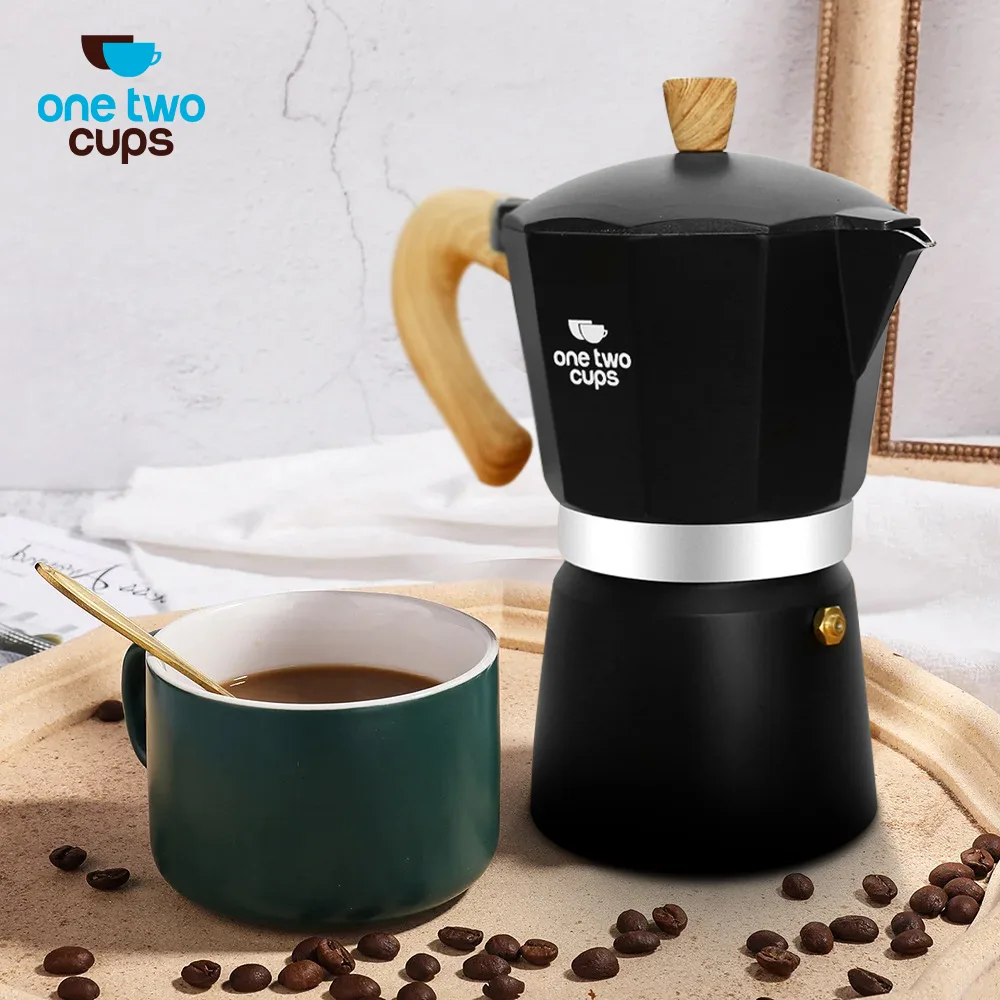
For one person, the best moka pot is typically a 2-cup model. It yields about 3 ounces, enough for a proper coffee. The 1-cup pot makes just a tiny shot.
Unless you like espresso-sized drinks, choose the 2-cup.
The Real Question: Is a 1-Cup Moka Pot Actually Right for You?
A 1-cup moka pot sounds ideal for a single person. But the "cup" is a demitasse, not a mug. You get roughly 1.5 ounces of coffee, which is a single shot.
If you drink Americanos, lattes, or even a standard mug, you'll need two batches. Most solo drinkers prefer a 2-cup instead.
The 2-cup gives you about 3 ounces. That's enough concentrate to make a proper 8-ounce Americano. It still fits a compact kitchen.
And it brews just as fast as a 1-cup, about 4 to 6 minutes total.
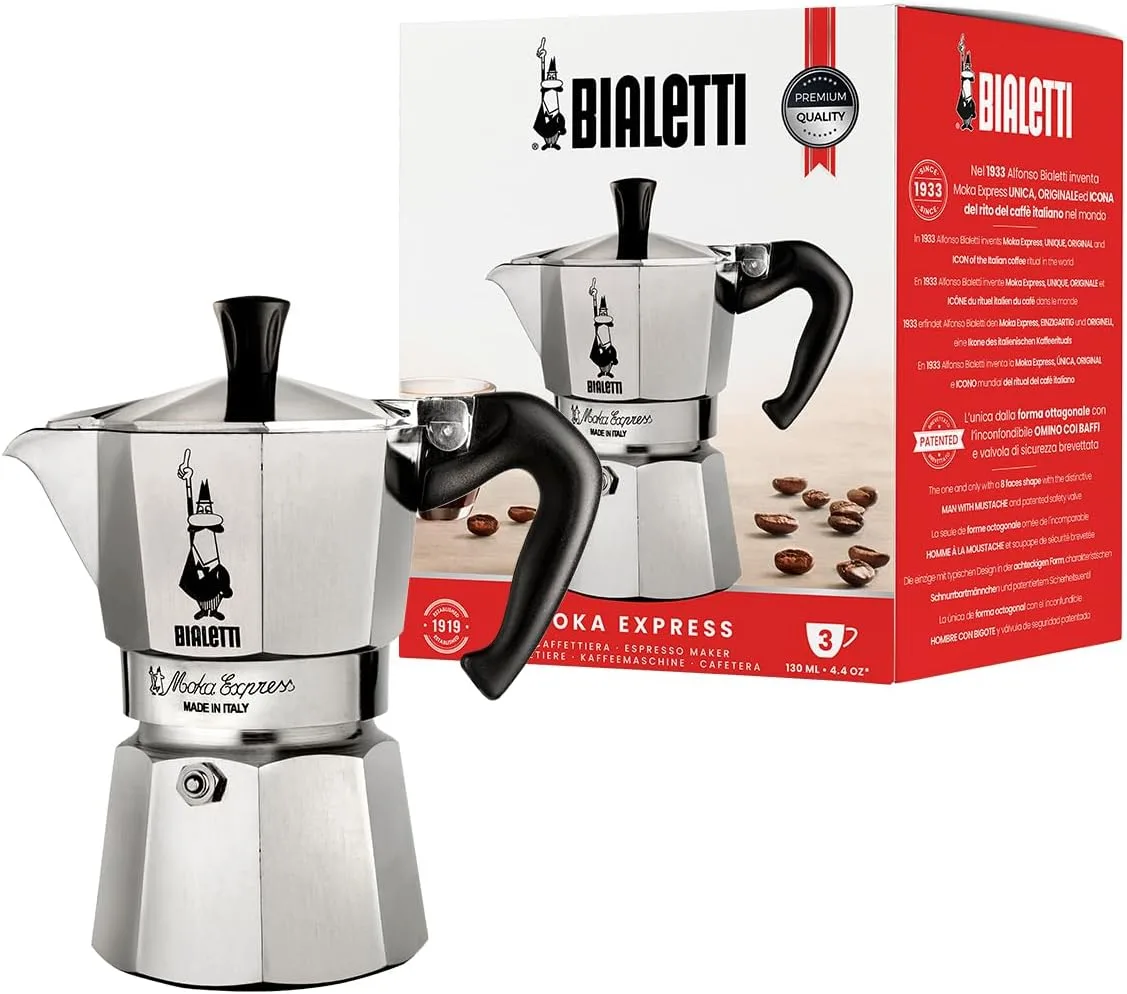
As of 2026, the 2-cup Bialetti Moka Express is the best-selling size in Italy. That tells you something. Italian households know the 1-cup is more of a novelty.
Still, the 1-cup has its fans. If you enjoy tiny, intense shots after dinner, it works well. But for daily morning use, the 2-cup is the better compromise.
It's small enough to be personal, yet large enough to be practical.
Before you settle, think about your milk habit. Adding milk to a 1-cup makes a weak drink. The 2-cup holds its own.
That's why we recommend the 2-cup for most single users.
If you're also watching your coffee budget compared to eating out, you might check out a local food truck menu for perspective on café costs.
Moka Pot Sizes 101: What "One Person" Really Means
Manufacturer sizing is confusing. Bialetti's "1 cup" means 45 ml of water before brewing. After brewing, you get about 40 ml of coffee.
That's less than a shot glass in many diners. The "2 cup" holds 90 ml and produces roughly 80 ml, about 2.7 ounces.
A standard US mug is 240 ml. So even a 2-cup moka pot makes only a third of that. You should expect to dilute the concentrate with hot water.
That's normal and delicious.
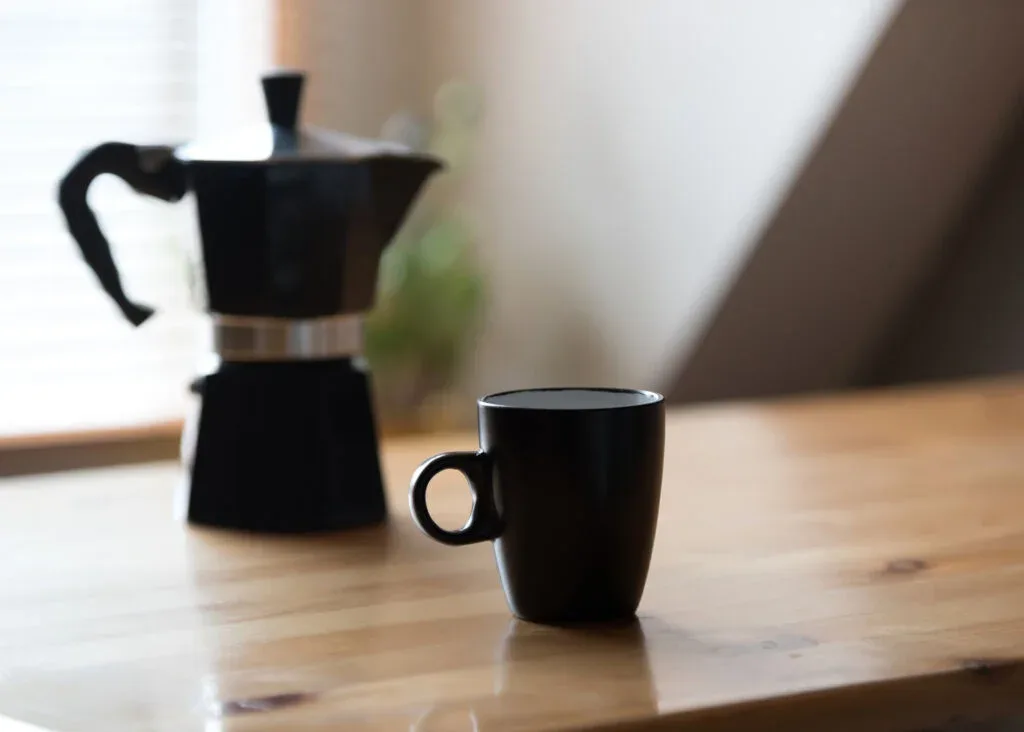
The takeaway is simple. For one person, a 2-cup pot is the minimum for a satisfying drink. A 1-cup pot gives you a tiny strong shot that most people finish in two sips.
If you want a larger, weaker coffee, you'll need to brew two batches or add more water.
Some brands also make a 4-cup model, but that's for sharing. For solo use, the 2-cup is the sweet spot. It's small enough to store easily, large enough to make a decent single serving.
If you're wondering how a café handles its brew, the Nomad Library menu might give you more context on typical café portions.
Top Single-Serve Moka Pots Compared: Aluminum, Stainless, and Induction-Ready
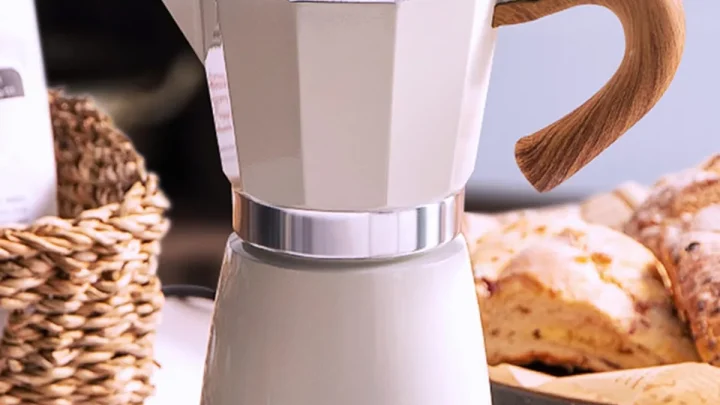
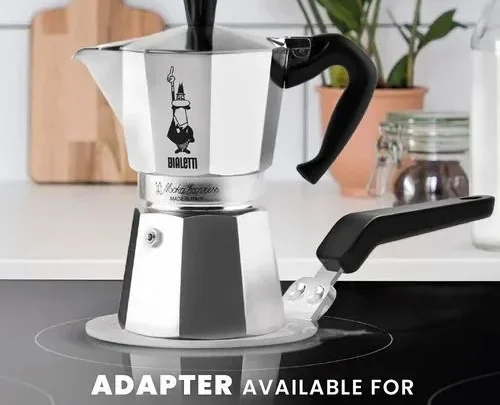
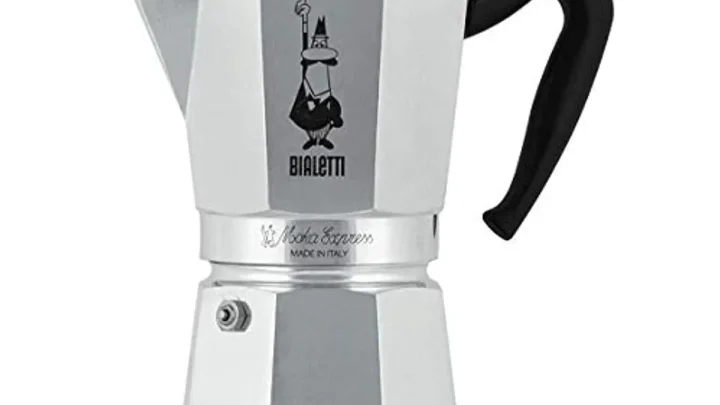
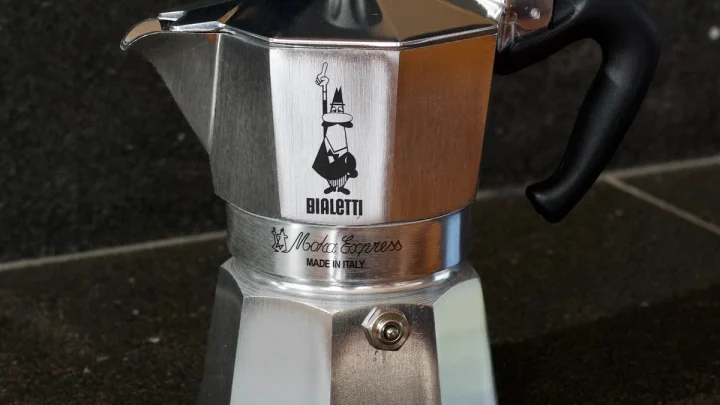
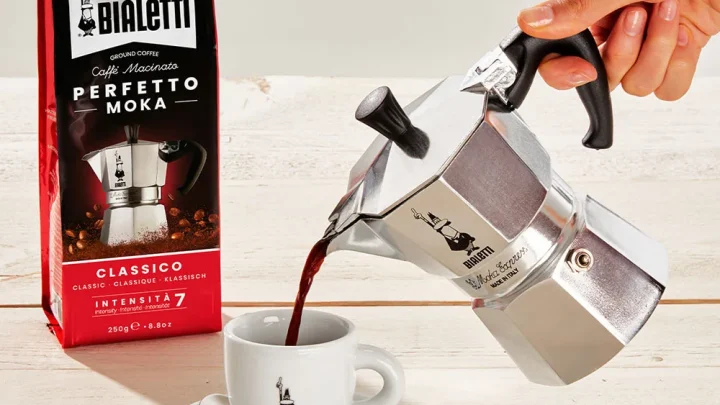
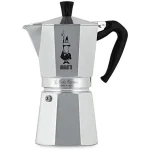
The next choice is material. The classic aluminum moka pot, like the Bialetti Moka Express, heats quickly and costs less. But it can add a metallic taste to acidic coffee.
It also requires careful hand washing to avoid pitting.
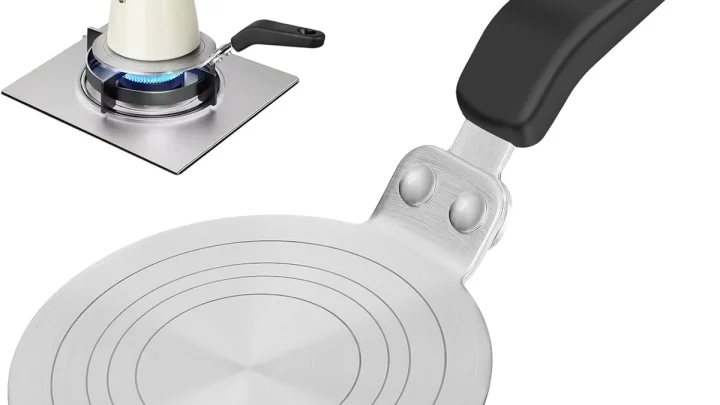
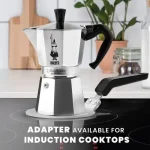
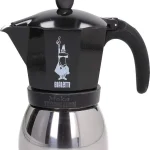
Stainless steel pots, such as the Bialetti Venus, have a clean taste and last longer. They also work on induction stovetops because the base is magnetic. The trade-off is a higher price and a slightly slower heat-up.
| Material | Heat speed | Taste | Durability | Induction? | Price range |
|---|---|---|---|---|---|
| Aluminum | Fast | Can be metallic | Medium | No | $20 to $30 |
| Stainless | Moderate | Neutral | High | Yes | $35 to $60 |
| Induction-ready steel | Moderate | Neutral | High | Yes | $40 to $70 |
For most solo drinkers, the 2-cup aluminum Moka Express is the best value. It's affordable, iconic, and does the job. If you're on induction, the Bialetti Venus in stainless is the safest purchase.
There's also the Cuisinox Roma, which is praised for its build quality. It's a bit taller than the Bialetti, so measure your cabinet height.
If you're weighing the cost against a restaurant meal, the Sun Nong Dan menu shows how quickly a dinner adds up. A moka pot pays for itself within weeks.
Side-by-Side: 1-Cup vs. 2-Cup vs. Aeropress vs. Single-Serve Espresso
Let's see how moka pots stack against other solo brewers. This helps you decide if the moka is even the right choice.
| Method | Yield | Brew time | Cleanup | Flavor |
|---|---|---|---|---|
| 1-cup moka | 40 ml | 4 min | Rinse | Strong, concentrated |
| 2-cup moka | 80 ml | 5 min | Rinse | Rich, full |
| Aeropress | 150 to 200 ml | 2 to 3 min | Rinse and pop | Clean, bright |
| Single-serve espresso | 20 to 40 ml | 1 to 2 min | Capsule bin | Espresso-like, low effort |
The Aeropress is a strong alternative. It brews in half the time, cleans in seconds, and lets you dial in strength. But it doesn't produce the thick, almost syrupy body of a moka pot.
The moka also uses no paper filters, which some coffee lovers prefer.
Single-serve espresso machines are convenient but costly per cup. Capsules add up, and you have less control over grind. The moka pot is cheaper in the long run and gives a more involved brewing ritual.
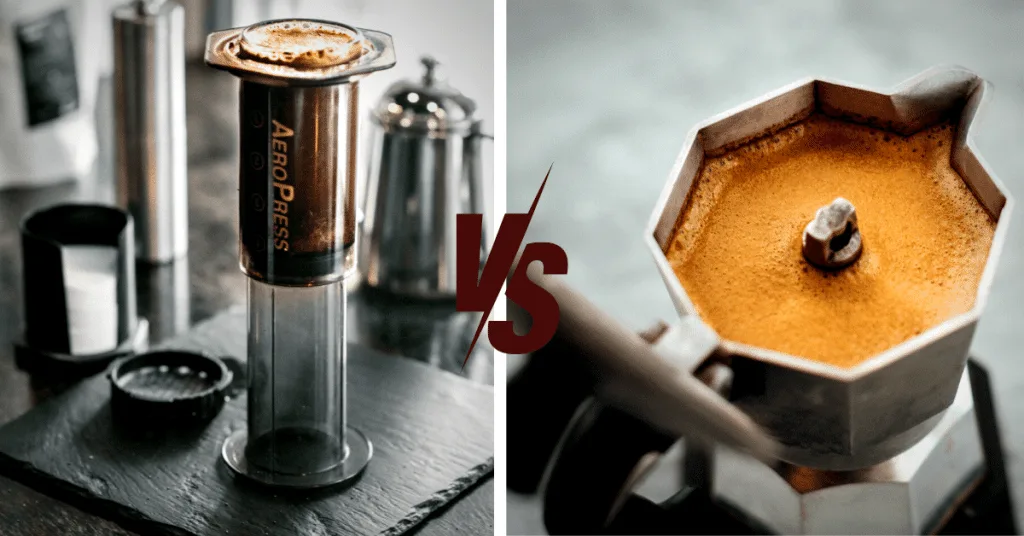
So if you want an espresso-style drink with better value, go with a 2-cup moka pot. It's the most practical for one person. For reference, a fancy dinner for one costs more at places like the Voltaggio Brothers steak house.
Your home brewing setup will save you money fast.
Best Moka Pot for Your Stovetop, Budget, and Brewing Style
Now let's turn that into a decision. Start with your stovetop. If you have an induction cooktop, skip aluminum.
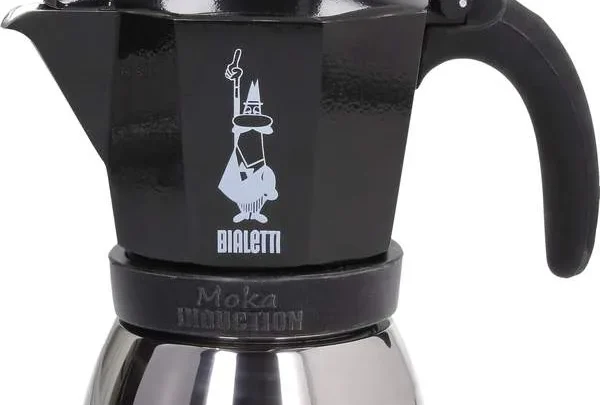
You need a stainless steel pot with a magnetic base, like the Bialetti Venus. For gas or electric, the classic aluminum works fine.
Next, think about your budget. Aluminum costs $20 to $30. Stainless runs $35 to $60.
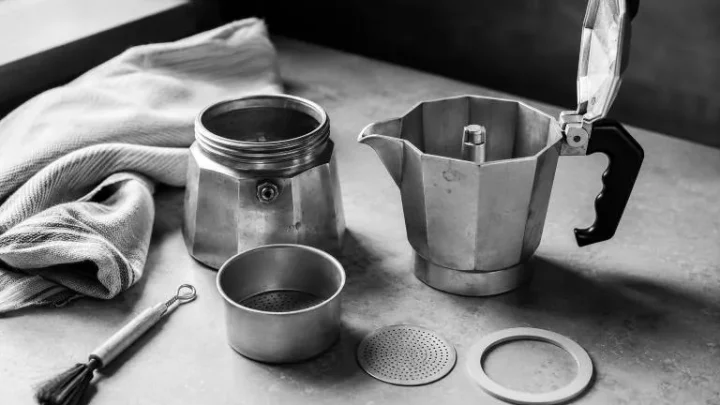
You'll need to replace the rubber gasket about once a year, whichever you choose. That's a small cost.
Then consider your coffee style. If you drink straight espresso, a 1-cup aluminum is fine. If you add milk, get a 2-cup stainless.
If you're on a tight budget, the 2-cup aluminum Moka Express is unbeatable.
Here are the rules we've found from research:
- Espresso shot only → 1-cup aluminum
- Americano or milk drinks → 2-cup stainless
- Induction stove → 2-cup Venus or Cuisinox
- Lowest cost → 2-cup Moka Express
- Best taste neutrality → 2-cup stainless
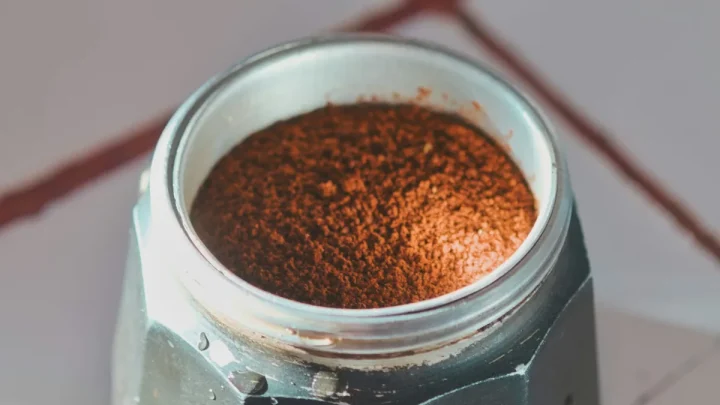
Also remember the grind. Use a fine, consistent grind, not too powdery. A burr grinder makes a noticeable difference.
Fresh beans matter more than the pot's brand.
In our research, most single-person households are happiest with a 2-cup aluminum Bialetti Moka Express. It balances price, speed, and flavor. If you want a neutral taste and induction compatibility, pay more for the Venus.
Either way, you'll have a solid solo brewing setup. For transparency, read our affiliate disclosure to see how we handle product recommendations.
Common Solo Brewing Mistakes and How to Fix Them
The biggest mistake we see is using a grind that's too fine. It clogs the filter and makes the coffee bitter. Aim for a texture like table salt, not flour.
If the brew sputters, your grind is too fine.
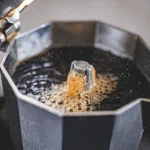
Next, overfilling the boiler. Water must stop below the safety valve. If water bubbles over before coffee flows, you added too much.
Use a small measuring cup to be exact.
Heat is another common problem. High heat burns the coffee quickly. Keep the stove on medium-low.
The coffee should drip out slow and steady, never gushing.
Many people also under-tighten the top chamber. Steam leaks out, pressure drops, and you get weak coffee. Turn it until snug, but don't force it.
Finally, aluminum pots taste metallic when soap is used. Rinse with hot water only and dry immediately. Replace the gasket every 12 months to keep a solid seal.
Fix these, and your moka pot will produce a consistent shot every morning.
Frequently Asked Questions
Should I buy a 1-cup or 2-cup moka pot for one person?
Choose a 2-cup pot. It yields about 80 ml, enough for a real coffee. A 1-cup makes just 40 ml, which is a single shot.
Unless you only drink straight shots, the 2-cup is the practical choice.
Can I use a moka pot on an induction stove?
Only if the pot has a magnetic base. Aluminum moka pots don't work. Stainless steel models with a magnetic base, like the Bialetti Venus, do.
Check the bottom for "induction ready" before buying.
Why does my moka pot coffee taste bitter?
Your grind is likely too fine or your heat too high. Use a medium-fine grind and medium-low heat. Also avoid overfilling the boiler.
Bitter coffee usually comes from over-extraction, which these fixes solve.
How long does a moka pot last?
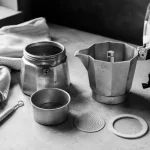
With proper care, 10 years or more. Replace the gasket yearly and the filter plate every couple of years. Hand wash with water and dry thoroughly.
Avoid soap, which damages aluminum.
The Bottom Line: Our Pick for One Person
What moka pot for one person? After comparing sizes, materials, and brew styles, we recommend the 2-cup stainless steel model. The Bialetti Venus gives you about 80 ml of strong coffee.
That's enough for an Americano or a cortado with milk.
If you're on a tight budget, the 2-cup aluminum Moka Express is still the value champion. It costs half as much and brews just as fast. Just remember it won't work on induction.
In our research, most solo drinkers regret buying a 1-cup. It's too small for daily use. A 2-cup gives you flexibility without wasting counter space.
Pair your pot with a good burr grinder. Fresh beans make a bigger difference than the pot brand. Follow official maintenance guidance from the manufacturer, and your moka pot will last a decade.

Similar Posts