Easy Way to Remove Coffee Smell from Travel Mugs
You open the lid, and that familiar stale coffee smell hits you. Not the fresh morning brew you were hoping for. Just a sour, oily reminder of yesterday's cup.
If your travel mug smells of coffee even after a rinse, there is a real reason it sticks around.
Coffee oils are stubborn. They seep into microscopic scratches and porous surfaces. Silicone gaskets and polypropylene liners absorb odors fastest.
The good news is that a few targeted cleaning methods solve this for good. Let's walk through them.
Easy Way to Remove Coffee Smell from Travel Mugs
Quick Answer
Coffee oils and bacteria cling to your mug's interior. Plastic and silicone trap smells the worst. Stainless steel resists odors but the lid still holds them.
Three methods work: a baking soda soak, a vinegar soak, or a denture tablet fizz. Match your mug's material first. Deep clean every one to two weeks.
Always dry it fully with the lid off.
Why Your Travel Mug Smells Like Stale Coffee (and What's Really Going On)
The culprit isn't just leftover liquid. Coffee contains oils that cling to surfaces. Over hours, they turn rancid.
Mold and bacteria add a musty layer. The lid's gasket and narrow openings trap moisture, so smells intensify quickly.
Plastic mugs are the worst offenders. Their surface is slightly porous. Stainless steel is non-porous but the lid assembly, especially the silicone seal, holds odors.
Ceramic and glass are least absorbent but their lids still cause trouble.
As of 2026, most travel mugs use either Tritan plastic, 18/8 stainless steel, or lined ceramic. Each needs a different approach. So a one-size-fits-all cleaner often fails.
Bleach harms aluminum liners. Abrasive scrubs scratch plastic, making odor worse.
Knowing your mug's material is the first step. Then you pick the right method.
The Quick Decision Guide: Pick Your Mug Material First
Before you pour anything into your mug, check what it is made of. The material determines which cleaning agents are safe and effective.
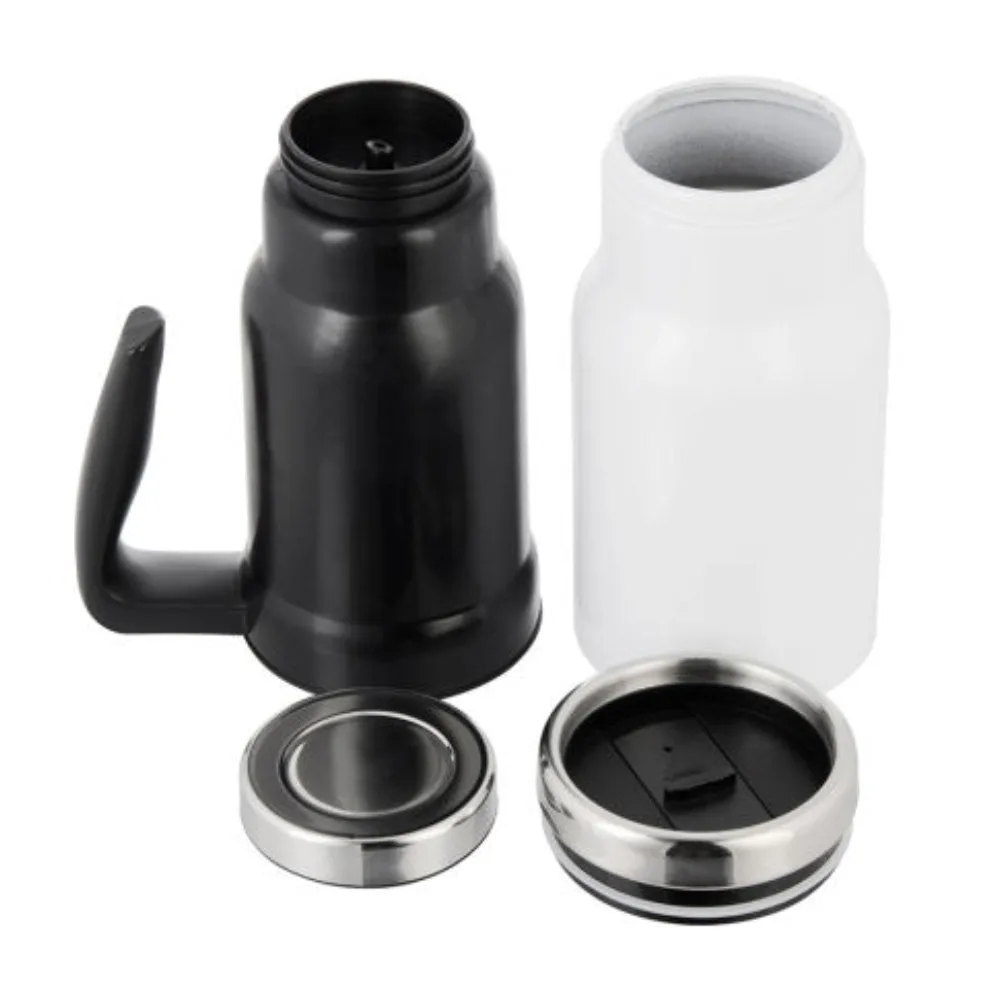
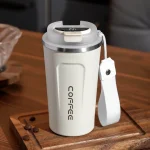
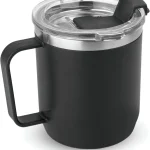
Stainless steel (double-wall insulated)
Most common for premium brands. The non-porous body resists odors, but the lid assembly is the weak spot. You can use baking soda, vinegar, denture tablets, and even diluted bleach.
Never use bleach on aluminum liners (rare but check). Avoid soaking for hours because water can seep into the vacuum gap.
Plastic (polypropylene or Tritan)
Cheaper and lighter. The porous surface absorbs oils quickly. Use baking soda, vinegar, or denture tablets.
Avoid bleach because it can degrade the plastic. Never use abrasive scrubbers; they create micro-scratches that trap more smell later.
Ceramic-lined interior
Smooth and non-porous surface. Odor-resistant but the lid and gasket still need attention. Use gentle methods like baking soda or denture tablets.
Avoid vinegar if the ceramic has any cracks because acid can seep in. Do not microwave if it is vacuum insulated.
Glass
Least common but easiest to clean. Non-porous, so odors rinse away. Use any method except extreme temperature shocks.
The lid is still the problem area.
For a quick material check, look for a label or stamp on the bottom. Most stainless steel mugs say "18/8" or "304" near the base. Plastic mugs often have a recycling number like #5 or #7 inside.
Step-by-Step: Which Cleaning Method Works for Your Mug
Now match your material to the right method. Use this as your decision tree.
Method 1: Baking soda soak (safe for all materials)
- Mix 2 tablespoons baking soda with 1 cup hot water.
- Pour into mug and swirl to dissolve. Let it sit for 15 to 30 minutes.
- Scrub with a bottle brush. Rinse thoroughly with hot water.
- Best for light odors and plastic mugs.
Method 2: White vinegar soak (safe for stainless steel and plastic)
- Mix 1 part white vinegar with 3 parts hot water.
- Soak for 15 minutes. Vinegar cuts coffee oils and kills bacteria.
- Rinse very well. Vinegar residue can add a sour taste to your next drink.
- Do not use on ceramic with cracks or on aluminum.
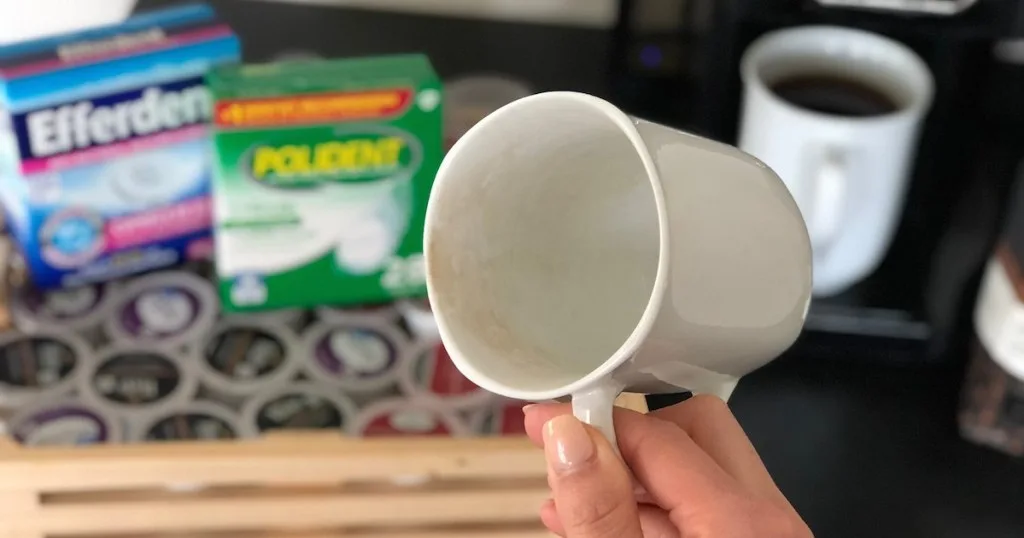
Method 3: Denture tablet fizz (great for plastic and lids)
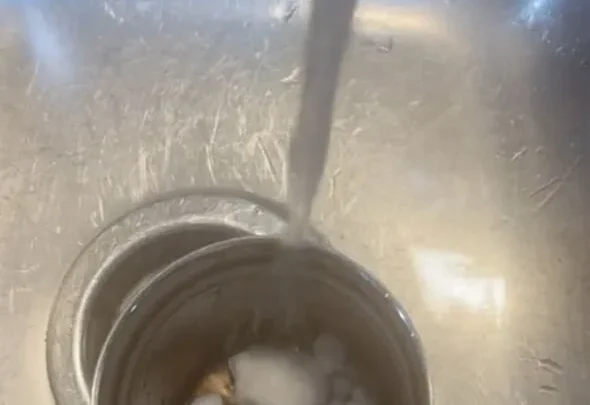
- Fill mug with warm water. Drop in one denture cleaning tablet.
- Let it fizz for 30 minutes (or overnight for stubborn odor).
- The effervescence reaches tiny crevices a brush cannot.
- Rinse well. This is the top-rated method in user reviews for plastic lids.
Method 4: Diluted bleach (stainless steel only, for mold)
- Mix 1 teaspoon bleach per 1 gallon water. Per CDC guidelines, this is the standard dilution for sanitizing food-contact surfaces.
- Soak for 15 minutes max. Do not use on plastic or aluminum.
- Rinse repeatedly until no bleach smell remains. Use hot water.
- Only for persistent mold that other methods did not remove.
Method 5: Lemon juice and salt scrub (all materials, gentle)
- Sprinkle coarse salt inside the mug. Squeeze in juice of half a lemon.
- Scrub with a sponge or brush. Salt acts as an abrasive while lemon cuts oils.
- Rinse well. Leaves a fresh citrus scent. Works well as a weekly maintenance step.
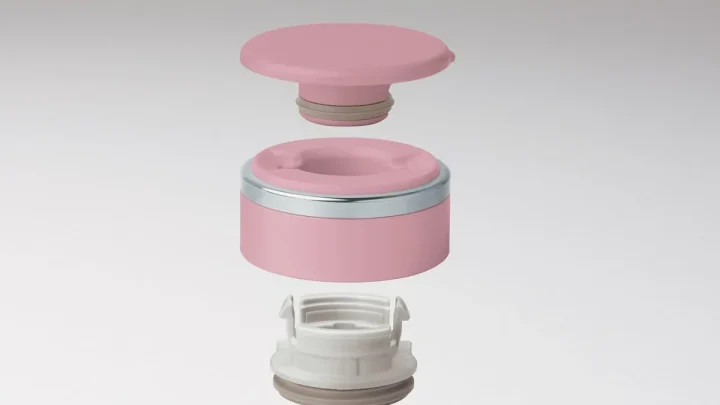
After any soak, remove the lid gasket if possible. Scrub underneath with a small brush. Dry everything completely with a towel and leave the lid off overnight.
Common Mistakes That Make the Smell Worse (or Damage Your Mug)
Even with the best intentions, people often worsen the problem. Here is what to avoid.
Using too much dish soap
Soap alone does not remove coffee oils. It leaves a film that traps odors. Use it sparingly and rinse extra well.
Scrubbing with abrasive pads
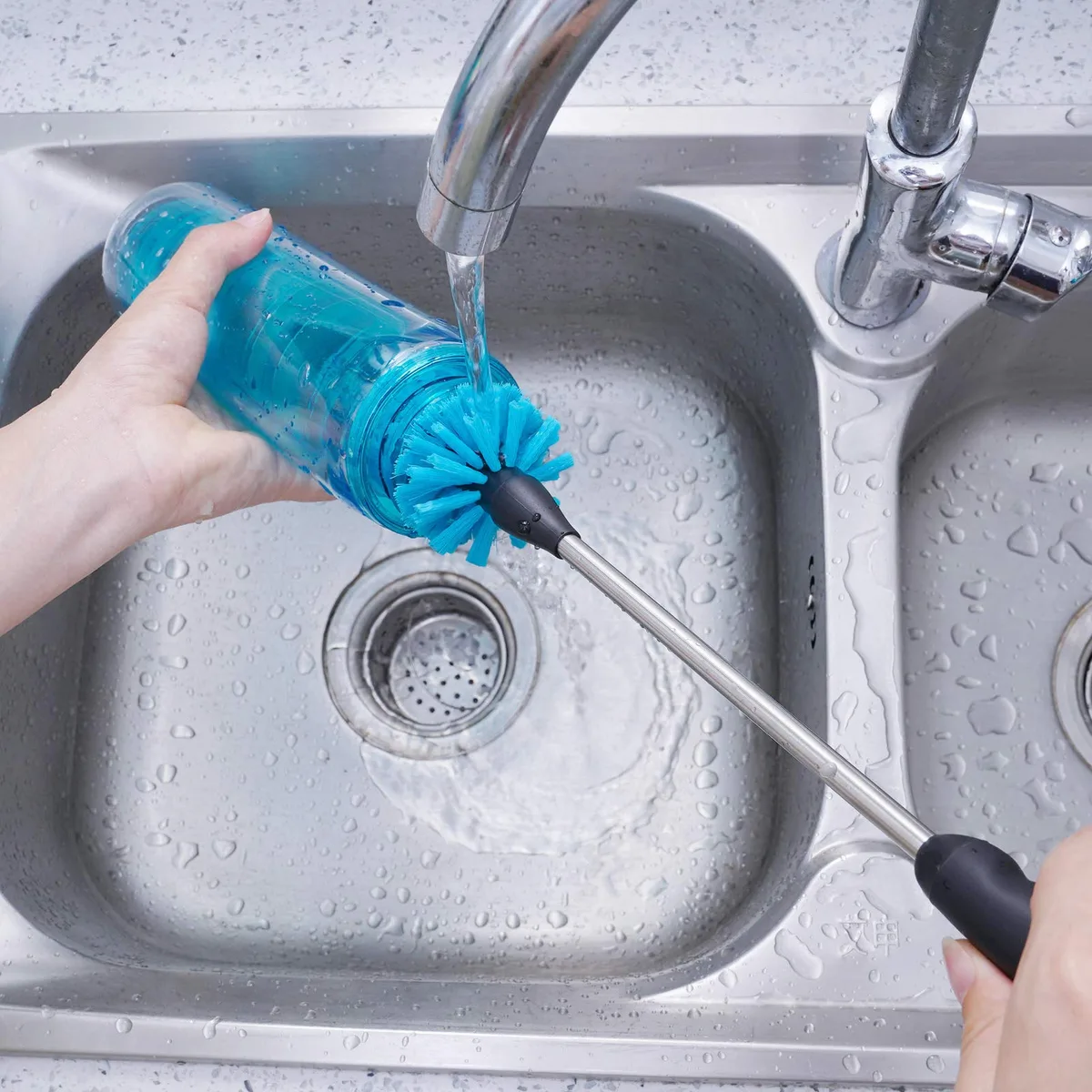
Steel wool or green scrub pads scratch plastic and stainless steel. Those scratches become odor traps. Use a soft sponge or a dedicated bottle brush.
Soaking the whole mug (with insulation)
Double-wall vacuum mugs should not sit fully submerged in water for hours. Water can enter the insulation layer through a damaged seam. That leads to rust or mold between walls.
Manufacturer care guides specify that only the lid and interior should be soaked. The American Society for Testing and Materials (ASTM) sets standards for insulated food containers, emphasizing that the vacuum seal is vulnerable to prolonged submersion.
Ignoring the lid gasket
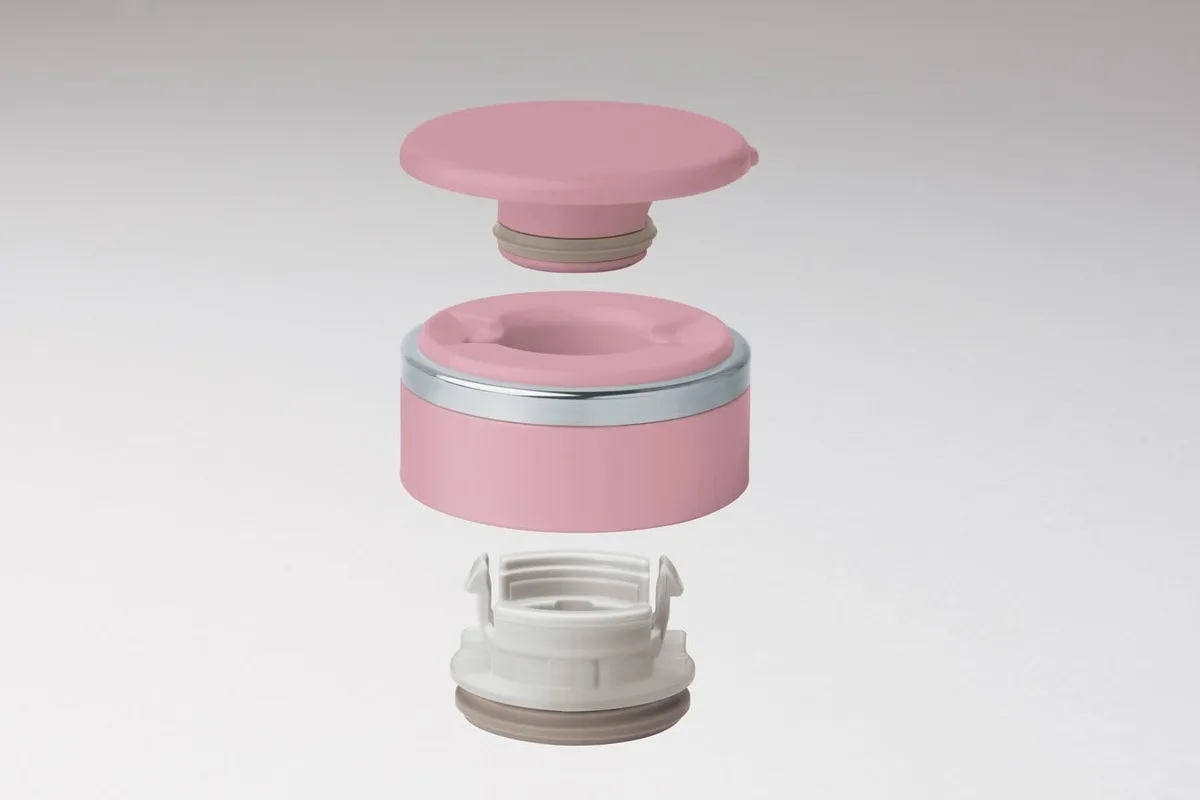
The gasket is the prime odor holder. If yours is removable, take it off every time you deep clean. If it is not removable, run hot water through the seal area and use a thin brush.
Putting the lid back on while wet
Dampness under the lid is a mold incubator. After cleaning, let the lid air dry separately for at least a few hours, preferably overnight.
Using the dishwasher for plastic mugs
High heat can warp plastic lids and degrade the seal. The top rack might be okay, but hand washing extends the life of plastic components. Check the manufacturer's label.
How to Keep Your Travel Mug Fresh: Daily Habits That Work
A little daily care prevents the rancid buildup. It is much easier than fighting a full odor later.
Rinse immediately after use
Do not let coffee sit in the mug for hours. Even a quick hot water rinse removes most oils before they stick.
Dry with the lid off
Store your mug with the lid separated or at least open. Trapped moisture is the number one cause of musty smells.
Weekly deep clean
Pick one method from the step-by-step above and do it every seven to ten days. Rotate between a baking soda soak and a denture tablet fizz to keep things fresh.
Replace gaskets when they start to smell
Silicone gaskets wear out after about six months of daily use. Some brands sell replacement gaskets. If your lid has a permanent seal and the smell will not leave, consider replacing just the lid.
Use separate mugs for different drinks
If you use the same mug for coffee and tea, flavors can mix. Better to dedicate one mug for coffee and another for water or tea.
Consider upgrading to stainless steel
If you keep fighting plastic mug smells and losing, it might be time to switch. Stainless steel mugs with removable gaskets consistently come out on top in user reviews for staying odor-free long term. Many users report that a quality stainless steel mug lasts for years without developing any coffee smell, as long as the lid gasket is cleaned regularly.
Frequently Asked Questions
Why does my travel mug still smell after washing with soap?
Soap alone does not break down coffee oils. It removes surface grime but leaves the rancid oil film behind. You need an alkaline or acidic soak (baking soda, vinegar, or denture tablets) to dissolve those oils.
Scrub the gasket separately.
Can I put my travel mug in the dishwasher to remove odor?
Dishwashers work for stainless steel mugs without plastic lids. But high heat can warp plastic lids and degrade silicone gaskets. If your lid is dishwasher safe, run it on the top rack.
Hand washing gives you more control and extends the mug's life.
How often should I deep clean my travel mug?
Deep clean every one to two weeks if you use it daily. For plastic mugs, stick to once a week. For stainless steel, every two weeks is fine.
If you notice a smell before that, clean it right away. Daily hot water rinses help stretch the time between deep cleans.
Is it safe to use bleach in my travel mug?
Bleach is safe only for stainless steel mugs with no aluminum parts. Use a very dilute solution (1 teaspoon per gallon of water). Soak for 15 minutes max.
Rinse thoroughly until no bleach smell remains. Never use bleach on plastic, ceramic, or aluminum liners.
What if the smell comes from the lid gasket and it is not removable?
Try running hot water through the seal area while pressing the gasket to create flow. Use a thin brush or pipe cleaner to scrub the groove. If the smell persists after multiple attempts, the gasket has likely absorbed the odor permanently.
Replacement lids are available for many brands.
When should I just buy a new travel mug?
If you have tried several cleaning methods and the smell will not leave, especially from a plastic mug or a non-removable gasket, it is time to replace it. Plastic mugs have a typical lifespan of three to five years. Stainless steel mugs can last a decade or more with proper care.

Similar Posts