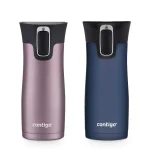
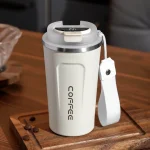
Find Your Ideal Travel Mug for Every Journey
A travel mug is a mini insulation system. If you commute daily, a mug that loses heat after two hours means lukewarm coffee by the time you park. If you hike, weight and packability matter more than cup holder fit.
If you fly, the lid design decides whether your bag survives.
Insulation performance follows ASTM standards. Many mugs advertise "keeps hot up to 12 hours." Real world conditions like opening the lid, cold air, and skipping a pre-heat cut that in half. Manufacture specs confirm that a pre-heated mug holds heat 30% longer.
Small habits make a biff difference.
Material matters too. Stainless steel is tough but can give a metallic taste with tea or acidic coffee. Ceramic lined mugs taste neutral but are heavier and more fragile.
Plastic mugs are light but lose temperature fast.
The 4 Travel Mug Types That Cover 95% of Travelers
You can ignore the dozens of niche designs. The real choices fall into four categories:
| Type | Best For | Tradeffs |
|---|---|---|
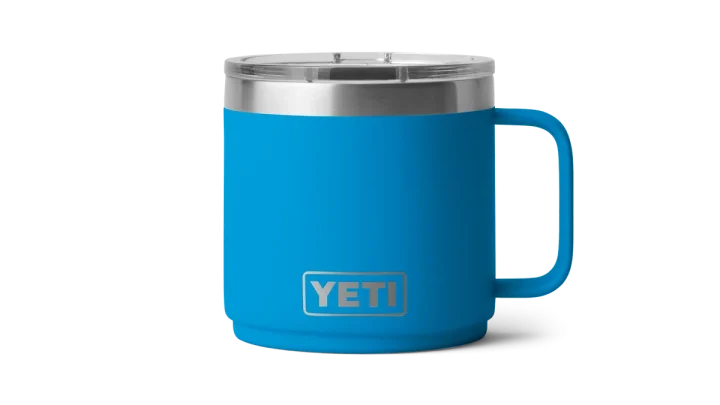
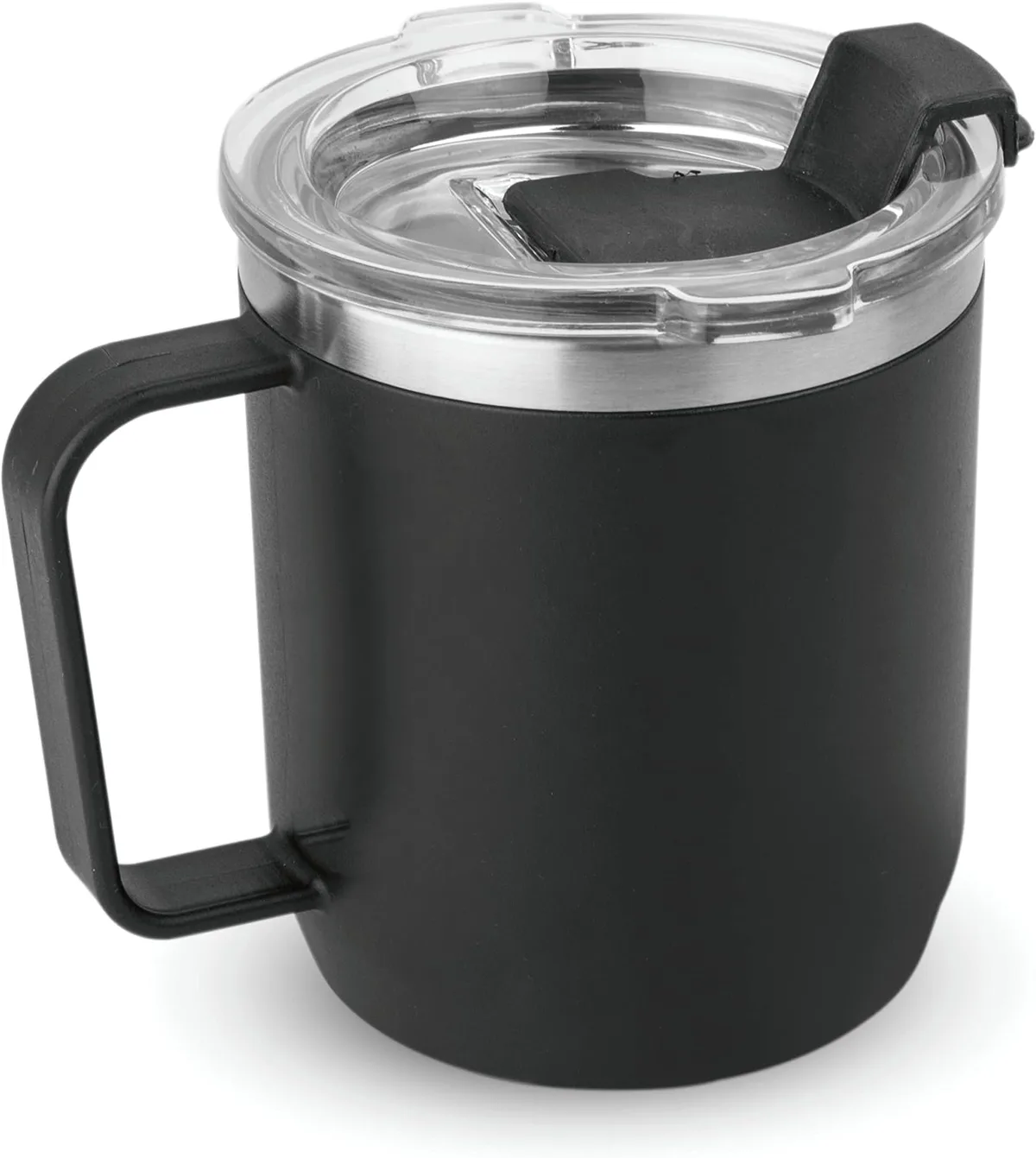
| Classic Insulated Travel Mug (stainless steel, doube wall) | Daily commuting, road trips | Heavier, metal taste possible |
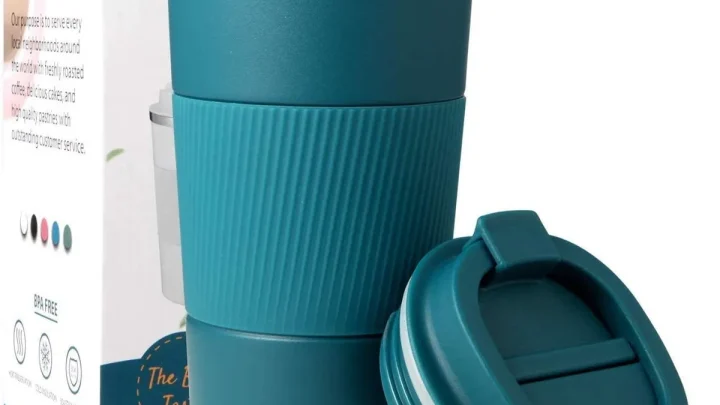
| Ceramic Lined Travel Mug | Coffee/tea lovers, office workers | Heavier, can break if dropped |
| Lightweight Plastic Mug | Backpacking, air travel (empty) | Poor heat retention, lid seals weker |
| French Press / Pour Over Integrated Mug | Cmping, specialty coffee lovers | Bulkier, harder to clean |
Which one wins? It depens on your main use. For a commuter who wants hot coffee for 40 minutes and drinks from a cup holder, stainless steel insualted is the clear winner.
For a hiker who wants to bre fres coffee on trail, the integrated pour over makes sense.
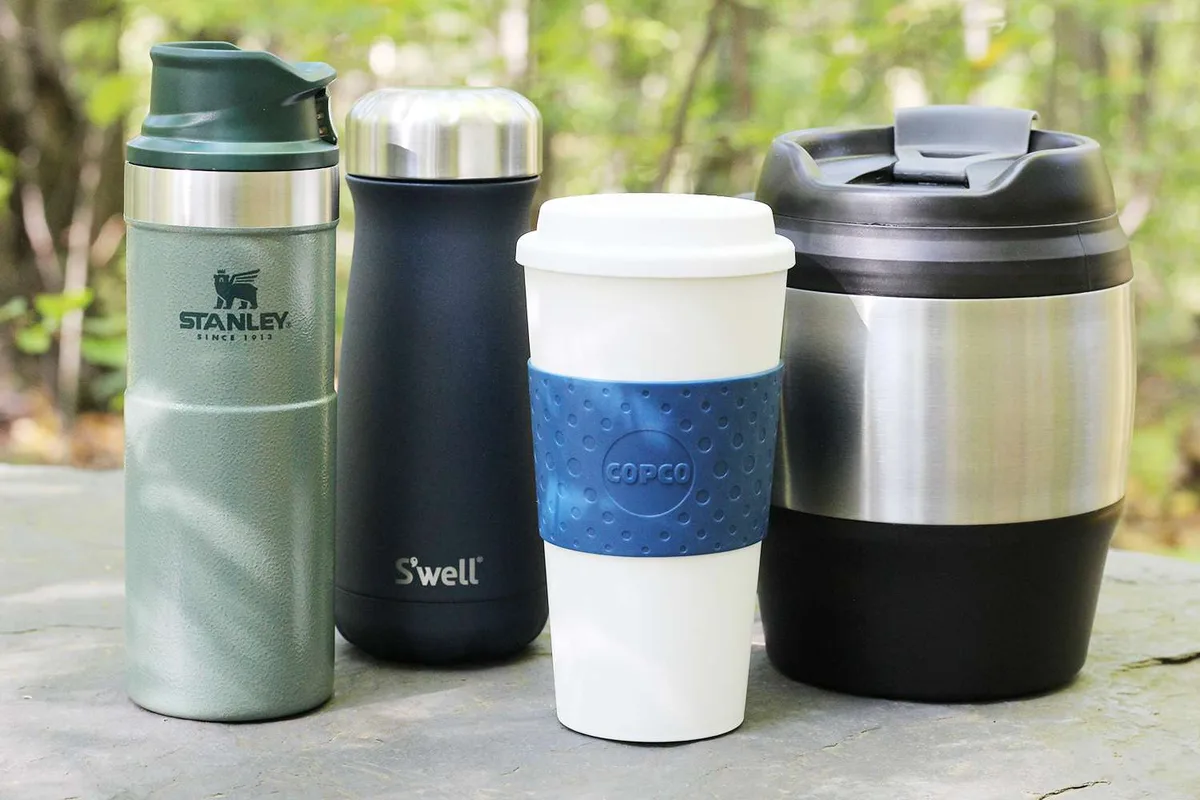
Most travelers own two mugs. A heavy duty insualted one for the car. A light weight one for flights or hikes.
That way you do not compromize.
What to Look For: Lid Design, Insulation, and Cup Holder Fit
These three factors make or break a travel mug.
Lid Design
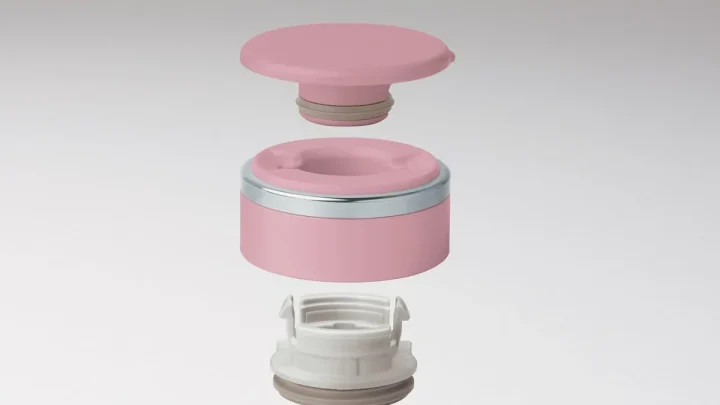
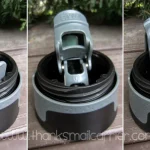
The lid is the most common failure point. A twist lock lid is the most leak proof but needs two hands to open. A slide lock lid works with one hand but can leak if the seal wears.
A press fit lid is easiest to use but least reliable.
If you are driving, a one hand operation lid with a locked seal is best. If you are back packing, a twist lock lid that will not pop open in your pack is mandtory.
Insulation
Double wall vacuum insualtion is the gold standard. Some mugs add a third layer or copper lining. Verified buyer reports show a 5% to 10% improvment in heat retention.
Not a game changer but nice for extreme conditions like camp ing in below freezing temps.
The real test: fil the mug with boiling water, close it, and check after 4 hours. If it is above 140°F (60°C), it is good. Below that, it is only useful for short commutes.
Cup Holder Fit
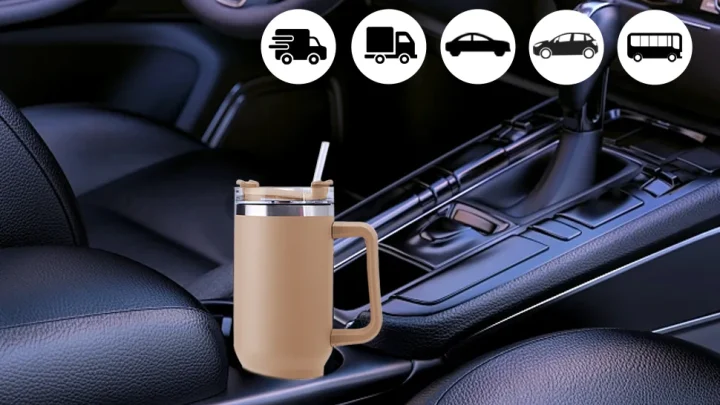
Most car cup holders accept mugs with a base diameter of 2.8 to 3.2 inches. Mugs wider than 3.5 inches often do not fit. Check the base dimensions in the product specs.
Some mugs taper to fit. Others are straight sided and may wedge in.
If you drive a small car or use a cup holder with a raised ring, measure it. A mug that rocks is annoying. One that does not fit at all is useless.
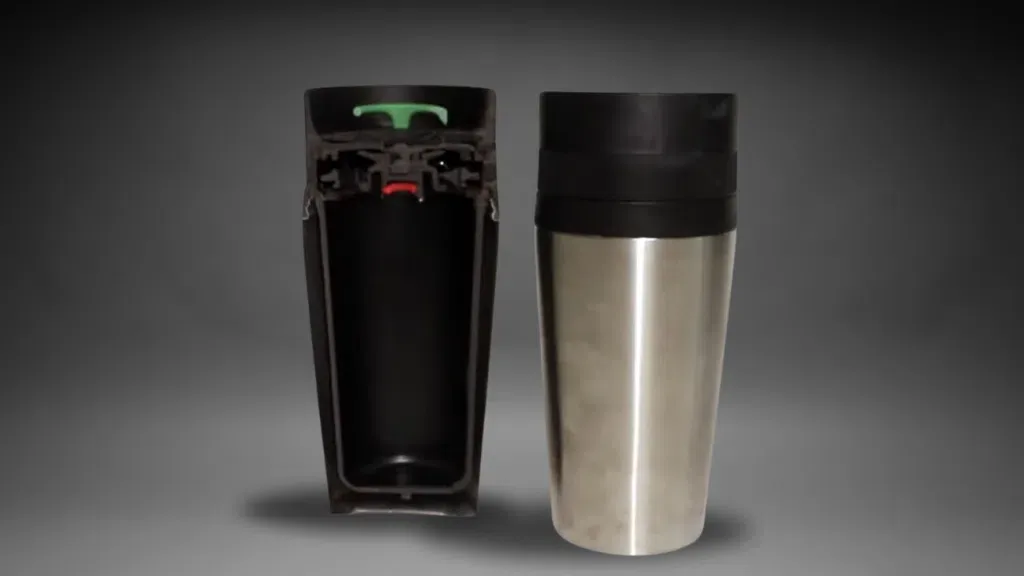
Travel Mug Comparison: Best for Commuting, Hiking, Flying, and Road Trips
Now lets match mug types to specific situations.
Commuting (Car or Train)
Your priorities are heat retention, cup holder fit, and one hand operation. A 16 oz stainless steel double wall insualted mug with a slide lock or one hand buton lid is ideal. Look for a tapered base to fit most cup holders.
Expect to pay $20 to $40.
Hiking / Backpacking
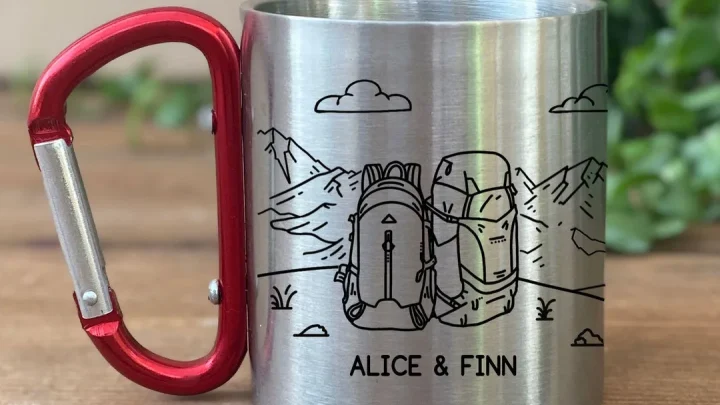
Your priorities are light weight, packability, and a leak proof lid that will not open in a bag. A 12 oz double wall stainless steel mug is a good compromise. Hikers often prefer a plastic mug (8 to 10 oz) to save weight but be prepared for cooler drinks unless you drink fast.
A twist lock lid is safer than a slide lock. Expect to pay $15 to $30.
Flying (Air Travel)
TSA rules say the mug must be empty through security. After you pass, you can fill it at a coffee shop. Priority is a leak proof lid (twist lock or press fit with silicone seal) and light weight material.
A stainless steel mug under 12 oz works fine. Avoid mugs with handles. They take up space.
Expect to pay $15 to $30.
Road Trips
Your priorities are large capacity (20 to 24 oz), durability, cup holder fit, and easy cleaning. Stainless steel double wall is the only real option. Look for a mug with a handle or a grippy surface.
Expect to pay $25 to $50.
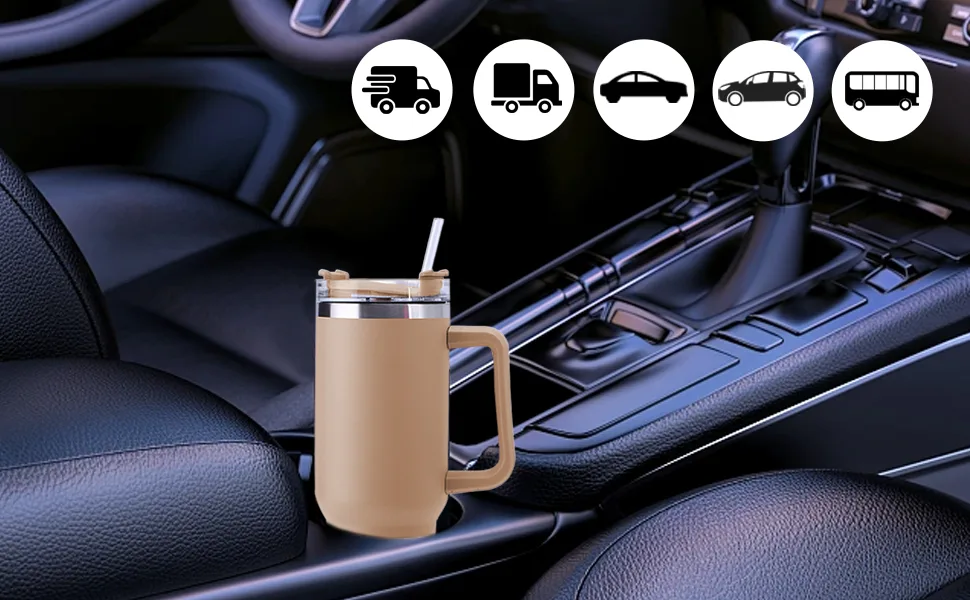
Side by Side Quick Matches
| Use Case | Recommended Type | Key Feature |
|---|---|---|
| Commuting | 16 oz insualted, slide lock lid | Cup holder fit, one hand |
| Hiking | 12 oz insualted, twist lock lid | Light, leak proof |
| Flying | 12 oz or less, any leak proof lid | Empty through security |
| Road Trip | 20 24 oz insualted, handle or grip | Long capacity, durable |
Three Mistakes Travelers Make When Choosing a Travel Mug
Even experienced buyers get tripped up. Here are the three most common errors.
Mistake 1: Choosing Lid Design Based on Looks
People pick a mug because the lid looks sleek or easy. They discover it leaks in a bag or needs two hands at a red light. The lid is the most functional part.
If you commute by car, a one hand slide lock is essential. If you back pack, a twist lock is safer. Do not prioritize asthetics over usability.
Mistake 2: Ignoring Cup Holder Dimensions
You woud be surprised how many 20 ounce mugs are too wide for standard car cup holders. A mug that does not fit wobbles or tips over. Measure your cup holder diameter before buying.
Most cars accept 2.8 to 3.2 inches. Some trucks accept larger mugs. Check the product specs for base width.
A tapered design helps but is not guaranteed.
Mistake 3: Assuming All Insulation Is Equal
Double wall vacuum insualtion is not a single standard. Some brands use copper lining or triple walls for marginal gains. The real variable is the vacuum seal quality.
A cheap mug may lose heat after two hours. A premium mug holds hot for six to eight hours. Check independent test results or verified user reports.
Do not rely on marketing claims like "keeps hot all day." Real world performance depends on pre heating, ambient temperature, and lid opening frequency.
The Smart Choice: How to Pick Your Ideal Travel Mug
By now you know the variables. Here is how to narrow it down in three steps.
Step 1: Define Your Primary Use Case
Are you commuting, hiking, flying, or road tripping? Pick one main scenario. That decides the capacity, lid type, and weight.
If you do multiple things, get two mugs. Do not try to please all uses with one compromise mug.
Step 2: Decide on Material and Insulation Level
If you care about taste (coffe, tea), pick ceramic lined or glass. If you want durability, go stainless steel. If weight matters most, plastic is fine for short trips.
For insualtion, double wall vacuum is the minimum. Triple wall or copper lining is optional but adds cost and weight.
Step 3: Verify Fit and Lid Reliability
Check cup holder dimensions. Read lid reviews for leak reports. If possible, test the lid in a store.
A mug that fits your car, seals tight, and matches your drinking style is the winner.
Here is a quick decision table:
| If You | Choose | Avoid |
|---|---|---|
| Commute by car | 16 oz insualted, slide lock lid | Wide mouth, no cup holder fit |
| Hike / back pack | 12 oz light weight, twist lock lid | Heavy mug, fragile ceramic |
| Fly often | 12 oz insualted, 100% leak proof | Handle mugs, bulky designs |
| Road trip | 20 24 oz insualted, durable build | Small capacity, fragile lids |
Final advice: spend a little more on a reputable brand. A $15 mug can work. A $30 mug often lasts years longer.
Verified buyer reports confirm that mid range mugs offer the best balance of performance and longevity.
Frequently Asked Questions
What size travel mug is best for daily commuting?
A 16 ounce mug hits the sweet spot. It holds enough coffee for a 30 to 45 minute commute without being too bulky. Smaller mugs (12 oz) work for shorter trips.
Larger mugs (20 oz) are better for road trips but may not fit cup holders.
Are ceramic lined travel mugs worth the extra cost?
Yes, if you care about taste. Ceramic lining eliminates the metallic flavor that stainless steel can give. They are heavier and more fragile though.
For coffee or tea lovers, the flavor improvment justifies the price. For casual drinkers, stainless steel works fine.
Can I put a travel mug in the dishwasher?
It depens on the manufacturer. Many stainless steel mugs are dishwasher safe. But lid seals and exterior finishes can degrade.
Hand washing extends the life. Check the product manual. Ceramic lined mugs usually tolerate dish washers better than metal ones.
How do I clean a travel mug thoroughly?
Use a botle brush with warm soapy water. Pay special attention to the lid gasket where residue builds up. Soak in baking soda and water for stubborn stains.
Dry completely before storing to prevent mold. Avoid bleach on silicone seals.
Do travel mugs keep drinks cold too?
Yes. Double wall vacuum insualtion works both ways. A quality mug keeps iced drinks cold for 12 to 24 hours.
The same principles apply. Pre chill the mug. Use plenty of ice.
Keep the lid closed.
What is the best travel mug for hiking?
A 12 ounce stainless steel double wall mug with a twist lock lid. It is light weight, durable, and leak proof. Avoid ceramic or glass for the trail.
Plastic is lighter but loses temperature fast. Look for a mug that fits in a side pocket of your back pack.

Similar Posts