Reusable Coffee Cups: Are They Really Worth It?
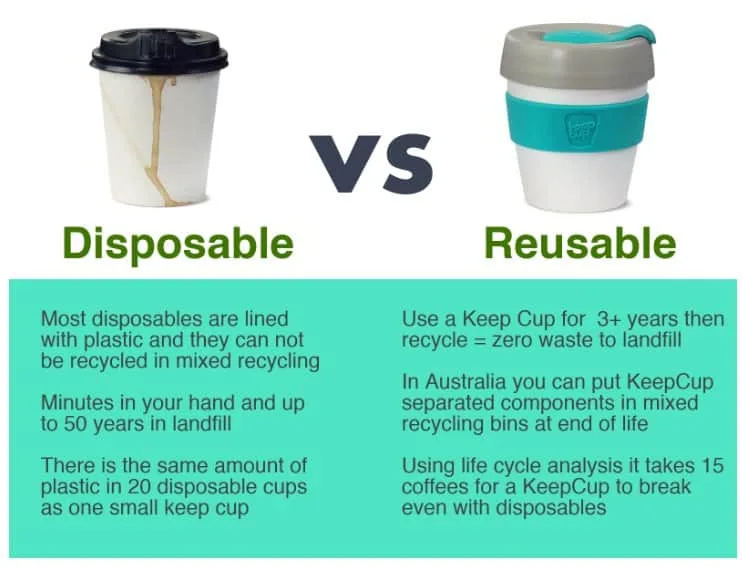
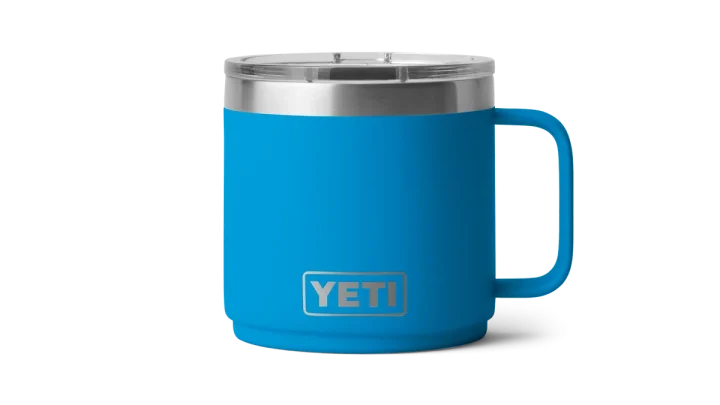
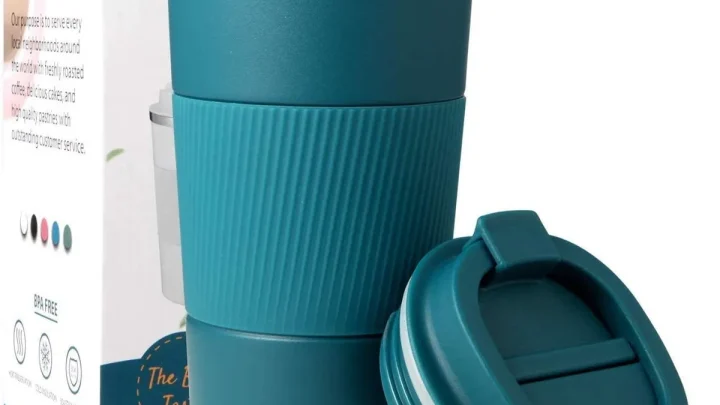
Are reusable coffee cups worth it? The answer depends on your habits, your local coffee shop, and what you actually value. You've seen them everywhere: glass cups with silicone sleeves, stainless steel tumblers, collapsible travel mugs.
They promise savings and sustainability. But the real numbers vary wildly.
A lifecycle analysis from the UK Environment Agency found that a ceramic cup offsets its manufacturing emissions in about 30 uses. A stainless steel one takes around 150. Let's break down the financials, the enviornmental impact, and the biggest factor of all: whether you'ill actually remember to bring it.
Quick Answer
Yes, for most regular coffee drinkers. You just need to use it consistantly. A $25 cup pays for itself in under three months with a 25 cent daily discount.
The enviornmental breakeven comes fast for ceramic and glass. The real challenge isn't the cup. It's remembering to bring it.
The Real Question: What Does "Worth It" Actually Mean?
When people ask if reusable cups are "worth it", they usually mean one of three things. Will I save money? Is it greener?
Will I actually use it? These don't always align.
Financially, a $20 cup with a 25 cent daily discount pays for itself in 80 visits. That's roughly three months of daily use. Forget the cup half the time, and the payback stretches to six months or more.
On the enviornmental side, a reusable cup avoids the plastic lining and paper waste of disposables. But manufacturing it has an upfront carbon cost. The breakeven point depends on the material.
Glass and ceramic need fewer reuses. Stainless steel needs more but lasts much longer.
Convenience is the wildcard. A cup that leaks or doesn't fit under your espresso machine winds up in a cabinnet. That's where the material choice matters most.
Reusable vs. Disposable: A Side-by-Side Look at the Numbers
Here's how the numbers stack up between a single-use paper cup and a standard reusable one.
| Factor | Single-Use Paper Cup (12 oz) | Reusable Cup (12 oz, varies by material) |
|---|---|---|
| Cost per use (no discount) | $0.02 – $0.05 (cup cost to cafe, included in drink price) | $0.00 after purchase (plus washing costs) |
| Typical retail price | Free with drink | $12 – $40 |
| Lifespan | One use | 2–5 years |
| Uses to break even (financial, no discount) | N/A | 300+ uses (assuming $20 cup, no discount) |
| Uses to break even (with 25¢ discount) | N/A | 80 uses |
| Weight (empty) | ~10 grams | 200–400 grams |
| Recyclable | Mostly no (plastic lining) | Yes (if materials separated) |
| Carbon footprint per use (after break-even) | Lower than reusable up to ~30 uses for ceramic | Lowr after break-even + ongoing use |
The financial break-even is modst but real. The enviornmental break-even is achievable with consistant use. The convienince factor?
That's where choosing the right material matters most.
Material Showdown: Stainless Steel, Glass, Ceramic, Plastic – Which One Wins?
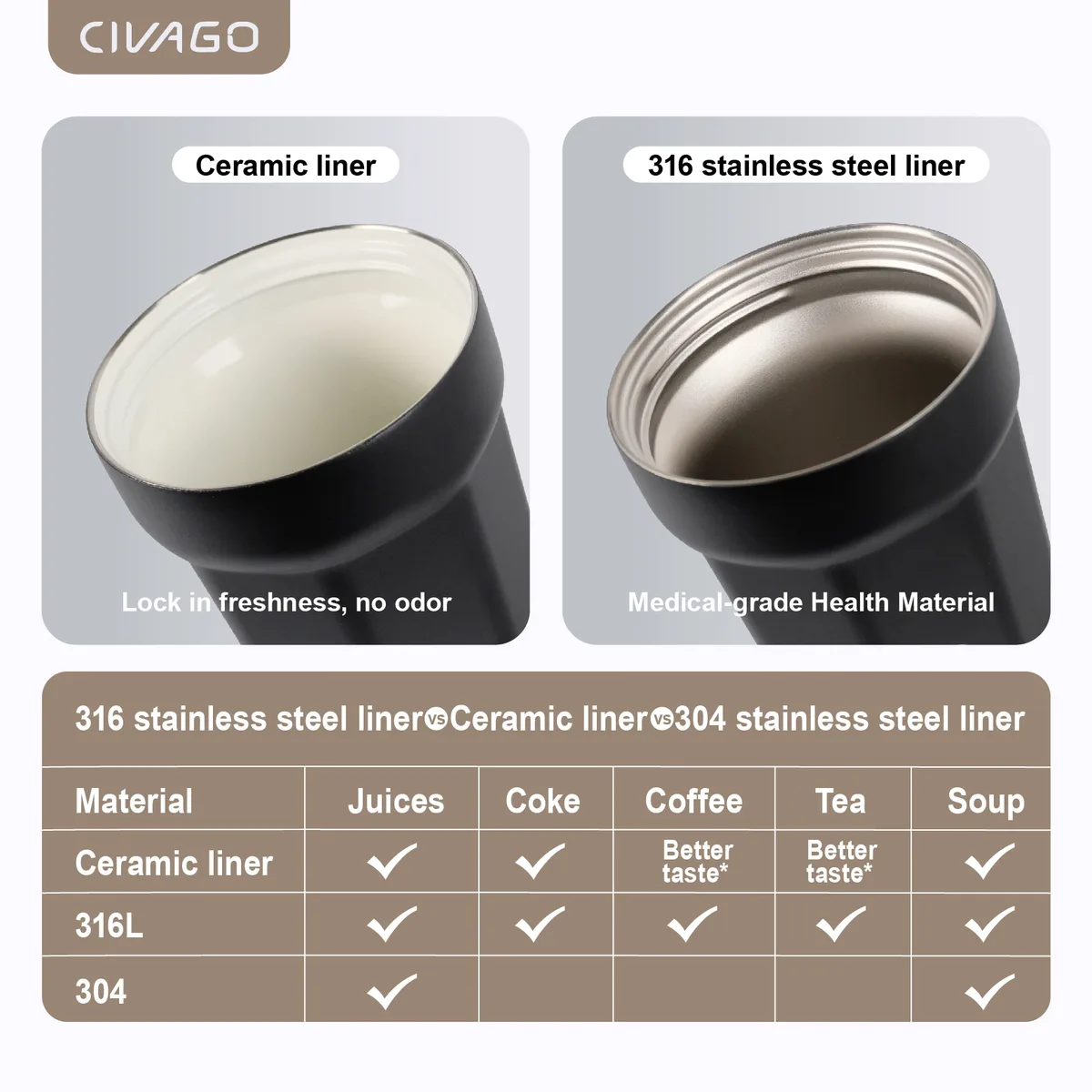
The material you choose effects everything: heat retention, taste, weight, and lifepan. Here's the breakdown.
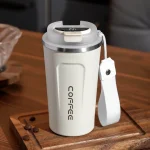
Stainless steel is the workhorse. Double-wall insulated models keep drinks hot for hours. They're durable and easy to clean.
The downsise? Some people deteckt a metallic taste, and they're heavy. Best for commuters who need heat retention.
Glass cups feel like a real mug. No taste transfer, and they're microwavable if borosilicate. You can see the coffee inside.
They're heavier and can break if dropped. Best for desk use or slow mornings.
Ceramic tastes clean and looks great. It's usualy single-wall, so heat escapes fast. It chips easily.
Best for cafe sit-ins or short trips.
Plastic is lightweight and cheap. Tritan or polypropylene cups are durable and dishwaser-safe. They can retain oders and staining over time.
Best for travel when weight matters.
Our research shows glass and ceramic have the fastest enviornmental payback (around 30 uses). Stainless steel takes more uses but lasts much longer. The winner depends on whether you prioritize enviornment, durability, or taste.
The Hidden Savings: How Coffee Shop Discounts Change the Math

Coffee shop discounts change the math completely. Even 20 cents off per drink adds up fast.
Assume five coffees a week at 25 cents off each. That's $1.25 saved weekly, or $65 a year. A $25 cup pays for itself in 20 weeks and becomes pure profit after that.
Chains like Starbucks and many indepndant roasters offer this discout. It pays to ask.
Menu prices add up quickly. Our Nomad Library Menu with Prices page shows how everyday drink costs stack up. A reusable cup turns those daily lattes into a small savings over time.
The Biggest Hurdle: Why Most People Quit (and How to Actually Stick with It)
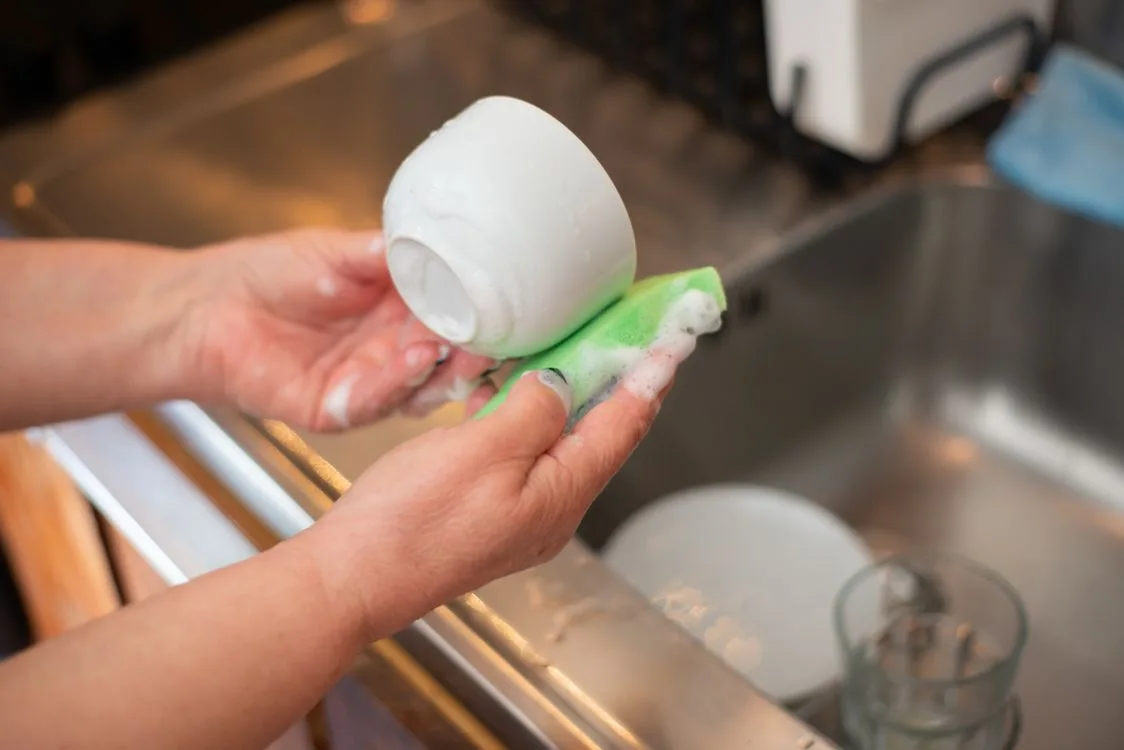
Most people quit because they forget the cup. The second reason is it gets gross.
A cup left in the car develops that sour milk smell. Silicone seals trap old coffee stains. The fix is simple but takes routine.
Here are practical ways to stick with it:
- Leave it by your keys or bag. Attach it to your backpack. A ten-second habit beats trying to remember.
- Keep a spare at work. A second cup at the office means you're never caught without one.
- Rinse immediately after use. Hot water right after your coffee stops stains from setting. A full wash with baking soda once a week removes deep oders.
- Choose a leak-proof lid. Screw-on lids are more durable than press-fit. They're harder to clean but seal better.
- Commit to one cup type. Jumping between different cups makes it harder to build a consistent habit.
Agressive reviews show that the most successful owners treat the cup like a wallet or phone. It becomes part of the daily carry. If it doesn't, it becomes clutter.
See our affiliate disclaimer for our full disclosure on product links.
Best for Your Lifestyle: Who Should Buy One – and Who Should Skip It
A reusable cup isn't right for everyone. Match your habits to the right choice.
Buy one if:
- You buy coffee out at least three times a week.
- You already carry a water bottle or bag daily.
- Your local cafe offers a discount for personal cups.
- You want to reduce single-use waste long term.
Skip it if:
- You drink coffee at home or from the office mug.
- You rarely remember to bring items with you.
- You only buy takeaway coffee once or twice a month.
For the modrate user, the payback period stretches past a year. That's still value, but the convienince hurdle gets higher. A $15 collapsible silicone cup in your bag is a low-risk middle ground.
It takes almont no space and cuts the financial risk if you forget it.
Quick Answers to Common Questions
How many times do I need to use a reusable cup for it to be worth it?
For a $25 cup with a 25 cent daily discount, you break even in 100 uses. Without a discount, you need roughly 300 to 500 uses. The enviornmental break-even for a ceramic cup is about 30 uses.
Does Starbucks fill reusable cups?
Yes. Starbucks accepts personal cups for in-store and drive-thru ordrs. They offer a 10 cent discount in the US and 25p in the UK.
The barista uses a reusable cup for takeway or a ceramic mug for dine-in.
Are reusable cups really better for the enviornment?
Yes, but only if you use them consistantly. A single reusable cup's manufacturing footprint is higher than one disposable cup. After around 30 to 150 uses, depending on material, the reusable cup becomes the greener choice.
Can I put a reusable cup in the dishwaser?
It depends on the material. Glass and most ceramic cups are dishwasher-safe. Stainless steel works fine on the top rack.
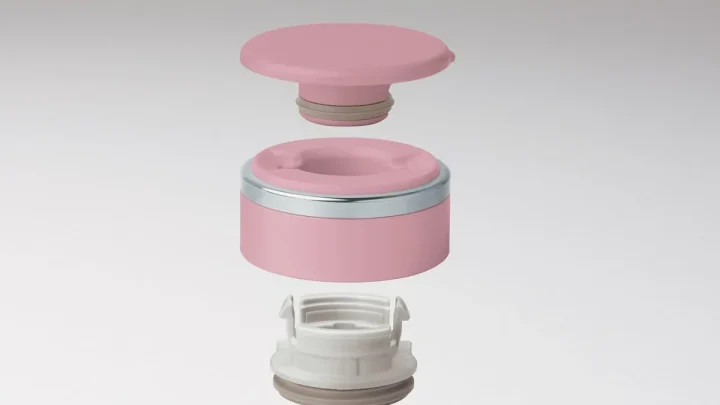
Plastic and silicone lids can warp or degrad over time. Check the manufacturer's care label.
What's the best reusable cup for hot drinks?
For heat retention, double-wall stainless steel wins. For taste and zero metallic flavor, borosilicate glass is excellent. For lightweight portability, Tritan plastic is the winner.
The best choice depends on your priority.
Do reusable cups fit under espresso machines?
Not always. Many espresso machines have low clearance. A short wide cup fits better than a tall tumbler.
Check the machine height at your regular cafe before buying. Some brands like KeepCup offer a barista edition with a slimmer base.
The Bottom Line: Is a Reusable Coffee Cup Worth It for You?
If you buy coffee out three or more times a week, and you can build the habit of bringing your cup, the answer is yes. You'll save money, reduce waste, and drink from a proper cup. The breakeven point is quick.
If you're an occasional buyr, the numbers are tighter. The enviornmental benefit is stil real, but you'll need to be disciplined. A $15 collapsible cup in your bag is a low-risk way to test.
The US EPA estimates that nearly 50 billion disposable coffee cups end up in landfils each year in the United States alon. One cup won't fix that. But consistant use by enough people does add up.
Our advice: start with an affordable cup. Use it every day for a month. If you love it, upgrade to a nice insulatd model.
If you keep forgetting, you're only out a few dollars. It's a small bet on a better habit.

Similar Posts