The Perfect Moka Pot Grind Size Explained
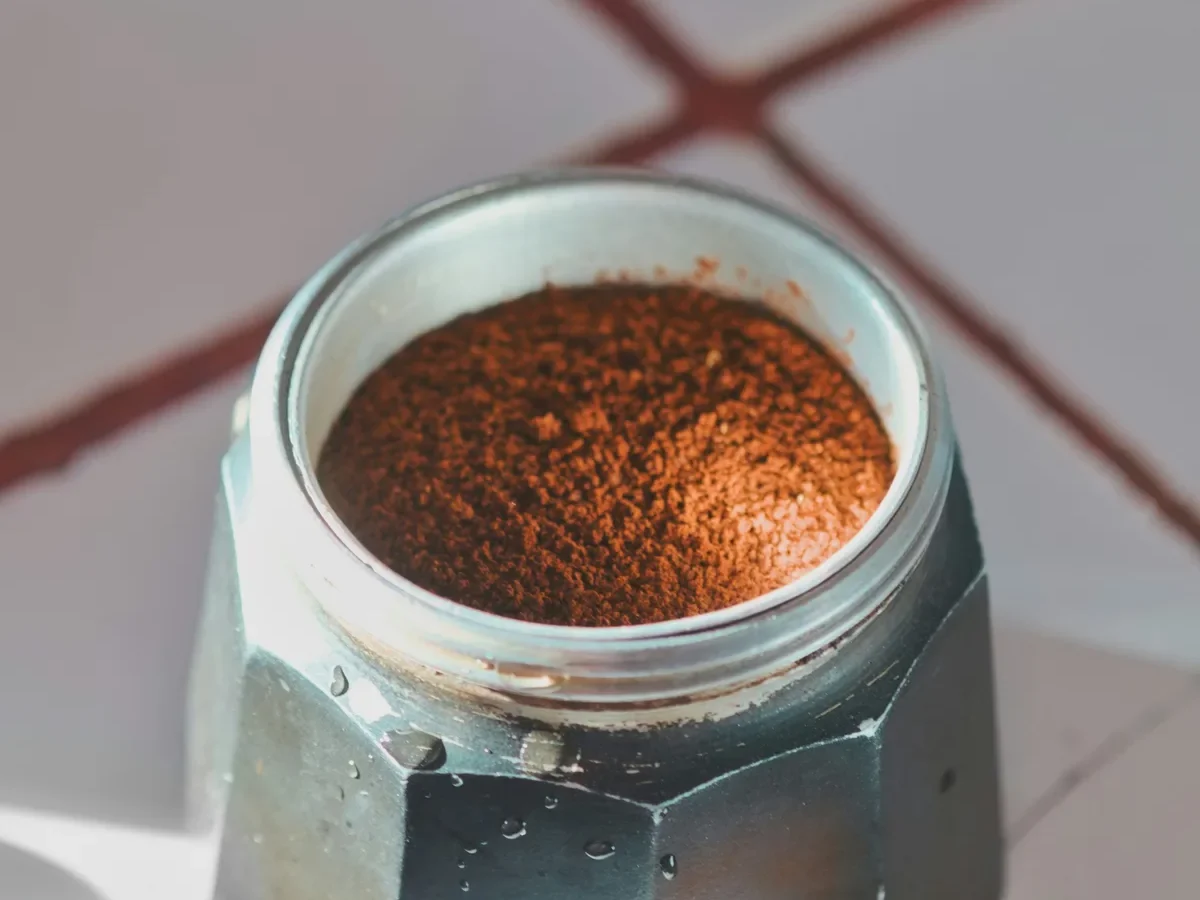
If you’ve ever asked yourself what grind size for moka pot, you’re not alone. The answer isn’t one-size-fits-all. Get it wrong and your morning brew turns bitter, sour, or sputters all over the stove.
The good news is you can dial it in with a few simple tweaks.
Bialetti’s official guidance calls for a medium-fine grind, roughly the texture of table salt. But as of 2026, specialty coffee research shows that roast level, altitude, and even your specific pot size shift that ideal. Let’s walk through how to find yours.
Quick Answer
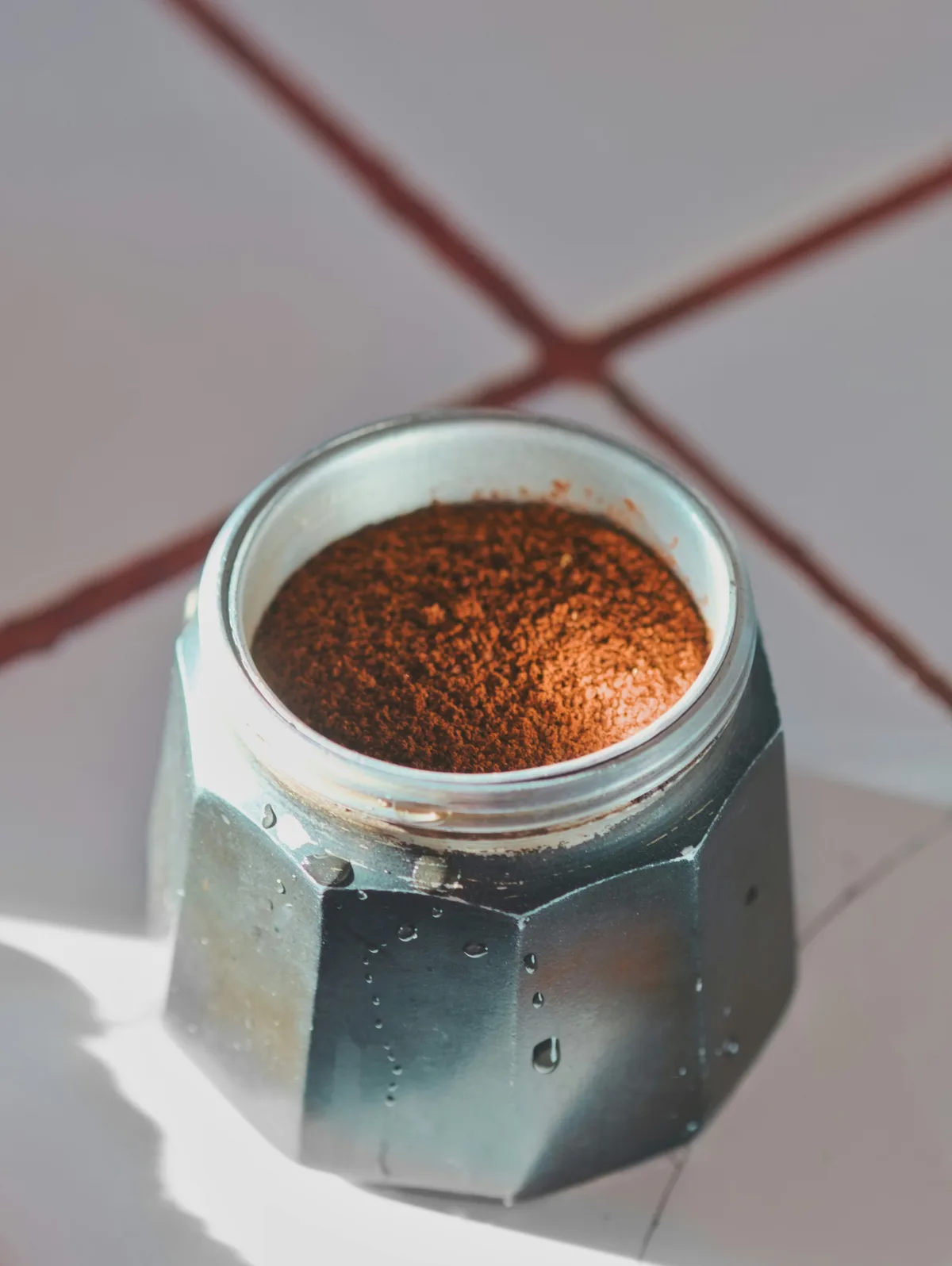
Use a medium-fine grind, like table salt. For dark roasts, go slightly coarser. For light roasts, go slightly finer.
Adjust by taste. If it’s bitter, go coarser. If it’s sour, go finer.
Most moka pots brew best in 4 to 5 minutes.
Why Your Moka Pot Coffee Tastes Off (And It’s Probably the Grind)
Your moka pot brew should be rich, smooth, and slightly syrupy. When it’s not, grind size is the first thing to suspect.
Bitter, harsh coffee usually means the grind is too fine. The water struggles to push through. It over-extracts the grounds and scorches the flavors.
You might also see slow drips or a gurgling finish.
Sour, weak coffee points to a grind that’s too coarse. Water rushes through too fast. It pulls out only the bright acids before the sugars and oils dissolve.
The result is thin and sharp.
Sputtering, uneven flow? That’s often a too-fine grind clogging the filter plate. But it can also mean inconsistent particle sizes, a common problem with blade grinders.
Consistent feedback across user forums suggests that most moka pot issues trace back to grind quality. Once you fix that, other variables like heat and water amount become minor adjustments.
What Grind Size Actually Does in a Moka Pot – Roast, Altitude, and Pot Size Matter
The moka pot uses steam pressure to force water through a coffee bed. Grind size controls how fast that water flows.
Too fine: the bed packs tight. Pressure builds and water channels through small gaps. You get uneven extraction and a burnt aftertaste.
Too coarse: water zips through. Much of the coffee stays untouched. You lose body and sweetness.
But those rules shift depending on what you’re working with.
Roast level changes everything. Dark roasts are more porous and extract faster. They need a slightly coarser grind (toward medium) to avoid bitterness. Light roasts are denser and need a finer grind (toward fine) to pull out enough flavor.
Medium roasts sit right in the middle.
Altitude matters more than people think. At higher elevations, water boils at a lower temperature. Lower brew temperature means slower extraction. To compensate, you may need a slightly finer grind to get enough flavor out before the pot finishes brewing.
If you live above 4,000 feet, start one or two notches finer on your grinder.
Pot size affects contact time. A single-cup moka pot has a small coffee bed and brews faster than a 6-cup version. Smaller pots often benefit from a finer grind to slow flow and boost extraction. Larger pots can handle a coarser grind because the bed is deeper and contact time is longer.
Your Grind Size Decision Tree – Start Here Based on Taste
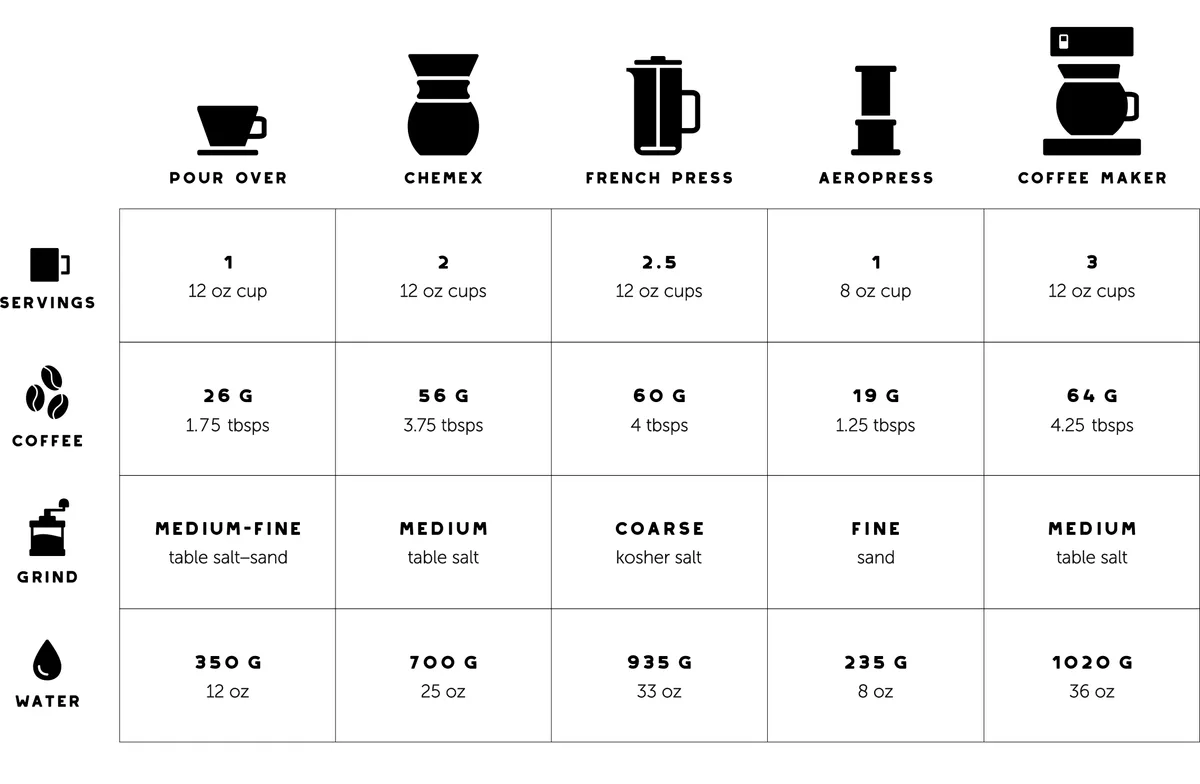
Instead of guessing, work through this simple decision tree. You’ll know the answer after one or two brews.
Step 1: Is your coffee bitter?
If yes, the grind is likely too fine. Go coarser by one or two clicks on your burr grinder. If no, ask the next question.
Step 2: Is your coffee sour or weak?
If yes, the grind is probably too coarse. Go finer by one or two clicks. If no, your grind might be correct.
Check other variables like water temperature, bean freshness, or pot cleanliness.
Step 3: Does the brew sputter or drip very slowly?
If yes, the grind might be too fine and causing a clog. Go coarser. Also check the gasket and filter plate for blockages.
If no, proceed to taste adjustment.
Step 4: Does the brew finish in under 3 minutes for a 3-cup pot?
If yes (too fast), the grind is likely too coarse. Go finer. If no (takes 4 to 6 minutes), you’re in the right ballpark.
Fine-tune by taste.
This decision tree works for any roast, any altitude, any pot size. It’s based on extraction principles confirmed by Specialty Coffee Association research. If you’re still off after two adjustments, your grinder may lack consistency.
The 3-Brew Dial-In Method – How to Adjust Fast
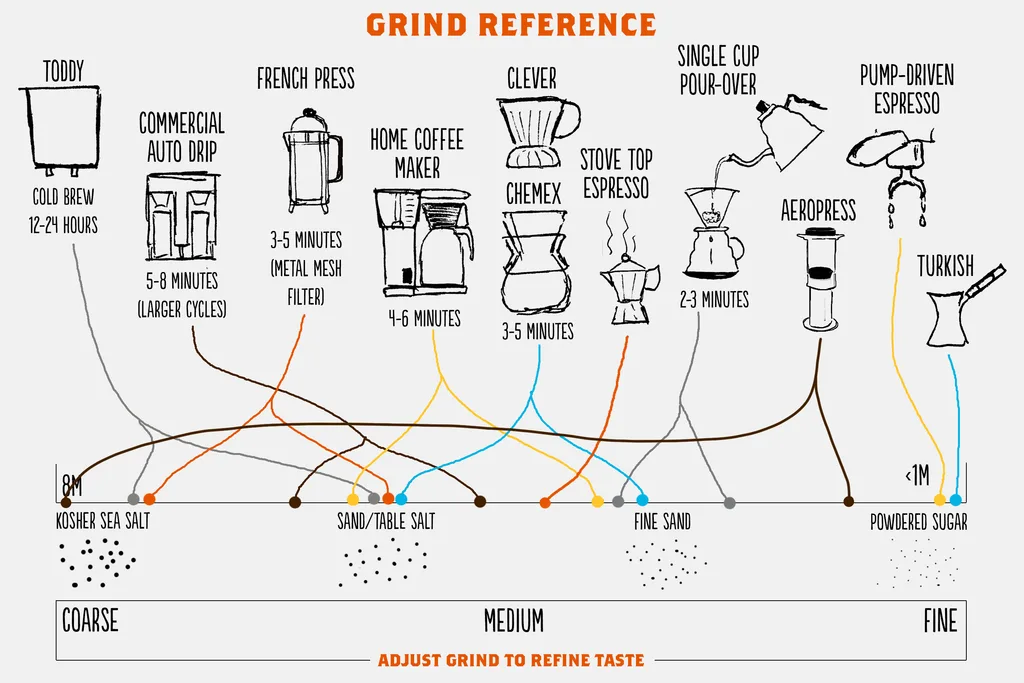
You don’t need a science lab. Three brews are usually enough to find your sweet spot.
Brew 1, The baseline. Use a medium-fine grind. Set your burr grinder to around the middle of its moka range (e.g., 14 on a Baratza Encore). Brew normally.
Taste it.
If it’s bitter, go coarser for Brew 2.
If it’s sour, go finer for Brew 2.**
Brew 2, The adjustment. Change the grind by two full clicks or one full number on your grinder. Brew again. Taste side-by-side with Brew 1.
Better? Keep moving in that direction if needed.
Worse? Go back the other way by one click.**
Brew 3, The fine tune. Make micro adjustments, half a click or one click smaller than Brew 2. Brew and taste. This is where you nail it.
Three brews, about 15 minutes, and you’ll have a grind size that works for that specific bag of beans. When you open a new bag, recalibrate. Roasts and origins vary.
5 Common Grind Mistakes That Ruin a Batch (And How to Fix Them)
Even experienced brewers hit these. Avoid them and your moka pot coffee will improve overnight.
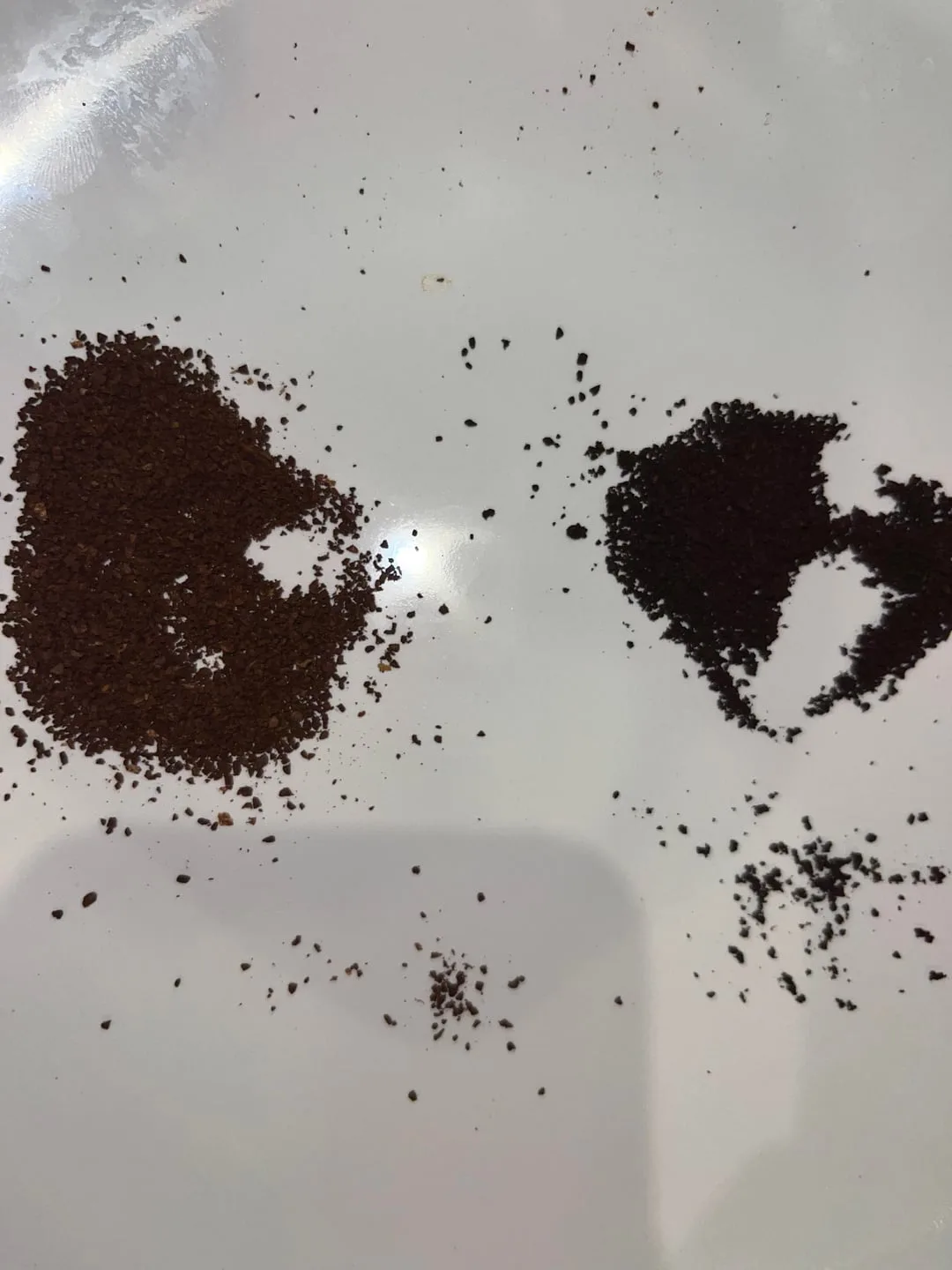
1. Using a blade grinder. Blade grinders smash beans into uneven pieces, you get fines and boulders. That leads to both bitter and sour flavours in the same cup.
Solution: buy a decent burr grinder. Entry-level electric models start around $50. Manual ones are even cheaper.
2. Grinding too fine for dark roasts. Dark roasts extract fast. A fine grind makes them bitter and ashy.
Solution: go one notch coarser than you would for a medium roast.
3. Grinding too coarse for light roasts. Light roasts resist extraction. Coarse grind leaves them sour and grassy.
Solution: go one notch finer than medium.
4. Not adjusting for altitude. High altitude needs finer grind. If you moved or travel with your pot, recalibrate.
5. Ignoring coffee freshness. Fresh beans degas for 3 to 14 days after roasting. Very fresh beans (under 3 days) need a slightly coarser grind because they release gas during brewing, slowing water flow.
Older beans (over 3 weeks) need finer to compensate for lost volatiles.
Expert Tweaks for Light Roasts, Dark Roasts, and High Altitude
If you’ve followed the decision tree and still aren’t happy, it’s time for targeted adjustments. These are based on solubility science.
For light roasts. These beans are dense and have less surface area. They need more heat and more time. Set your grinder one to two clicks finer than your medium roast setting.
Aim for a brew time of 5 to 6 minutes for a 3-cup pot. If the coffee tastes sour or grassy, go even finer next time. If it turns bitter, you overshot, back off slightly.
For dark roasts. Dark roasts are brittle and extract fast. Use a coarser grind, about two clicks coarser than medium. Brew time should be 3.5 to 4.5 minutes.
Too slow and you’ll get ashiness. Too fast and it’s thin. Dark roasts also benefit from lower water temperature.
Start with room-temperature water instead of hot.
For high altitude. Living above 4,000 feet? Water boils at around 203°F instead of 212°F. That lower temperature means less extraction power.
Compensate by grinding one notch finer than you would at sea level. Also consider pre-heating your water to just under boiling to give extraction a head start.
For very fresh beans. Beans roasted within 3 days off-gas aggressively. That gas slows water flow. If you notice slow drips and a bitter taste, try a slightly coarser grind, one click, to let water pass more freely.
These tweaks come from aggregate feedback from home brewers and SCA extraction guidelines. Make one change at a time. Taste after each.
One-Minute Grind Size Cheat Sheet – Quick Reference
Here’s the short version. Bookmark this if you need to.
| Roast Type | Grind Setting (Baratza Encore) | Texture | Brew Time (3-cup) |
|---|---|---|---|
| Dark roast | 16 – 18 | Fine table salt | 3.5 – 4.5 min |
| Medium roast | 14 – 16 | Fine table salt / coarse sand | 4 – 5 min |
| Light roast | 12 – 14 | Slightly finer than salt | 5 – 6 min |
| High altitude (any roast) | 1 notch finer than above | As above, but finer | Add ~30 sec |
No Baratza Encore? Use this rule: grind so it looks like table salt. A few larger granules are fine. If it looks like powdered sugar (too fine) or like sea salt flakes (too coarse), adjust.
Quick troubleshooting:
- Bitter → coarser by 1, 2 clicks.
- Sour → finer by 1, 2 clicks.
- Slow sputtering → coarser by 1 click.
- Fast watery brew → finer by 1 click.
That’s it. You can dial in a new bag of beans in less than two brews.
Frequently Asked Questions
What grind size for moka pot should I start with?
Start with medium-fine, roughly the texture of table salt. On most burr grinders, set it to about the middle of the moka range (14 on Baratza Encore). Brew a test batch.
Taste and adjust from there.
Is moka pot grind the same as espresso grind?
No, not exactly. Moka pot grind is slightly coarser than espresso. Espresso requires a very fine grind (like flour) to create high pressure.
Moka pot uses lower steam pressure. Using espresso grind will likely clog the filter and produce bitter coffee.
Can I use pre-ground coffee for moka pot?
Yes, but quality varies. Pre-ground moka pot blends are typically ground to medium-fine. If you buy pre-ground for drip, it may be too coarse and yield weak coffee.
If you buy pre-ground espresso, it’s too fine. Best to buy whole beans and grind fresh for each brew.
How do I know if my grind is too fine?
Signs: very slow drip (over 6 minutes for a 3-cup), sputtering from the top chamber, bitter taste, and coffee that looks dark and oily. Also check the basket after brewing, if it looks muddy or clogged, the grind is too fine.
How do I know if my grind is too coarse?
Signs: brew finishes in under 3 minutes, coffee tastes sour or watery, and the stream from the center tube is fast and lacking crema. The used grounds will look dry and crumbly, not like a compact cake.
Does the moka pot brand affect grind size?
Slightly. Bialetti pots have a specific filter plate design, but the grind range is the same across most brands. Cheaper off-brands may have coarser screens.
If you own a generic pot, start at medium-fine and adjust by taste as usual.
Should I tamp the coffee in a moka pot?
No. Never tamp the grounds in a moka pot. Just level the basket with a finger or a flat tool.
Tamping creates a dense puck that blocks pressure and leads to bitter, sputtering coffee. The moka pot uses steam pressure, not manual force.
How long should a moka pot brew take?
For a 3-cup pot, aim for 4 to 5 minutes total from when you place it on heat. Larger pots take longer (6-cup: 5, 7 minutes). If it finishes faster or slower, adjust grind size or heat level.

Similar Posts