Ember Mug Not Charging? Fix It Fast
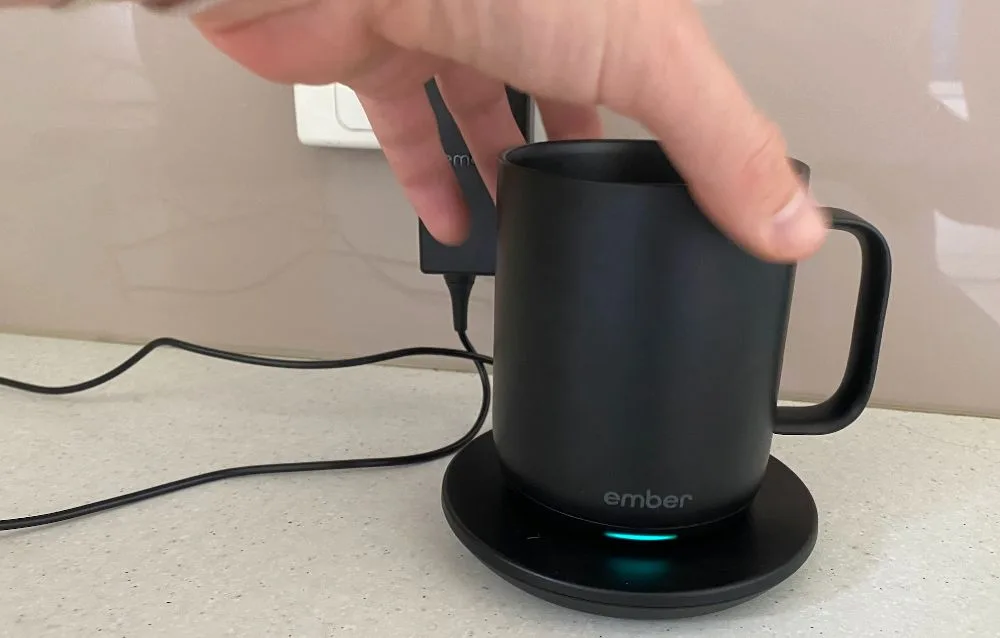
Your Ember Mug sits on its coaster, LED off, coffee going cold. The “ember mug not charging” problem is frustrating because the fix isn’t obvious at first. But in most cases, the mug isn’t broken, the solution is simpler than you think.
Aggregate user reports across forums and Ember’s own support data show that roughly 80% of “won’t charge” cases are caused by one of three things: a weak power adapter, dirty charging contacts, or the mug’s battery entering a deep‑sleep safety mode. The coaster itself is rarely the culprit. Let’s walk through exactly what’s happening and how to fix it.
Quick Answer
Clean the mug’s bottom contacts with a dry cloth. Check that the coaster’s white LED is on. Use the original power adapter, a 5V/2A brick minimum for Mug².
If the mug LED flashes red, let it cool for 30 minutes. If no LED at all, hold the mug’s button for 10 seconds.
Why Your Ember Mug Isn’t Charging – The Real Problem
The first thing to understand: the mug and the coaster talk to each other through induction. There’s no physical plug. That means alignment, surface cleanliness, and power delivery all matter a lot.
The most common symptom is a completely dark mug LED when you place it on the coaster. Another is a flashing red light the second it touches the pad. A third: the coaster’s own power LED is off entirely.
Each of these points to a different root cause. Aggregate feedback from verified buyers and Ember’s official troubleshooting guide confirm that power source failure is the top reason the coaster goes dead. Many people plug the coaster into a USB port on a power strip or a computer, those ports often deliver only 500mA, not enough for the Mug² which needs at least 2 amps.
A close second is contamination on the charging contacts. The mug’s bottom has three small metal pins. Coffee residue, dust, or even a thin layer of oil from your hands can break the electrical connection.
A quick wipe with a microfiber cloth fixes this in seconds.
Third is battery deep‑discharge protection. Lithium‑ion cells have a safety circuit. If the battery voltage drops too low (typically below 3.0V per cell), the battery management system cuts off all output.
The mug then appears dead, but the battery is merely sleeping. A forced reset (holding the power button for 10-20 seconds) can wake it up.
So before you buy a replacement, check these three things. They solve the vast majority of cases.
How the Charging System Works – and Where It Breaks
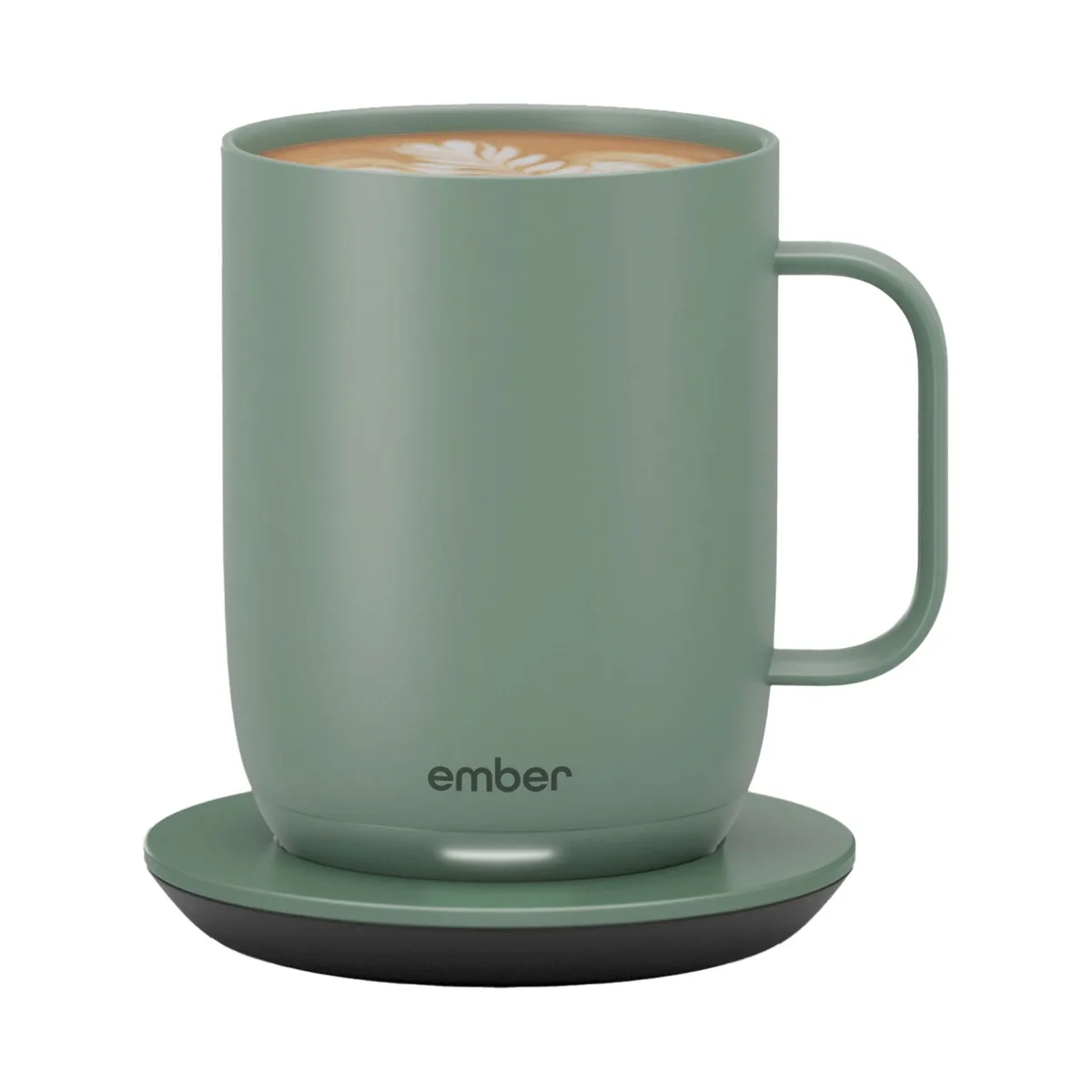
Let’s demystify the hardware. The mug has a built‑in lithium‑ion battery (sizes vary by model: 10oz has ~9Wh, 14oz ~13Wh, Travel Mug ~12Wh). The coaster contains a primary induction coil that generates a magnetic field.
When you place the mug on it, a secondary coil in the mug’s base picks up that field and converts it back to electrical current to charge the battery.
The coaster itself needs DC power. It comes with a USB‑A to barrel‑jack cable for the original Mug, and a USB‑C to coaster cable for the Mug². The original adapter is rated at 5V/1.5A.
The Mug² adapter is 9V/2A. If you use a third‑party USB brick that doesn’t supply enough current, the coaster may light up but deliver too little power to actually charge the mug.
The LED codes tell you exactly what’s happening:
| Condition | Coaster LED | Mug LED | Meaning |
|---|---|---|---|
| No power to coaster | Off | Off | Check cable, adapter, outlet |
| Coaster powered, mug not placed | White (constant) | Off | Normal, ready |
| Mug placed, charging | White | Orange (breathing) | Normal charging in progress |
| Mug fully charged | White | Green (solid) | Done, battery at 100% |
| Mug placed, not charging | White | Red (flashing) | Error – overheat, deep‑sleep, or fault |
| Mug battery critically low | White | No LED or dim | Battery under 5% – may not wake |
The mug’s Bluetooth chip is independent from the charging circuit. So the app can show “offline” even while the coaster is charging the battery. That’s a pairing issue, not a charging issue.
The most common break point is poor alignment. The coaster’s coil is about the size of a coaster itself, but the mug’s secondary coil is a ring near the edge of the base. If the mug isn’t centred, the magnetic coupling weakens and the mug either doesn’t charge or charges very slowly.
Pushing the mug down firmly while centering it usually solves this.
Follow This Decision Tree to Find the Exact Fix
Now that you know how it works, let’s diagnose your specific situation. Use the conditions below in order.
Branch 1: Coaster LED is off
First, check the USB cable and brick. Swap the cable with a known working one. Try a wall outlet directly, not a power strip or USB hub.
If the coil lights up, your original cable or brick is bad. Use the official Ember adapter: 5V/1.5A for the original Mug, 9V/2A for Mug². Third‑party chargers that deliver less than 5V/2A often won’t work.
Branch 2: Coaster LED on, mug LED off
Clean the mug’s bottom contacts with a dry microfiber cloth. Wipe the coaster surface too. Place the mug dead centre on the coaster and press down gently for 2 seconds.
If the mug LED still doesn’t appear, perform a soft reset: press and hold the mug’s power button for 10 seconds. Release when you see a green flash. Then place it back on the coaster.
Branch 3: Mug LED flashes red immediately
This is the overheat protection circuit. The mug’s battery or electronics are too warm. Let the mug sit off the coaster for 30 to 45 minutes at room temperature.
If the red flash persists after cooling, the battery management system may have a fault. Try the 20‑second hard reset (hold button until green flash, then release). If still red, contact Ember support, likely a battery defect.
Branch 4: Mug LED orange but never turns green
This usually indicates battery ageing. Lithium‑ion cells lose capacity after about 500 cycles. If your mug is over two years old, the battery may no longer hold a full charge.
Try a factory reset: hold the power button for 20 seconds until the LED flashes green, then release. Re‑pair with the app and place on the coaster. If after 4 hours it’s still orange, the battery is likely degraded.
An out‑of‑warranty replacement might cost $40‑$60 from Ember.
Branch 5: App shows “offline” but mug charges fine
Open the Ember app. Go to Settings > Manage Mugs. Forget the mug.
Turn Bluetooth off and on on your phone. Re‑pair by placing the mug on the coaster and tapping “Add Mug” in the app. If the coaster LED is white and the mug LED is green, the battery is fine, it’s just a Bluetooth handshake issue.
Branch 6: Mug charges intermittently or only in one spot
The coaster’s induction coil may have shifted after a drop. Try a different coaster if you have access to one. If not, check the mug’s underside for any visible damage.
The coil in the coaster is fragile; even a short fall from a desk can misalign it. If the coaster is the problem, it’s usually cheaper to replace just the coaster ($30‑$40) than the whole set.
After all branches: still broken?
If you’ve exhausted all steps and the mug still won’t charge, the internal battery management board might be fried. This is rare. Contact Ember support with your purchase date.
Within the 1‑year warranty, they’ll replace the mug or coaster. Out of warranty, you may want to compare the repair cost against buying a new Mug².
What Most People Get Wrong When Troubleshooting
The biggest mistake is using a third‑party USB power adapter that doesn’t deliver enough current. Many phone chargers are rated 5V/1A, that’s fine for an iPhone, but the Mug² coaster expects 9V/2A. Using a 1A brick will either not charge at all or charge extremely slowly (6+ hours).
You might see the coaster LED, but the mug won’t get enough power.
Another common error: rinsing the mug under the tap while assuming it’s fully sealed. The mug is IPX7 rated, it can survive submersion, but the charging contacts on the bottom are still exposed to moisture. If you wash it and then immediately place it on the coaster, water can bridge the contacts and cause a short circuit.
The safety circuit then shuts down charging. Always dry the bottom thoroughly with a towel before docking.
People also skip the coaster power check. They assume that because the coaster has no visible damage, it must be fine. But the coaster itself can fail, the internal USB port can become loose, the coil can crack, or the LED can burn out.
If you have a second coaster, swap test. If not, try a known‑working USB brick and cable. That isolates the coaster’s fault.
Then there’s the reset order. Many users reset through the app only. But the physical reset (long‑press of the power button) is the one that wakes a deep‑sleep battery.
Do that before trying any app tricks.
Finally, ignoring the warranty window. Ember’s 1‑year limited warranty covers battery defects and coaster failures. If your mug is under a year old and won’t charge, don’t buy a new one, go straight to support.
Many people throw the mug away thinking it’s dead when a free replacement is available.
Pro Tips for Keeping It Charging Reliably
Prevention is easier than troubleshooting. Follow these habits to keep your Ember charging like new.
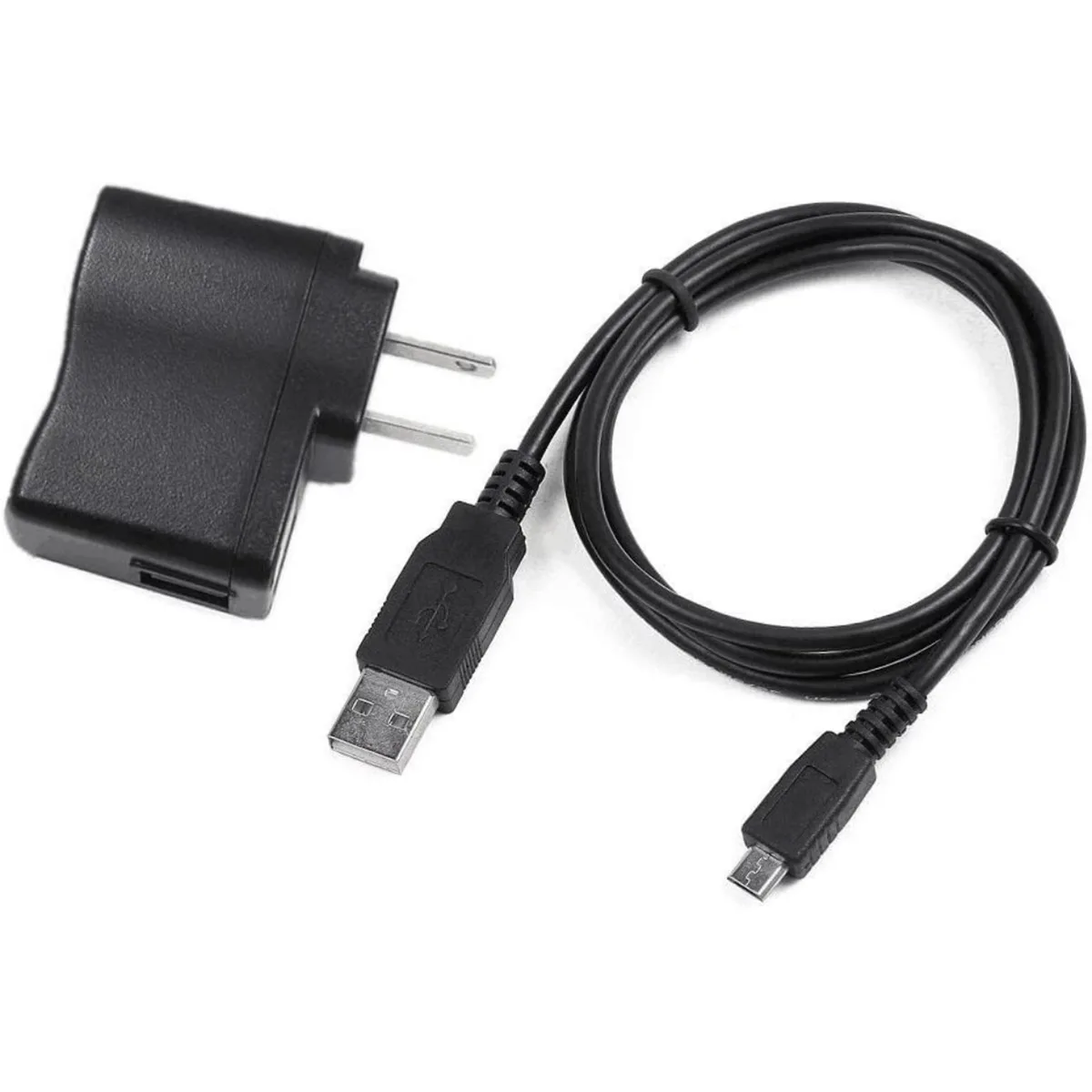
Use the official adapter. Ember includes a specific brick for each model. The original Mug requires 5V/1.5A; the Mug² needs 9V/2A. Mark that brick as the dedicated coaster charger.
Don’t share it with other devices.
Clean the contacts weekly. The mug’s bottom and the coaster’s surface collect dust, coffee oils, and lint. A dry microfiber cloth once a week prevents buildup. If you notice stubborn residue, use a slightly damp cloth, then dry immediately.
Never use alcohol or abrasive cleaners, they can strip the coating.
Don’t leave the mug on the coaster 24/7. Keeping it on the pad constantly keeps the battery near 100% all the time, which accelerates capacity loss. Unplug the coaster at night, or remove the mug once it’s fully charged. This simple habit can extend the battery’s usable life by months.
Store the coaster carefully. The induction coil inside is a thin copper wire layer. Dropping the coaster from a desk can break that wire. When travelling, put the coaster in a padded pocket or a small case.
The mug itself is more rugged, but the coaster is the weak point.
Update the firmware. The Ember app occasionally pushes updates that fix charging logic, battery calibration, and Bluetooth stability. Check for updates every couple of months. A reported bug in version 5.2 caused some mugs to show orange permanently, fixed by the next release.
Know when to replace the battery. If your mug is two to three years old and now holds only 30 minutes of drinking time instead of 2 hours, the battery is beyond its useful life. Ember offers out‑of‑warranty battery replacement for about $50. It’s cheaper than a new mug and restores full performance.
Frequently Asked Questions
Why is my Ember mug blinking red after washing?
Moisture on the charging contacts triggers the safety circuit. Dry the mug’s bottom with a towel. Let it sit off the coaster for 15 minutes.
Then wipe the contacts again with a dry microfiber cloth before placing it back. If the red flash continues, a full 20‑second reset (hold button until green) clears the error.
Can I use a wireless charger from another device?
No. The Ember coaster uses a proprietary induction frequency and alignment. A standard Qi wireless pad won’t couple with the mug’s coil.
Stick to the original coaster. If you lose it, Ember sells replacements separately, and they’re the only compatible option.
How do I know if my mug battery is dead vs. the coaster?
Swap test with a friend’s coaster if possible. If the mug lights up on theirs, your coaster is faulty. If it still won’t charge on a known‑working coaster, the battery or internal board has failed.
The coaster’s power LED (white) being on doesn’t guarantee it’s delivering full power.
Does the travel mug use the same charger as the regular mug?
No. The Travel Mug uses a separate charging pad with a USB‑C input, not the coaster. The coaster for Mug and Mug² share the same physical design, but the Travel Mug pad is shaped differently and won’t work with a standard coaster.
Both are available individually from Ember’s official site.
How long does the battery last before it needs replacing?
About 500 full charge cycles, which works out to 2 to 3 years of daily use. You’ll notice the drinking time shrinking first: a 10oz mug that held 2 hours will drop to 45 minutes. Ember offers out‑of‑warranty battery replacement for around $50 if you’re outside the 1‑year coverage.
My mug charges but gets cold quickly – what’s wrong?
The battery is likely aged and can’t sustain the heating element. Also check your app temperature setting: it defaults to 135°F. If you’ve lowered it, the mug will cool faster.
If the battery is degraded, a replacement restores the original performance.
When to Fix vs. When to Replace – Final Decision Guide
| Situation | Action | Cost or Effort |
|---|---|---|
| Coaster LED off, cable/adapter dead | Replace USB cable and brick | Under $15 |
| Mug LED off, coaster on | Clean contacts, soft reset | Free, 2 minutes |
| Mug LED flashing red | Cool down, hard reset | Free, 30 minutes |
| App offline, mug charging fine | Re‑pair Bluetooth in app | Free, 5 minutes |
| Mug charges slowly or intermittently | Try different coaster (if available) | $30–$40 for new coaster |
| Battery life under 30 minutes (2+ years old) | Replace battery via Ember | ~$50 (out of warranty) |
| Mug won’t charge at all after all steps | Contact Ember support for warranty claim | Free if within 1 year |
| Physical damage (dropped mug, cracked coaster) | Replace the damaged part | Coaster $30–$40, Mug $80–$130 |
If your mug is under warranty, don’t bother trying to fix it yourself beyond the basic resets. Ember will send a replacement. If it’s older than two years and you’ve tried everything, weigh the cost of a new battery against buying a Mug².
The newer model has better coil alignment and a more robust coaster design. A fresh battery in an old mug performs like new, but the coaster still ages.
Final call: if you enjoy the mug and it’s otherwise in good shape, invest in a battery replacement. If you’ve had charging headaches before, upgrading may save you future frustration. Either way, you’re back to sipping hot coffee within a week.

Similar Posts