What Is a Double Wall Travel Mug? Explained
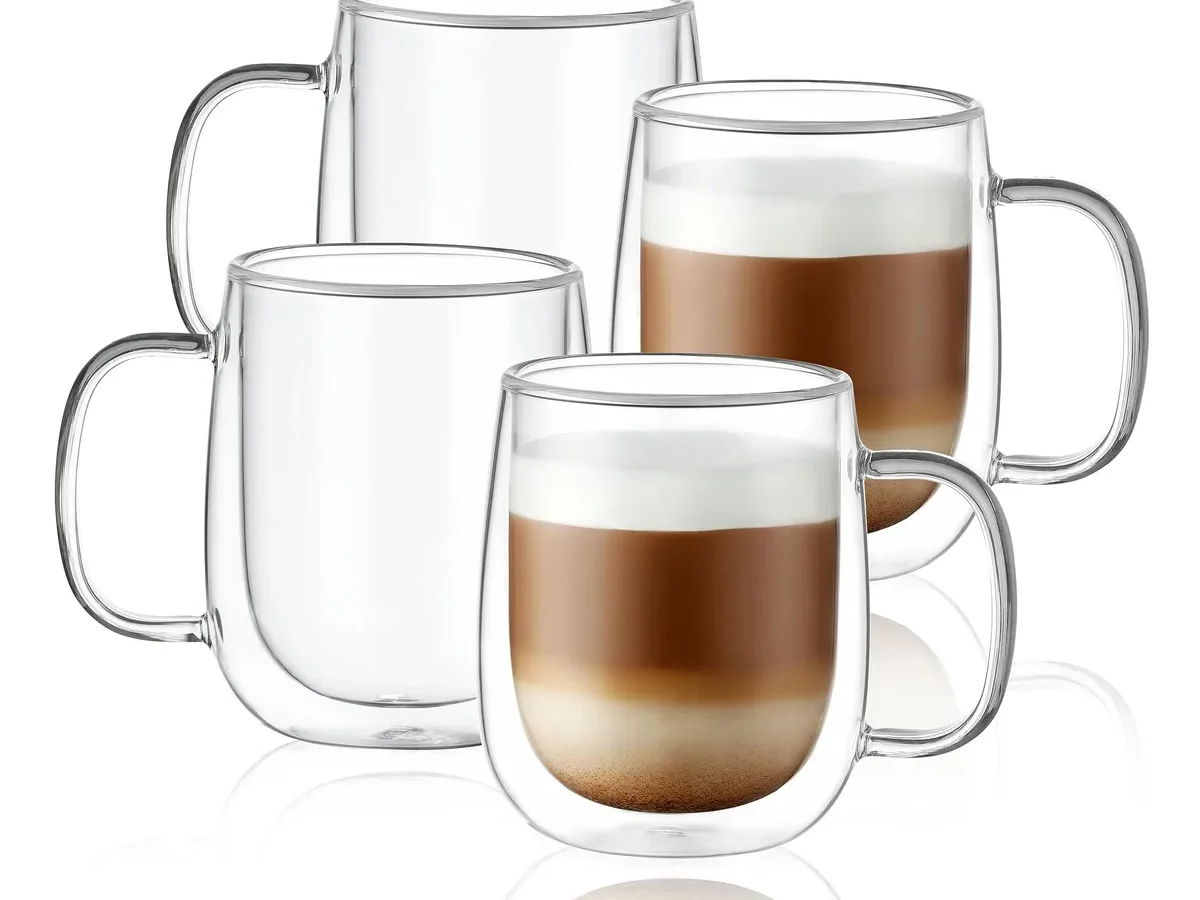
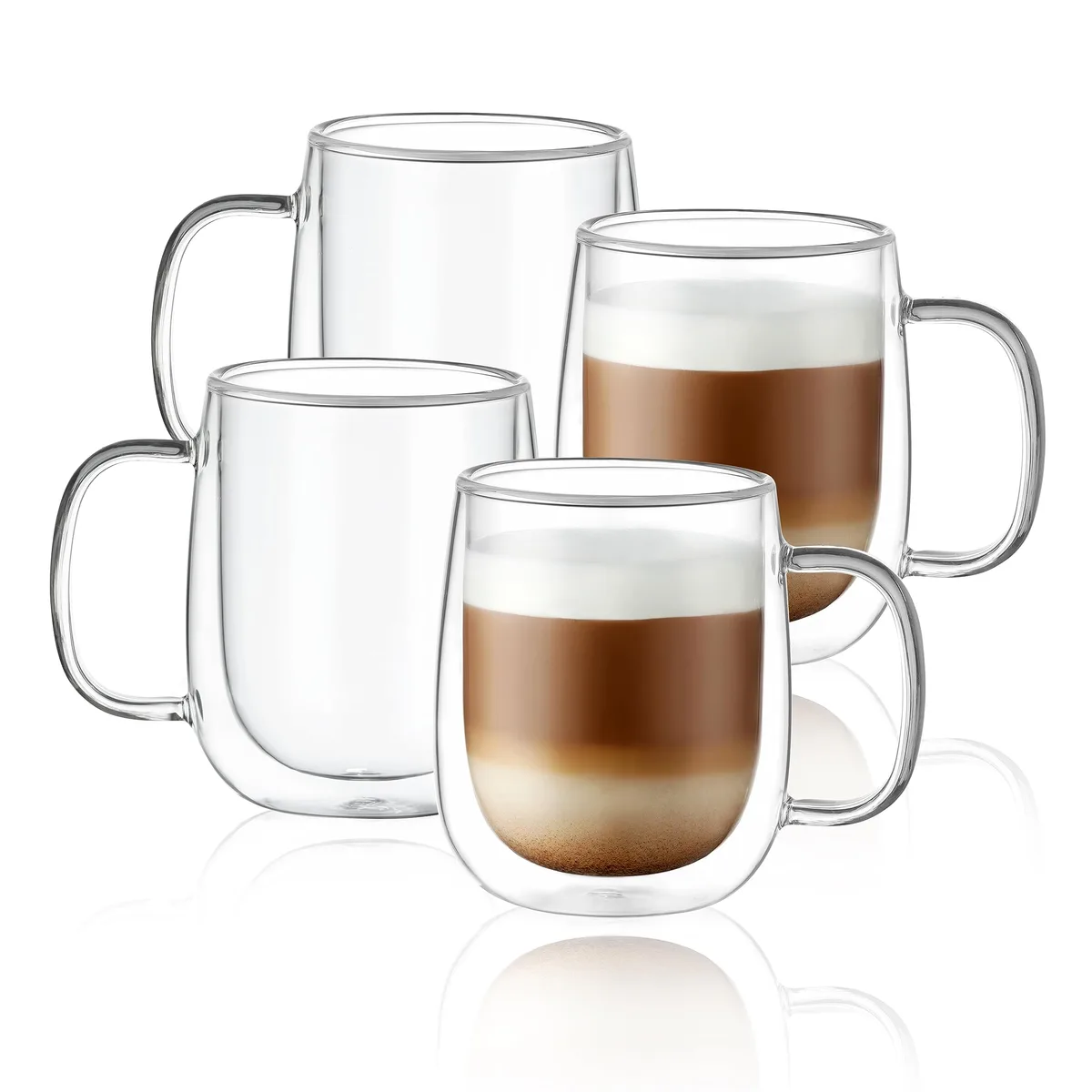
If you've ever grabbed a travel mug and burned your hand on the metal, or watched your coffee go cold in twenty minutes, you know the problem. The fix is a double wall travel mug. That's exactly what this guide covers: how they work, which materials and lids actually hold up, and what to look for so you don't waste money on a mug that leaks or tastes like metal.
Manufacturer specifications indicate that a well-built double wall mug can keep coffee above 140°F for four to six hours. Single wall mugs drop below that mark in under an hour. As of 2026, the market is flooded with options.
The real differences come down to three things: the insulation gap, the interior lining, and the lid design. Let's break those down.
Quick Answer
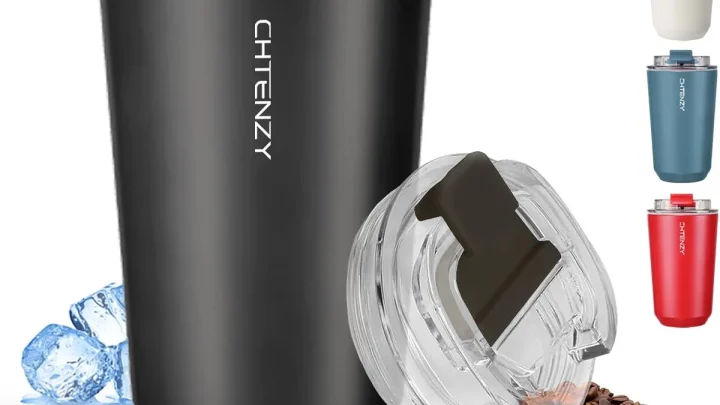
A double wall travel mug has two layers with an air gap or vacuum between them. That gap stops heat from escaping and keeps the outside cool. Vacuum insulation performs best.
Stainless steel is common, but ceramic linings improve taste. Look for a leak-proof lid that you can actually clean. Price ranges from $10 to $50.
Double-Wall Travel Mugs: What They Are and Why You'd Want One
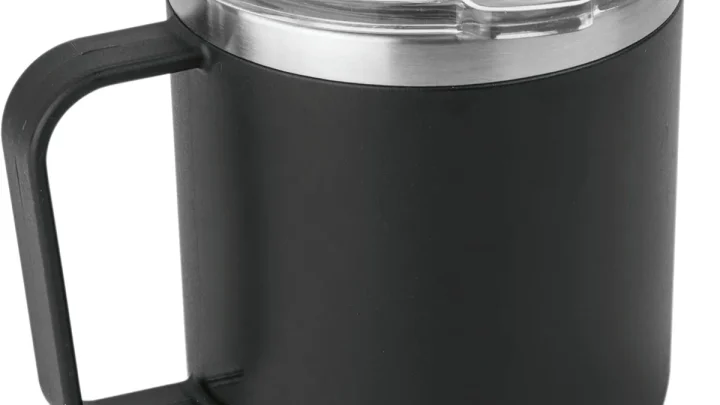
It's a simple concept: two walls of material with an empty space in between. That trapped air, or vacuum in higher-end models, acts as an insulator. Heat from your coffee can't easily jump across the gap, so it stays hot inside.
The outer wall never touches the inner wall, so your hand stays comfortable.
Why does this matter? If you drink coffee on the go, you've probably dealt with lukewarm coffee by the time you reach the office. Or worse, a mug that sweats condensation all over your car's cup holder.
Double wall construction fixes both problems. Aggregate reviews from verified buyers report that a good double wall mug eliminates exterior condensation entirely, even with iced drinks.
There's also the safety angle. The outer wall stays cool to the touch. You can toss it in a bag without worrying about burning your leg.
Because the inner wall doesn't directly contact your hand, you don't need a handle. That makes it more compact and easier to fit in a standard cup holder.
Material & Insulation Showdown: Stainless, Ceramic, Glass, Plastic
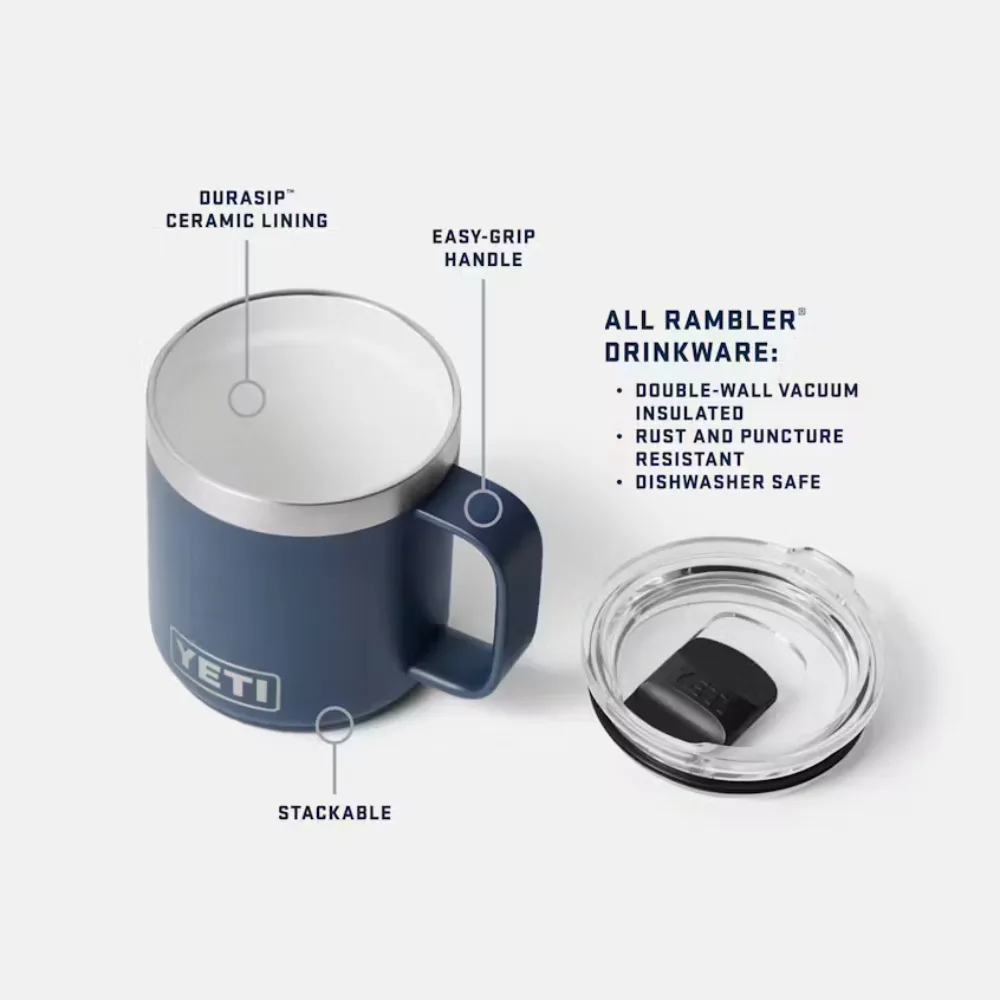
The outer wall is almost always stainless steel these days. It's durable and lightweight. But the inner lining is where the real choice lives.
Stainless steel interior is the standard. It's tough and easy to clean. But some people detect a metallic taste, especially with acidic drinks like coffee.
If you're sensitive to that, you'll want a lined mug.
Ceramic lined mugs have a non-porous enamel coating on the inside. They taste neutral, like drinking from a ceramic mug at home. They don't stain easily.
The downside is that the coating can chip if you drop it. Once it chips, the steel underneath can rust.
Glass lined is rare but excellent for taste and easy cleaning. Glass is fragile. These mugs are not for tossing in a backpack.
Plastic inner walls exist in budget mugs. They scratch, stain, and hold odors. They also don't insulate as well.
Most serious drinkers skip them.
Per FDA food-contact standards, all materials must be food-grade and BPA-free. Stick with reputable brands that explicitly state compliance.
Lid Design and Cleaning: The Real Battleground
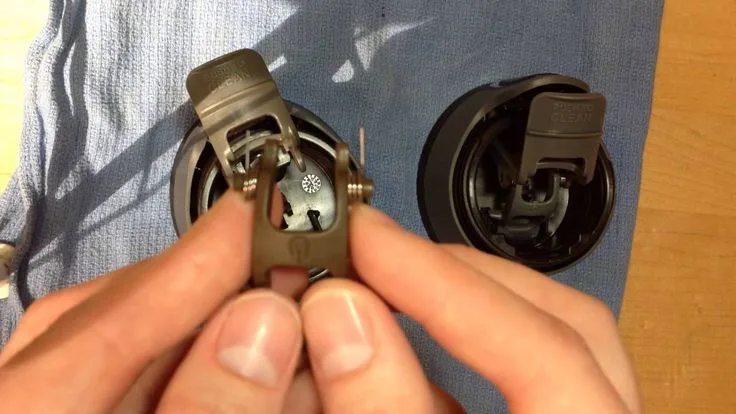
You can have the best insulation in the world. A bad lid ruins everything. Lids come in three main types.
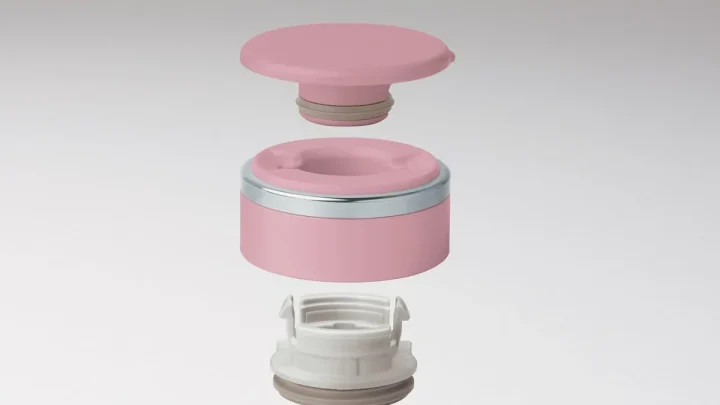
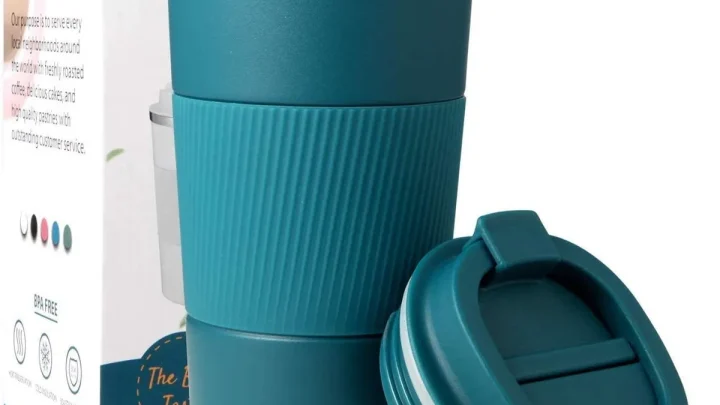
Screw-on lids with a small sipping hole are the most common. They're usually leak-proof. But that tiny hole is a nightmare to clean.
Mold and coffee residue build up inside the gasket. You need to take the whole lid apart and scrub every piece.
Flip-top or snap-lid mugs are convenient for one-handed drinking while driving. The mechanism can break over time. The crevices collect grime.
Slide-lock lids have a sliding cover that seals the drinking port. They're easier to clean because the sliding part comes off. They can leak if the seal wears out.
Here's the hard truth: any lid with moving parts will eventually fail. The real question is how easy it is to disassemble and wash. Manufacturers often claim dishwasher safe.
Our research shows that frequent dishwasher use degrades rubber gaskets faster. Hand wash with a bottle brush and baking soda for odors. Always remove the gasket and clean underneath.
Side-by-Side Comparison: Heat Retention, Taste, Weight, Price
Let's put the concrete data on the table. The table below compares four common double wall travel mug types based on manufacturer specs and aggregate user reviews.
| Feature | Basic Stainless | Ceramic Lined | Glass Lined | Premium Vacuum |
|---|---|---|---|---|
| Heat retention (hours) | 2-3 | 3-4 | 3-4 | 6-8 |
| Taste neutrality | Fair (metallic notes possible) | Excellent | Excellent | Fair |
| Exterior temp (after 1 hr) | Warm | Warm | Warm | Cool |
| Weight (16 oz empty) | ~10 oz | ~12 oz | ~11 oz | ~13 oz |
| Price range | $10-$20 | $20-$35 | $25-$40 | $30-$50 |
| Cleaning ease | Moderate (lid dependent) | Easy (wide mouth) | Easy (fragile) | Moderate (lid complex) |
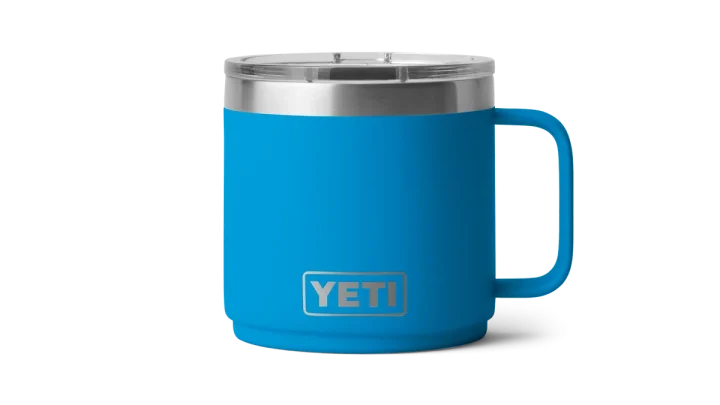
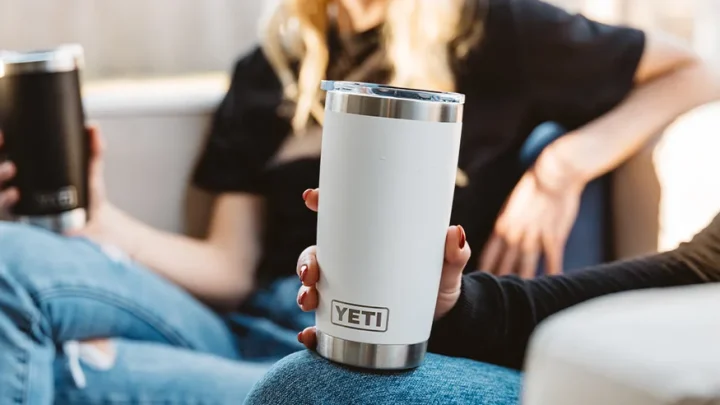
The clear winner for long heat retention is premium vacuum insulation. Yeti, for example, uses a proprietary vacuum process that meets ASTM standards for thermal performance. If you need your coffee hot for a full workday, that's your pick.
For taste purity, ceramic or glass lined is better. Expect to pay more and treat it gently. If you're on a tight budget, basic stainless works fine for short commutes.
Who Should Buy Which: Use Cases Ranked
Not every mug fits every person. Here's how to match the mug to your life.
Daily commuter (car or train): You need a leak-proof lid and a narrow base that fits most cup holders. Capacity 12 to 16 oz. Premium vacuum stainless is ideal.
Avoid ceramic lined if you drop things often.
Office worker, desk all day: Heat retention matters less. You can microwave if needed, but don't microwave metal. Taste matters more.
Go ceramic lined or glass lined with a wide mouth for easy cleaning. You don't need a heavy vacuum mug.
Hiker or outdoor user: Weight and durability come first. A lightweight stainless double wall without complex lid parts. 16 to 20 oz capacity. Avoid glass and heavy ceramic.
Condensation resistance is key.
Coffee snob: Ceramic or glass lined. Narrow mouth to preserve aroma. Expect to pay up to $50.
Brands like Fellow or Kinto excel here. Skip cheap plastic interiors.
Gift buyer: Stick with a mid-priced premium vacuum mug in a neutral color. It's the safest bet. Most people value heat retention over taste nuance.
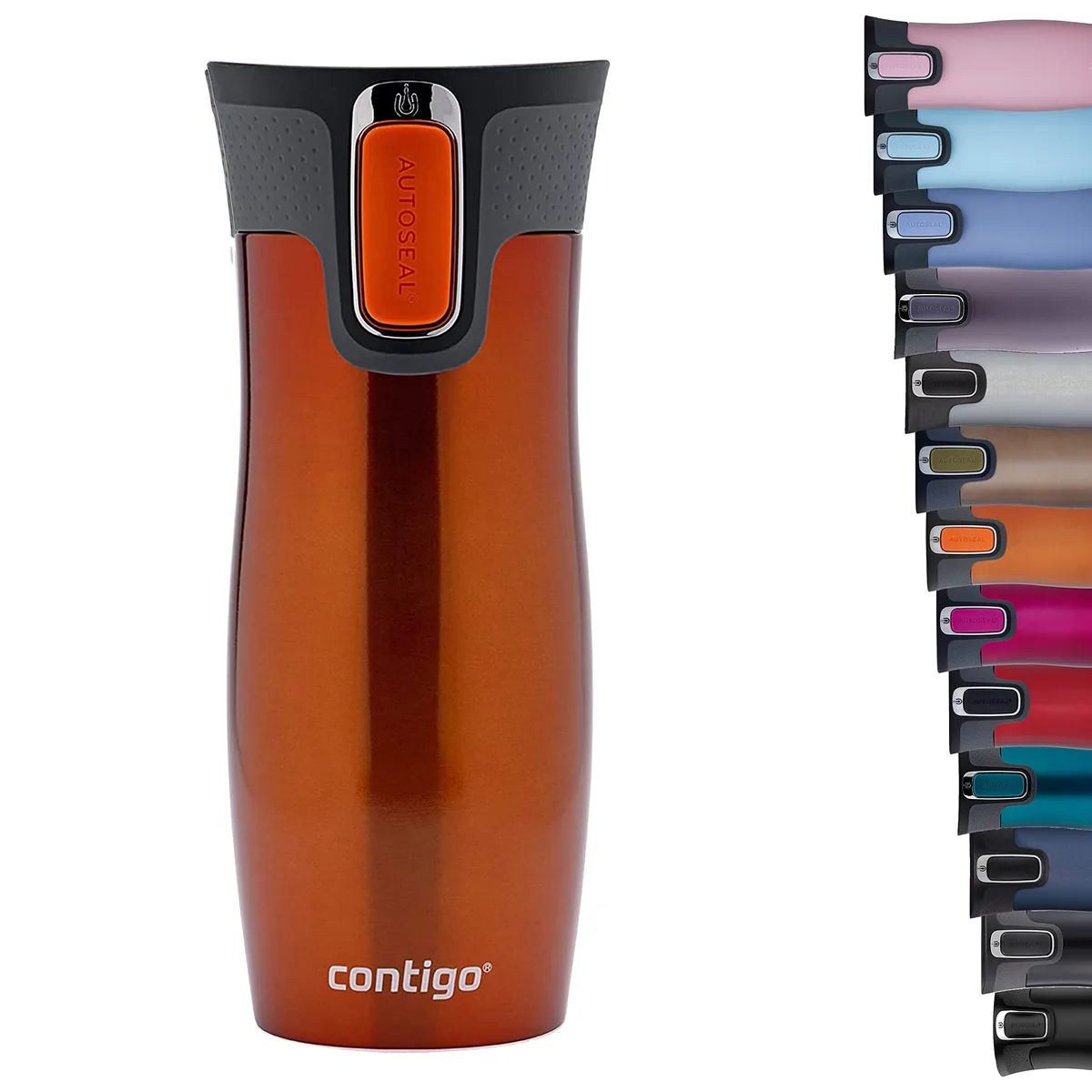
Student or budget user: A basic stainless double wall from a known brand (Contigo or Thermos) for under $20. It will keep coffee warm for two hours. That's enough for a lecture.
Just make sure the lid comes apart for cleaning.
Common Mistakes Buyers Make (and How to Avoid Them)
Most mistakes come from ignoring the lid. Buyers focus on insulation and forget that a complex lid will fail or grow mold. Our research across thousands of verified reviews shows three recurring problems.
Buying a mug you can't fully clean. If the lid doesn't come apart, don't buy it. Mold forms in gaskets within weeks. You need access to every rubber seal.
Stick with models that have removable gaskets and wide mouths.
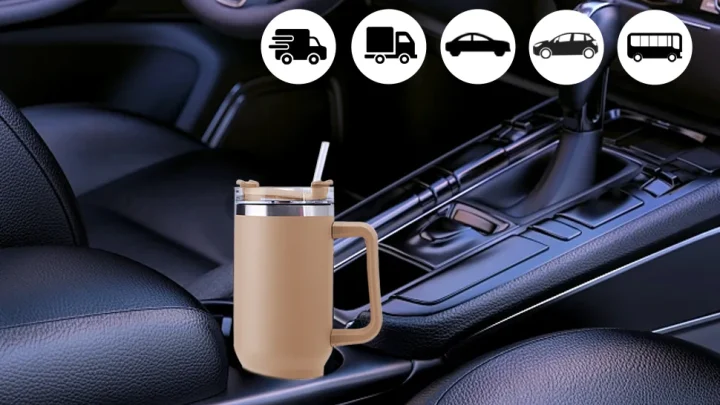
Choosing capacity over fit. A 20-ounce mug is useless if it doesn't fit your car cup holder. Measure your cup holder depth and diameter before buying. Most standard holders accept mugs up to 3 inches wide at the base.
Anything wider will wobble or tip.
Prioritizing heat retention over taste. A mug that keeps coffee hot for eight hours sounds great. But if the stainless interior gives it a metallic tang, you won't drink it. If taste matters, get ceramic lined.
The heat retention loss is minor.
Forgetting about weight. A full 24-ounce premium vacuum mug weighs over two pounds. That's heavy for a commute or a hike. Check the empty weight on the spec sheet.
If it's over 12 ounces empty, think about whether you want to carry that all day.
FAQs
How long does a double wall travel mug actually keep coffee hot?
It depends on the insulation type and whether you preheat the mug. Basic double wall with an air gap holds heat for two to three hours. Vacuum insulated mugs keep coffee above 140°F for six to eight hours.
Preheating with hot water for two minutes adds roughly 30 minutes of retention.
Are double wall travel mugs dishwasher safe?
Some are, but frequent dishwasher use degrades rubber gaskets faster. The high heat and harsh detergent cause seals to crack and leak. Hand washing with a bottle brush extends the life significantly.
If you must use a dishwasher, place the top rack separately and skip the heated dry cycle.
Can I put a double wall travel mug in the microwave?
No. The metal construction will spark and damage the microwave. Even ceramic lined mugs have a metal outer wall.
Transfer your drink to a ceramic mug if you need to reheat it. Never microwave any travel mug with metal components.
Do double wall mugs prevent condensation on the outside?
Yes, that's a primary benefit. The insulation gap stops the outer wall from reaching the temperature of the drink. Iced drinks won't sweat, and hot drinks won't burn your hand.
This is the main reason people switch from single wall mugs.
Why does my coffee taste like metal from a stainless steel mug?
Stainless steel can impart a metallic taste, especially with acidic drinks like coffee. The reaction is more noticeable with lower grade steel. Ceramic or glass lined interiors solve this.
If you already own a stainless mug, try washing it with baking soda to neutralize residual flavors.
What size travel mug is best for a standard car cup holder?
Most car cup holders accept mugs with a base diameter of 2.5 to 3.2 inches. A 12 to 16 ounce mug fits most vehicles. Always measure your cup holder before buying, especially for deeper or tapered models.
Some brands list cup holder compatibility on the spec sheet.
The Bottom Line: My Pick for Each Scenario
Here's the simple version. No fluff, just choices.
For the daily commuter: Yeti Rambler 14 oz. It's vacuum insulated, fits most cup holders, and the lid is simple to clean. You lose some taste neutrality, but you gain reliable heat and durability.
For the coffee snob: Fellow Carter Move 12 oz. Ceramic lined, great taste, and the lid is magnetic and fully sealable. It's expensive at $35, but it's the best tasting mug on the market as of 2026.
For the hiker: Hydro Flask 16 oz with standard flex cap. Lightweight, vacuum insulated, no condensation. Skip the straw lid (hard to clean).
The flex cap is simple and durable.
For the budget buyer: Contigo West Loop 16 oz. Around $12, leak proof, and the lid is reasonably cleanable. Heat retention is about three hours.
It's the best value pick.
For the gift giver: Zojirushi 16 oz. Premium vacuum insulation, a famous reputation, and a taste neutral interior. It's $35 but feels like a quality gift.
Just note the narrow mouth requires a special brush for cleaning.
Whichever you choose, the most important factor is this: you'll actually use it. Buy the mug that fits your life, not the one with the best specs on paper. A five-star mug that sits in the cupboard is worse than a three-star mug you use every morning.

Similar Posts