Best Milk Frother for Iced Coffee? Top Picks
What Milk Frother for Iced Coffee
If you've ever asked yourself what milk frother for iced coffee actually works, you already know the struggle. Hot foam poured over ice melts into a watery mess before you take a sip. Cold foam holds its shape, but most frothers aren't built for it.
They heat the milk automatically, leaving you with a sad puddle.
Aggregate reviews show that cold foam made with a handheld frother at 40°F retains its structure roughly three times longer than hot foam on ice. That's about 15 minutes versus 5 minutes. That difference changes how your iced coffee looks, tastes, and feels.
Quick Answer
A handheld electric frother works best for most iced coffee drinkers. It creates cold foam without heating the milk. French press and mason jar methods come second.
They are free and effective. Automatic frothers with a cold setting are great but cost more. Skip steam wands unless you already own one.
They heat the milk too fast.
Why Iced Coffee Frothing Is Different
Iced coffee demands a different kind of foam than hot drinks. The reason is simple physics. Hot foam is built by heating milk to 140-150°F while injecting steam.
That light, airy top sits perfectly on a latte because the drink itself is hot. Pour that same hot foam over ice and two problems happen.
First, the ice starts melting immediately. Second, the foam deflates as trapped air bubbles collapse in the cold liquid. Within a minute you get a thin layer of bubbly milk that sinks into the coffee.
You lose the visual appeal and the texture.
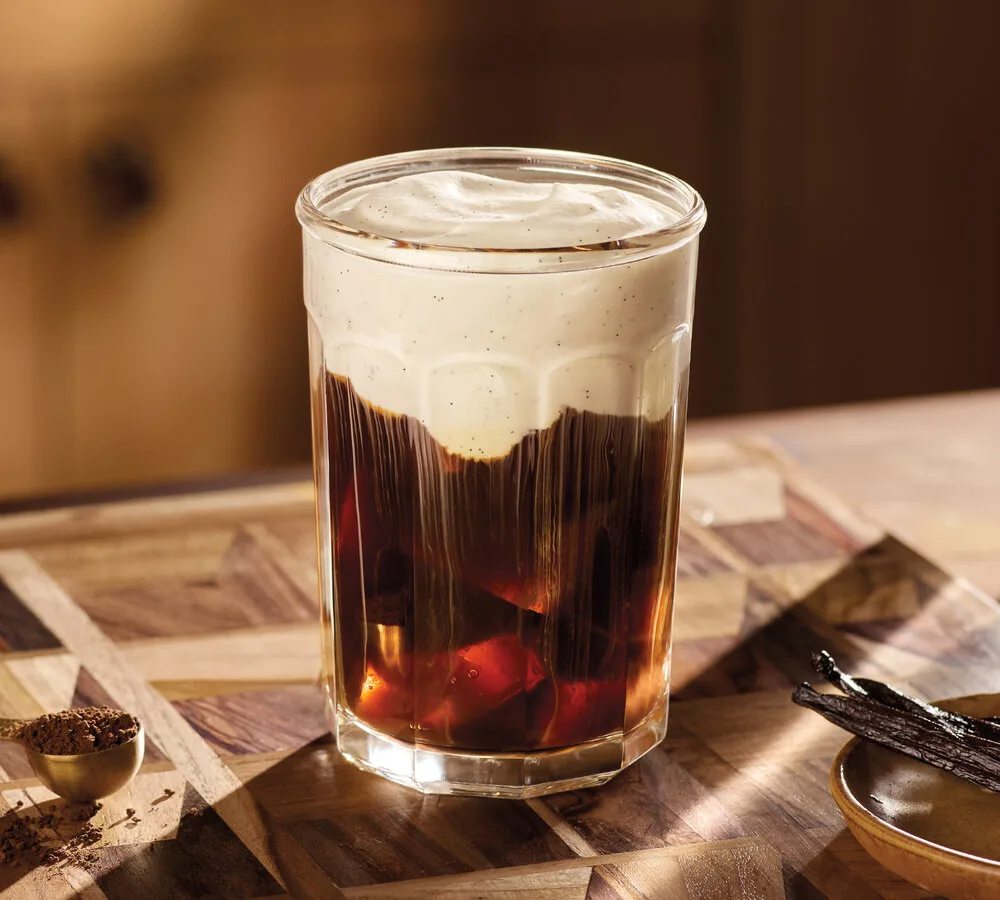
Cold foam starts with cold milk, usually around 35-45°F. The frothing process incorporates air without adding heat. The result is a thick, spoonable layer that floats on top of cold brew or iced latte.
It stays intact for 15 to 20 minutes. That is long enough to enjoy the whole drink.
This temperature split means your choice of frother matters more for iced coffee than for hot drinks. A device that works great for cappuccinos can be the worst thing for an iced latte.
The Three Best Frothing Methods for Iced Coffee
You have three reliable paths here. Each suits a different lifestyle, budget, and tolerance for cleanup.
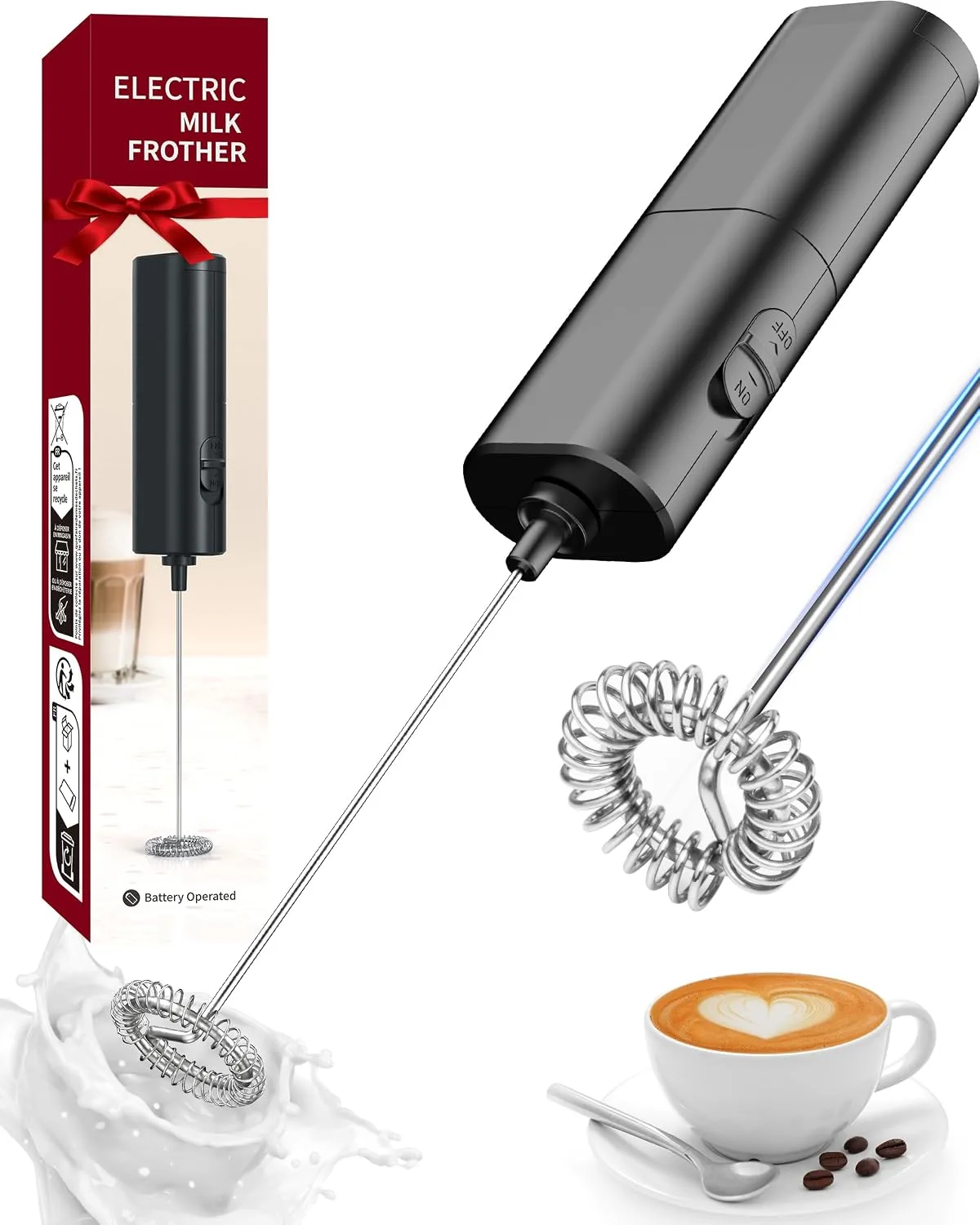
Handheld Electric Wand
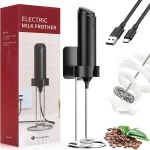
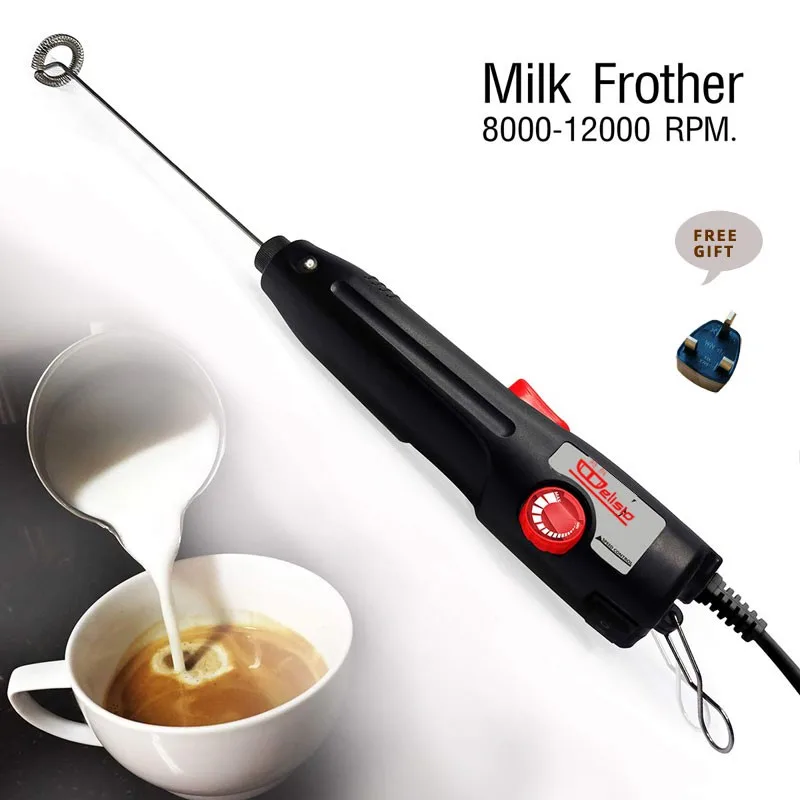
This is the most popular choice among home iced coffee drinkers for a reason. A handheld frother costs $10 to $25 and runs on two AA batteries. You dip the whisk end into a tall cup of cold milk, press the button, and move it up and down for 30 seconds.
You get a thick, velvety cold foam that rivals coffee shop quality. The key is keeping the whisk near the surface to pull in air. The best models spin at 16,000 to 20,000 RPM.
This is fast enough to create microfoam with small, stable bubbles.
Pros: cheap, portable, easy to clean, no counter space needed. Cons: you have to hold it the whole time. Some cheaper wands die after a few months.
Automatic Frother with Cold Setting
If you want a set-and-forget solution, an electric frother with a dedicated cold foam button is your best bet. These cost between $50 and $150. You pour cold milk into the carafe, press the cold button, and it does the rest in about 90 seconds.
Not all automatic frothers have a cold setting. Many only heat. Check the features before you buy.
Look for "cold foam" or "cold froth" in the spec sheet. The ones that work produce dense foam that is slightly thicker than what a handheld wand makes. They also keep the milk pitcher clean with a nonstick coating.
The downside is price and footprint. They take up counter space. Cleaning the carafe needs more than a quick rinse.
You have to hand wash it to avoid scratching the nonstick.
DIY: French Press or Mason Jar
These two methods cost nothing extra if you already own the gear. A French press handles cold foam surprisingly well. Pour cold milk into the carafe, pump the plunger vigorously near the top of the liquid for 30 seconds, and watch the foam rise.
It is not as consistent, but it works.
A mason jar with a tight lid also works. Fill it one-third full of cold milk, close the lid, and shake hard for 60 seconds. Open, microwave for 15 seconds if you like it warm, and you will have a decent cold foam.
The bubbles are larger than wand foam, but it is free.
Best for people who rarely froth milk and do not want to buy another gadget. The trade-off is inconsistency and a bit more arm work.
When a Steam Wand Makes Sense (and When It Doesn't)
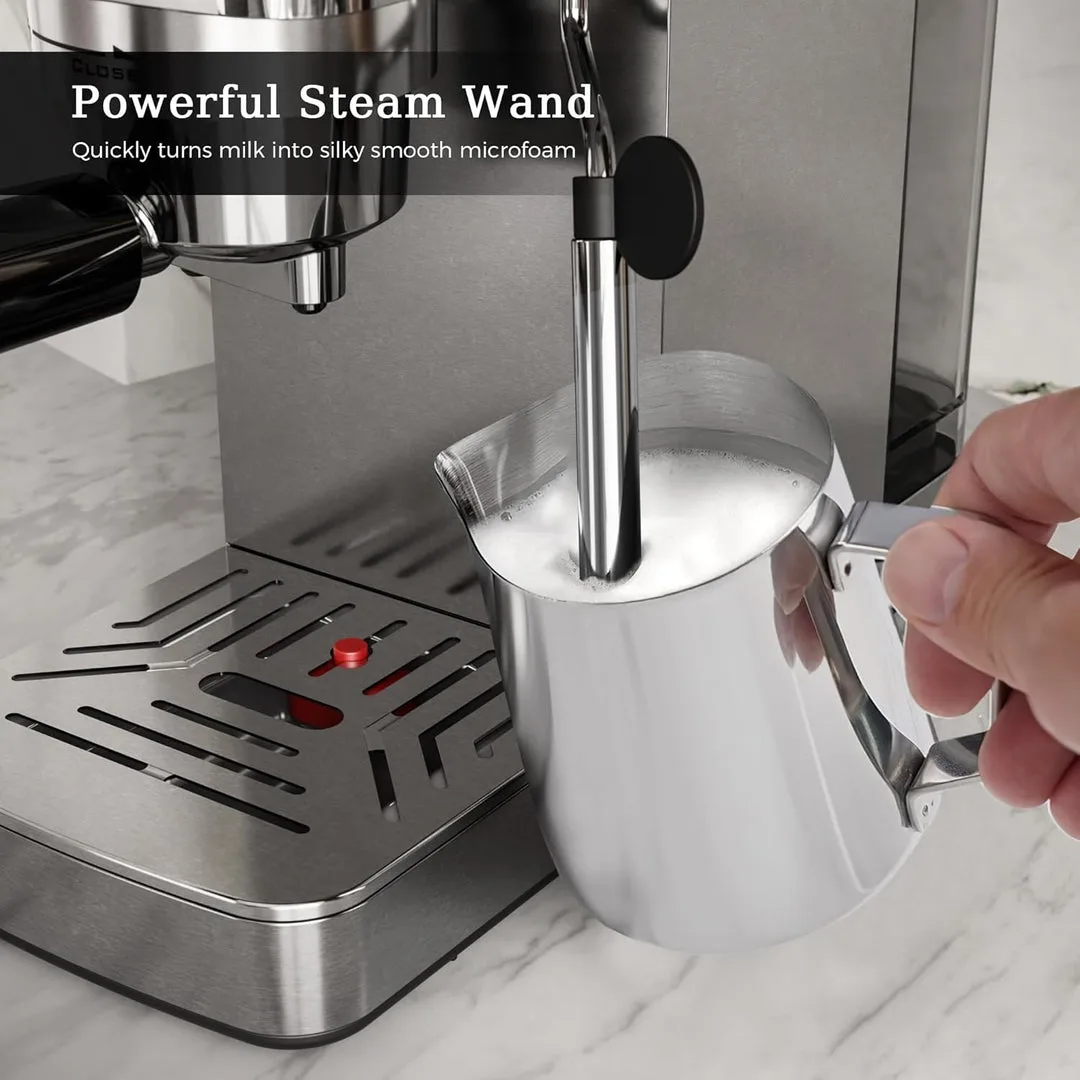
Steam wands are standard on espresso machines. They inject hot steam into milk while aerating it. For hot drinks, there is no better tool.
For iced coffee, they are a mixed bag.
It makes sense if you already own an espresso machine. You can steam milk to about 120°F, lower than typical latte temperature, and pour it over ice immediately. The foam is fine and silky.
It is just short-lived.
Most people who try hot foam on ice end up disappointed. The foam collapses in under 5 minutes. The drink gets watery.
If you only drink iced coffee and do not make hot drinks, buying a machine with a steam wand just for frothing is a waste of money and counter space.
A better middle ground is a standalone steam wand like the Bellman stovetop steamer. It costs around $70 and works without an espresso machine. You still get the steam technique, but you can control the temperature better.
Even so, for pure cold foam, a handheld wand is simpler and cheaper.
Use your steam wand if you have it and want to experiment. Do not buy one specifically for iced coffee. The foam will not last long enough to justify the expense.
The Biggest Mistakes People Make with Iced Coffee Foam
Even with the right frother, people mess up. Avoid these common errors.
Using warm milk for cold foam. Cold foam needs cold milk. If your milk is room temperature, the bubbles will be large and collapse quickly. Stick it in the fridge for at least 30 minutes before frothing.
Ideal temperature is below 45°F.
Pouring the foam. This is the number one mistake. When you pour milk on top of an iced drink, it mixes with the coffee. Instead, spoon the foam onto the surface gently.
That keeps the layer separate and intact.
Frothing for too long. Over-frothing breaks the proteins in milk. The foam becomes stiff and curdled. Stop at 20-30 seconds for a handheld wand.
For automatic frothers, the machine handles timing. Do not override it.
Using skim milk for thick foam. Whole milk at 3.25% fat creates denser, more stable cold foam than skim. The fat helps trap air. Oat milk works even better for a creamy texture, but it needs a higher RPM frother.
Cleaning the frother wrong. Handheld wands should be rinsed immediately under cold water. Letting milk dry on the whisk clogs the holes. Automatic carafes need gentle hand washing.
Never scrub the nonstick coating.
Avoid these pitfalls and your iced coffee foam will look and taste like something from a proper coffee bar.
Quick Decision Guide: Which Frother Is Right for You?
Here is the if/then logic. Take stock of your situation.
If you only drink cold foam occasionally and want the cheapest option: Go with a handheld electric wand. It costs under $20 and takes up zero drawer space. If the batteries die in six months, you replace them, not the whole unit.
If you drink iced coffee every morning and want consistency: Buy an automatic frother with a cold foam button. Spend $60 to $80 on a reliable model. It saves you 30 seconds of active work each morning and delivers identical foam every time.
If you already own a French press and want to avoid buying anything: Use the French press method. It is free and the foam is good enough. Just accept that it takes a little more effort and results vary based on how fast you pump.
If you have an espresso machine with a steam wand: Use it for iced coffee only if you drink hot drinks too. For strictly iced coffee, a $15 handheld wand will outperform the steam wand for cold foam.
If you are dairy-free: Test your plant milk. Oat milk and barista blends work well with handheld wands. Almond milk usually fails because it separates.
Check reviews specific to your milk brand.
Still unsure? A handheld electric wand is the safe bet. It covers almost every scenario, costs the least, and cleans in 10 seconds.
You can upgrade later if your iced coffee habit turns into a full-blown obsession.
Frequently Asked Questions
Can I use any milk for cold foam?
Whole milk produces the thickest, most stable cold foam because of its fat content. Skim milk creates large bubbles that collapse quickly. Oat milk and barista blends work well with high-RPM wands.
Almond milk usually separates and fails. For best results, use milk fat at 3% or higher and keep it below 45°F before frothing.
How long does cold foam last on iced coffee?
Cold foam made with a handheld wand at 40°F typically holds its structure for 15 to 20 minutes. After that, it slowly sinks and dissolves into the coffee. Hot foam poured over ice collapses in under 5 minutes.
The difference matters if you sip slowly or take your drink to go.
Do I need a special frother for non-dairy milk?
No, but you need the right RPM. Handheld wands spinning at 16,000 to 20,000 RPM work best with oat and soy milks. Lower speeds create uneven bubbles.
Barista blends include stabilisers that help foam hold longer. Avoid using a French press for almond milk. It tends to separate into watery liquid and sediment.
What is the difference between cold foam and hot foam?
Cold foam is whipped cold milk with small, dense bubbles. It sits on top of iced drinks without melting the ice. Hot foam is aerated with steam at 140-150°F and has larger, airier bubbles.
Pour hot foam over ice and you get watery coffee and deflated foam within minutes.
Is a handheld frother better than an automatic one for iced coffee?
It depends on your routine. A handheld wand costs under $20, cleans instantly, and creates excellent cold foam. An automatic frother with a cold button delivers consistent results without active work but costs $60 to $150 and takes counter space.
For daily use, the automatic saves time. For occasional use, the handheld wins.
Can I make cold foam without a frother?
Yes. A French press produces decent cold foam with 30 seconds of plunging near the surface. A mason jar with a tight lid also works.
Fill it one-third full of cold milk, shake hard for 60 seconds, then spoon the foam. The texture is coarser than a wand, but it costs nothing and requires no extra equipment.
For safe milk handling, keep your milk below 40°F during storage to prevent bacterial growth per FDA guidelines. For pairing ideas with your iced coffee, the formosa aroma menu with prices and mian and bao menu with prices offer great options. Our affiliate disclaimer explains how we handle product recommendations.
For a hearty coffee shop stop, check the voltaggio brothers steak house menu with prices.

Similar Posts