Best Milk Frother for Home Baristas
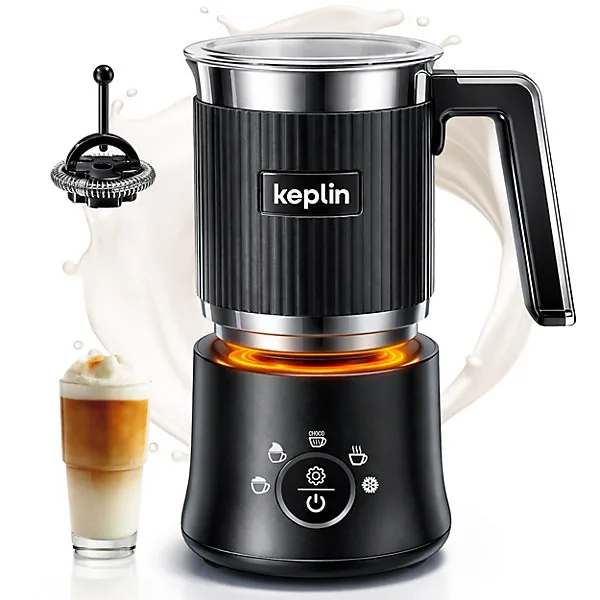
If you have ever asked yourself what milk frother for home barista actually delivers cafe-quality foam without a steep learning curve, you are not alone. The right choice depends on how you make coffee, what textures you prefer, and how much effort you want each morning.
Manufacturer specifications show that most electric frothers reach 150°F in under 90 seconds. Handheld whisks take about 20 seconds of active work but never heat the milk. That difference alone shapes your entire routine.
Let us walk through the options so you can pick the one that fits your kitchen and your coffee style.
Why Your Milk Frother Choice Actually Matters
Not all foam is created equal. A handheld whisk gives you big, bubbly foam that sits on top of your coffee. A steam wand creates microfoam, tiny velvety bubbles that blend into the espresso and let you pour latte art.
The difference matters more than you think.
If you make cappuccinos, you want thick foam that holds its shape. For lattes, you need smooth microfoam that mixes evenly. For iced coffee, cold foam that stays light and airy.
One frother cannot do all three equally well.
Aggregate reviews confirm that home baristas who upgrade from a handheld to a steam wand notice a jump in drink quality. But a steam wand takes practice. A full automatic jug delivers consistent results with zero technique.
The tradeoff is texture precision.
Your choice also affects cleaning time, counter space, and noise level. A handheld whisk lets you froth in ten seconds and rinse in five. A stovetop steamer takes longer to set up but gives you pro-grade control.
The Four Main Types of Milk Frothers
There are four categories you will run into. Each one serves a different purpose.
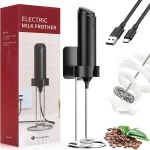
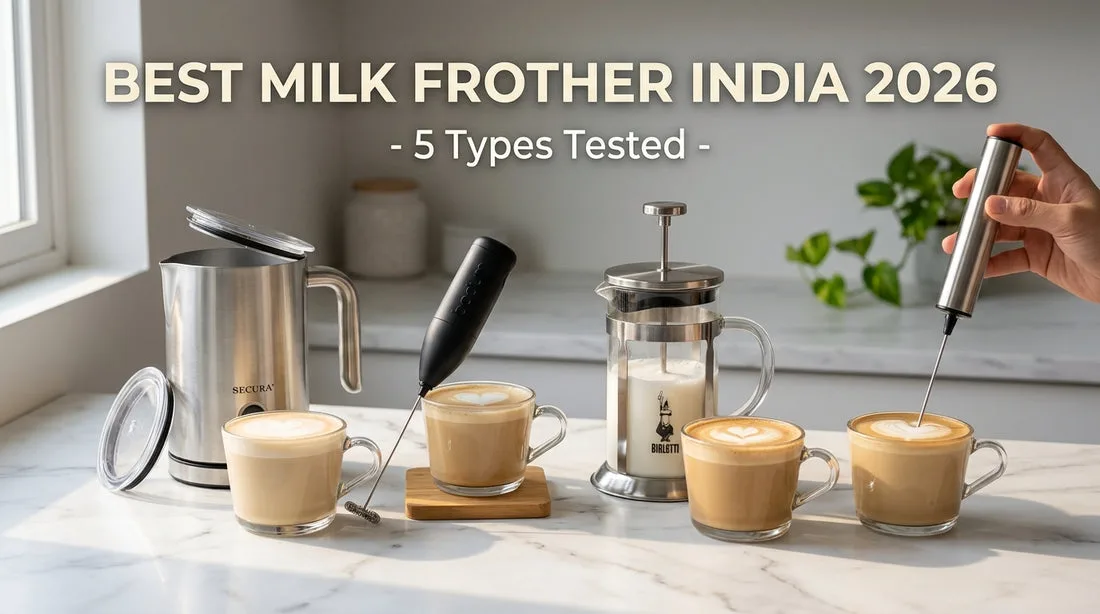
Handheld battery powered whisks are the cheapest and most portable option. You dip the spinning head into a cup of hot milk and create foam in about 20 seconds. No heat, so you must warm the milk separately.
Electric automatic frothers are standalone jugs with a heating element and a whisk disk. Pour in cold milk, press a button, and two minutes later you get hot frothed milk. Many models also make cold foam.
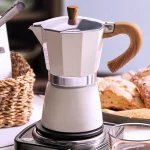
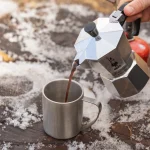
Stovetop steam wands are dedicated steamers like the Bellman. You fill a small boiler with water, heat it on the stove, then use the steam wand to froth milk manually. This gives you the same control as a commercial espresso machine without buying the machine.
Built in steam wands on espresso machines are the tool of choice for serious home baristas. They produce real microfoam if you learn the technique. Entry level machines often have weaker steam pressure, so results vary.
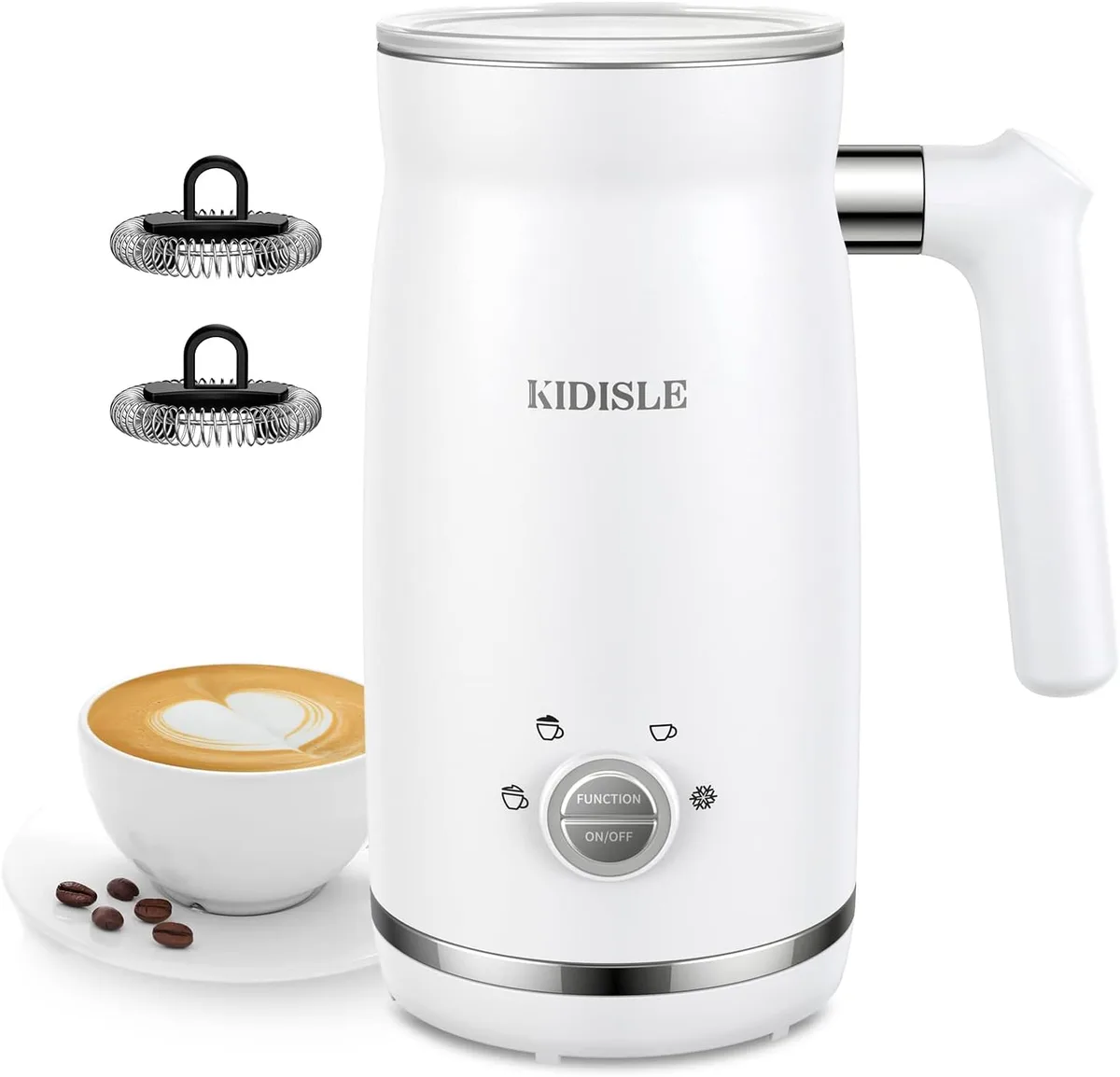
Handheld vs Automatic vs Stovetop vs Steam Wand: Head to Head
Let us put them side by side so you can see the real differences.
| Feature | Handheld | Automatic | Stovetop Wand | Built in Wand |
|---|---|---|---|---|
| Price range | $8 to $25 | $25 to $120 | $50 to $100 | Included with machine ($200+) |
| Froth quality | Large bubbles | Medium foam or cold foam | Microfoam | Microfoam |
| Heats milk? | No | Yes | Yes | Yes |
| Cleaning time | 10 seconds | 30 seconds | 5 minutes | 2 minutes |
| Learning curve | None | None | Moderate | Steep |
| Best for | Occasional use | Daily convenience | Craft latte art | Full espresso setup |
The handheld wins on cost and cleanup. The automatic is the easiest route to hot frothed milk every morning. The stovetop steamer bridges convenience and technique.
The built in wand is the endgame for those with an espresso machine who want full control.
If you are just starting, the automatic jug is the safest bet. If you want to practice latte art, skip the whisk and go straight for a steam source.
Best Frother for Your Coffee Style
Your personal coffee habits should drive the decision.
You drink lattes every day and want it fast. Get an automatic electric frother. Pour, press, walk away. In two minutes you have hot milk with a good foam layer.
The Nespresso Aeroccino and generic clones work well for this use case.
You want to pour latte art. You need a steam source. A built in wand on a dual boiler machine gives the best microfoam. A stovetop steamer like the Bellman is a much cheaper entry point.
Expect a few weeks of practice before you get consistent results.
You only make coffee on weekends and do not want extra gear. A handheld whisk plus a microwave warmed cup of milk does the job. It will not win any barista awards, but it is cheap and easy to store.
You love iced coffees and cold foam drinks. Look for an automatic frother with a cold foam setting. That is a separate whisk disk or a low temperature cycle that aerates milk without heat. Oat milk works especially well for cold foam.
You use plant based milk like oat, soy, or almond. Not all frothers handle these equally. Many automatic models have trouble with almond milk because it is thin. Handheld whisks work fine with plant milks if you shake the carton first and use fresh product.
Common Frothing Mistakes That Ruin Your Drink
Even with the best frother, small errors wreck the result.
Heating milk too hot. The ideal range is 150°F to 160°F. Above 170°F, milk proteins break down and the foam collapses. You also lose sweetness.
Use a thermometer until you learn the feel.
Over frothing or under frothing. Too much air creates stiff bubbly foam. Too little gives you warm milk with no texture. For a handheld whisk, keep the head just below the surface while swirling.
For a steam wand, stretch the milk for the first 5 seconds, then submerge to heat.
Using old or low fat milk. Fresh whole milk foams best because of its fat and protein balance. Skim milk can foam but the texture is drier. Plant milks vary widely.
Barista editions contain stabilizers that improve frothing.
Letting foam sit too long after frothing. Foam separates if you leave it standing. Swirl the pitcher or tap it on the counter to break large bubbles, then pour immediately.
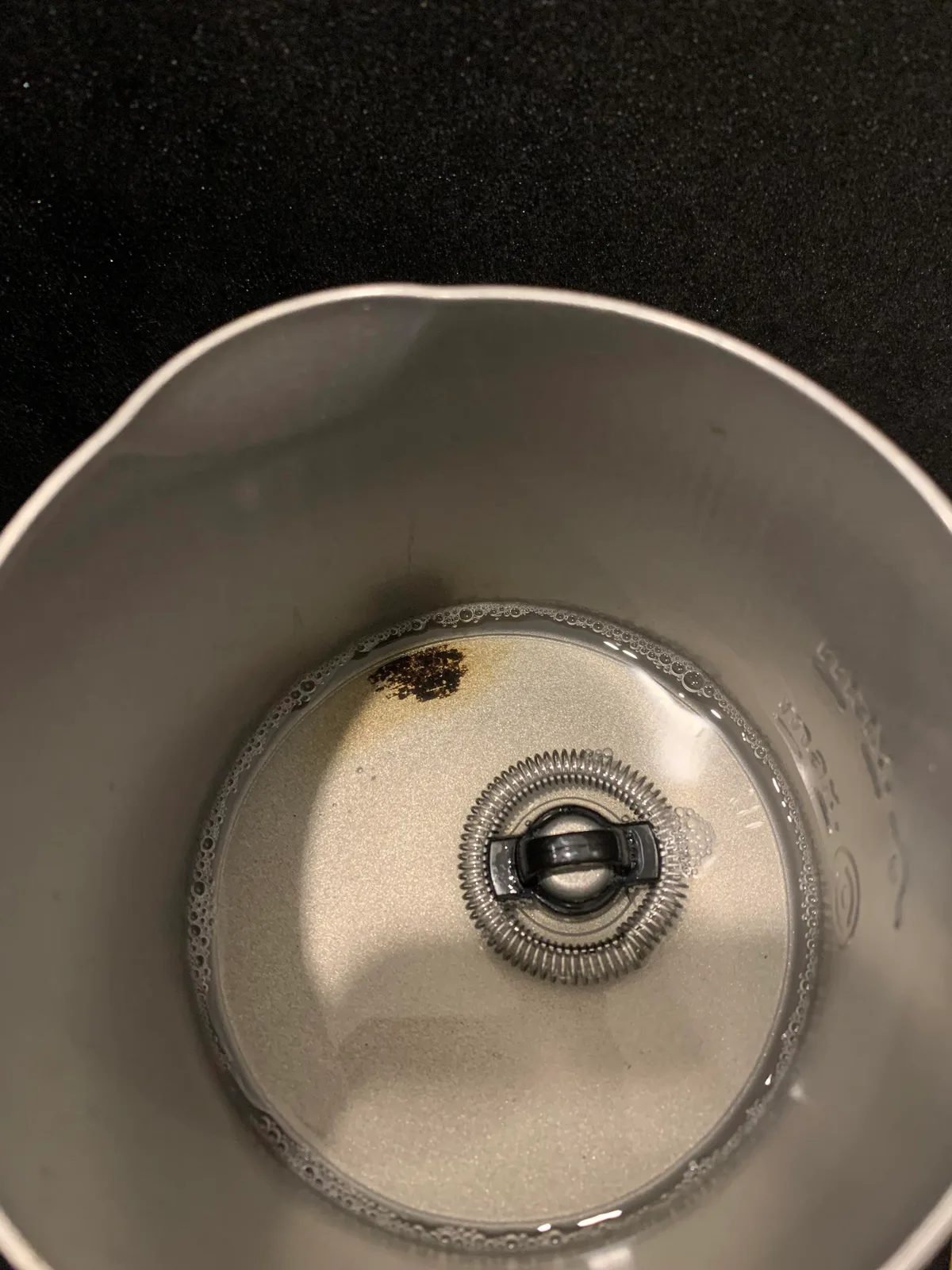
Not cleaning the frother right away. Milk residue dries hard and clogs whisk heads and steam wands. Rinse handheld whisks under hot water for 10 seconds. For automatic jugs, wipe the interior with a damp cloth after each use.
For steam wands, purge steam for 2 seconds and wipe the tip with a damp cloth.
What You Will Actually Spend: Price and Performance Data
Your budget sets real limits on what you can expect. Handheld whisks start around $8 and rarely exceed $25. They deliver decent foam but zero heat, and the motors typically last six to twelve months of daily use.
Automatic electric frothers range from $25 to $120. Cheaper ones use plastic jugs and basic heating elements. Pricier models around $80 to $120 add stainless steel interiors, multiple temperature settings, and cold foam modes.
Manufacturer spec sheets confirm that higher end units heat milk within 2°F of the target consistently.
Stovetop steamers like the Bellman run $50 to $100. They last years with proper care and produce steam pressure comparable to commercial machines. The tradeoff is setup time.
You need five minutes to heat the boiler before frothing.
Built in steam wands come with the espresso machine, so the cost is folded into that purchase. Entry level machines under $300 often have weak steam power. Machines in the $500 to $1,500 range provide the pressure needed for true microfoam.
| Type | Price Range | Lifespan (years) | Foam Quality |
|---|---|---|---|
| Handheld | $8 to $25 | 0.5 to 1 | Good (large bubbles) |
| Automatic | $25 to $120 | 2 to 4 | Good to excellent |
| Stovetop | $50 to $100 | 5 to 10 | Excellent microfoam |
| Built in wand | Included | 5 to 15 | Best (with practice) |
The bottom line: spend $60 to $80 on an automatic frother for reliable performance without learning a skill. Spend $70 on a stovetop steamer if you want cafe quality texture and are ready to practice.
Maintenance and Long Term Care
A milk frother is only as good as its cleaning routine. Milk residue contains proteins and fats that bake onto heating surfaces. That residue burns, creates off flavors, and shortens the appliance life.
For handheld whisks: rinse the shaft under hot water for 10 seconds immediately after use. Dry it with a towel. Once a week, remove the whisk head and wash it with dish soap.
Battery corrosion is the most common failure point, so take the batteries out if you will not use it for a week.
For automatic frothers: wipe the inside of the jug with a damp cloth after every use. Most models have a non stick coating, so avoid abrasive scrubbers. Once a month, fill the jug with water and a drop of dish soap, run the froth cycle, then rinse twice.
The Consumer Product Safety Commission recommends checking for frayed power cords regularly on any countertop appliance.
For stovetop steamers: after each session, release any remaining steam pressure, let the unit cool, and rinse the boiler with fresh water. Clean the steam wand tip with a damp cloth after every use. Every three months, descale the boiler with a vinegar solution of one part white vinegar to three parts water to prevent mineral buildup.
For built in steam wands: purge steam for two seconds immediately after frothing to clear milk from the tip. Wipe the wand with a damp cloth. Deep clean the wand monthly with a steam wand cleaner or by soaking the tip in a descaling solution.
If your machine has a removable rubber tip, take it off and wash it separately.
Skipping maintenance costs you flavor and money. Burnt milk residue is nearly impossible to remove once it carbonizes, and it will make every subsequent drink taste scorched.
Quick FAQ
Can I froth cold milk with a handheld whisk?
Yes. Handheld whisks produce cold foam easily. The milk stays at refrigerator temperature, and the foam is light and airy.
It works great for iced lattes but will not hold its structure as long as hot foam.
Do I need a specific frother for oat milk?
Not necessarily, but oat milk with added stabilizers (often labeled barista edition) froths much better than standard oat milk. Handheld whisks handle it well. Automatic frothers sometimes struggle with thin oat milk, so check user feedback for your specific model.
How do I know when the milk is hot enough without a thermometer?
150°F to 160°F is the sweet spot. You can test by feeling the side of the pitcher. It should be too hot to hold comfortably but not boiling.
If small bubbles form around the edge, it is close to overheating. A dedicated thermometer costs $10 and removes the guesswork.
Is a stovetop steamer worth the extra effort?
Yes, if you want microfoam for latte art. It gives you the same control as a commercial steam wand at a fraction of the cost. The extra five minutes of setup and cleanup are worth it for drink quality.
For straight hot milk, an automatic frother is easier.
How long does a typical automatic frother last?
Two to four years with regular use. Non stick coating degrades over time, and the heating element may lose efficiency. Higher end models with stainless steel interiors tend to last longer.
Proper cleaning and descaling extend the lifespan significantly.

Similar Posts