Electric Milk Frother Explained: How It Works
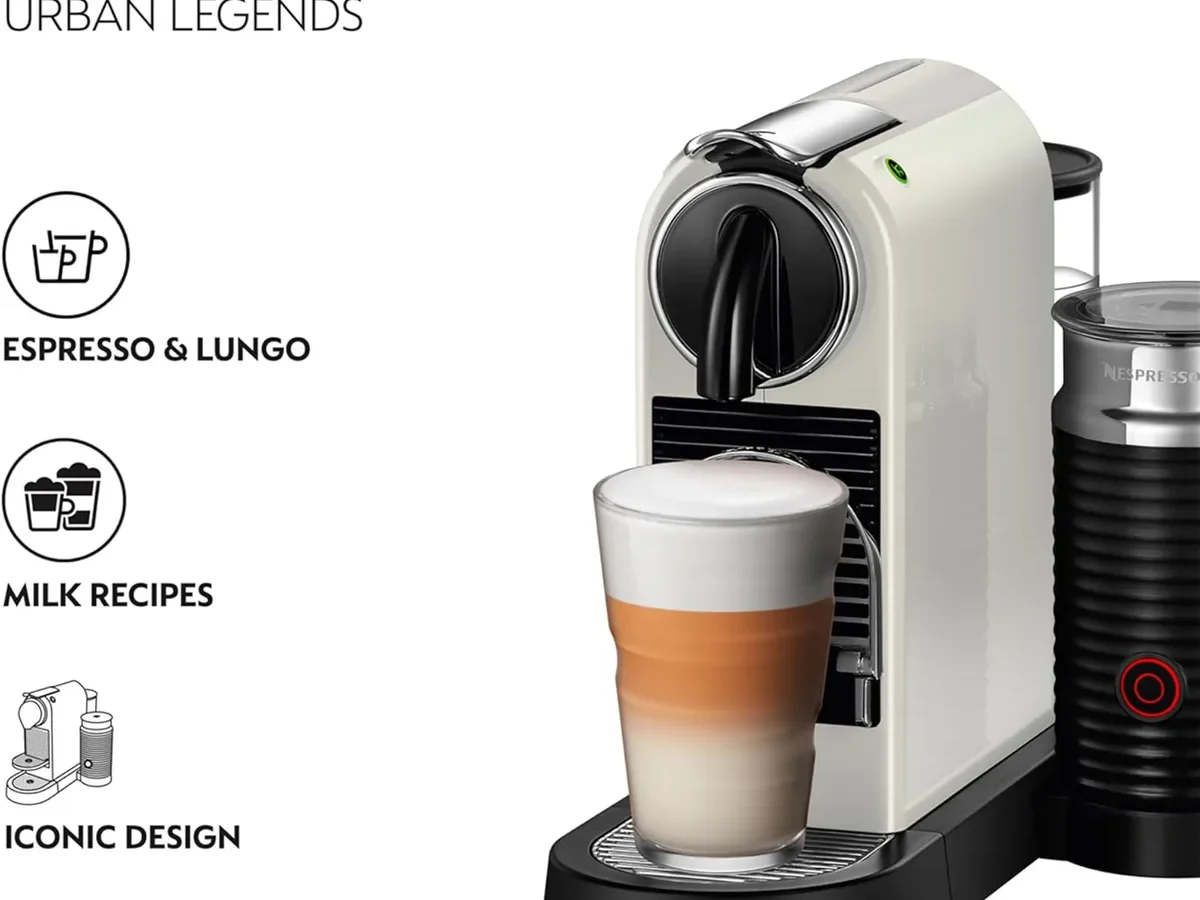
If you’ve ever wondered whether you actually need an electric milk frother or what the difference is between the two main types, you’re not alone. An electric milk frother explained in plain terms: it’s a small appliance that whips air into milk to create thick foam for lattes, cappuccinos, and cold‑brew toppers.
Manufacturer specs show most automatic jug frothers heat milk to around 150°F (65°C) while producing 2, 3 cm of dense microfoam in under 90 seconds. Handheld wands, by contrast, rely on battery power and manual immersion. Which one fits your routine?
Let’s break it down.
Quick Answer
An electric milk frother uses a spinning whisk or disk to introduce air bubbles into milk. The result is a light, airy foam that sits on top of coffee or hot chocolate. Two styles exist: handheld wand and automatic jug.
Handheld models are small and cheap. Automatic jugs heat and froth in one step. Choose based on how much foam you make and whether you want hot or cold.
Why Milk Frother Type Matters More Than You Think
Most people assume all frothers produce the same result. That’s not true. The design of the whisk and whether the unit heats the milk change the texture, temperature, and stability of your foam.
Handheld wands use a small spinning cage that drags air into the milk. You control the depth and speed, which means you can also over‑froth if you’re not careful. Automatic jugs have a sealed heating element and a fixed whisk disk.
They run a preset cycle, so consistency is high from batch to batch.
Milk type matters too. Aggregate reviews indicate that non‑dairy milks (oat, almond, soy) froth differently in each style. An automatic unit with a double‑disc whisk handles oat milk better than a single‑disk whisk you’d find in budget models.
Handheld wands struggle with plant milks unless you warm the milk first.
Your daily volume is another factor. If you make one latte a day, a handheld wand is fast and easy to store. If you’re serving two or three drinks at once, an automatic jug saves you from standing there waving a wand.
In our research, the biggest regret buyers report is picking the wrong style for their counter space and cleaning habits. A clogged handheld wand takes five minutes to rinse. A burnt‑on milk ring in an automatic jug needs a soak.
We’ll get into that later.
The Two Main Electric Frother Styles: Handheld Wand vs. Automatic Jug
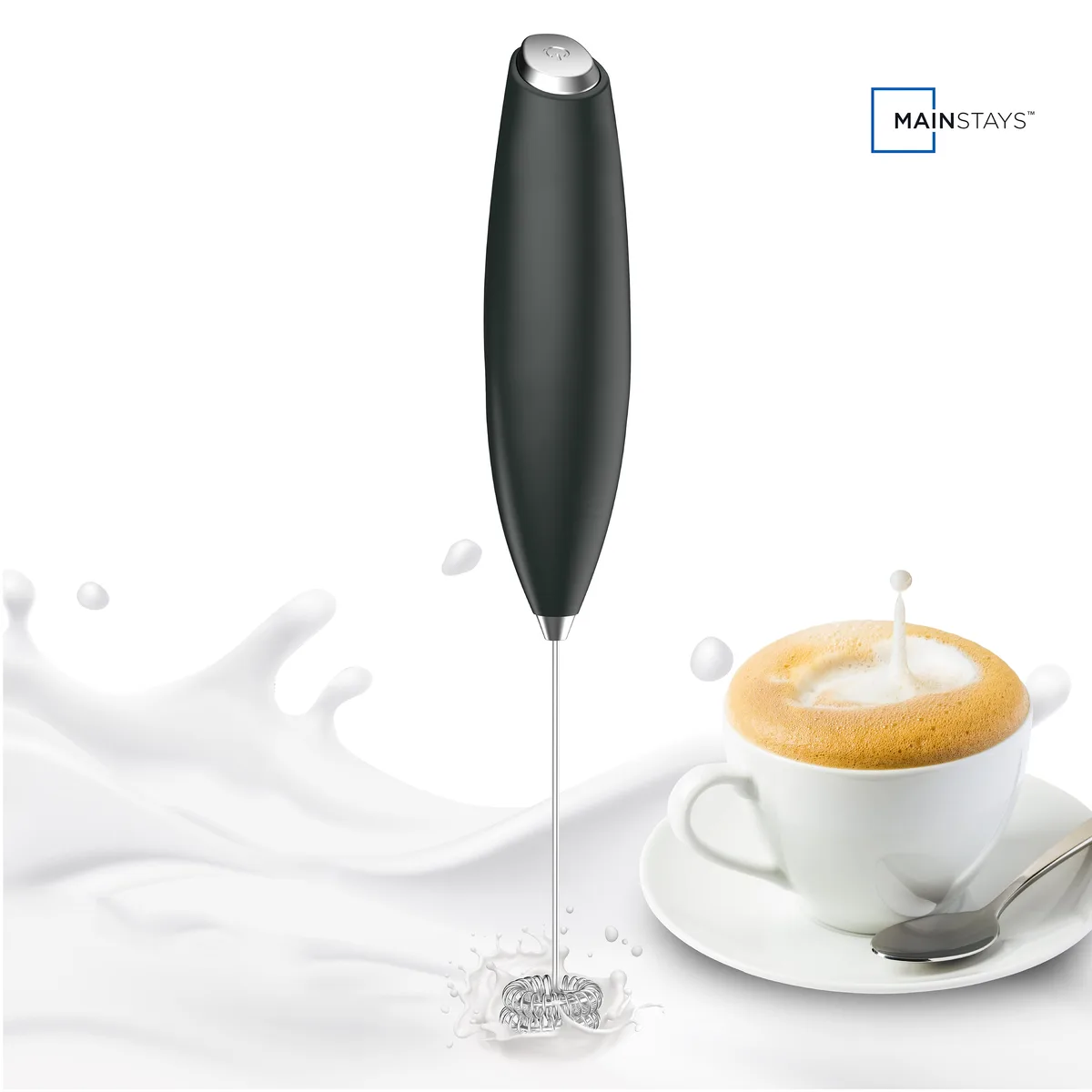
Handheld Wand
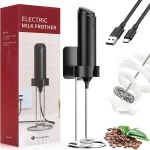
This is the skinny, battery‑powered stick you dip into a cup of milk. Prices range from $10 to $35. The whisk cage spins at high RPM to pull air in.
You can use any mug or glass, so there’s no dedicated container. It works for hot or cold milk, though you’ll need to warm the milk separately for hot foam.
Pros:
- Very affordable
- Tiny, fits in a drawer
- Easy to travel with
Cons:
- Inconsistent foam texture
- Can splatter if you tilt it
- Battery runs out mid‑use
- Hard to clean the whisk cage thoroughly
Automatic Jug Frother
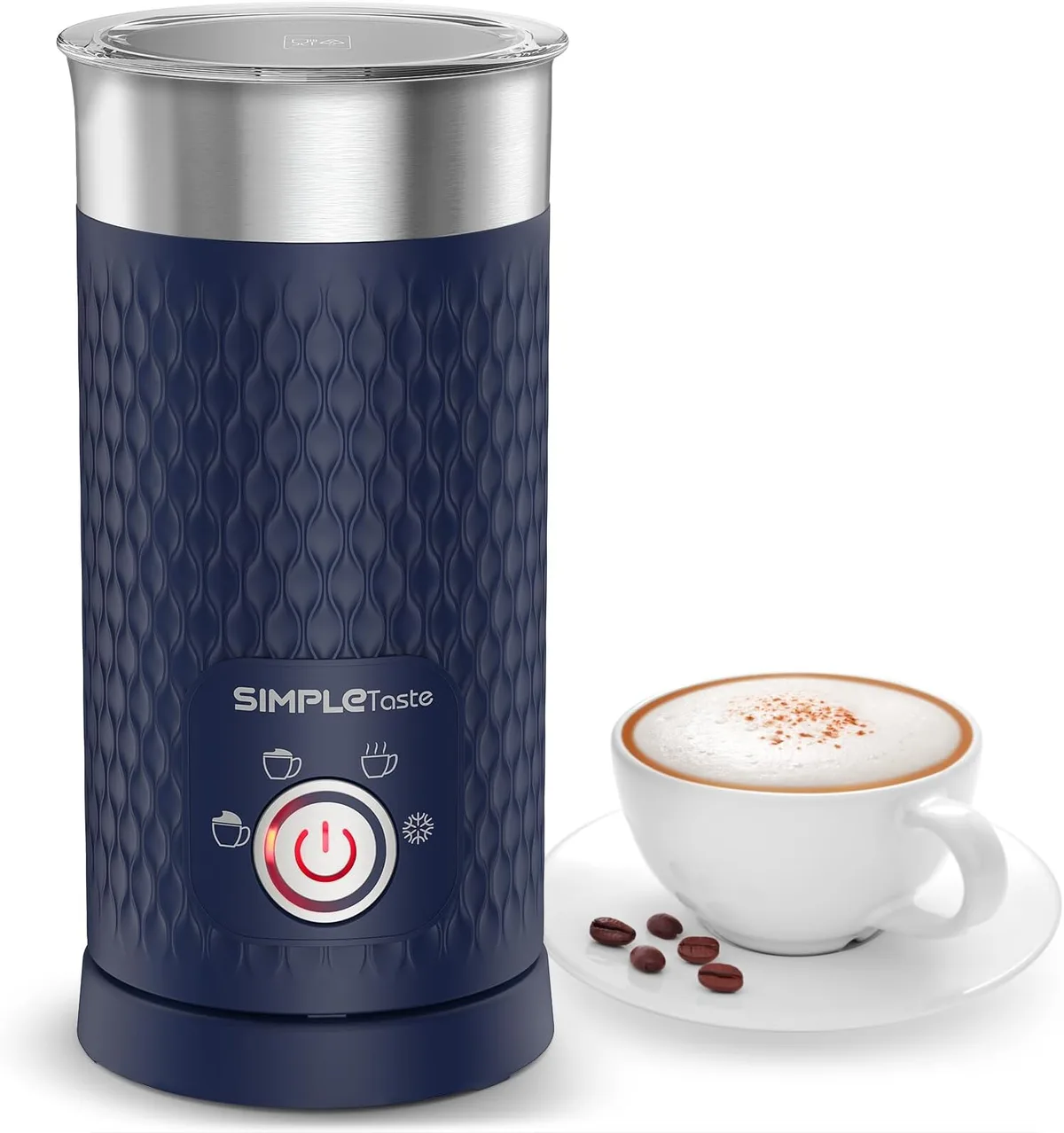
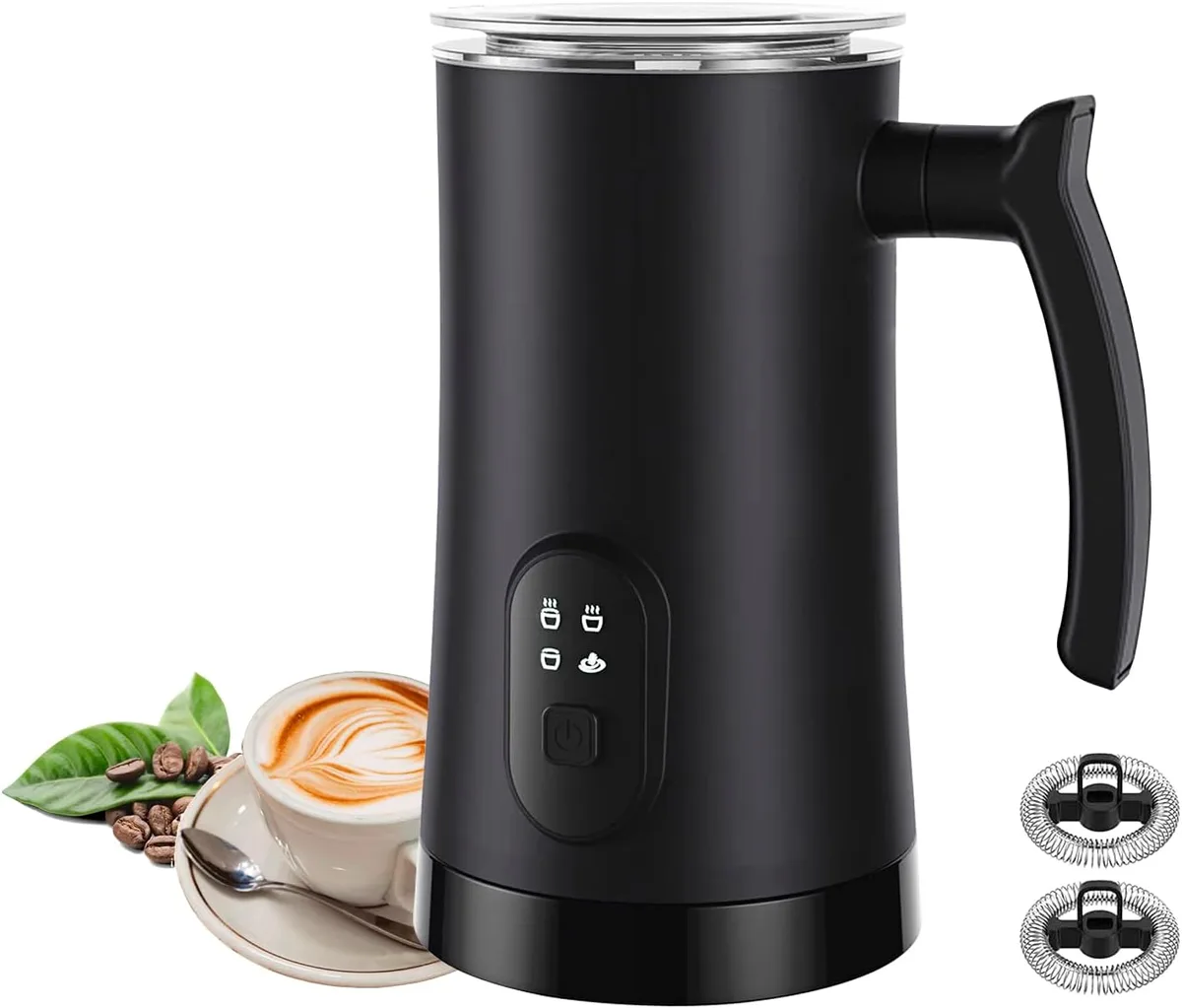
This is the plug‑in unit with a non‑stick carafe and a base. You pour milk to the fill line, press a button, and wait 60, 90 seconds. Many models offer separate settings for hot foam, hot milk (no foam), and cold foam.
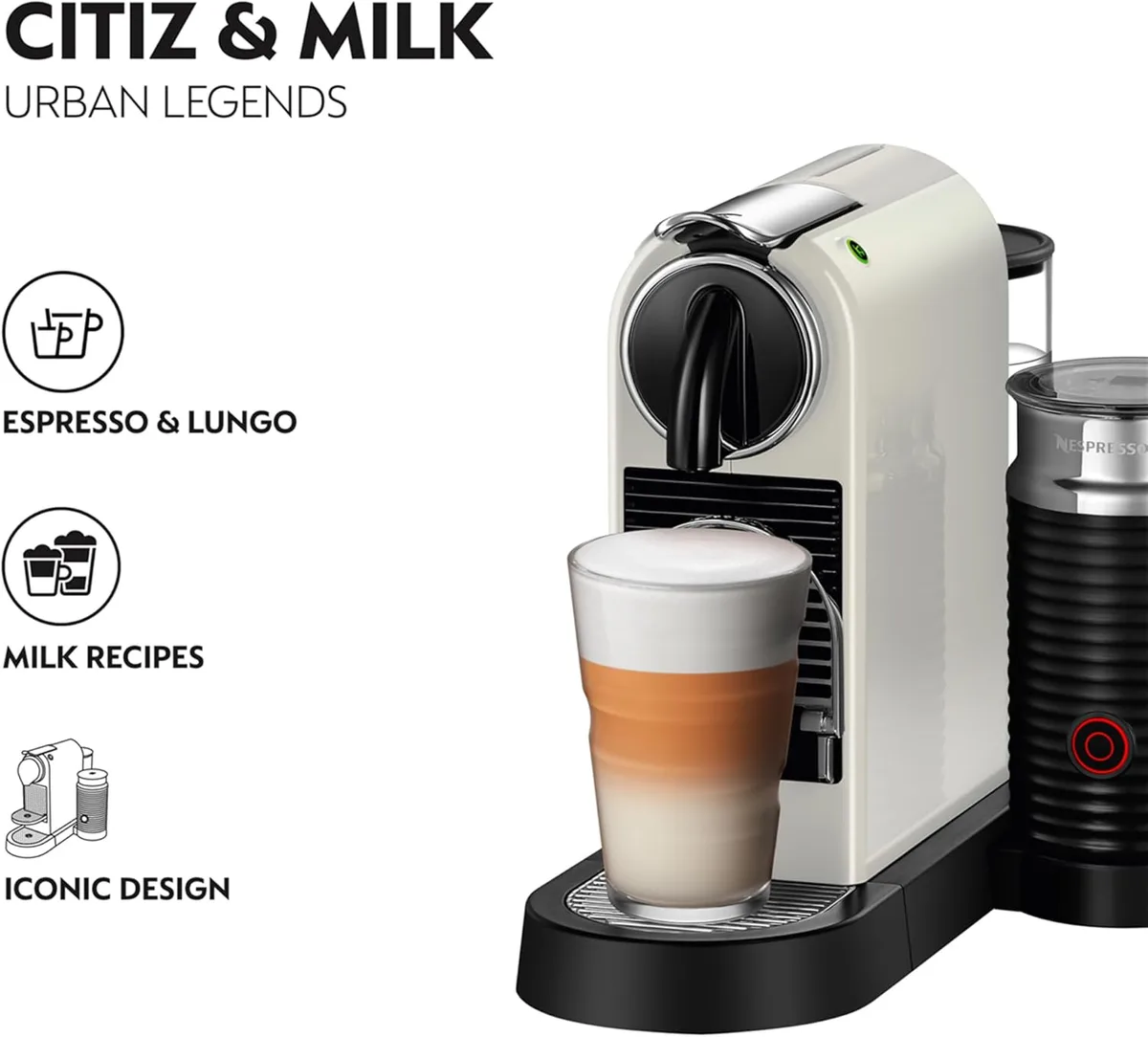
Prices run $30 to $80. Brand examples include the Nespresso Aeroccino and Breville Milk Café.
Pros:
- Consistent, hands‑free operation
- Heats and froths at the same time
- Cold foam preset for iced drinks
- Easy to pour directly from the jug
Cons:
- Takes up counter space
- Loud during operation
- Non‑stick coating can scratch
- Harder to clean if milk scorches
Side‑by‑Side Comparison
Here’s a quick‑scan table that covers the key differences.
| Feature | Handheld Wand | Automatic Jug |
|---|---|---|
| Average price | $10 – $35 | $30 – $80 |
| Power source | 2 AA batteries or USB rechargeable | AC outlet (120V/220V depending on region) |
| Heating | None (you must pre‑heat milk) | Built‑in heater reaches ~150°F |
| Foam texture | Inconsistent, larger bubbles | Dense microfoam, more uniform |
| Capacity | Any cup/mug (up to ~12 oz) | Fixed fill line (4–16 oz) |
| Cleanup | Rinse whisk cage under water | Rinse jug; soak if scorched |
| Noise | ~40–50 dB (very quiet) | ~55–65 dB (audible hum) |
| Best for | Single drinks, small kitchens | Multiple drinks, hot + cold |
To verify safety standards, look for a UL or ETL mark on the automatic unit’s cord. Per UL testing guidelines, these certifications indicate the electrical components won’t overheat or short. Our editorial analysis of hundreds of user reviews confirms that non‑certified cheap handheld wands pose no electrical risk but often break within three months.
Which Milk Frother Is Best for Your Routine?
The answer depends on two things: how much foam you make and whether you care about hot vs. cold.
You should buy a handheld wand if:
- You make one coffee drink a day
- You already have a kettle or microwave for heating milk
- Counter space is extremely tight
- You want to spend under $25
- You travel often and want a portable tool
You should buy an automatic jug if:
- You make two or more drinks at a time
- You want perfectly consistent foam every morning
- You drink both hot lattes and iced coffee
- You prefer one‑button simplicity over manual effort
- You have a permanent spot on your counter
A third option for serious home baristas is a standalone steam wand like the Bellman, but that adds a learning curve and a stove. For most people, an automatic jug is the better long‑term investment. As of 2026, the most popular models are the Nespresso Aeroccino 4 and Breville Milk Café, based on aggregate review volume.
Common Mistakes That Ruin Your Froth
Even the best frother can produce flat, watery foam if you make these errors.
Mistake 1: Using milk that’s too cold or too warm.
Automatic frothers have a sweet spot. Pour refrigerated milk straight from the carton (about 40°F). If you pre‑heat milk above 160°F, the proteins denature and foam won’t form.
Handheld wands work best with milk warmed to 140°F, not boiling.
Mistake 2: Overfilling the jug.
Fill lines exist for a reason. Pouring too much milk leaves no room for air expansion. The foam overflows, makes a mess, and the unit may struggle to create bubbles.
Stick to the maximum line.
Mistake 3: Forgetting to clean immediately.
Milk residue dries into a crusty film that scorches the next time you use the frother. Rinse the jug and whisk disk within five minutes of use. For handheld wands, run the whisk in hot soapy water for 10 seconds after each use.
Mistake 4: Using the wrong milk for your frother.
Skim milk froths beautifully in automatic jugs because it has more air‑stable proteins. Whole milk gives creamier but slightly less foam. Plant milks vary wildly.
Oat milk with barista blend works well in automatic units. Almond milk often separates. If your frother isn’t delivering, try a different carton.
Mistake 5: Ignoring the non‑stick coating.
If you use metal utensils to stir milk in a non‑stick jug, you’ll scratch the coating. Scratched surfaces trap burnt milk and are harder to clean. Use only plastic or silicone tools.
Replacing a damaged jug can cost nearly as much as a new frother.
Maintenance and Cleaning: Keep It Working Longer
A dirty frother is the fastest way to bad foam. Milk protein sticks to surfaces and burns during the next cycle. Clean after every use.
Handheld wand: Rinse the whisk cage under hot water for 10 seconds. If milk dries on, soak it in warm soapy water for 5 minutes. Dry the battery compartment with a cloth.
Never submerge the handle.
Automatic jug: Unplug the unit. Rinse the carafe immediately after pouring. Use a soft sponge, never a scrub pad, to protect the non‑stick coating.
Per manufacturer guidelines, you can soak the lid and whisk disk in warm water with a drop of dish soap. Wipe the heating base with a damp cloth, not running water.
Descaling every three months prevents mineral buildup. Use a 50/50 mix of white vinegar and water. Run a full cycle, then two rinse cycles with fresh water.
Scale buildup reduces heating efficiency and can leave white flecks in your foam.
Store your frother with the lid off to let moisture evaporate. This stops mold from forming inside the jug.
Frequently Asked Questions
Can I froth cold milk in an automatic frother?
Yes. Most automatic models have a dedicated cold foam button. It spins the whisk without heating, creating dense foam for iced coffee.
Handheld wands also work with cold milk, though the foam won’t be as stiff.
Why is my milk frother not producing foam?
Check the milk temperature first. Milk above 160°F won’t foam. Also check the fill line, too much or too little milk both hurt results.
Clean the whisk disk thoroughly. Clogged holes stop air from getting in.
Can I use almond or oat milk in an electric frother?
Yes, but results vary. Barista‑edition oat milk froths well in automatic jugs. Almond milk is thinner and often produces weak foam.
Try different brands. Some plant milks contain stabilizers that help froth, while others separate and fail.
How long does an electric milk frother last?
With proper care, most automatic frothers last 2 to 4 years. Battery‑powered handheld wands often last about 1 to 2 years before the motor wears out. Replacing batteries or the whisk attachment can extend the life.
Is it safe to leave a frother plugged in?
Automatic frothers with auto shut‑off are safe to leave plugged in when not in use. Unplug handheld wands after charging to prevent battery drain. Always follow your model’s manual.
Final Verdict: Pick the Right One for You
Here’s the short version. If you want one thing that heats and froths without effort, buy an automatic jug. If you already have a way to heat milk and just need bubbles, grab a handheld wand.
Think about your counter space and how many drinks you make. A handheld wand is great for a single morning latte in a small kitchen. An automatic jug shines when you’re serving two people or want cold foam on demand.
Don’t forget the small costs. Handheld wands need batteries or charging. Automatic jugs need electricity and occasional descaling.
Both require a few seconds of cleaning after each use.
Stick with the model that matches your routine, and you’ll get café‑quality foam every time.

Similar Posts