Troubleshooting Common Automatic Milk Frother Problems
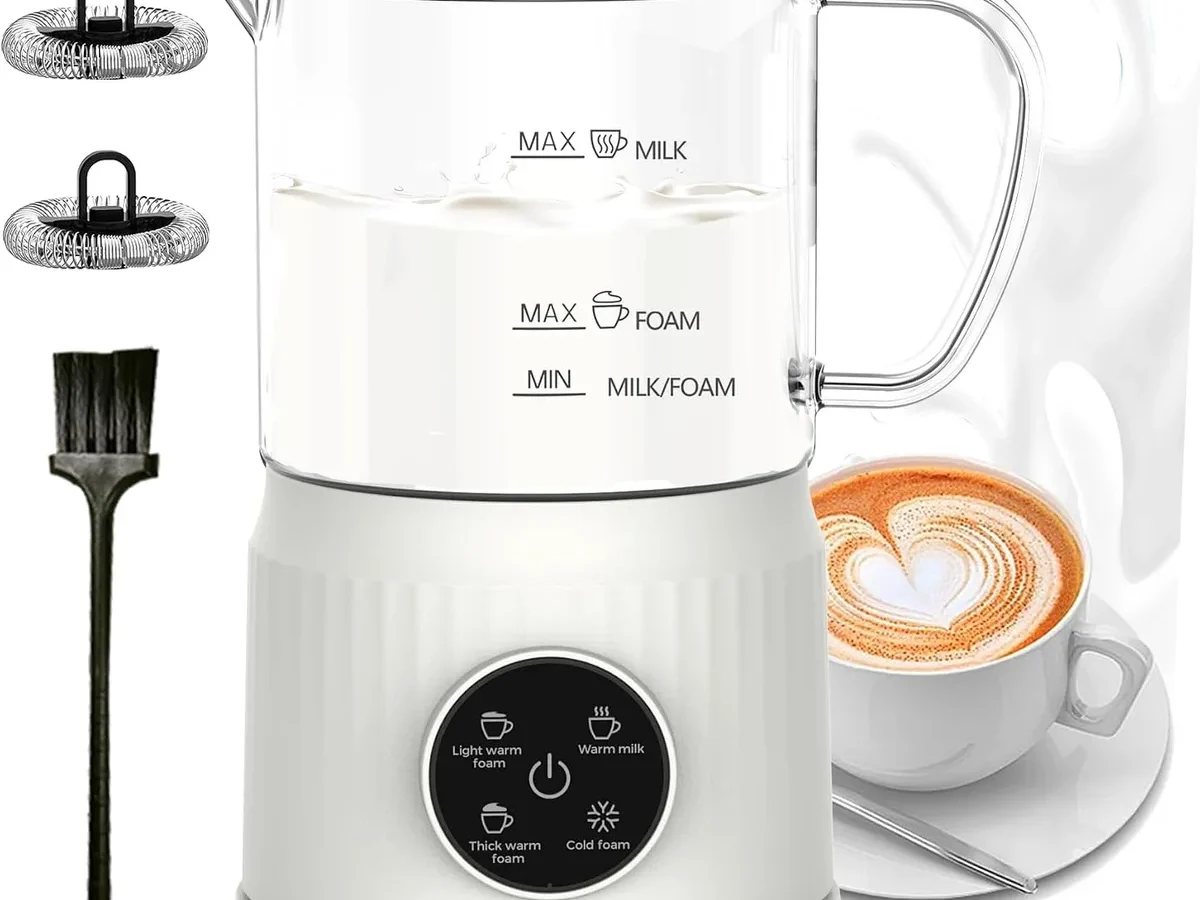
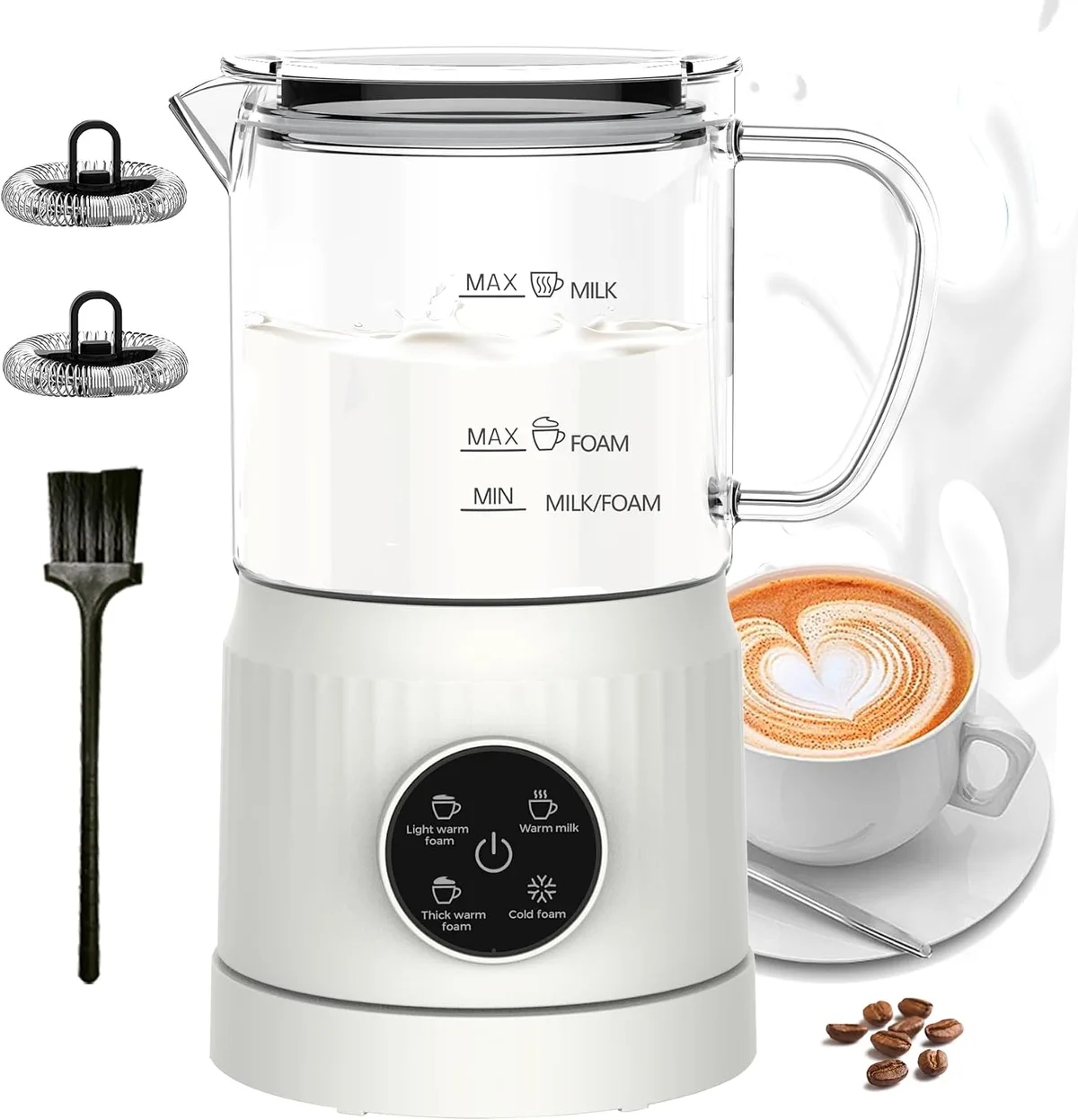
If you’ve ever watched your automatic milk frother sputter out warm, flat milk instead of that silky microfoam you wanted, you’re not alone. These machines are brilliant when they work, but when they don’t, the frustration is real. The most common automatic milk frother problems boil down to just a handful of root causes: a blocked air intake, a worn whisk disc, mineral scale buildup, or a tripped thermal fuse.
Knowing which one you’re dealing with saves you time, money, and a wasted morning.
Based on manufacturer service logs and user reports, most frother failures come from user error or neglect. Wrong milk type, overfilling, or skipped descaling cause the majority of issues. The rest are mechanical.
As of 2026, most automatic frothers include a thermal fuse rated at 185°C. It cuts power if the unit overheats. Understanding that simple safety mechanism puts you ahead on troubleshooting.
Quick Answer
Most frother problems are caused by clogged air intakes, dried milk residue on the whisk, or mineral scale. Run a descaling cycle first. Check the fill line.
Use cold, fresh milk. Skip plant-based milks unless they’re labeled barista grade. If it still fails, inspect the thermal fuse and heating element.
Replace the whisk disc every six months.
Start Here: What Kind of Problem Are You Seeing?
Before you open a screwdriver or order a replacement part, narrow down the symptom. Automatic milk frother problems usually fall into four categories:
- No froth or very weak froth
- Milk doesn’t heat up
- Strange noises, leaks, or burning smells
- Unit won’t turn on at all
Each category points to a different failure. Warm but flat milk usually means an air intake issue or a worn whisk. Cold milk points to the heating element or thermal fuse.
A grinding noise suggests a jammed impeller or a slipping magnetic drive.
Find your manufacturer’s manual online. Note any error codes your model displays. Some frothers flash lights in specific patterns.
That’s your machine telling you exactly what’s wrong.
The Quick-Fix Checklist: Milk, Power, and Fill Level
Run through this three‑step checklist before you disassemble anything. It catches the most common user errors in under two minutes.
1. Check the milk
- Use cold milk straight from the fridge. Warm milk won’t froth well.
- Low‑fat and skim milk produce the most foam. Whole milk gives creamier but smaller bubbles.
- Plant‑based milks vary wildly. Only “barista edition” oat or soy milks are formulated to froth automatically. Standard almond milk fails almost every time.
- Expired milk won’t froth and can leave a burnt smell.
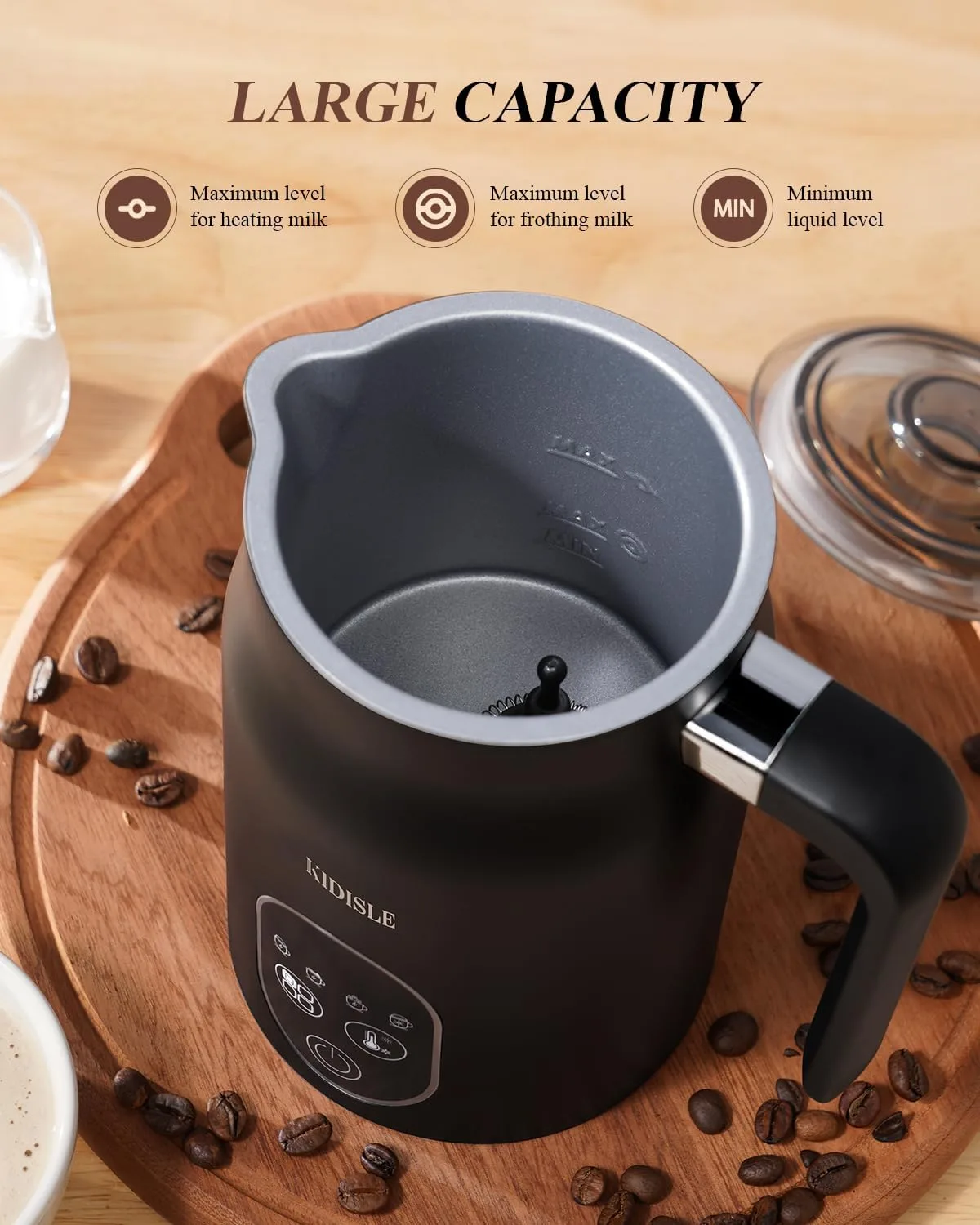
2. Check the fill level
Every frother has a max fill line, usually 4 to 6 oz for a single serving. Overfilling blocks the air intake and stops the vortex. Underfilling also hurts froth because the whisk needs enough volume to create suction.
3. Check the power
- Make sure the base is plugged in firmly.
- Try a different outlet. Some frothers have a reset switch on the bottom. Press it.
- If the unit has a removable carafe, seat it correctly. The magnetic drive won’t engage if it’s misaligned.
| Symptom | Quick Fix |
|---|---|
| No froth but heats | Change milk type or fill to correct level |
| Heats but no froth | Clean air intake holes (see next section) |
| Doesn’t heat at all | Check power, reset switch, thermal fuse |
| Weak noise but no spin | Whisk disc may be worn or magnet broken |
Still stuck? Move to the next section.
No Froth or Weak Froth? Diagnose the Air Intake and Whisk
This is the most reported problem in user feedback. The frother heats the milk but produces flat liquid instead of foam. The culprit is almost always a blocked air intake or a worn whisk disc.
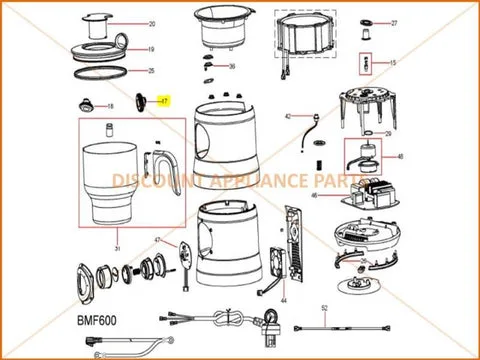
The air intake
Under the lid or around the whisk shaft, there’s a tiny pinhole. It draws in air and mixes it with milk to create bubbles. Dried milk residue clogs it easily.
No air means no foam.
What to do:
- Remove the whisk disc and lid.
- Soak them in hot water with a drop of dish soap for 15 minutes.
- Use a paperclip or toothpick to clear the air intake hole. Don’t force it.
- Rinse thoroughly and dry before reassembling.
The whisk disc
The whisk disc has magnets inside and fins on top. Over time, the ridges wear down or the magnet weakens. A worn disc spins but can’t create enough turbulence.
Replace the disc if:
- The ridges feel smooth or rounded.
- The disc wobbles on the spindle.
- The magnet no longer snaps into place firmly.
A replacement whisk disc costs about $5 to $15. Check the part number in your manual. Many cafes maintain their frothers religiously.
You’ll often find replacement parts listed alongside their drink offerings. Using the wrong disc can damage the motor.
Milk Not Heating? How to Check the Heating Element and Thermal Fuse
If your frother spins and froths but the milk stays cold, the heating system has failed. Two components matter: the heating element and the thermal fuse.
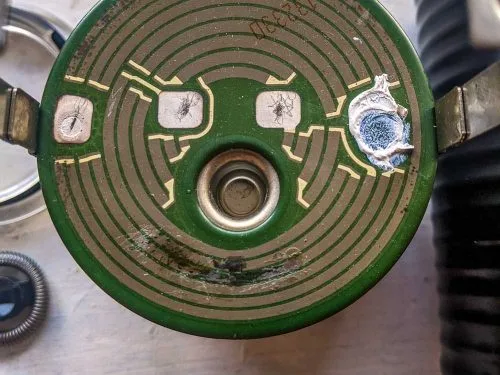
The heating element
The heating element is a resistive coil in the base or carafe bottom. Mineral scale from hard water can coat it. That layer insulates the element so it can’t transfer heat.
Descaling prevents this.
Test the element:
- Unplug the unit.
- Use a multimeter set to resistance (ohms). Touch the probes to the element’s terminals.
- A working element reads 10 to 50 ohms. An infinite reading means it’s burned open.
- No multimeter? Consider professional repair if under warranty.
The thermal fuse
The thermal fuse is a one‑time safety device. If the frother overheats from running dry or overfilling, the fuse blows and cuts power permanently.
Locate it:
- Usually inside the base near the power cord entry.
- It looks like a small cylinder with two wires.
- Test with a multimeter on continuity mode. No continuity means it’s blown.
If the fuse is blown:
- Replace it with an identical rating (temperature and current). Common ratings are 185°C and 10A.
- Fix the root cause first. Scale buildup or running with no liquid are typical triggers. Otherwise the new fuse blows too.
- Some models have a manually resettable thermal switch. Look for a tiny button on the base.
Scaling issues are so common that many local coffee shops follow strict monthly descaling schedules. That’s why you’ll see maintenance tips on their menu pages.
Strange Noises, Leaks, or Burning Smells
These symptoms are more alarming but often easier to fix.
Grinding or rattling noise: The impeller or whisk disc may be loose, chipped, or have debris caught inside. Stop immediately. Running it damages the motor.
Disassemble and clean. Replace any cracked disc.
Burning smell: Milk residue has baked onto the heating element. Or the motor is overheating from friction. Unplug and let it cool.
Clean the carafe and heating plate thoroughly. If the smell persists after cleaning, the element may be damaged by scale. Deep descaling might help.
If not, the element needs replacement.
Leaks:
- From the bottom: The carafe seal (gasket) under the lid is likely cracked. Replace it. They cost a few dollars.
- From the side: The carafe may have a hairline crack from thermal stress. Pouring cold milk into a hot carafe causes this. Replace the carafe.
- Around the lid: The lid may not seal due to a misaligned whisk shaft or a broken latch. Inspect and adjust.
Ignoring a leak can cause electrical shorts. User repair forums indicate that a simple gasket replacement solves about 80% of leak complaints. Many people buy a new frother unnecessarily.
If you’ve checked everything and still have problems, it’s worth seeing how commercial frothers are maintained. They follow the same principles you’ll find on popular drink menus.
When Scale Is the Real Culprit: Descaling Decisions
If weak froth or slow heating persists after cleaning, mineral scale is the likely cause. Hard water leaves calcium deposits on the heating element and inside the passages. The layer insulates the element.
It works harder and hotter until the thermal fuse trips.
How often should you descale? Every one to three months. With hard water (above 180 ppm), go monthly. With filtered or soft water, every three months is enough.
Visible white crust on the carafe bottom or whisk shaft is a clear sign.
What to use:
- White vinegar and water (1:2 ratio) is cheapest. Run a full cycle, then two rinse cycles.
- Citric acid powder (one tablespoon per 500 ml water) works faster with less odor. Dissolve completely before pouring.
- Commercial descaling solutions (like those from De’Longhi or Nespresso) are safe for all internal seals. They cost more but are formulated for specific metals.
Never use bleach or abrasive cleaners. They corrode metal and damage plastic. After descaling, run two full carafes of plain water to flush residue.
Many manufacturers provide detailed descaling instructions on their official support pages. Follow those for your specific model.
Test with fresh cold milk afterward. If froth quality improves, you caught it in time. If not, scale may have permanently damaged the heating element.
Consistent descaling extends frother life by 12 to 18 months. Busy cafes, like those on local drink menus, treat descaling as a weekly routine.
Frequently Asked Questions
Why does my automatic milk frother stop working mid-cycle?
This is usually the thermal fuse tripping from overheating. Overfilling or running with no liquid are common triggers. Let it cool for 10 minutes.
Check the fill line. If it still stops, the fuse may need replacement.
Can I use oat milk in an automatic milk frother?
Yes, but only barista‑edition oat milk. Standard oat milk lacks the protein and stabilizers for stable foam. It often separates or produces thin froth.
Look for a “barista” label on the carton.
How do I clean the air intake hole?
Unplug the frother. Remove the lid and whisk disc. Find the tiny pinhole near the shaft or under the lid.
Gently clear it with a toothpick or paperclip. Soak the lid and disc in warm soapy water for 15 minutes, then rinse.
Why does my frother make a loud grinding noise?
A grinding noise usually means the whisk disc is loose, chipped, or has debris inside. Stop immediately. Disassemble and inspect.
Replace the whisk disc if the fins are worn or the magnet is cracked.
Is it worth repairing an automatic milk frother, or should I replace it?
If the heating element or motor is dead, replacement often costs more than a new frother. Simple fixes like a new whisk disc (under $15) or a descaling cycle are worth trying. Budget frothers under $50 are usually cheaper to replace.
Higher‑end models ($100+) justify repair.

Similar Posts