3 Moka Pot Problems & Easy Fixes
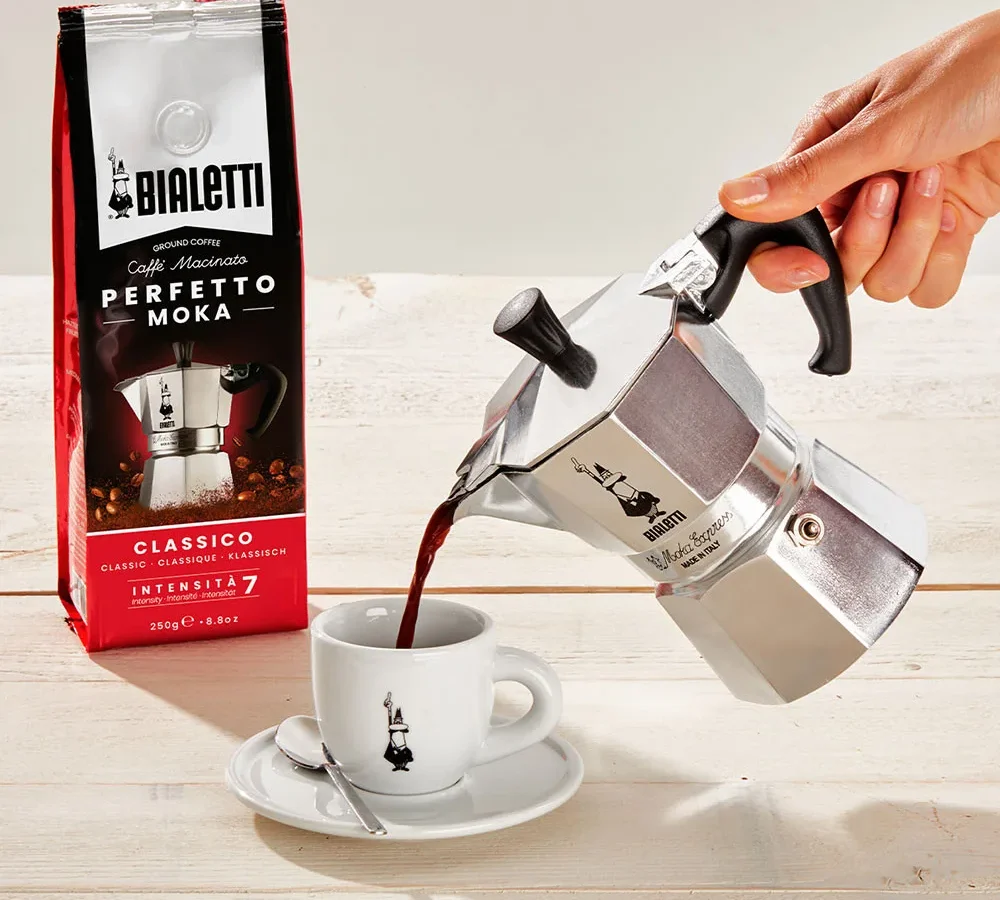
If your 3 cup moka pot problems have you ready to toss it in the back of the cupboard, hold up. Most issues are easy to fix once you know what to look for. Nine times out of ten, the culprit is heat too high, a grind that's off, or a gasket that's given up.
You don't need a new pot.
Per manufacturer specifications, a 3‑cup Moka pot holds roughly 170 millilitres of water and brews about 150 millilitres of concentrated coffee. That's a small window where everything has to line up. When it doesn't, you get frustration instead of a morning pick-me-up.
Let's work through each symptom one at a time and get your brewing back on track.
Quick Answer
Most Moka pot problems come from three errors. Too much heat burns the coffee. Wrong grind clogs or weakens the brew.
A worn gasket causes leaks. Check these first. Fix them and you're back to great coffee.
What's Going Wrong? Pinpoint Your Moka Pot Symptom
Before you start swapping parts or changing your whole routine, take a second to figure out exactly what's happening. Is the coffee bitter? Is it weak?
Is it leaking from the side or spurting out the top? Each symptom points to a different root cause. The fix is usually one variable away.
Here's a quick look at the most common 3 cup moka pot problems and what typically causes them:
| Symptom | Most Likely Cause |
|---|---|
| Bitter, burnt taste | Heat too high or over‑extraction |
| Sour, weak brew | Water not hot enough or grind too coarse |
| Leaks from threads or spout | Worn gasket, loose parts, or overfilled base |
| Sputtering or no coffee | Grind too fine clogging filter, or blocked safety valve |
| Metallic taste | New pot not seasoned; aluminum reacting |
The trick is to change only one thing at a time. If you adjust the grind and the heat at once, you won't know what worked. Start with the most likely culprit for your symptom.
Bitter or Burnt Coffee? Here's How to Fix It
Bitter coffee is the number one complaint with Moka pots. It happens when the brew chamber gets too hot and the coffee over-extracts. You're essentially cooking the grounds instead of gently extracting them.
The main fix: lower your heat
A Moka pot does not want high flame. Manufacturer specs recommend a medium‑low burner. If you're using the largest burner ring, switch to a smaller one.
On an electric stove, set it between 4 and 5 (out of 10). Gas users: keep the flame just inside the base diameter.
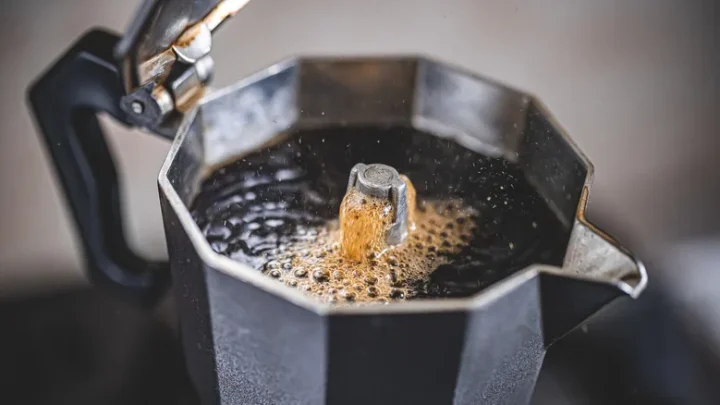
What happens with high heat? The water in the bottom chamber boils too aggressively, forcing steam through the coffee bed at high speed. That gives you a harsh, ashy taste. It can also cause the safety valve to release steam, which is a clear sign you're running too hot.
If you've already got bitter coffee, do this on your next brew:
- Fill the base with hot water from the tap, not cold. Hot water cuts the heating time and reduces bitterness.
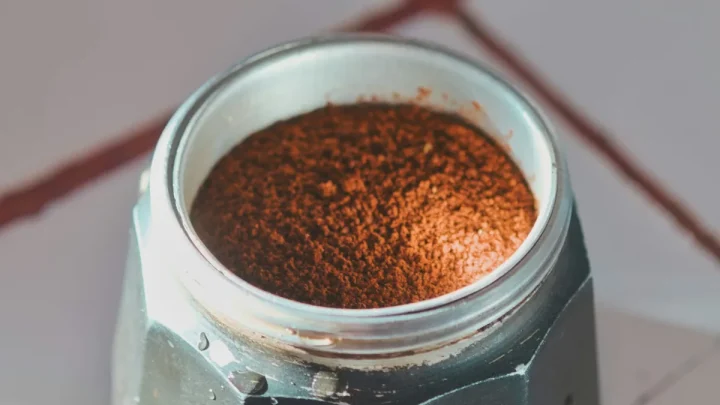
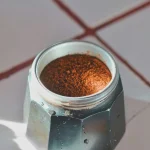
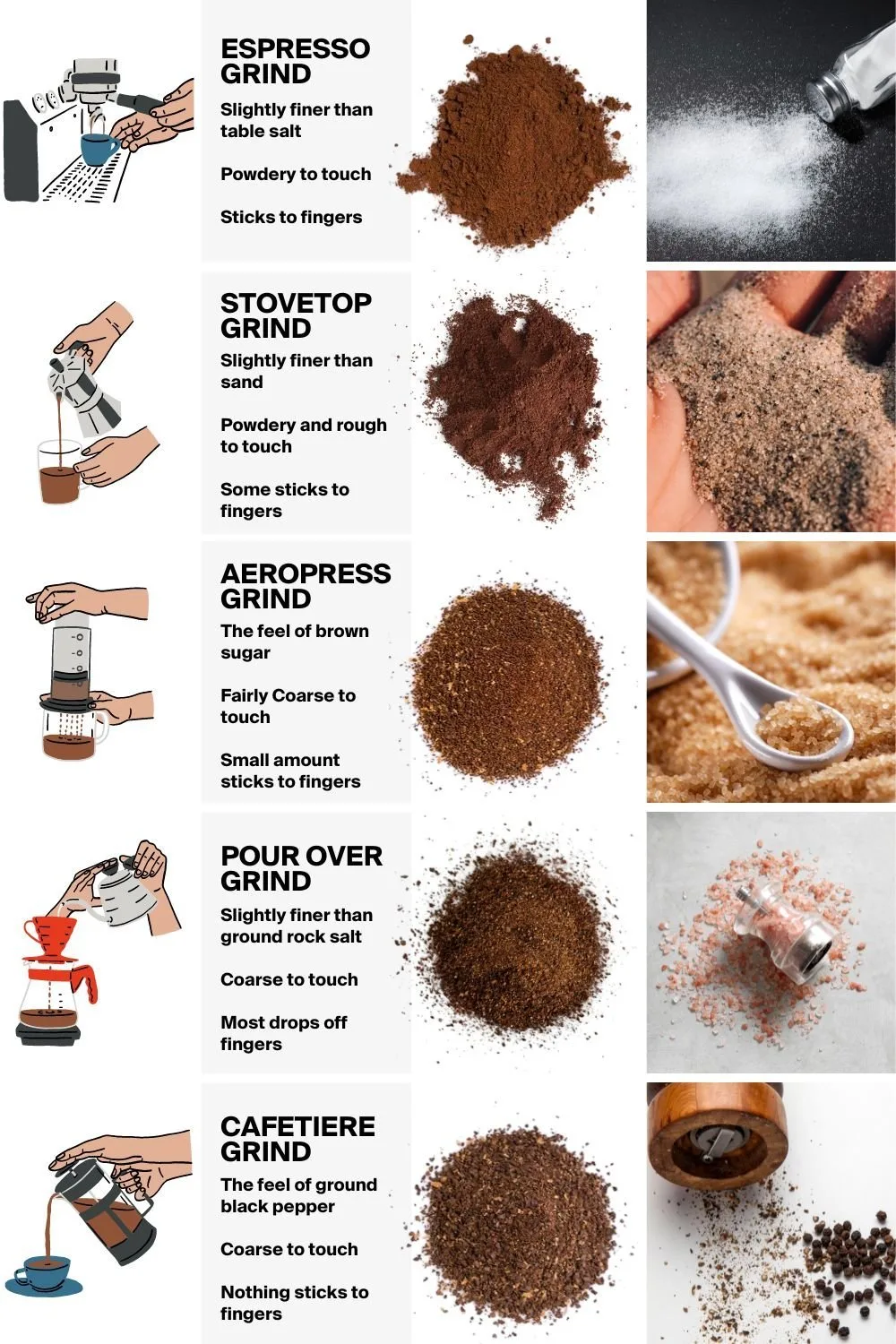
- Use a grind slightly coarser than espresso. For a 3‑cup pot, aim for a medium‑fine grind, similar to table salt.
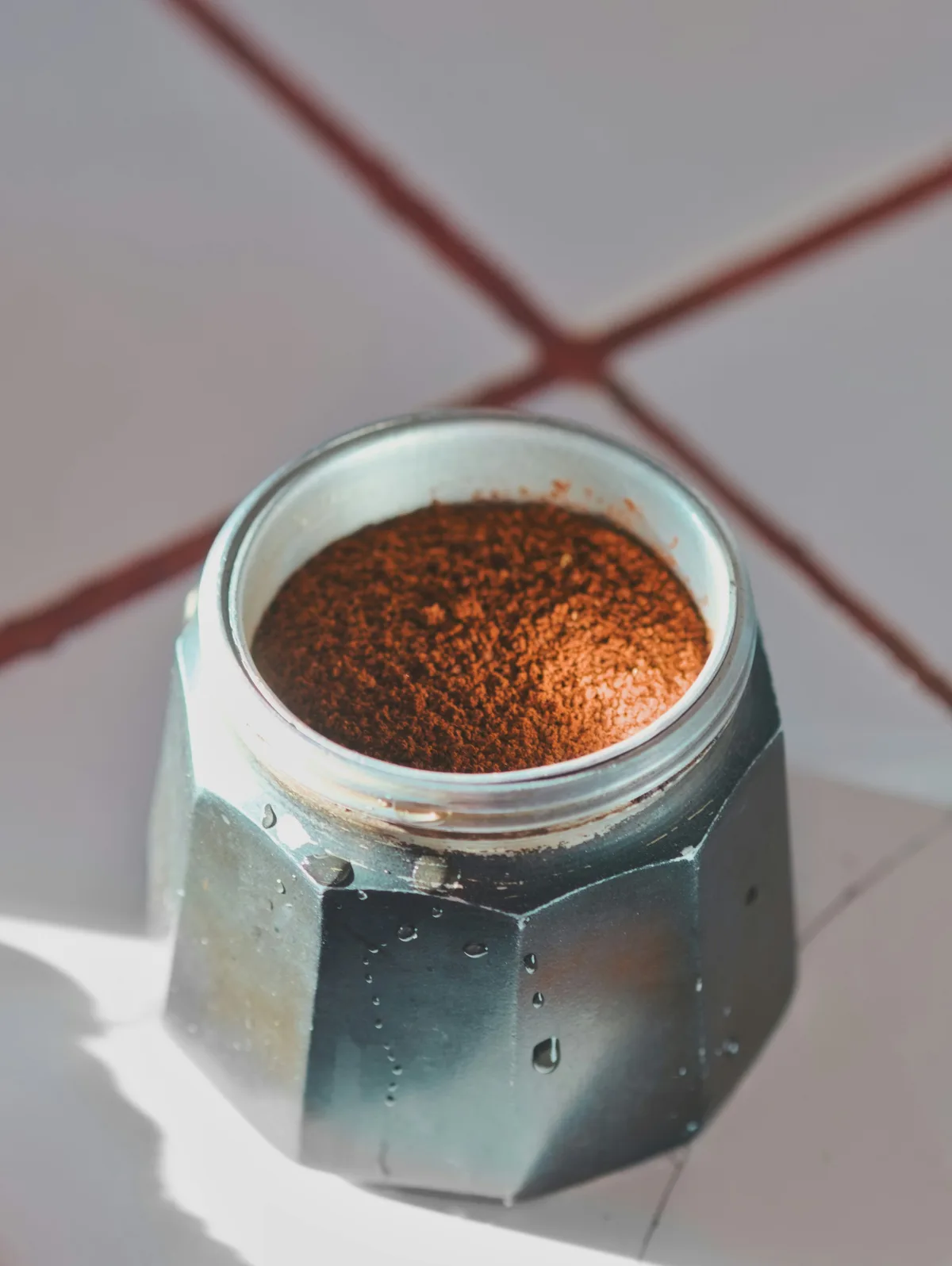
- Do not tamp the coffee in the basket. Just fill it level and sweep off excess.
- Start on medium heat. As soon as coffee starts to flow, turn the heat down to low.
- Remove the pot from the burner as soon as you hear a sputtering sound, that means steam is pushing through the grounds.
One more thing: dark roasts are more prone to bitterness in a Moka pot. If your beans are oily and dark, try a medium roast instead. It'll be more forgiving.
Leaking or Sputtering? Check These Parts
A leaky Moka pot is messy and dangerous. Hot coffee spraying from the threads can burn you. But the fix is almost always the gasket or the filter plate.
The gasket is the weak link
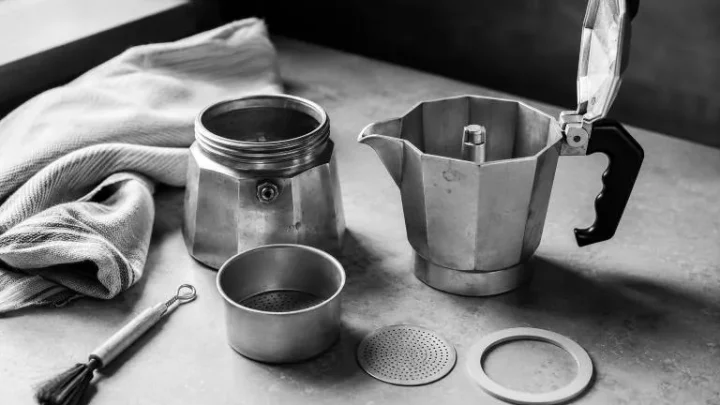
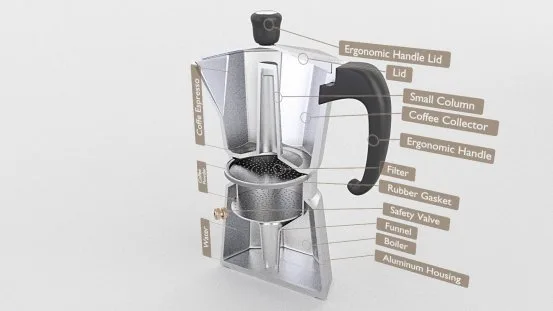
The silicone ring inside the top chamber creates the seal. Over time (about 6 to 12 months of regular use), it hardens, cracks, or flattens out. When that happens, steam and water escape from the side instead of rising through the coffee.
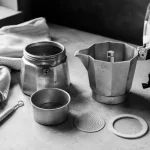
How to check: Unscrew the top chamber. Look at the gasket. If it's discolored, brittle, or has visible cracks, replace it.
For a 3‑cup pot, standard replacement gaskets cost just a few dollars. Use the exact size for your model, Bialetti gaskets are labelled by cup size.
Other causes of leaks:
- Loose threads: The top and bottom need to screw on firmly. Hand‑tight is enough. Over‑tightening can warp the gasket.
- Overfilled base: Water should never go above the safety valve (the small metal button inside the base). If it does, water leaks out during heating and can sputter.
- Damaged filter plate: The metal disc with tiny holes sits between the basket and the gasket. If it's bent or clogged, coffee and steam can escape sideways. Rinse it after each use and replace if dented.
If you're getting sputtering (violent, uneven flow):
- Check the safety valve. Sometimes coffee oils or debris block it. Clean it with a toothpick or pipe cleaner.
- Make sure the filter plate is resting flat. A tilted plate causes channeling, the coffee only flows through one side, leading to geyser‑like spurts.
Weak, Watery, or No Coffee Coming Out?
This is the opposite problem: you set up the pot, put it on the stove, and after a long wait you get pale, thin liquid, or nothing at all. The cause is almost always the grind size or the fill level.
The grind is too fine, clogging the filter
Espresso grind is too fine for a Moka pot. It packs too tightly and the steam can't push through. The pot gurgles, sputters, or just sits there.
If after a minute or two only a few drops come out, the filter is blocked.
Fix: Use a medium‑fine grind. If you're buying pre‑ground, look for "Moka pot grind" or "stovetop espresso" on the bag. If you're grinding at home, set your burr grinder to a setting two or three steps coarser than espresso.
A blade grinder is harder to control, so pulse in short bursts and shake the container between pulses.
The coffee bed is uneven or underfilled
If you've used a coarse grind but the coffee is still weak, you might have left too much empty space in the basket. The 3‑cup basket holds about 14 to 16 grams of coffee. Fill it to the rim and level it with a finger, no tamping.
If no coffee comes out at all:
- Stop immediately. Let the pot cool completely before unscrewing.
- Dump out the coffee inside. You'll likely see a hard, dry puck. That confirms the grind was too fine.
- Rinse the filter plate under hot water. Sometimes a single grain can block a hole.
- Try a coarser grind. If you still get nothing, check that the safety valve isn't permanently clogged. Clean it gently with a paper clip.
Water temperature also matters
Cold water in the base takes longer to heat, and the prolonged heating can cause uneven extraction. Always use hot tap water. It speeds up the brew and gives a more balanced result.
Metallic Taste or Residue in the Cup?
A metallic or tinny flavour is common with a brand‑new aluminum Moka pot. It can also happen if you've cleaned it in the dishwasher or left water sitting inside after a brew.
Seasoning a new pot fixes the taste
Fresh aluminum needs a sacrifice or two. Run your first two brews with cheap coffee and discard the output. That builds a thin oil layer inside the metal and stops the reactive surface from leaching into your drink.
After those first runs, your third cup should taste clean. If it still tastes metallic, repeat the process one more time.
How to avoid metallic flavours long term
- Never put aluminum Moka pot parts in the dishwasher. The detergent oxidises the metal, creating a grey film and a distinct metallic taste. Hand wash with warm water only.
- Dry the pot completely after each use. Leaving water in the base encourages oxidation and pitting.
- Use bottled or filtered water if your tap water is highly chlorinated or has high mineral content. Hard water can cause a brassy aftertaste.
White residue or dark spots on the pot
White mineral deposits come from hard water. They're unsightly but harmless. To remove them, boil white vinegar and water (50/50 mix) in the base, then rinse thoroughly.
Never use steel wool or abrasive scrubbers on aluminum. Dark spots usually mean you've left wet coffee grounds inside too long. Rinse the pot right after brewing, not hours later.
Common Mistakes That Mess Up a 3‑Cup Brew
Even experienced Moka pot users slip up sometimes. Here are the most frequent errors that lead to unsatisfying coffee, plus how to avoid each one.
Using espresso grind
This is the biggest mistake. Espresso grind is too fine for a Moka pot. It clogs the filter and causes sputtering or no output.
If the bag says "espresso," don't use it in your stovetop pot. Look for "Moka pot grind" or a medium‑fine grind similar to table salt.
Filling water above the safety valve
The valve is there for a reason. Water above that line creates too much pressure when heated. It forces steam and coffee out the sides or spurts from the top.
Fill only to the bottom of the valve. For a 3‑cup pot, that's roughly 170 ml.
Tamping the coffee
Moka pots rely on gravity and steam pressure, not tamped force. Pressing the grounds down creates a dense puck that steam can't penetrate. Just fill the basket level and sweep off the excess.
That's it.
Leaving the pot on the heat too long
Once you hear a gurgling or sputtering sound, the brew is done. Remove the pot from the burner immediately. If you let it sit, steam overheats the coffee and extracts bitter compounds.
A few seconds too long can ruin the whole pot.
Using a cold base
Cold water takes longer to boil, which means the coffee sits in the basket longer before extraction starts. That leads to uneven, often bitter results. Always fill with hot tap water.
The brew time drops from 6, 8 minutes to 3, 5 minutes, and the flavour improves.
Not replacing the gasket
A worn gasket is the number one cause of leaks and inconsistent flow. Check yours every few months. If it feels hard or looks cracked, swap it.
A replacement costs a few dollars and takes two minutes to install.
Choosing the wrong roast
Dark roasts turn bitter in a Moka pot. Light roasts taste sour. Medium roasts give the most balanced flavour.
Pre‑ground coffee should be used within two weeks of opening. Fresh grinding gives the best results.
Ignoring water quality and altitude
Hard water leaves mineral deposits and a brassy taste. Use filtered water if your tap is hard. At high altitude, water boils at a lower temperature, which slows extraction.
Use hot water and a slightly finer grind to compensate.
Quick Decision Guide: Symptom → Cause → Fix
Sometimes you just need a fast reference. Here's a one‑look table to match your problem with the solution.
| Symptom | Likely Cause | Fix |
|---|---|---|
| Bitter, burnt taste | Heat too high | Use medium‑low burner; start with hot water; remove as soon as sputtering |
| Weak, watery brew | Grind too coarse or underfilled basket | Use medium‑fine grind; fill basket level (no tamp) |
| No coffee comes out | Grind too fine or clogged filter | Use coarser grind; clean filter plate; check safety valve |
| Leaking from threads | Worn gasket or loose assembly | Replace gasket; hand‑tighten (don't overtighten) |
| Sputtering steam | Overfilled base or blocked valve | Fill below valve; clean safety valve with toothpick |
| Metallic taste | New unseasoned pot or dishwasher damage | Run 2 sacrificial brews; hand wash only; dry thoroughly |
Use this as a starting point. If the fix doesn't work, move on to the next likely cause. Change one variable at a time and test again.
Frequently Asked Questions
Why is my Moka pot coffee always bitter?
The most common reason is heat that's too high. Switch to medium‑low burner and remove the pot as soon as you hear gurgling. Also check that you're not using espresso grind.
A slightly coarser grind and hot water from the tap will reduce bitterness.
How do I know if the gasket needs replacing?
Look for visible cracks, hardening, or flattening. If the top chamber is hard to screw on or coffee leaks from the threads, replace the gasket. Standard 3‑cup gaskets cost under $10 and last 6 to 12 months with regular use.
Can I use espresso grind in a 3‑cup Moka pot?
No. Espresso grind is too fine and will clog the filter plate. Use a medium‑fine grind, about the texture of table salt.
Pre‑ground coffee labelled "Moka pot" or "stovetop espresso" works well.
Why does my coffee have a metallic taste?
A new aluminum pot needs seasoning. Run two batches of cheap coffee and discard them. Also make sure you're not washing the pot in the dishwasher.
Hand wash with warm water only. If it still tastes metallic, try filtered water instead of tap.
How much coffee goes into a 3‑cup Moka pot?
The basket holds roughly 14 to 16 grams. Fill it level with the rim; no tamping. That amount works best for the 170 ml of water in the base.
What should I do if the safety valve releases steam?
Remove the pot from heat immediately. Let it cool fully before unscrewing. Check that the valve is clean and not blocked by coffee oils.
Also ensure you didn't fill water above the valve line. If the problem persists, the valve may need replacement from the manufacturer.
This covers the most common 3 cup moka pot problems and their fixes. With a little attention to heat, grind, and maintenance, you'll be back to enjoying smooth, rich coffee every morning. For more ways to elevate your home coffee experience, browsing our collection of menu inspirations might spark some ideas for pairing your brew with great food.

Similar Posts