Why Your Stainless Steel Moka Pot Tastes Bad
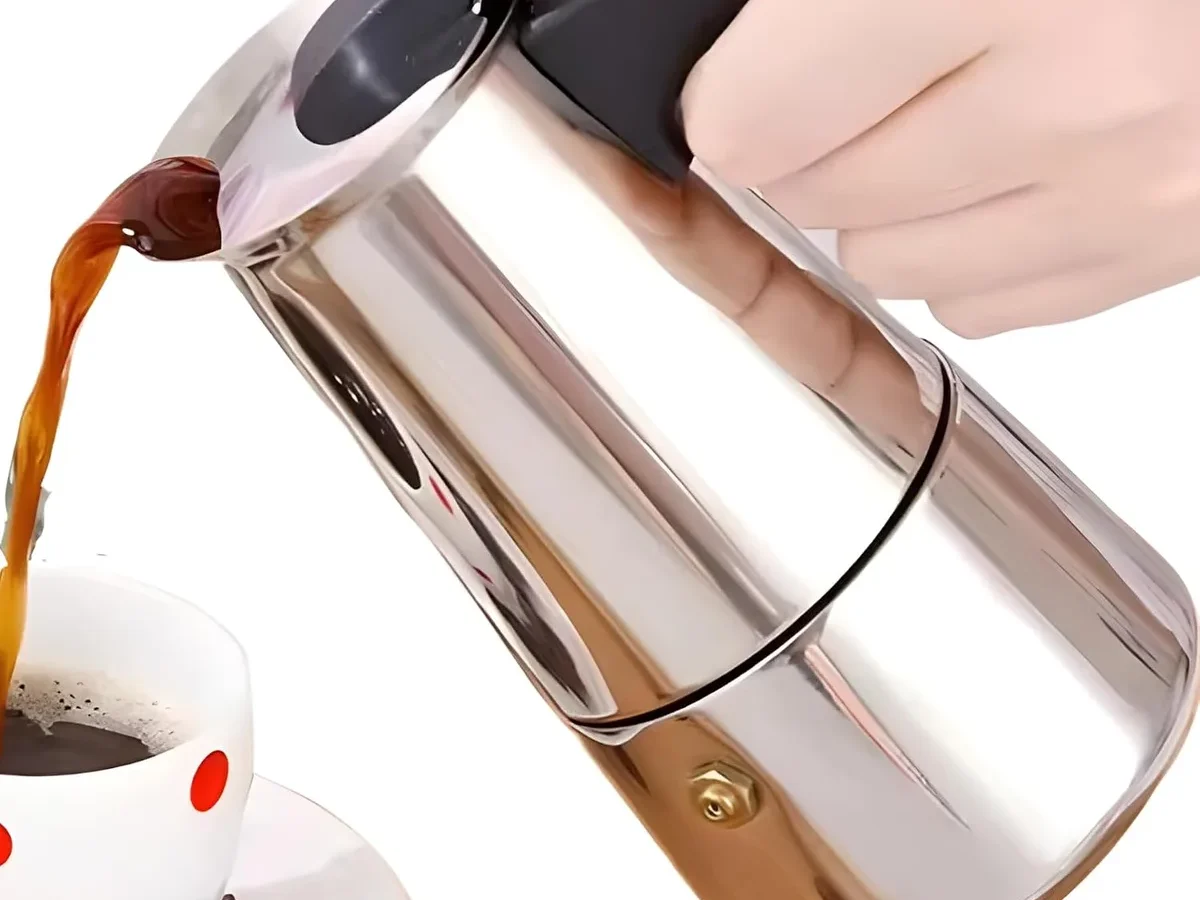
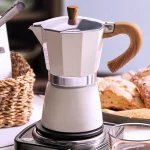
If your stainless steel moka pot is leaking, sputtering, or brewing bitter coffee, you're not alone. These are the most common stainless steel moka pot problems, and they almost always have a simple fix. Most issues come down to three things: gasket wear, heat management, or grind size.
Get those right, and your pot will brew like new.
In our research, stainless steel moka pots use 18/10 food-grade steel. That makes them non-reactive, induction-compatible, and far more durable than aluminum. But that same material changes how the pot heats, seals, and needs to be maintained.
As of 2026, silicone gaskets are the standard replacement part. A worn gasket shows up in most leak complaints. Let's walk through each symptom and fix it in the right order.
Quick Answer
Stainless steel moka pot problems are usually caused by a worn gasket, too much heat, or the wrong grind size. A leaking seam points to the gasket. Sputtering means overfilling or high heat.
Bitter taste needs a deep clean. Weak coffee needs a finer grind and a clean valve, not a new pot.
What's Going Wrong? Find Your Symptom in 10 Seconds
Before you do anything else, match your symptom to the right branch. The table below is your starting point. If you're unsure, pour cold water through the pot with no coffee and watch where it escapes.
That single test usually reveals the source in seconds.
| Symptom | Most likely cause | Jump to |
|---|---|---|
| Leaking at the seam | Worn silicone gasket | Leaking section |
| Sputtering / spraying | Boiler overfilled or heat too high | Sputtering section |
| Bitter, burnt, metallic taste | Stale coffee oils or factory residue | Flavor section |
| Weak, watery output | Clogged funnel or wrong grind size | Weak coffee section |
Two rules apply to every fix. First, replace the cheapest part before you assume the pot is bent or cracked. Second, never use tools to tighten the halves.
Hands only, or you'll strip the threads.
Think of this as a decision tree, not a random list of repairs. Each symptom points to one root cause. Fix that first, and you'll often avoid the cost of a new pot.
Leaking Around the Threads: Worn Gasket, Over-Tightening, or a Stripped Pot?
If coffee is seeping around the middle seam, it's almost always the silicone gasket, not the metal threads. The gasket sits between the boiler and upper collector. Over time, heat and cleaning products make it lose its shape.
Once it hardens or flattens, the seal breaks.
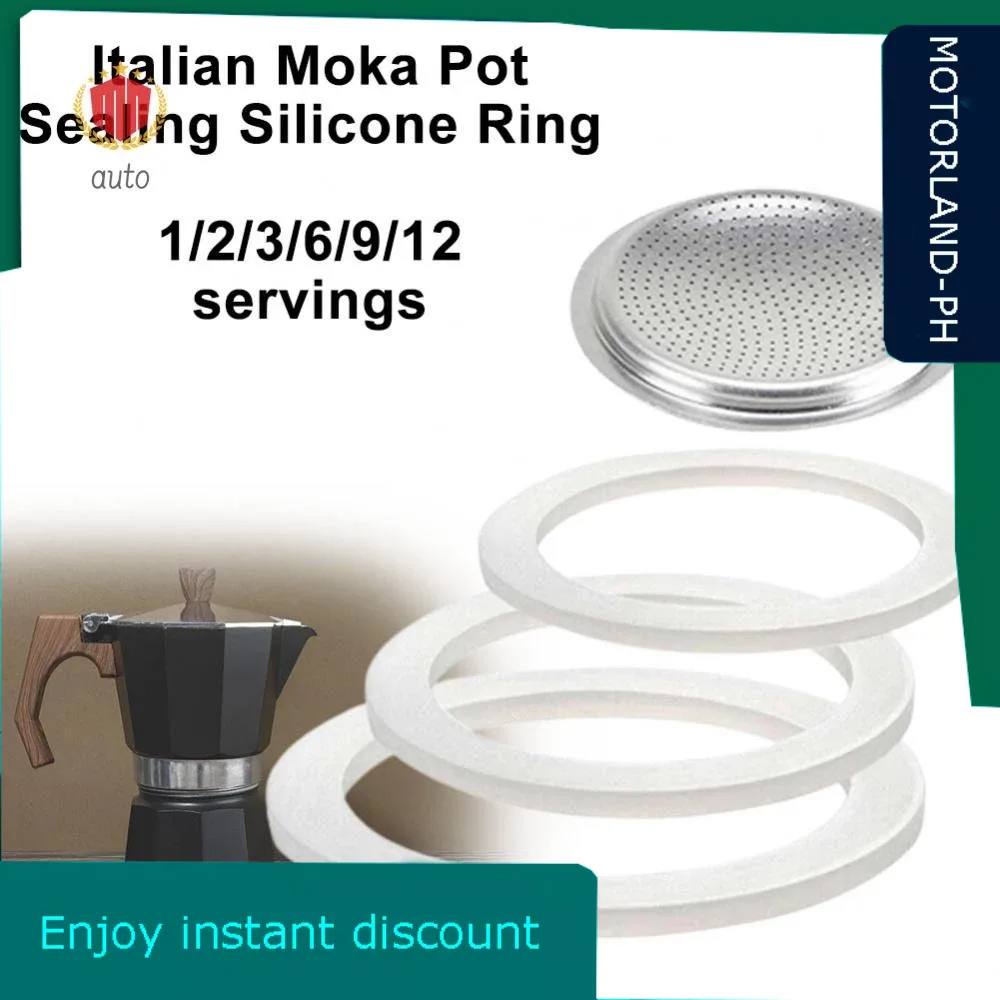
For stainless steel moka pots, you'll notice the leak as a trickle down the side, not a spray. To test, unscrew the pot, remove the basket, and hold the gasket up to the light. If you can see gaps or it feels stiff, replace it.
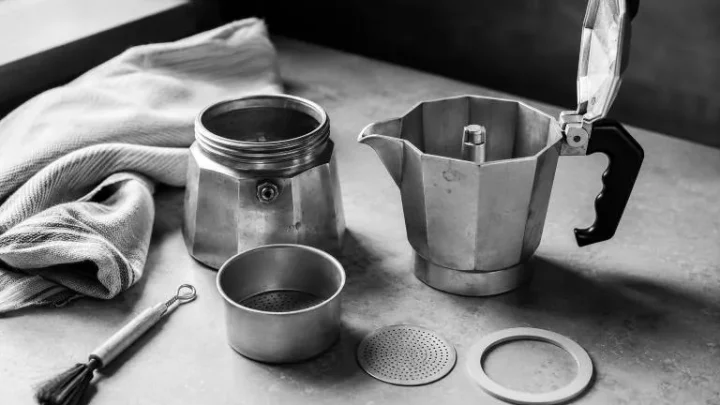
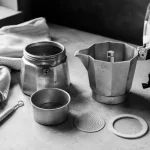
- Unscrew the top and bottom halves.
- Pull the old gasket out of the filter plate groove.
- Soak the new silicone gasket in hot water for a minute to soften it.
- Seat it evenly all the way around.
- Screw the halves together with your palm until they meet resistance. Stop there.
The second cause is over-tightening. Stainless steel threads often feel looser than aluminum ones, so people crank harder. That pressure flattens the gasket and can deform the thread over time.
A light grip is all you need.
The third cause is a stripped thread, and it's rare. If the pot still leaks after a gasket swap and the halves wobble, the thread is damaged. Replace the pot.
A stripped moka pot can't be safely repaired.
Sputtering and Spraying: Too Much Water or Too Much Heat?
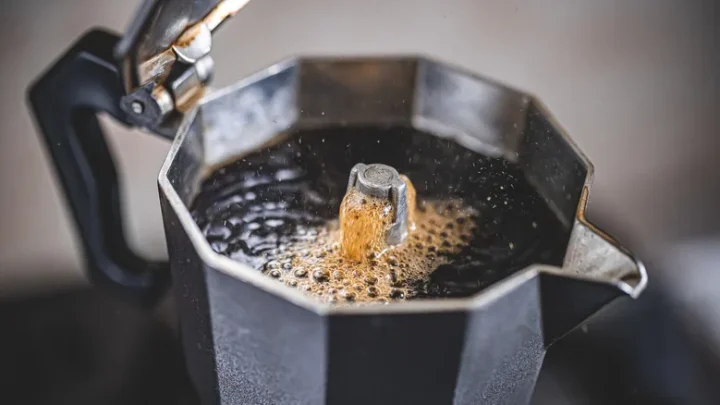
A moka pot that sputters or sprays is almost always getting too much heat or too little water. When you overfill the boiler past the safety valve, the water expands too fast. When you crank the flame too high, steam forces itself through the basket erratically.

Stainless steel is the bigger trap here. Aluminum conducts heat roughly twice as fast, so your old aluminum-pot habits make stainless overheat. The steel body absorbs more heat before the coffee starts to rise.
That delayed response means you need a lower flame and a slower preheat.
- Fill the boiler only up to the stamped safety valve line, never above.
- Keep the flame fully inside the base. It should never wrap up the sides.
- Use a lower heat setting than you would on an aluminum pot.
- When the coffee reaches the lower half of the top chamber, turn off the heat and let the residual heat finish the brew.
Also check the safety valve. If it's stuck open, steam escapes in bursts and the pot sputters. Point the spout away from you, gently lift the valve with a toothpick, and let any scale fall out.
Then reassemble and test with cold water before your next brew.
Bitter, Burnt, or Metallic-Tasting Coffee: The Stainless-Steel Flavor Trap
Metallic or bitter flavors in a stainless pot come from what's living in the old brew residue, not from the steel itself. Stainless steel is non-reactive, so it won't leach iron or aluminum. Instead, stale coffee oils build up in the gasket and inside the funnel.
Those oils turn rancid and create that tinny, bitter taste.
The fix is a thorough clean. Take the pot apart, remove the gasket, and wash everything with mild dish soap using a soft sponge. Stainless is dishwasher-safe, unlike aluminum, but the gasket and valve should always be hand-washed to avoid hardening the silicone.
Per FDA food-contact guidelines, 18/10 stainless steel is safe for repeated brewing use. The steel itself isn't the problem.
The metallic taste can also mean your pot is brand new. Some stainless pots ship with factory oils still in the boiler. Run one full brew cycle with just water, discard it, and then brew your coffee.
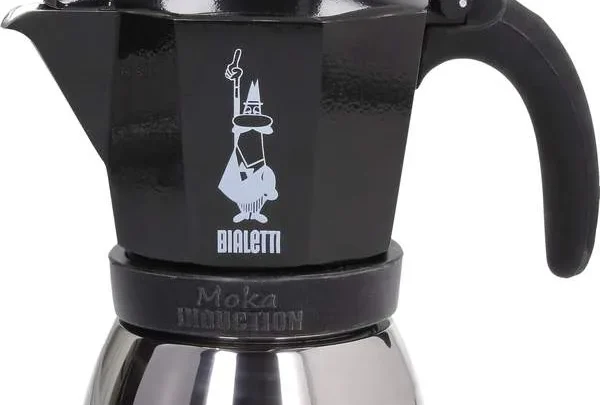
One pass clears the taste for most Bialetti Venus owners.
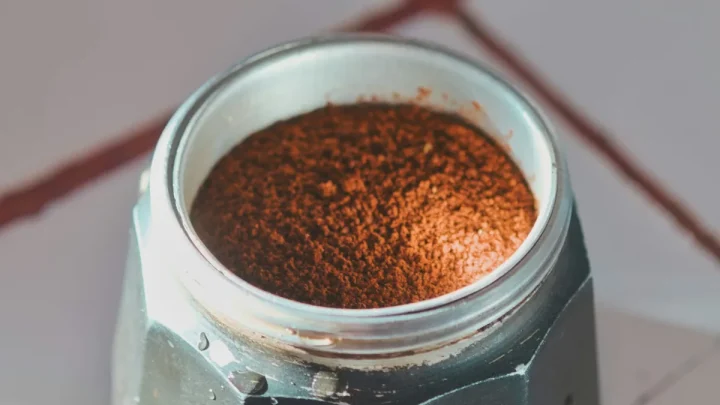
If the taste is bitter rather than metallic, that's over-extraction. Blame the grind, not the pot. A medium-fine grind that feels like table salt is right.
If it's powdered, back off one step. And never tamp the grounds. A moka pot runs on pressure, and packed grounds choke it.
Weak, Watery Coffee: Clogged Funnel, Wrong Grind, or a Stuck-Open Safety Valve?
Weak, watery coffee means under-extraction. Water is passing through too fast or the grounds are letting it through too quickly. The first thing to check is the grind.
If it's too coarse, the water rushes through and leaves a thin, pale cup. Regrind to a medium-fine setting.
The second cause is a clogged funnel. Even with the right grind, tiny fines from the previous brew can block the holes. Rinse the funnel basket under running water, then use a toothpick to clear any stuck grounds.
Do this every time the brew flow slows down.
The third and sneakiest cause is a stuck-open safety valve. If the valve can't seal, pressure escapes, and the water trickles through the grounds at a lower temperature. Test by filling the boiler halfway and shaking it gently next to your ear.
A rattle means the valve moves freely. No rattle means scale or debris is jamming it.
- Clean the valve with hot water and a soft brush.
- Dry it completely and let it click back into place.
- If it never rattles again, replace the valve before your next brew.
One more thing: don't tamp. Pressing the grounds down increases resistance, and water ends up bypassing the coffee entirely. Just level the grounds with a fingertip and brew.
That alone fixes many weak cups.
5 Mistakes That Make Everything Worse, Plus the 4-Minute Reset That Fixes It
Even after you fix your specific symptom, a few habits can bring the problems right back. Here are the five biggest mistakes we see across user reports, and the reset that prevents them.
Over-tightening the halves. That extra twist flattens the gasket and stresses the threads. Use your palm, not your fingers. One firm twist past snug is all you need.
Scrubbing with abrasive pads. Stainless steel resists scratches, but the silicone gasket and internal boiler walls don't. Use a soft sponge for everything.
Dishwashing the gasket and safety valve. The detergent and heat harden the silicone, which causes leaks and sticky valves. Hand-wash those two parts only.
Ignoring the safety valve. Scale builds up inside, which stops it from sealing. A weekly flush under hot water keeps pressure relief working.
Leaving coffee residue in the pot after brewing. Those oils turn rancid and give you the metallic, bitter taste from earlier. Rinse every metal part while it's still warm.
The 4-minute weekly reset: unscrew the pot, remove the gasket, wash the valve under running water, then air-dry everything reassembled but free. Do this once a week and most leaks never appear.
Frequently Asked Questions
Why does my new stainless moka pot leak?
Usually it's a seating issue. The brand-new silicone gasket may not have settled into the groove. Unscrew, re-seat the gasket evenly, and screw back with a firm palm twist.
If it still leaks, check that the gasket matches your model exactly.
Can I put a stainless moka pot in the dishwasher?
The steel body is dishwasher-safe, but don't put the gasket or safety valve in there. The detergent and heat harden them over time. Hand-wash those two parts to keep the seal flexible.
Why does my moka pot taste metallic, and will it go away?
The steel itself doesn't leach into your coffee, but stale coffee oils and mineral scale do. Clean the pot thoroughly with mild soap, then run one water-only brew cycle. That clears factory residue and old oils.
If the taste remains, switch to filtered water.
Is coffee from a stainless steel moka pot healthier than aluminum?
Stainless steel is non-reactive, so it won't add aluminum ions to your drink. Per FDA food-contact guidelines, 18/10 stainless is safe for repeated high-temperature use. Aluminum pots are also safe to use, but stainless avoids any metallic aftertaste entirely.
How long should a stainless moka pot last?
With proper care, the steel body lasts decades. The gasket is the only regular replacement, usually needed every 12 to 18 months. The safety valve should last years if you flush it weekly.
When the threads strip or the valve jam won't clear, it's time to retire the pot.

Similar Posts