Stainless Steel Moka Pot Explained: Why It’s Better
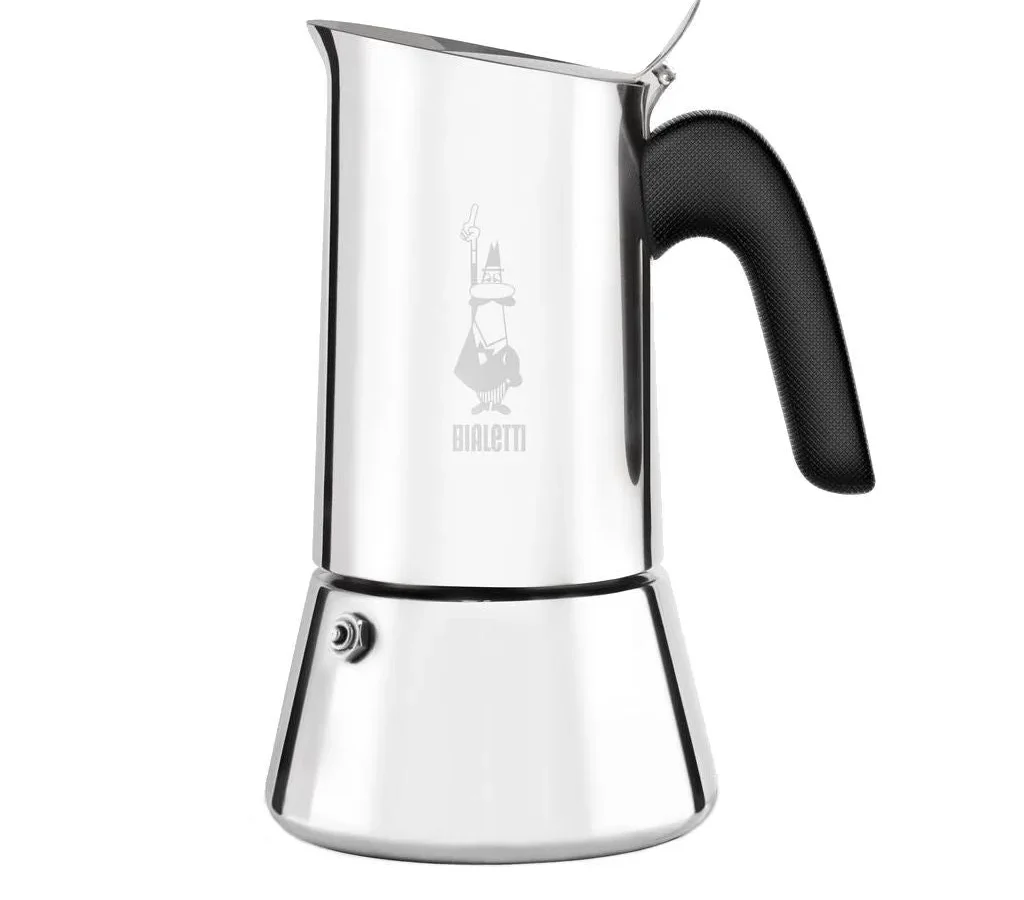
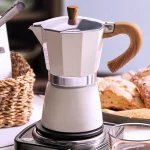
Stainless steel moka pot explained simply: it's a stovetop coffee brewer made from non-reactive steel instead of the traditional aluminum. That one material swap changes everything. If you're choosing between the two, you've probably seen strong opinions on both sides.
Manufacturer specifications show that most stainless steel pots are built from 18/10 (304-grade) steel, which resists corrosion and won't alter coffee's flavor. Aggregate reviews report that a steel pot weighs about 30 to 50 percent more than its aluminum twin. As of 2026, virtually all induction-safe moka pots are stainless steel.
Before you spend money, you need to know exactly what you're trading off.
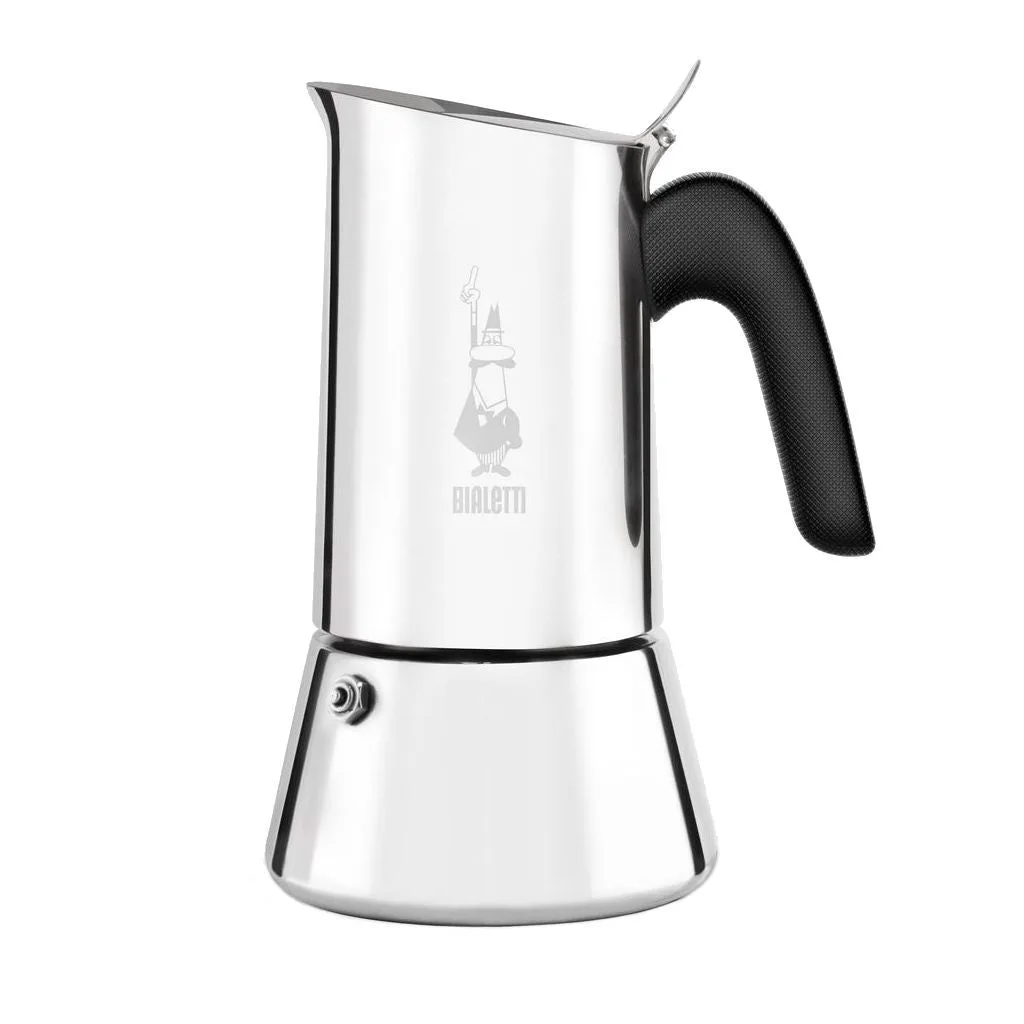
The Big Decision: Stainless Steel vs. Aluminum Moka Pot
Since the moka pot emerged in Italy in the 1930s, aluminum has been the default material. It's cheap, heats fast, and makes a decent cup. But aluminum reacts with acidic coffee, which can leave a metallic taste.
Stainless steel solves that, but it brings its own quirks.
The biggest difference comes down to heat behavior. Aluminum spreads heat quickly and evenly across the boiler. Steel takes longer to warm up and needs a lower flame.
That affects extraction, flavor, and how long your pot lasts.
So this isn't a clear winner. It's a tradeoff between convenience, durability, and taste neutrality. Your stove type and your palate decide the outcome.
Key Insight: It's Not About Better, It's About Tradeoffs
Stainless steel wins on durability, clean flavor, and induction compatibility. Aluminum wins on speed, price, and tradition. Neither is objectively superior.
If you brew on induction, steel is your only option. If you're on gas and want that classic Italian taste, aluminum does the job beautifully. If you have hard or acidic water, steel resists the corrosion that eventually ruins aluminum.
So don't ask which pot is "best." Ask which pot fits your kitchen and your taste. That's the only question that matters when you're standing in front of a shelf of moka pots.
Aluminum vs. Stainless Steel: What's Actually Different
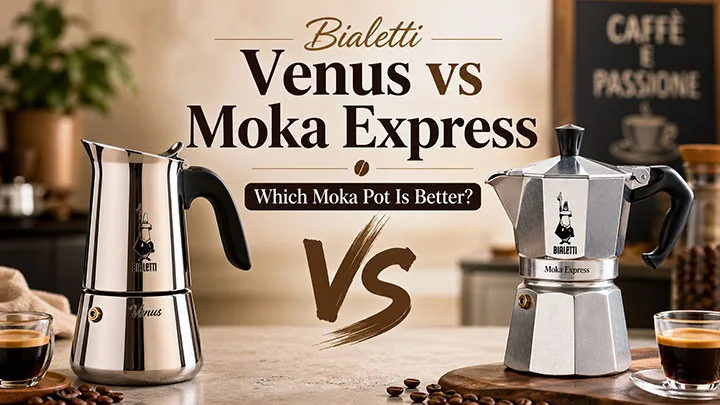
The two materials behave completely differently under heat and water. Here's the breakdown you need.
Heat Behavior
- Aluminum heats fast and evenly. That's why it's been the standard for nearly a century.
- Steel heats slower and less evenly. You'll need a lower flame and more patience.
Taste Profile
- Aluminum can add a metallic bite, especially with acidic coffee or hard water.
- Steel is non-reactive. You taste the coffee, not the pot.
Longevity and Wear
- Aluminum corrodes and pits over time. Expect 2 to 5 years of regular use.
- Steel resists staining and chemical wear. Many pots last a decade or more.
Maintenance
- Aluminum must be hand-washed and never scrubbed with harsh abrasives.
- Steel is more forgiving. You can deep-clean it without ruining a seasoning layer.
Side-by-Side: Stainless Steel vs. Aluminum Moka Pots
Here's the direct comparison table. It sums up everything at a glance.
| Feature | Aluminum Moka Pot | Stainless Steel Moka Pot |
|---|---|---|
| Heat conductivity | Excellent, fast brewing | Moderate, needs low heat |
| Induction compatibility | No | Yes, most models |
| Taste | Slight metallic edge | Neutral, clean |
| Weight | Lightweight | About 30–50% heavier |
| Durability | 2–5 years | 8–10+ years |
| Price range | $15–$30 | $30–$60 |
| Cleaning difficulty | Easy but delicate | Easy and forgiving |
| Best for | Traditionalists, gas stoves | Induction owners, everyday use |
| First-use requirement | Seasoning optional | None needed |
Who Is Stainless Steel For? Who's Better Off With Aluminum?
The right choice depends on your setup and your priorities. Here's a simple filter.
Choose stainless steel if:
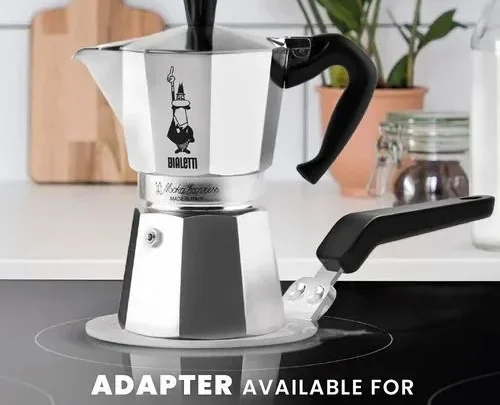
- You have an induction stovetop. Aluminum won't work on it at all.
- Your tap water is hard or acidic. Steel resists corrosion better.
- You're sensitive to metallic off-tastes in coffee.
- You want a pot that lasts a decade with proper care.
- You plan to deep-clean it regularly without worrying about seasoning.
Stick with aluminum if:
- You love the classic Bialetti taste and don't mind a hint of metal.
- You brew on gas or electric coil, where induction isn't a factor.
- You want the cheapest reliable option to start with.
- You value fast brewing over long-term durability.
- You're a first-time moka pot user and don't want to over-invest.
Mistakes to Avoid (And Maintenance That Keeps It Brewing)
Stainless steel tolerates more abuse than aluminum, but you can still wreck your coffee and shorten the pot's life. Avoid these common errors.
Common Mistakes
- Running medium or high heat. Steel retains heat intensely. High heat burns the coffee and leaves a scorched, bitter brew.
- Overfilling the boiler. Water must stop below the safety valve line. Overfilling makes the valve spit and weakens the seal.
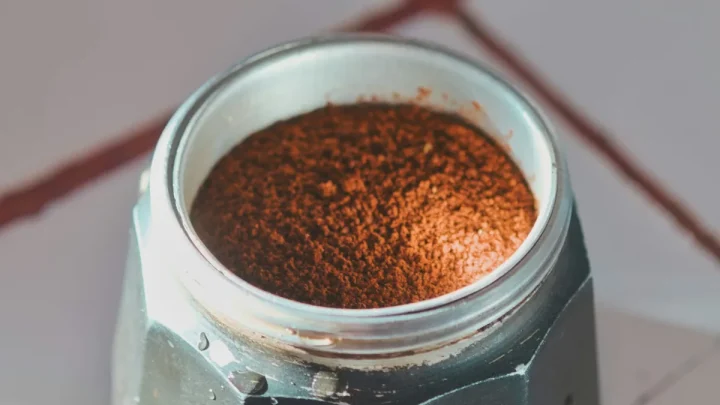
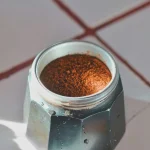
- Packing the basket too tight. Grounds expand when wet. Packed tight, they choke the flow and the pot sputters.
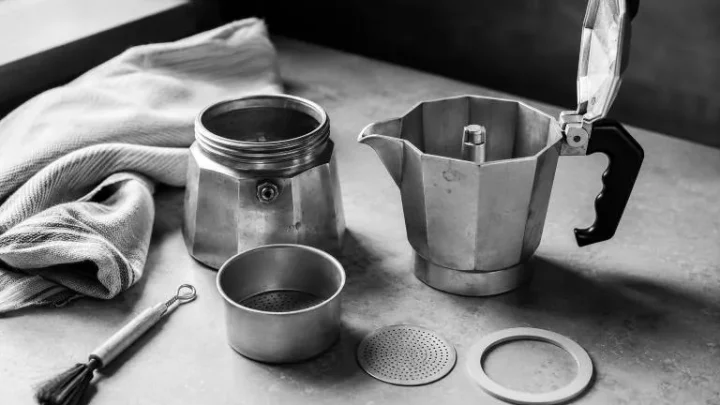
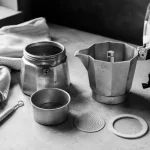
- Ignoring gasket wear. A compressed gasket leaks steam and pressure. Replace it every 12 to 18 months.
- Using soap on aluminum. That's a strict rule. On steel, a little mild soap is fine, but don't scrub inside the boiler.
- Leaving brewed coffee in the pot. It turns sour and can pit the steel over time. Rinse and dry right away.
Maintenance Basics
Rinse the pot with hot water after each use and dry it thoroughly. Every few months, descale using citric acid diluted in water. Keep the pressure relief valve clean and check that it moves freely.
Brewing Tips to Get the Most From a Stainless Moka Pot
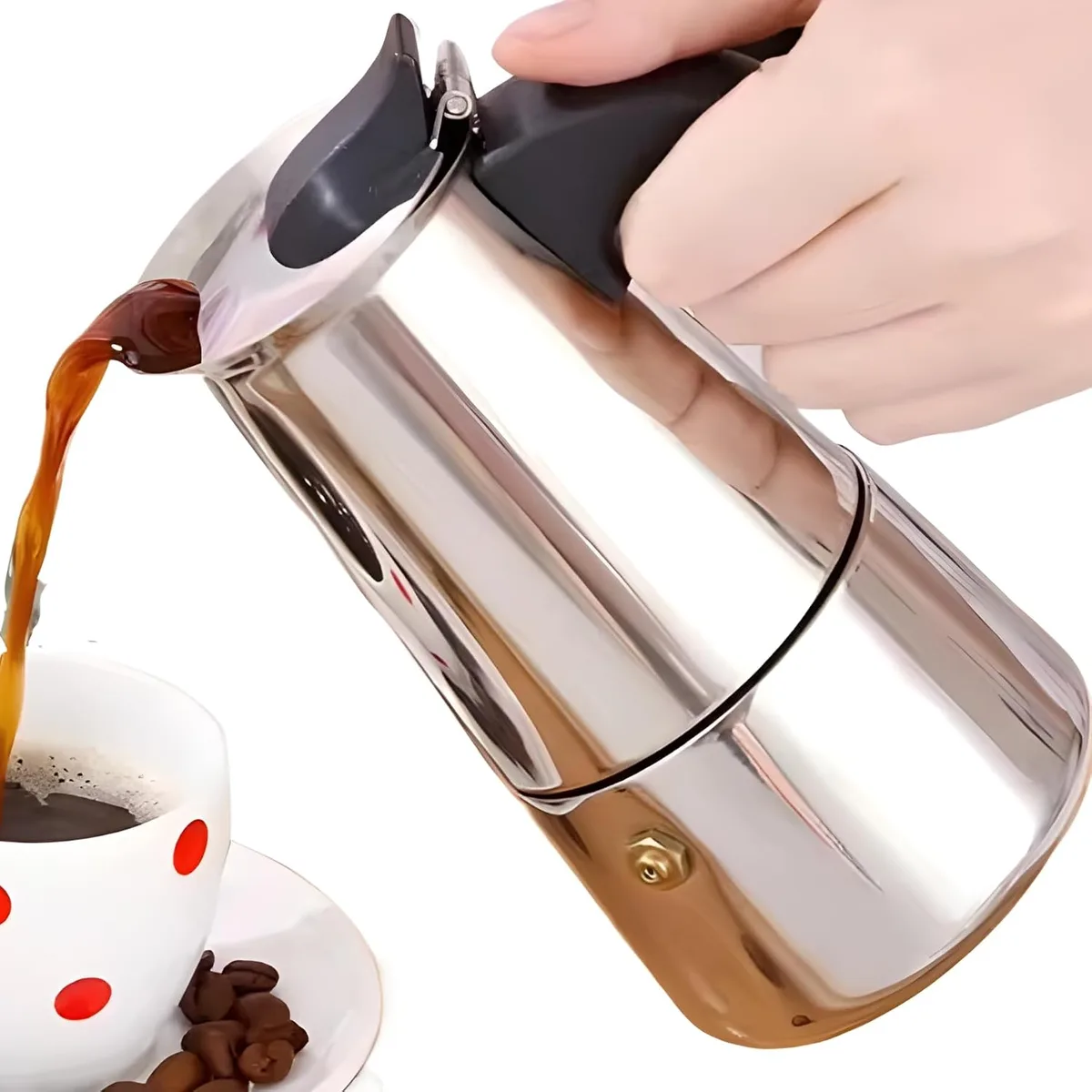
Stainless steel needs a slightly different technique than aluminum. Once you adjust, the cup is cleaner and more consistent.
The Technique
- Use pre-boiled water from a kettle. This cuts total brew time and prevents overheating the steel base.
- Set the flame low. Steel holds heat, so it doesn't need aggressive flames. Medium-low works best on most stovetops.
- Leave 20 percent headspace in the basket. A finger-nail gap above the grounds lets them expand naturally.
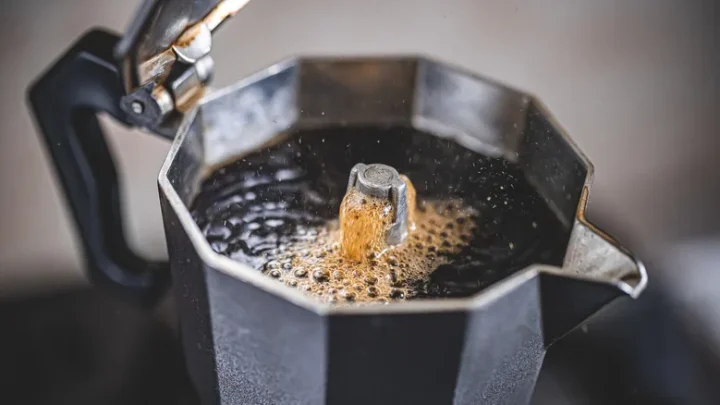
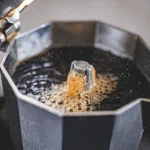
- Listen for the hiss. When the brewing softens into a gentle gurgle, pull the pot off the heat immediately.
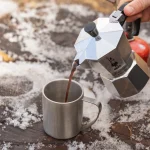
- Stir before pouring. The escaping liquid separates into layers. A quick stir blends the flavors.
What to Expect the First Brew
Expect a slower start than aluminum. The steel takes an extra 20 to 40 seconds to build pressure. You'll also see no crema, which is normal.
A moka pot isn't an espresso machine. What you get is a rich, bold cup with a clean finish.
FAQ: Stainless Steel Moka Pot Questions Answered
Does a stainless steel moka pot taste different from an aluminum one?
Yes, noticeably. Stainless steel is non-reactive, so you taste the coffee beans without any metallic edge. Aluminum sometimes adds a slight iron-like flavor, especially with acidic coffees.
Most people describe steel-brewed coffee as cleaner and brighter.
Is it worth paying $40 or more for stainless steel?
If your stove is induction, yes. Aluminum doesn't work on induction at all. If you brew daily and care about longevity, the higher price pays off.
Many steel pots last over a decade with proper care. For casual use, aluminum still offers great value.
Can you use a stainless steel moka pot on an induction cooktop?
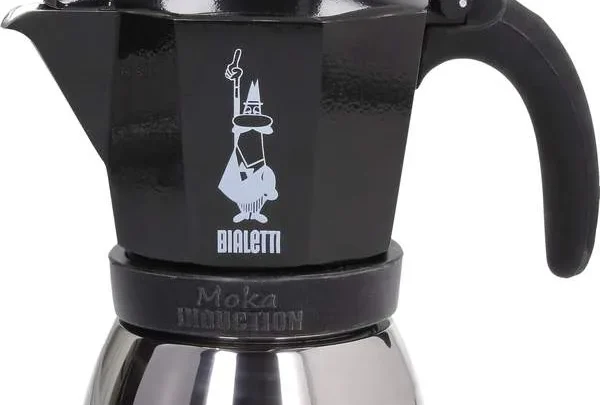
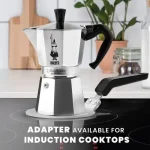
Yes. That's the main reason most people upgrade. Look for a model with an induction-ready base.
Most stainless steel moka pots from Bialetti, Ilsa, and other brands work on induction. Always confirm the base is magnetic before your first brew.
Do stainless steel moka pots need seasoning like aluminum ones?
No. Seasoning only matters for aluminum. Steel is naturally non-reactive, so there's nothing to build up.
Just give the pot a first rinse with hot water and brew. No pre-boiling of coffee grounds, no special ritual.
How long do silicone gaskets last before needing replacement?
Plan on replacing the silicone gasket every 12 to 18 months. Hard water and frequent use compress the silicone faster. Check for cracks, brittleness, or a loose fit.
A worn gasket causes steam leaks and weak espresso.
Can you brew good coffee with dark roast in a stainless moka pot?
Absolutely. Dark roasts work well because they extract quickly and shine without acidity. Use a slightly coarser grind and start with pre-heated water.
That combination reduces bitterness and highlights the chocolatey notes.
Final Verdict: Which One Should You Buy?
Here's the bottom line. Buy stainless steel if you own an induction stove, want a neutral taste, and plan to keep the same pot for years. It costs more upfront, but it's the longest-lasting moka pot material available.
Stick with aluminum if you cook on gas, love the classic Italian profile, and want speed at a lower price. Aluminum is the original for a reason. It makes a fast, traditional cup.
Either way, the technique matters more than the metal. Use pre-heated water, keep the heat low, and stop the brew when you hear the hiss. Do that and any moka pot will reward you with great coffee.

Similar Posts