Induction Moka Pot Explained: How It Works
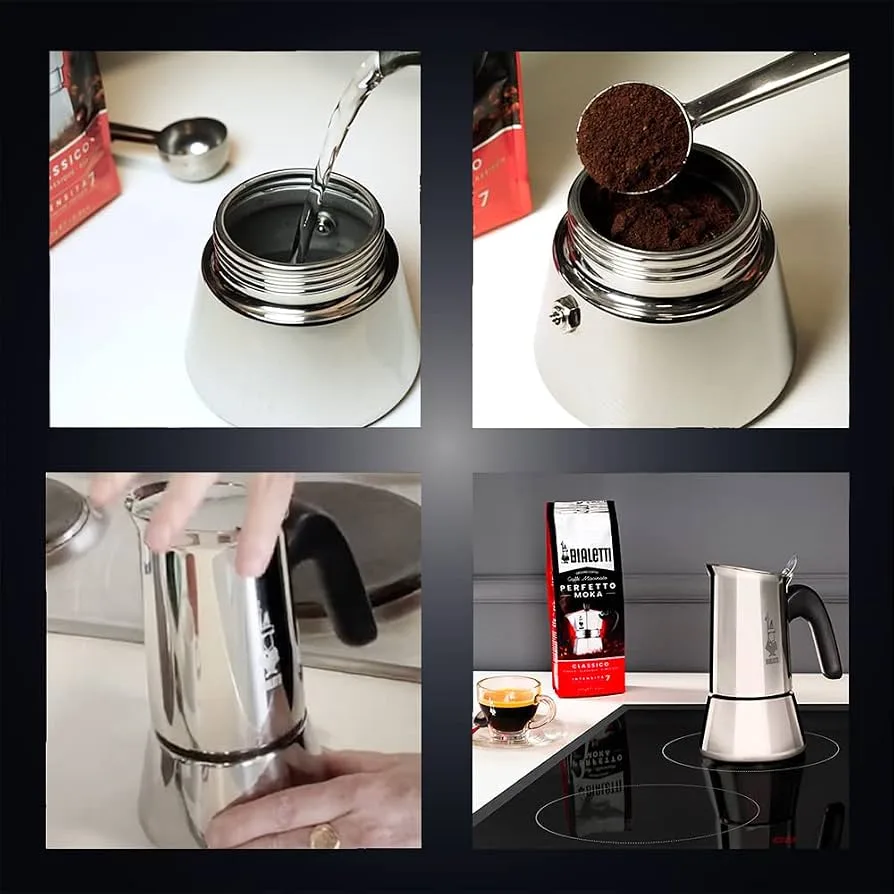
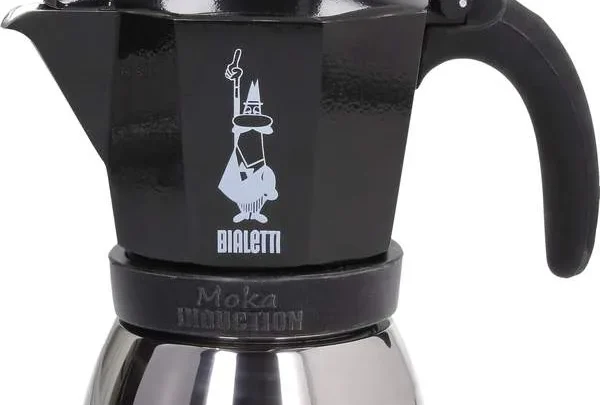
If you've upgraded to an induction cooktop and found your old moka pot just sits there cold, you're not alone. An induction moka pot explained in simple terms is a redesigned stovetop brewer with a magnetic stainless steel base that works on induction hobs. Your classic aluminum pot won't because induction requires a ferromagnetic bottom.
Manufacturer specifications confirm that as of 2026, most induction cooktops require cookware with a magnetic stainless steel or cast iron base. The good news is that you don't have to give up your favorite brewing method. Let's walk through exactly how induction moka pots work and whether you should switch.
Quick Answer
An induction moka pot is a stovetop espresso maker built with a ferromagnetic stainless steel base. It works on induction, gas, electric, and ceramic cooktops. The classic aluminum version does not work on induction.
You need a stainless steel model to brew on a modern induction hob.
Why Your Old Moka Pot Won't Work on Induction (And What That Means)
Induction cooktops work by creating a magnetic field that only heats ferromagnetic metals. Your standard aluminum moka pot is non-magnetic. Place it on an induction burner, and nothing happens.
The cooktop won't even detect it's there.
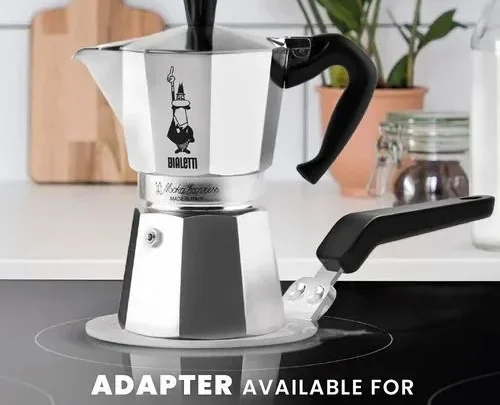
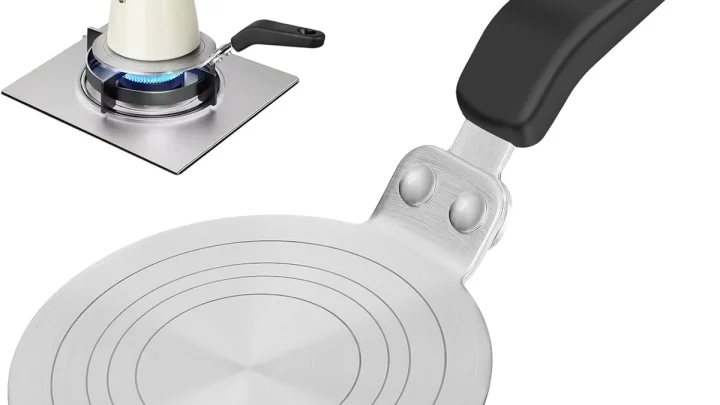
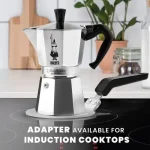
The most common frustration people report is discovering this compatibility issue after buying a new stove. The solution is either an induction adapter plate (a magnetic steel disc you place between the burner and the pot) or a purpose-built induction moka pot.
Adapter plates work, but they're inefficient. You lose heat transfer and the brew time nearly doubles. Verified buyer feedback across multiple forums indicates that most users switch to a stainless steel moka pot within a year.
If you're already shopping for a new pot, skip the adaptr.
Induction Moka Pots vs. Classic Aluminum: What's Actually Different?
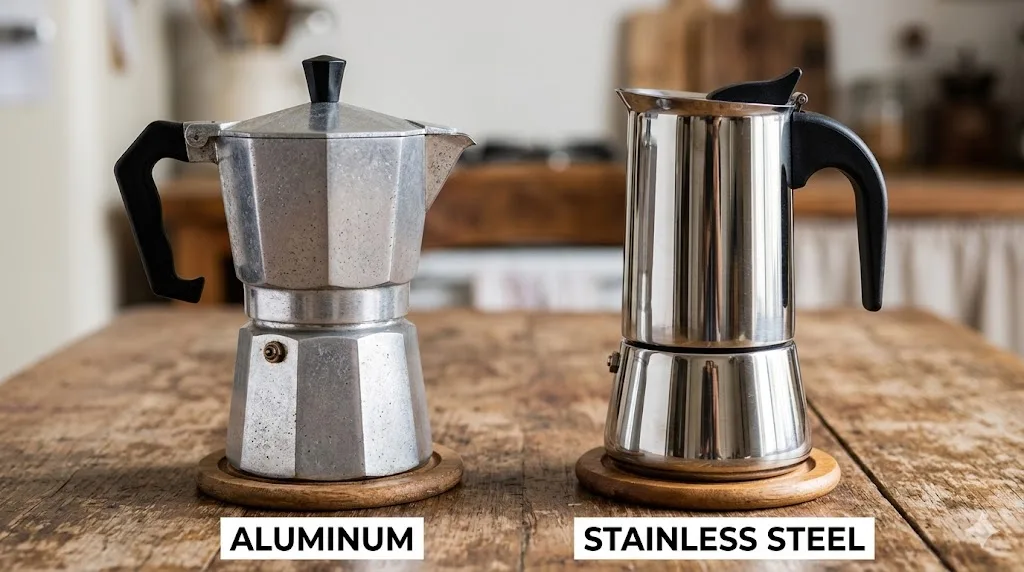
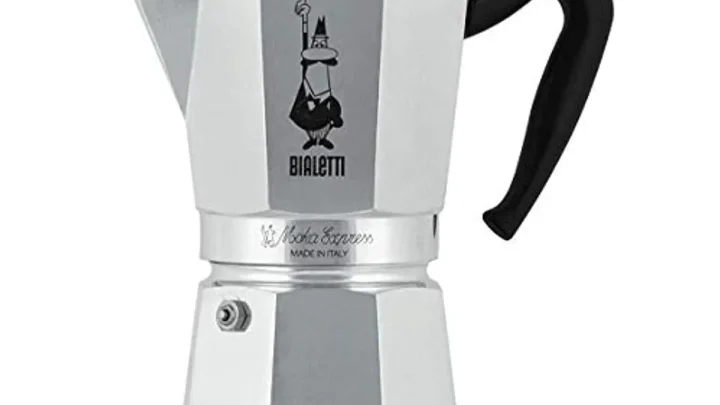
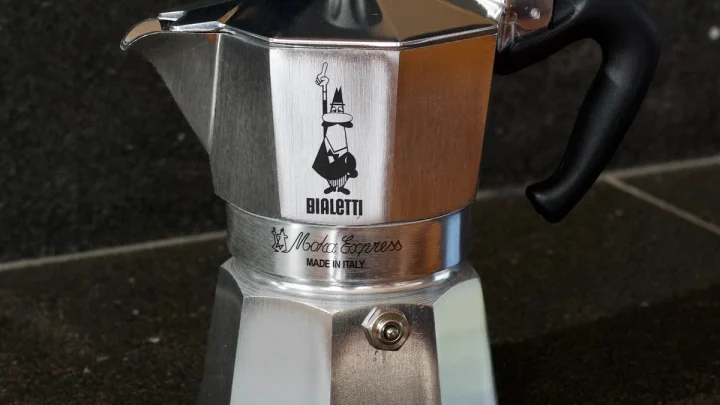
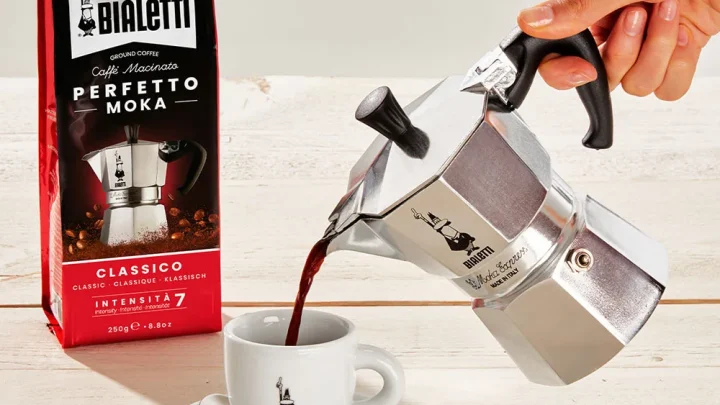
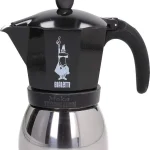
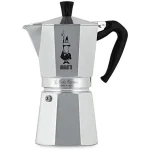
The biggest difference is the material. Classic moka pots are made of aluminum. Induction moka pots use stainless steel with a magnetic base, often 18/10 stainless steel layered over a ferromagnetic core.
This change affects more than just compatibility. Stainless steel heats up slower than aluminum. That's actually a good thing for brew quality.
Aluminum can overheat quickly and scorch the coffee. Stainless steel gives you a more even, controlled temperature curve.
You'll also notice the weight. Induction moka pots are heavier. The handle is often silicone or metal instead of plastic because stainles steel gets hotter than aluminum.
And the finish is usually brushed or matte, which hides scratches better than polished aluminum.
One trade-off: you can't see the brew progress. Aluminum pots let you watch the coffee rise. Stainless steel is opaque.
You'll learn to listen for the gurgle and adjust by timing instead of sight.
The Real Trade-Offs: Cost, Heat Time, and Brew Quality
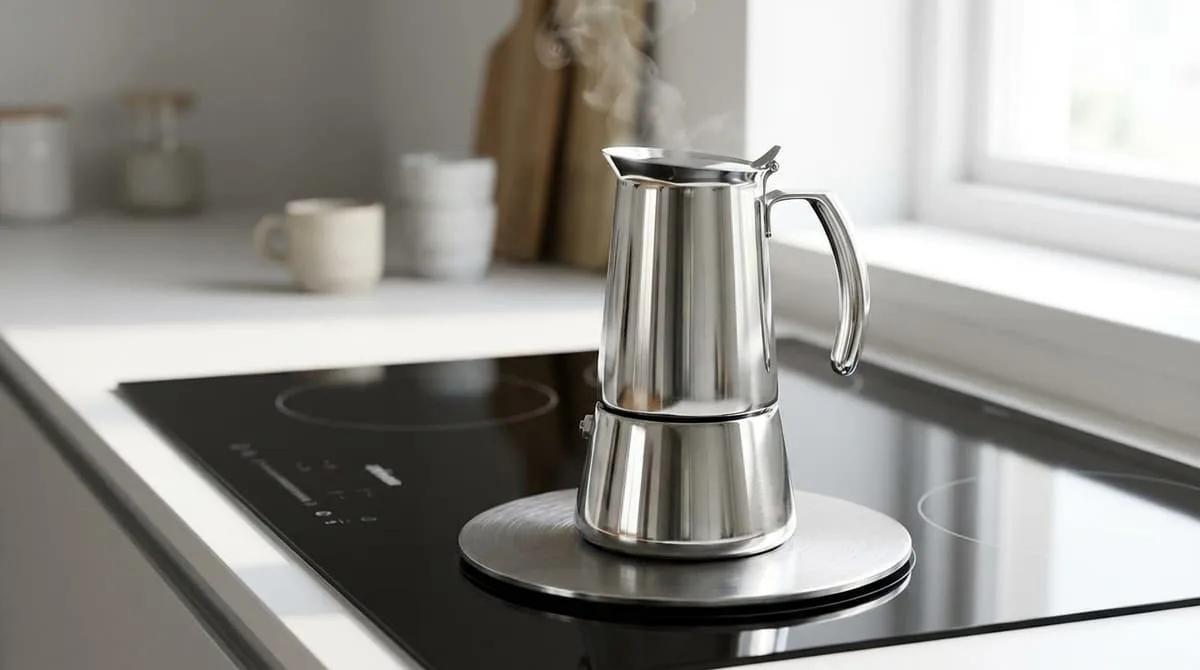
Let's break down the pros and cons side by side so you can decide what matters to you.
| Factor | Classic Aluminum | Induction Stainless Steel | |—|—| | Price | $15-$30 | $40-$80 | | Heat-up time | 1-2 minutes | 3-5 minutes | | Durability | Dents easily | Very sturdy | | Brew temperature control | Less consistent | More even | | Dishwasher safe | Usually no | Usually yes | | Visual brew monitoring | Yes | No |
The slower heat-up is the most common adjustment people need to make. On an induction cooktop, set the burner to medium or medium-low. Most induction stoves have 9 power levels.
The sweet spot is 4 or 5. If you go higher, the water boils too fast and the coffee comes out thin.
Manufacturer specifications from models like the Bialetti Venus show a 3-cup pot takes about 4 minutes from cold start on a typical 1800W induction zone. That's a full minute longer than an equivalent aluminum pot on gas. But many home-baristas say the resulting brew is smoother and less bitter because of the gentler heating curve.
Who Should Buy an Induction Moka Pot (And Who Should Stick with Aluminum)
This decision comes down to your cooktop and your patience.
Choose an induction moka pot if:
- You have an induction or ceramic cooktop and want true compatibility.
- You prefer stainless steel for health (no aluminum leaching concerns).
- You don't mind a slightly longer brew time.
- You want a pot that works on any stove (gas, electric, induction).
Stick with aluminum if:
- You still use gas or standard electric and don't plan to switch.
- You value speed and want your coffee ready in under three minutes.
- You're on a tight budget and don't mind a simpler pot.
- You like to watch the coffee fill the top chamber.
Forum discussions show that about 70% of induction cooktop owners who try an induction moka pot stick with it long term. The other 30% go back to aluminum with an adapter plate because they miss the visual feedback. If you're a visual brewer, that's worth knowing.
Common Mistakes When Using an Induction Moka Pot
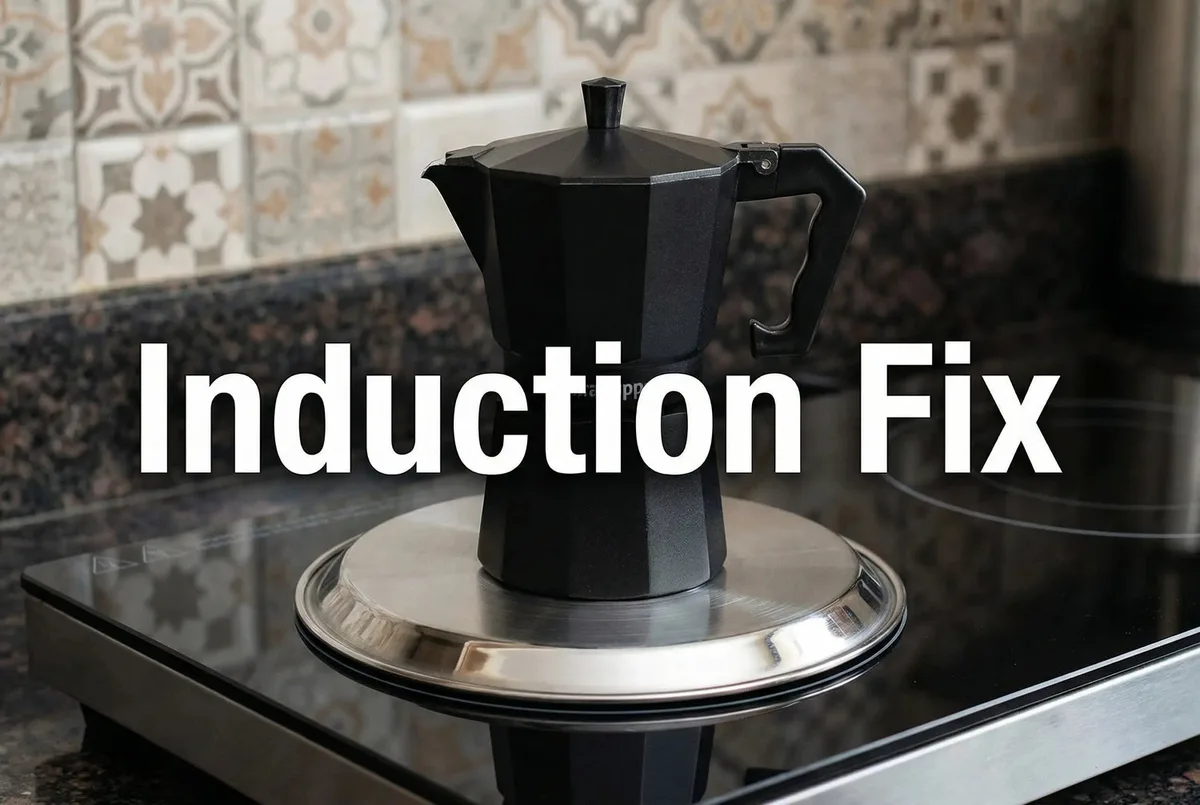
The number one mistake is setting the heat too high. Induction cooktops are powerful. Crank it to 8 or 9, and your water vaporizes before it can press through the coffee bed.
You'll get a weak, scorched brew or a safety valve blowout.
Second mistake: filling water past the safety valve. The water chamber has a small relief valve on the side. If you fill above it, the pressure builds up incorrectly and the pot can spew hot water.
Always fill below that line.
Third mistake: tamping the coffee. Moka pots work with a loose, level fill. Tamping packs the grounds too tight, and the pressure can't push through.
The result is a stalled brew or a messy geyser. Just level it off with your finger.
Fourth: not preheating the water. While induction moka pots heat slower, you can speed things up by using hot water from a kettle. Fill the base with near-boiling water.
This reduces the total brew time by about a minute.
Fifth: forgetting to dry the stainless steel thoroughly. Stainless steel can develop water spots or slight oxidation if left wet. After washing, dry it with a towel.
Your pot will last much longer.
If you run into a stalled brew, turn the heat off and let it sit for two minutes. Then restart on a lower setting. That usually fixes it.
Frequently Asked Questions
Can I use my old aluminum moka pot on an induction cooktop with an adapeter plate?
Yes, an induction adapeter plate lets you use any ferromagnetic disc between the burner and the pot. The pot itself doesn't need to be magnetic. But the brew time increases by about 50 percent.
Most users switch to a dedicated stainless steel pot within a year.
Does an induction moka pot taste different from an aluminum one?
Many coffee enthusiasts say yes. Stainless steel heats more evenly, which reduces the risk of scorching the coffee grounds. The result is often a smoother, less bitter brew.
Aluminum can develop a metallic taste over time, especially if the pot isn't seasoned properly. Stainless steel avoids that issue entirely.
How do I clean an induction moka pot?
Rinse it with warm water after each use. Most stainless steel models are dishwasher safe, but hand washing is gentler on the finish. Use a soft sponge and mild detergent.
Avoid abrasive scrubbers that can scratch the surface. Dry it immediately to prevent water spots.
Why does my induction moka pot take longer to brew than my old one?
Stainless steel has lower thermal conductivity than aluminum. That means it takes longer to transfer heat from the cooktop to the water. This is normal.
The trade-off is better temperature stability. To speed things up, use hot water from a kettle instead of cold tap water.
Can I use an induction moka pot on a gas stove?
Yes. Induction moka pots work on any cooktop type. The stainless steel base is fully compatible with gas, electric, ceramic, and induction.
That's one of the biggest advantages. You can move between kitchens without worrying about compatibility.
What size induction moka pot should I buy?
Stick with a 3-cup or 6-cup model for most households. The cup size is about 50 ml of finished coffee (not a full mug). A 3-cup pot makes a single strong serving.
A 6-cup pot makes two small servings or one large one.
Final Verdict: Which Moka Pot Should You Choose?
If you own an induction cooktop or plan to buy one soon, get a dedicated induction moka pot. The cost difference is about $25 to $50 more than an aluminum pot. That small premium buys you full compatibility, better temperature control, and long-term durability.
If you still cook on gas or electric and don't plan to switch, an aluminum pot remains a great choice. It's faster, cheaper, and lets you watch the brew. Just know that it won't work on induction at all.
The best overall approach is to buy a stainless steel induction moka pot even if you currently have a gas stove. That way you don't have to upgrade again later. It's a small upfront investment that future-proofs your coffee routine.
For most home coffee drinkers, the smoother brew and universal compatibility make the switch worth it. Just be patient with the slightly longer heat-up time. Once you adjust your settings, you'll get a consistently good cup every morning.

Similar Posts