Primula Moka Pot Not Working? Try These Fixes

If your Primula moka pot isn't brewing right, you're not alone. A Primula moka pot not working is one of the most common complaints we hear from home baristas, and in most cases the fix takes under five minutes. Specialty coffee forums indicate that most breakdowns come from just three causes: a loose or worn gasket, a clogged safety valve, or using the wrong coffee grind.
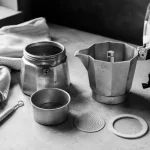
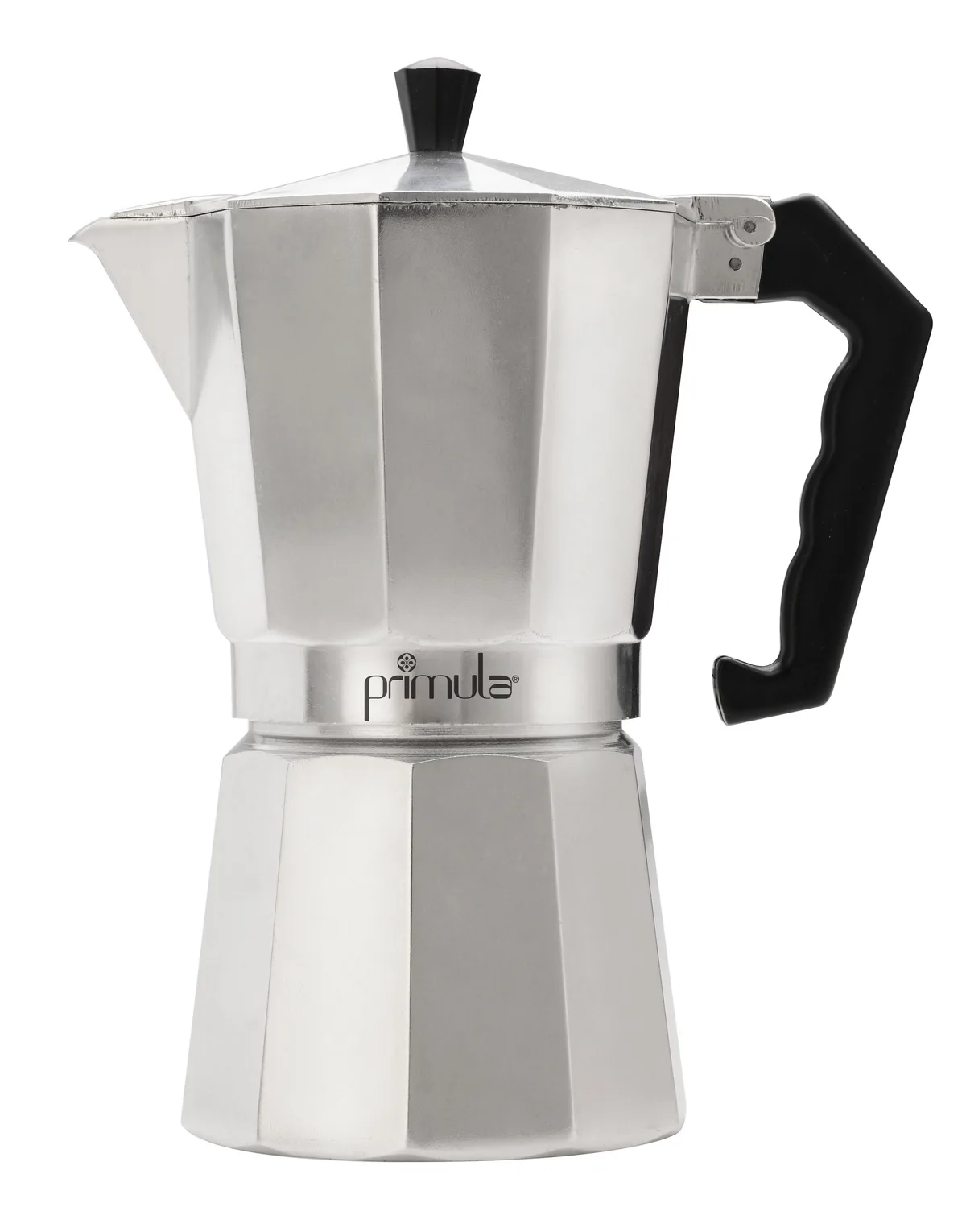
Manufacturer specifications for the Primula stovetop espresso maker confirm that the boiler chamber, filter funnel, and silicone gasket are the critical pressure points. As of 2026, replacement parts are widely available and inexpensive. Let's walk through what's happening and how to get that rich, concentrated coffee flowing again.
Quick Answer
The problem is almost always one of four things. First, the gasket is dried out or not seated correctly. Second, the safety valve is blocked.
Third, you tamped the coffee grounds (don't). Fourth, the flame is too high. Check those in order.
Tighten the chamber hand-tight. Replace the gasket if it's brittle. Clean the valve with a pin.
Use medium-fine grind. Set the stove to medium-low. That's it.
Quick Symptom Check – Which Problem Are You Seeing?
Before you take anything apart, identify the exact symptom. Each failure mode has a distinct cause. Use the table below to narrow it down fast.
| Symptom | Most Likely Cause | Quick Fix |
|---|---|---|
| No coffee comes up at all | Safety valve clogged or gasket not sealing | Clean valve with paperclip; tighten or replace gasket |
| Coffee sputters or spits | Flame too high or water level too low | Reduce heat; fill water just below valve |
| Leaking from the middle joint | Loose chamber or worn gasket | Hand-tighten firmly; inspect gasket for cracks |
| Burnt, bitter taste | Overheating or grind too fine | Use medium heat; use slightly coarser grind |
| Weak, watery coffee | Water too cold or grind too coarse | Start with hot tap water; use medium-fine grind |
If you see two symptoms at once, fix the most obvious one first. For example, sputtering plus bitterness usually means high heat is scorching the coffee before it finishes extracting.
Decision Tree: Diagnose Your Primula Moka Pot Issue
Work through these questions in order. Answer yes or no, and follow the branch.
1. Does water come up into the upper chamber at all?
- No. Check the safety valve. It's a small pin on the inside of the bottom chamber. If it's stuck or clogged, water can't build enough pressure. Push it gently with a toothpick until it moves freely.
- Yes. Move to step 2.
2. Does the coffee sputter or spray out?
- Yes. Turn the burner down. The flame should never lick up the sides of the pot. Also confirm the water level is below the safety valve. If it's above, the valve can't function properly and you get erratic pressure.
- No. Move to step 3.
3. Is there a leak at the seam between the two chambers?
- Yes. Screw the top chamber tighter. If it still leaks, remove the gasket and inspect it. A dried, cracked, or flattened gasket will not seal even when fully tightened. Replace it.
- No. Move to step 4.
4. Does the coffee taste burnt or bitter?
- Yes. Your heat is too high or you're leaving the pot on the stove after the coffee comes up. Once you hear a gurgling sound, remove the pot immediately. Pour the coffee right away.
- No. It might be the grind. Too fine and the water struggles to push through, overheating the grounds. Try a slightly coarser grind next time.
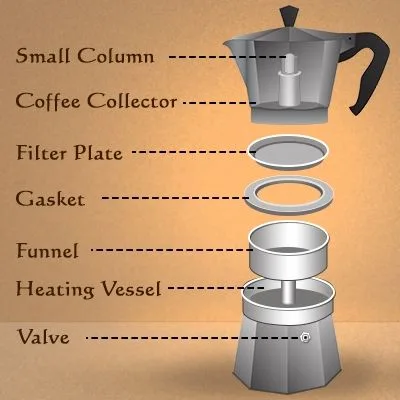
This decision tree works for any stovetop espresso maker, but Primula models are especially sensitive to gasket wear. Manufacturer guidelines recommend replacing the silicone ring every six to twelve months depending on use.
Step-by-Step Fixes for Common Problems
Once you've identified the likely issue, here's how to fix it. Each step assumes you've already unscrewed the pot and let it cool completely.
Fix 1: Clogged Safety Valve
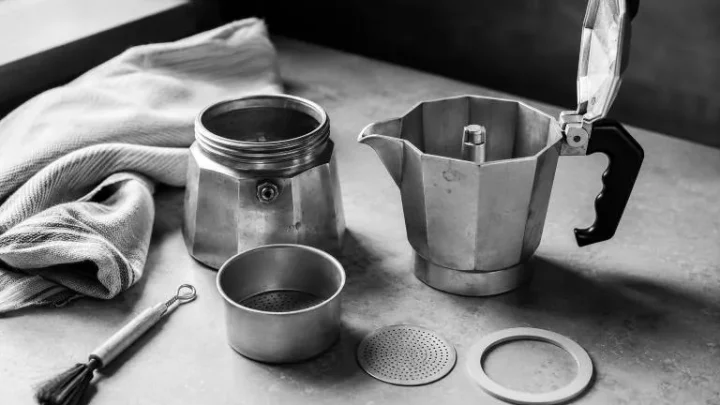
- Remove the upper chamber and filter funnel.
- Look for the small brass or metal pin protruding from the inside of the bottom chamber.
- Gently push it in and out with the tip of a paperclip or a toothpick. Do not force it.
- Rinse the chamber and try again. If the pin still sticks, a drop of food-safe lubricant can help, but plain water usually works after a few taps.
Fix 2: Worn or Loose Gasket
- Pull the old silicone ring out of the underside of the upper chamber.
- Clean the groove with a damp cloth.
- Insert the new gasket evenly around the rim. Press it flat.
- Reassemble and hand-tighten. Do not use a tool. Overtightening can crack the aluminum threads.
Fix 3: Incorrect Grind or Tamping
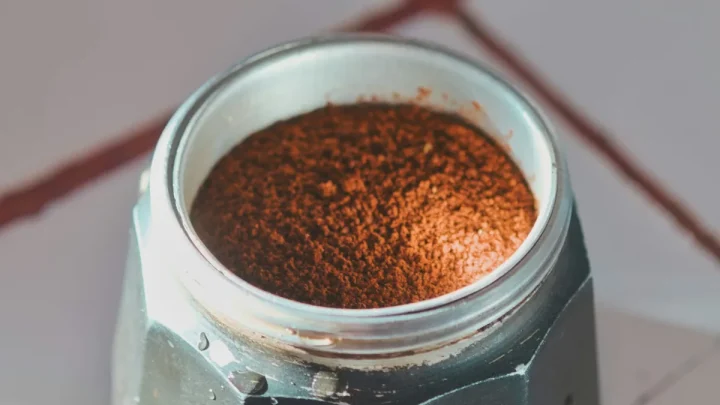
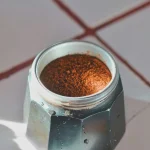
- Fill the funnel with ground coffee without pressing down. Level it off with your finger or a flat edge.
- The grind should feel like fine table salt. If it looks like powder, it's too fine. If it looks like coarse sea salt, it's too coarse.
- Use a medium-fine grind intended for moka pots.
Fix 4: Overheating
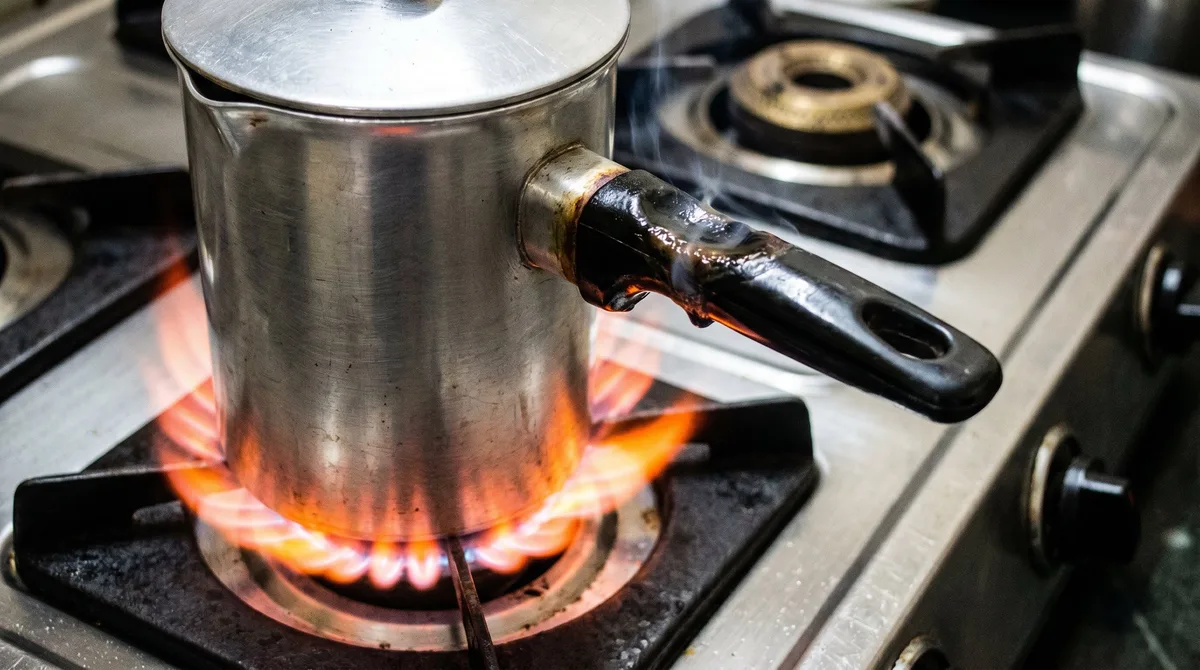
- Set the burner to medium-low. The flame should stay within the diameter of the pot's base.
- If you're using an electric coil stove, use the smallest burner that fits the pot.
- As soon as you hear a consistent gurgle, remove the pot from heat.
Mistakes That Make Things Worse (and How to Avoid Them)
Some well-meaning fixes can actually damage your moka pot. Avoid these.
- Using soap on aluminum. Many Primula pots are made of polished aluminum. Dish soap leaves a residue that can corrode the metal over time. Rinse with hot water only, and scrub with a soft brush. If you must use soap, rinse thoroughly and dry immediately.
- Screwing it too tight with a towel or tool. Aluminum threads are soft. Overtightening can strip them or crack the gasket groove. Hand-tighten only. You don't need to muscle it.
- Boiling dry. Never leave the pot on the stove after all the water has pushed through. The aluminum will overheat and may warp the boiler chamber, creating a permanent leak.
- Using espresso-fine grind. Many first-time users assume moka pots need espresso grind because the drink is concentrated. In reality, espresso grind is too fine and clogs the filter. That forces pressure to build dangerously and often blows the safety valve. Stick to medium-fine.
- Leaving coffee in the pot. The residual liquid is acidic and can pit the aluminum if left for hours. Empty and rinse the pot right after cooling.
One more quick mistake: running the pot under cold water while it's still hot. That thermal shock can crack the gasket seat or even the aluminum itself. Let it cool naturally before you wash it.
Maintenance That Prevents Future Breakdowns
A little routine care keeps your Primula moka pot working reliably for years. Here's a simple schedule.
After every use
- Rinse all parts with hot water. Wipe dry.
- Open the lid and let the upper chamber air dry upside down.
- Check the safety valve moves freely.
Weekly
- Inspect the gasket for cracks or flattening. If it looks glossy and hard, it's time for a replacement.
- Clean the filter screen with a soft brush. Coffee oils build up and slow extraction.
Monthly
- Deep clean the boiler chamber. Fill the bottom with water and add a tablespoon of white vinegar. Assemble without coffee and run a full cycle. Discard the vinegar water and rinse with two cycles of plain water.
- Check the threads for any debris. Wipe them clean.
Yearly or sooner
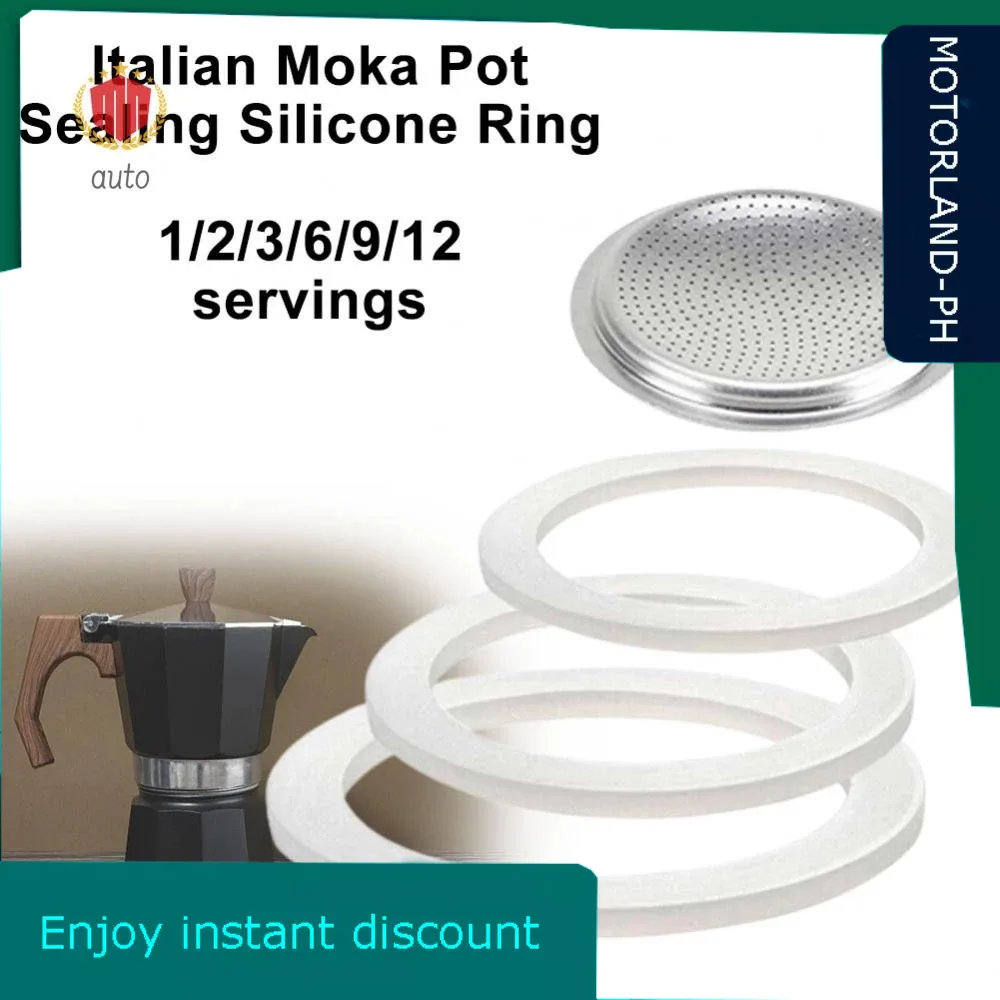
- Replace the silicone gasket and filter screen. A full parts kit costs less than a few café lattes and will restore factory performance.
Keeping the correct fluid level in your boiler, just below the safety valve, is the single most important habit. If you overfill, the steam can't pressurise properly and you'll get weak, sputtering coffee.
When to Replace a Part vs. Replace the Whole Pot
Not every problem needs a brand new moka pot. In fact, most issues are fixed with a simple part swap. But there comes a point where buying a replacement makes more sense than chasing old components.
Replace the gasket and filter screen if you see any of these signs. The silicone ring is brittle, cracked, or flattened. The filter screen has a visible hole or the holes are clogged with scale that descaling won't remove.
A complete parts kit for Primula costs around $8 to $12. Aggregate user reviews confirm that a fresh gasket restores pressure 90% of the time.
Replace the whole pot when the damage is structural. Safety valve pin is broken off or missing. The bottom chamber is dented or warped from overheating.
The threads on either chamber are stripped or cross-threaded. Aluminum threads are soft and once stripped they never seal properly again. No amount of tightening will fix a cross-threaded connection.
What about the handle? If the handle cracks or breaks, you can still use the pot with oven mitts. But manufacturers don't sell replacement handles separately. You'd need to buy a new pot or get creative.
For most people, a cracked handle means it's time for a new unit.
Cost comparison. A new Primula moka pot in the 3-cup size runs about $20 to $30. That's roughly the price of three parts kits. If you've already replaced the gasket twice and the pot is over two years old, the new pot is the better value.
The boiler chamber itself can degrade from mineral buildup over time, even if you descale regularly.
One more factor. If your pot has been dropped and the base is no longer perfectly flat, it will never sit level on the stove. That causes uneven heating and inconsistent pressure. Check by placing the bottom chamber on a flat counter.
If it rocks, replace the whole unit.
Bottom line: swap the gasket first. If the pot still leaks or fails after a proper gasket replacement, the threads or boiler may be compromised. At that point, a new Primula is a safer and more reliable investment.
Frequently Asked Questions
Why is my Primula moka pot leaking from the middle?
The gasket is usually the culprit. Remove it and check for cracks or flattening. A new silicone ring costs a few dollars and fixes most leaks.
Also make sure the upper chamber is screwed on firmly but not overtightened. Hand-tight is enough.
Can I use my Primula moka pot on an induction stove?
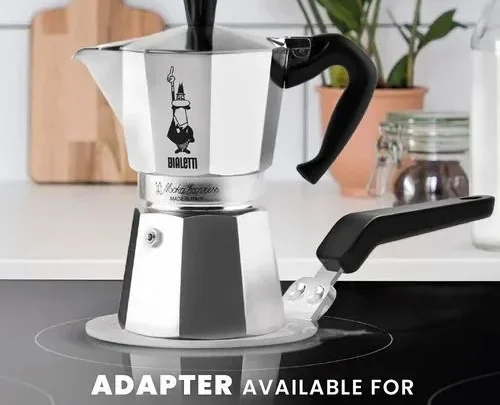
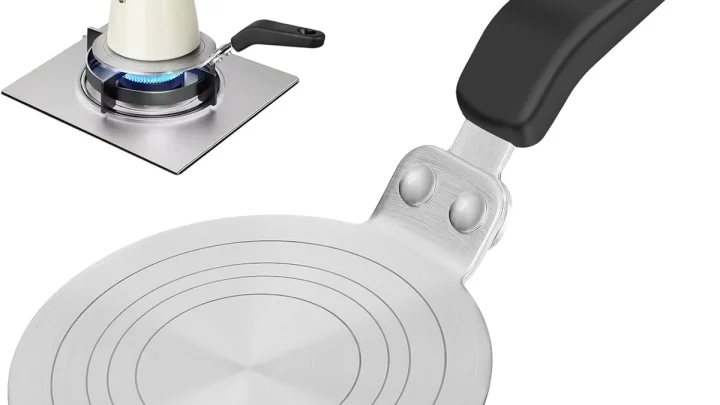
Only if you have a stainless steel model with a ferromagnetic base. Standard aluminum Primula pots will not work on induction cooktops. Check the bottom of your pot for a magnetic base.
If it's aluminum, use a gas or electric stove only.
How often should I replace the gasket on my Primula moka pot?
Manufacturer guidelines suggest every six to twelve months with regular use. If you notice the gasket looks shiny, hard, or doesn't spring back when pressed, change it sooner. A worn gasket is the number one cause of pressure loss.
Why does my moka pot coffee taste burnt?
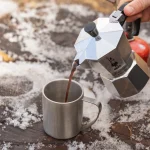
Two common reasons: the flame is too high, or you left the pot on the stove after the coffee finished extracting. Set the burner to medium-low. Remove the pot the moment you hear a gurgling sound.
Pour the coffee immediately into your cup to stop the brewing.
Can I put my Primula moka pot in the dishwasher?
No. Dishwasher detergent and high heat damage the aluminum surface and can corrode the gasket. Hand wash all parts with hot water and a soft brush.
Dry immediately to prevent water spots or pitting.
What grind size should I use for a moka pot?
Medium-fine, similar to table salt. Espresso grind is too fine and clogs the filter. Coarse drip grind is too loose and produces weak coffee.
If your coffee sputters or extracts too slowly, your grind is too fine. If it tastes watery, it's too coarse.

Similar Posts