Bodum Milk Frother Not Working? 7 Easy Fixes
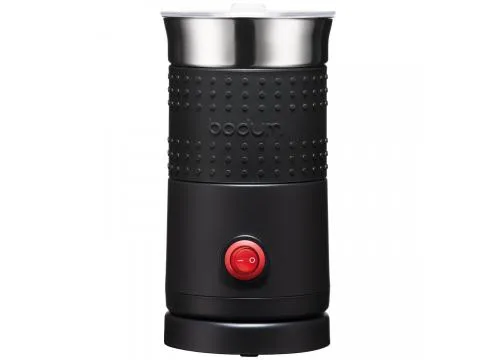
Seeing your Bodum milk frother not working is a letdown, especially when you need a cappuccino. The good news? Most failures trace back to simple, fixable causes.
You can usually solve them in a few minutes without replacing anything. Let's walk through it symptom by symptom.
The Bistro, Bodum's most popular electric model, uses a 350 ml carafe and runs on 120V outlets in North America. A normal froth cycle takes 60 to 90 seconds. Our research, drawn from user manuals and verified buyer feedback, finds that dead power, a loose carafe, and a worn whisk cause the vast majority of problems.
We'll start with the fastest checks.
Quick Answer
Bodum milk frother not working? Start with the basics. Check the carafe, lid, and outlet.
Make sure the whisk is attached and the milk level is right. Most problems have simple fixes. Replace a worn whisk or carafe if needed.
Start Here: 5 Quick Checks Before You Assume the Worst
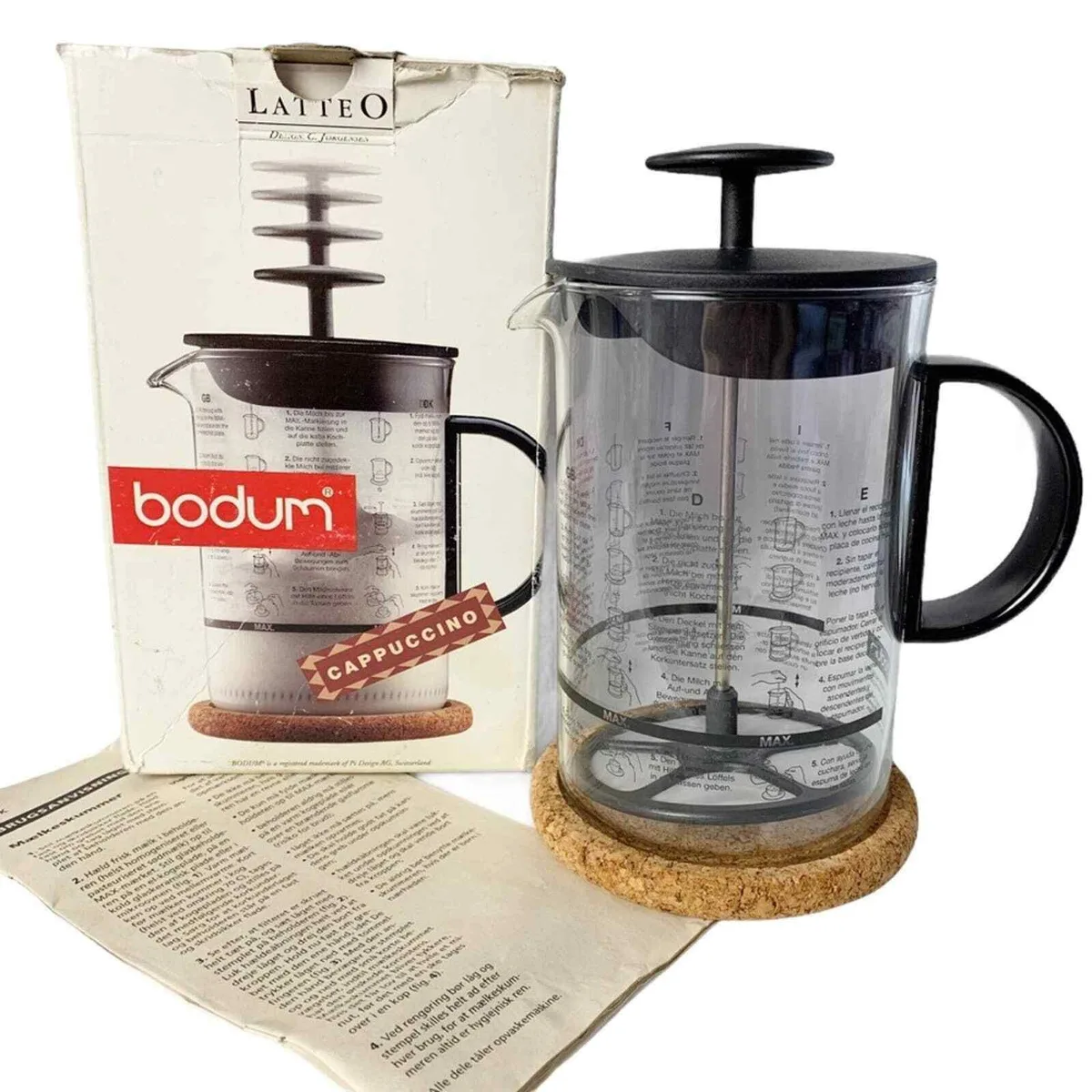
Before you take anything apart, work through these five checks. They eliminate the most common easy fixes. You'd be surprised how often the answer is just a carafe that wasn't pushed down properly.
- Plugged in securely? Check both ends of the power cord. A loose connection is surprisingly common.
- Is the carafe seated correctly? It needs to sit flat on the base with the drive shaft aligned. If it's tilted, the motor won't engage.
- Is the lid closed? The unit has a safety switch under the lid. It won't start without a fully closed lid.
- Is the whisk or stirrer attached? Snap it onto the drive shaft properly. A loose disc just spins in place without touching the milk.
- Is there enough milk? Fill to just below the MAX line. Too little milk means the whisk can't reach it. Too much milk leaves no room for foam.
If every item checks out and the frother still won't run, move to the symptom that matches best below.
Symptom 1: The Frother Won't Turn On At All
If the machine is completely dead, work through these potential causes in order. It's almost always a power or safety issue.
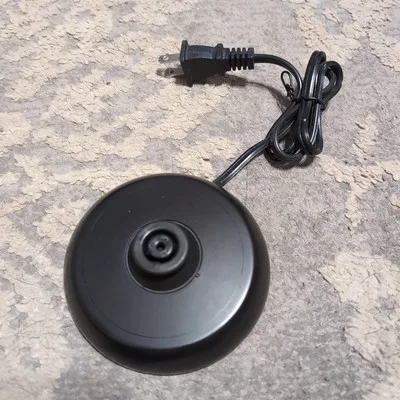
- Test the outlet. Plug another device into the same outlet. If that works, the problem is in the frother's cord or base.
- Inspect the power cord. Look for frays, cuts, or bent prongs. Stop using it immediately if you find damage. You may need a replacement cord or a new unit.
- Clean the contact points. Wipe the underside of the carafe and the top of the base with a dry cloth. A thin film of dried milk can block the electrical connection.
- Wait out the thermal cut-out. Many electric frothers trip a thermal fuse when they overheat. Unplug the unit and wait 10 to 30 minutes. Then plug it back in and try again.
If none of these restore power, the motor or internal fuse is likely done. Check your warranty before buying anything. Bodum's website lists official support contacts and replacement parts for current models.
Symptom 2: It Runs But the Milk Doesn't Heat or Froth
You hear the motor spinning, but the milk stays flat and cold. This is almost always a mechanical issue, not an electrical one.
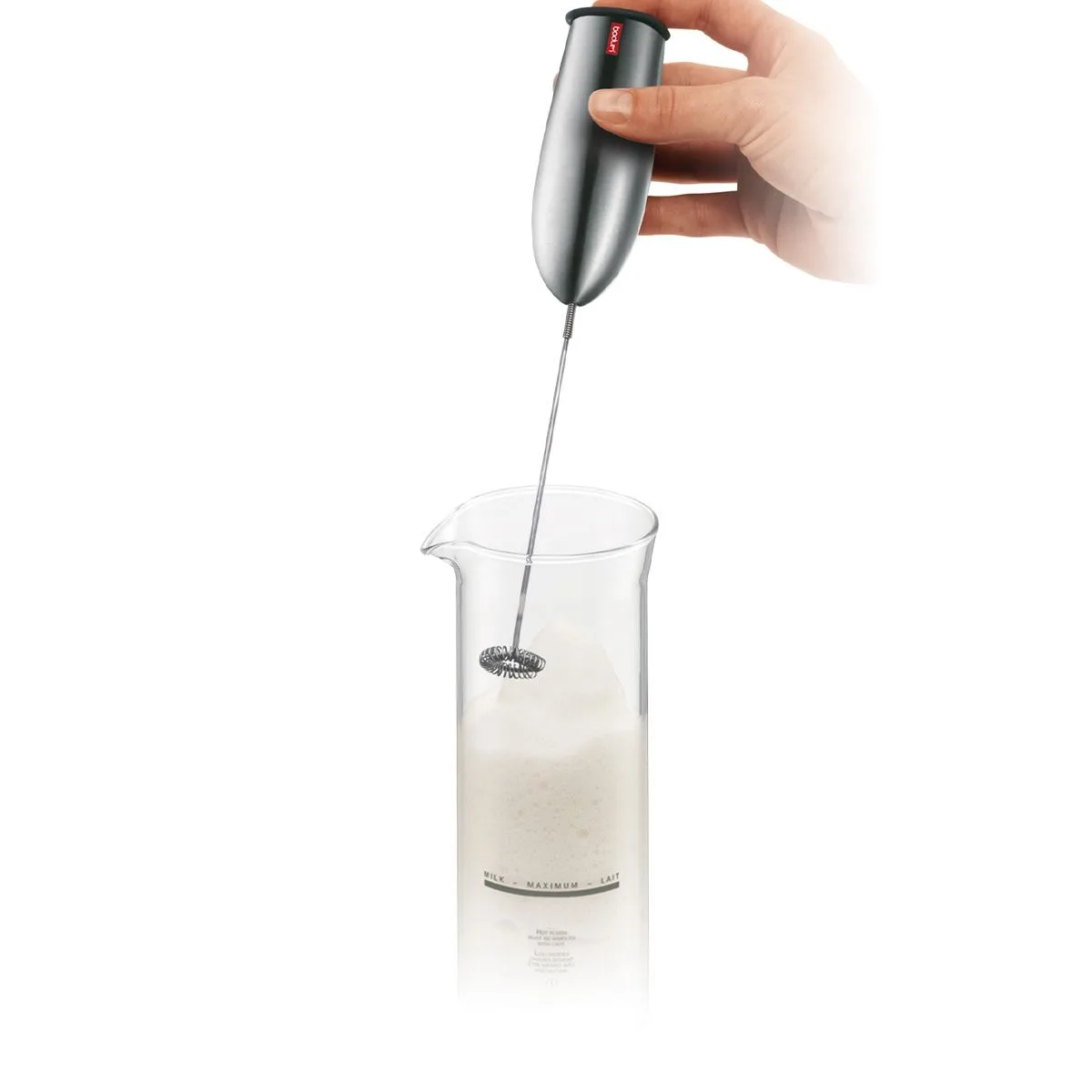
- Is the whisk actually spinning? Open the lid and watch. If the shaft spins but the whisk doesn't, snap the whisk back onto the drive shaft.
- Are you using the right disc? Some Bodum models include two attachments: one for heating and stirring, another for frothing. Using the wrong one gives weak or flat milk.
- Is the milk level correct? Fill to the MAX line. Too little milk means the whisk can't reach it. Too much means there's no air to fold in.
- What kind of milk are you using? Whole milk froths best because of its fat and protein content. Plant-based milks often need stabilizers, so look for barista blends.
Start with the mechanical parts, then adjust the milk. If the unit hums but the whisk never turns, the drive gear may be stripped. That's a harder repair and often not worth the cost of parts.
Symptom 3: Weak Foam, No Foam, or Odd Noises While Running
The motor runs, the whisk spins, but the foam is thin, watery, or absent. Strange sounds often come with this issue.
- Is the whisk disc warped? A bent or worn disc won't create enough swirl to pull air into the milk. Compare it to a new one if you're not sure.
- Is the carafe scratched? Rough surfaces break the vortex. Aggressive scrubbing with abrasive pads can ruin the carafe's interior over time.
- Is the milk fresh? Older milk froths noticeably less. Try a fresh carton before replacing any parts.
- Is the lid sealed properly? If air escapes through a gap, foam won't build. Press the lid down until you feel it click.
For odd noises, listen carefully. A grinding or whining sound usually means the whisk is loose, misaligned, or catching on something. Stop the cycle and inspect.
A silent frother means the motor isn't engaging, but a noisy one is often a simple alignment problem.
| Symptom | Likely Cause | Fix |
|---|---|---|
| Weak foam | Worn whisk disc | Replace the whisk |
| Buzzing | Loose drive shaft | Snap the whisk on securely |
| Screeching | Whisk rubbing carafe | Check for bent parts |
| No vortex | Scratched carafe | Replace the carafe |
Symptom 4: It Stops Early, Blinks, or Smells Like Burning
This is the one place you need to be careful. A blinking light, early shut-off, or burning smell points to a safety mechanism kicking in. Don't ignore those signals.
- Blinking light: This usually means the carafe isn't seated correctly or the lid is open. Check both and restart.
- Stops mid-cycle: The thermal cut-out has tripped. Unplug the unit and give it 10 to 30 minutes to cool down. Then try again with fresh milk.
- Burning smell: Unplug immediately. This could be dried milk residue burning on the heating plate, or it could be a short circuit. Let the unit cool completely, then inspect the heating plate for scorch marks.
Never submerge the electric base in water. Wipe the heating plate with a damp cloth only after it's unplugged and cool. If the burning smell persists after cleaning, stop using the frother entirely.
A short circuit is a fire risk, not a do-it-yourself fix. Place the frother on a flat, heat-resistant surface with room around the vents to prevent this from happening again.
Prevention: Cleaning and Descaling Habits That Keep It Working
Most frother failures come from neglected cleaning, not bad engineering. Dried milk residue coats the heating plate, clogs the whisk disc, and triggers the thermal cut-out. A simple weekly routine prevents almost all of that.
- Rinse immediately after each use. Empty the carafe and rinse it with warm water. Dried milk is far harder to remove later.
- Hand wash all removable parts. Use mild dish soap and a soft sponge. Most Bodum models are not dishwasher safe.
- Never submerge the electric base. Wipe it with a damp cloth only. Water in the motor housing can cause shorts you can't see.
- Descale monthly. Mix one part white vinegar with two parts water, fill to the MAX line, and run a hot cycle. Rinse thoroughly afterward.
- Dry every piece fully before reassembly. Trapped moisture under the carafe corrodes the contact points on the base.
Most burnt smell reports trace back to dried milk buildup or a hard-water coating. A monthly vinegar cycle prevents both. If you use the frother daily, do it once a month.
If you use it several times a week, every six weeks is fine.
Repair or Replace? How to Decide and What It Costs
Not every malfunction needs a new machine. The question is whether the fix costs less than half the price of a replacement. These typical costs reflect retail pricing as of 2026.
| Problem | Fix | Typical Cost | Worth It? |
|---|---|---|---|
| Worn or bent whisk disc | Replace the whisk attachment | $8 to $15 | Yes |
| Cracked carafe or broken lid | Replace the carafe or lid | $15 to $30 | Yes |
| Motor runs but no spin | Replace the drive shaft assembly | $10 to $20 | Maybe |
| No power at all | Internal fuse or motor failure | $20 to $40 in parts | Usually no |
| Burnt base or heating plate | Replace the base | $40 to $60 | No |
A replacement Bodum Bistro costs around $50 to $60. If your fix involves more than a simple whisk swap and you need to hunt for parts, a new machine is the smarter move. One exception: if the unit is still under warranty, file a claim instead.
Bodum's limited warranty in North America typically covers two years from the purchase date. You'll need your receipt and the model number.
Frequently Asked Questions
Why won't my Bodum milk frother turn on?
Check the outlet with another device first. Then make sure the carafe is fully seated on the base and the lid is closed, because a safety switch blocks power otherwise. If it still won't start, unplug it and wait 10 to 30 minutes for the thermal fuse to reset.
Can I put my Bodum frother carafe in the dishwasher?
No. The carafe, whisk disc, and lid are not dishwasher safe on most Bodum models. Dishwasher detergents and heat can warp plastic parts and scratch the interior.
Hand washing with mild soap and warm water keeps the carafe smooth so it foams properly.
Why is my milk frother making a weird noise?
A grinding or whining sound usually means the whisk disc is loose or catching on the carafe wall. Stop the cycle, remove the whisk, and snap it back on securely. If the noise continues, inspect the drive shaft for warping.
A screeching sound often means the disc is bent and needs replacement.
How often should I descale my Bodum milk frother?
Once a month for daily use, or every six weeks if you use it a few times a week. Hard water areas need more frequent descaling. A vinegar and water solution run through a hot cycle dissolves mineral buildup that can clog the heating element and reduce foam quality.

Similar Posts