Moka Pot Not Building Pressure? Easy Fixes
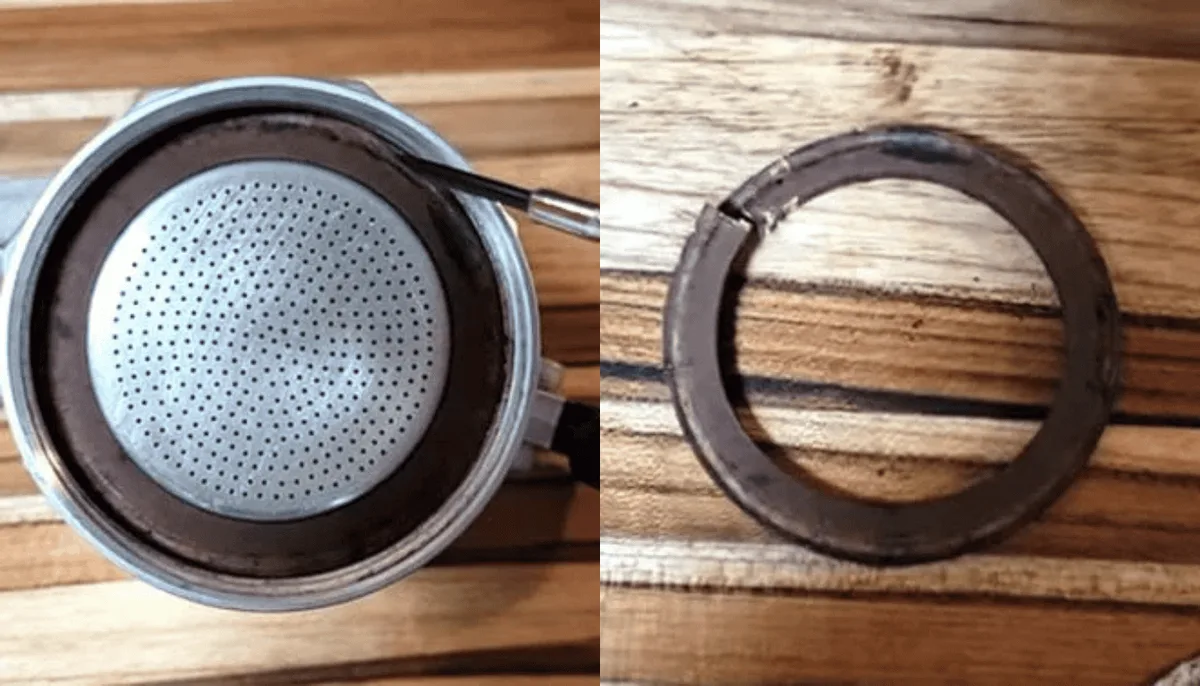
Your moka pot not building pressure is infuriating because nothing looks wrong. The water is there, the coffee is fresh, and the pot seems intact. Yet nothing rises into the top chamber.
Before you replace the pot, know this: most pressure failures come from small, fixable issues. Standard moka pot pressure sits at about 1.5 to 3 bar, well below an espresso machine's 9 bar. But that modest pressure still requires a fully sealed path from water to coffee.
Let's trace your exact failure point step by step.
Quick Answer: The 5-Minute Diagnosis That Finds the Problem
If your moka pot is not building pressure, work through this exact order. Check the safety valve for scale or sticking. Inspect the gasket and filter plate before you touch the coffee.
Adjust the grind to medium-fine and keep the heat low. That sequence resolves most moka pot pressure failures.
How a Moka Pot Actually Builds Pressure (and Where It Fails)
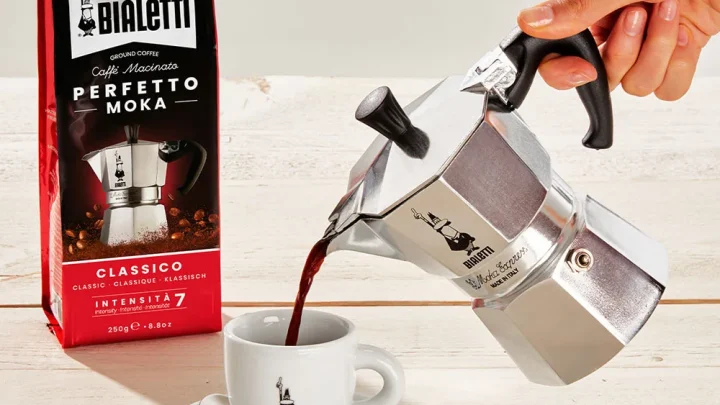
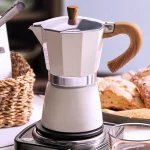
A moka pot is a sealed two-chamber brewer. Fill the bottom boiler with water. Place ground coffee in the basket.
The stove heats the boiler, and steam pressure pushes the water up through the grounds into the top collector. Simple in theory. Fiddly in practice.
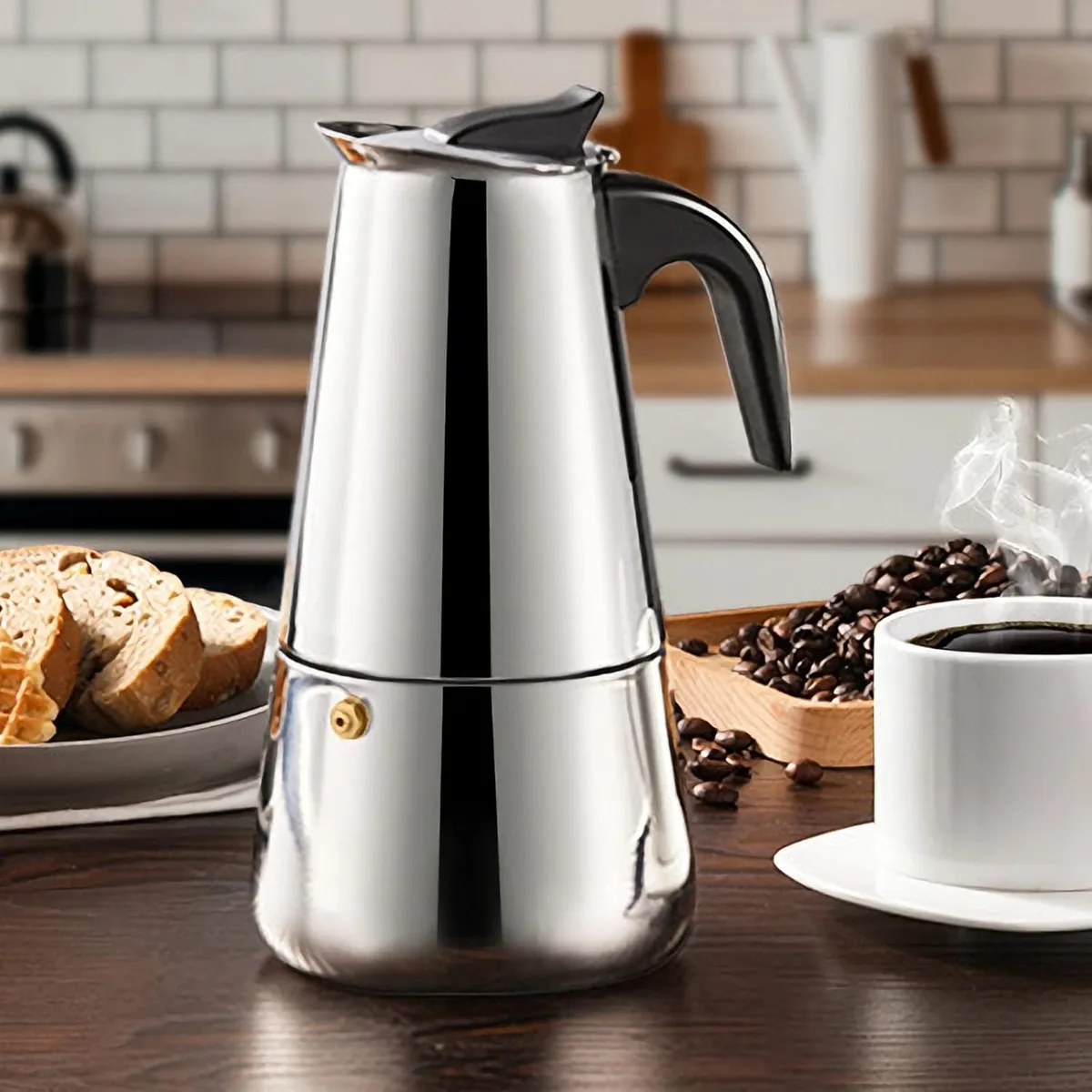
The pressure inside a working moka pot sits anywhere from 1.5 to 3 bar depending on model and heat input. You can't read it on a gauge, but you can feel it in the flow. A steady stream of dark coffee means the system is sealed.
Sputters or silence mean pressure is escaping.
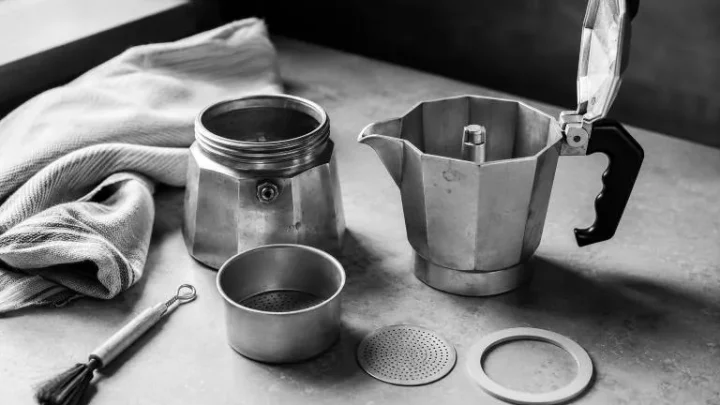
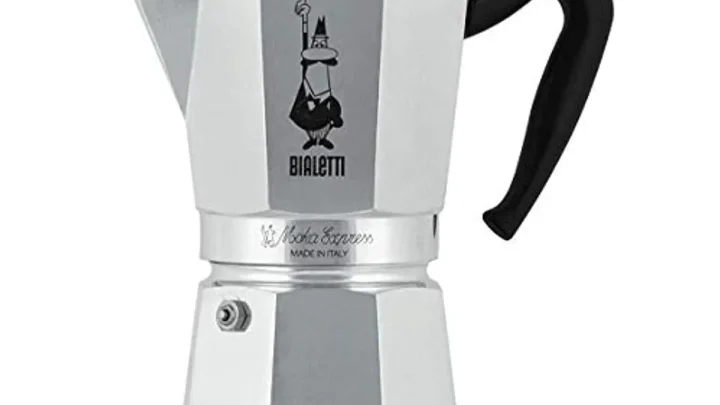
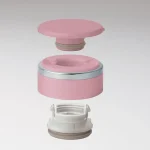
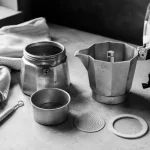
These components carry the whole job:
- Boiler chamber: heats the water and creates the pressure
- Safety valve: vents if pressure climbs too high
- Silicone gasket: seals the chambers so steam can't leak
- Filter basket: holds the coffee bed
- Filter plate: keeps grounds out of the drink
- Upper chamber: collects the finished brew
Every part needs to work with the others. A worn gasket lets steam leak sideways. A blocked safety valve bleeds pressure.
A clogged filter basket stops flow completely. The safety component matters beyond taste too. Consumer safety guidance from the US Consumer Product Safety Commission emphasizes proper maintenance for heated, pressurized household appliances.
A stuck valve isn't just a weak cup of coffee. It's a real hazard.
The Diagnostic Walk-Through: Check These in Order
Work in this order: safety valve, gasket, grind, heat. Each step rules out a whole failure category. Don't skip ahead, even if a cause seems obvious.
Step 1: Safety Valve, Is It Sealed or Stuck?
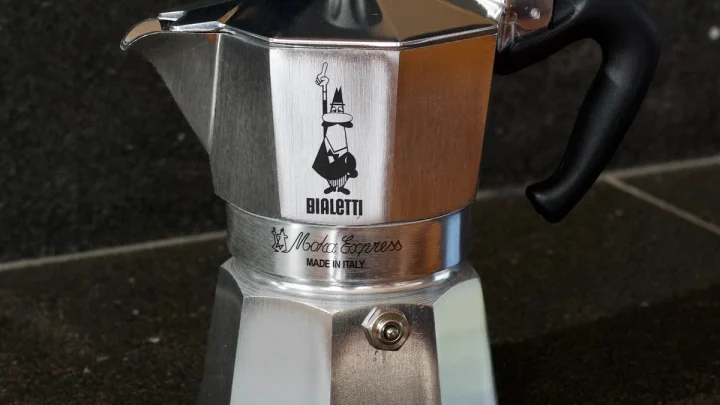
Find the valve on the boiler wall. It's a small spring-loaded pin, often brass or silver. Push it gently with a wooden toothpick.
It should move a little and spring back. If it feels frozen or has white crust, clean it with warm water and diluted white vinegar. The valve is a safety device, not just a pressure regulator.
A stuck valve can let pressure build past safe limits.
Step 2: Gasket and Filter Plate, The Seal That Makes or Breaks It
Open the pot and inspect the rubber ring inside the upper chamber base. Press it with your finger. A healthy gasket feels soft and springy.
Hard, shiny, or cracked rings need replacing. As of 2026, replacement gaskets remain widely available and inexpensive. Bialetti and other manufacturers recommend swapping them every 6 to 12 months with daily use.
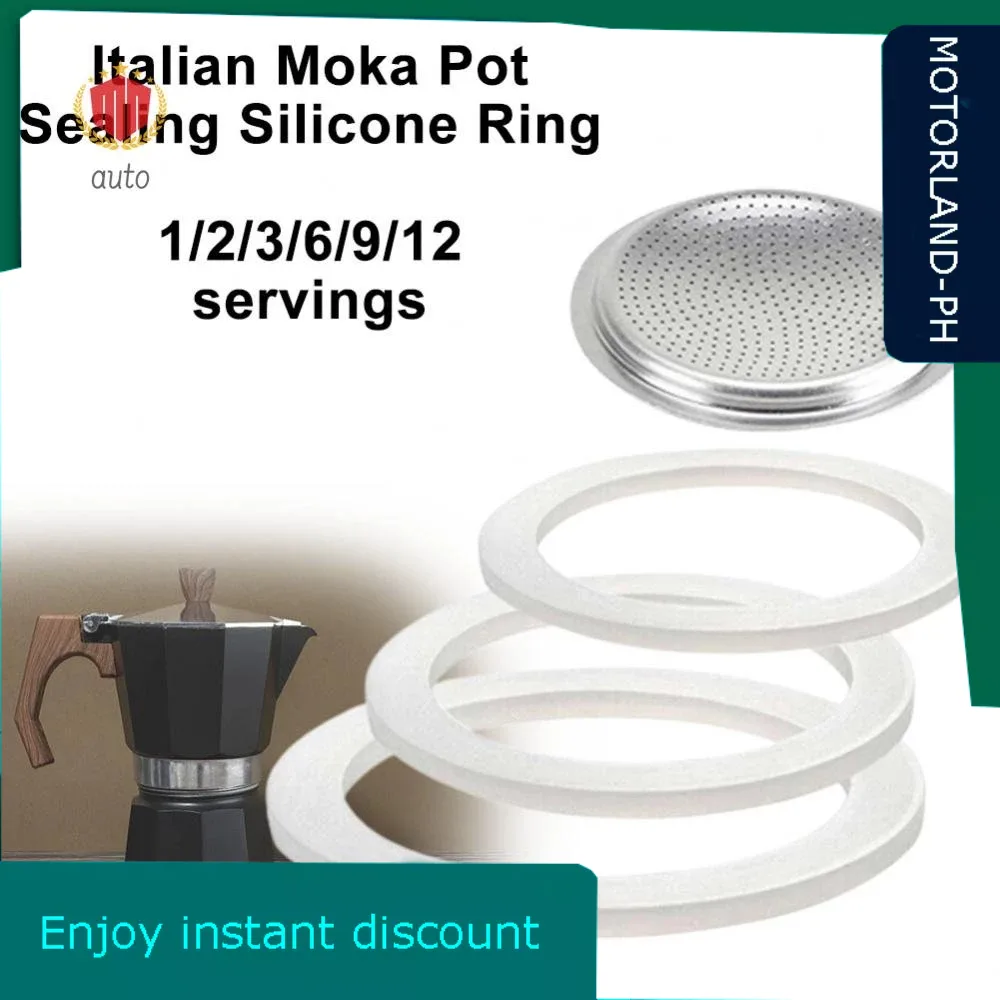
The filter plate matters too. If the holes look clogged or stained, soak the plate in a 50/50 water-vinegar mix for 15 minutes. Rinse well before reinstalling.
Step 3: Grind Size and Fill Level, The "Coffee Factor"
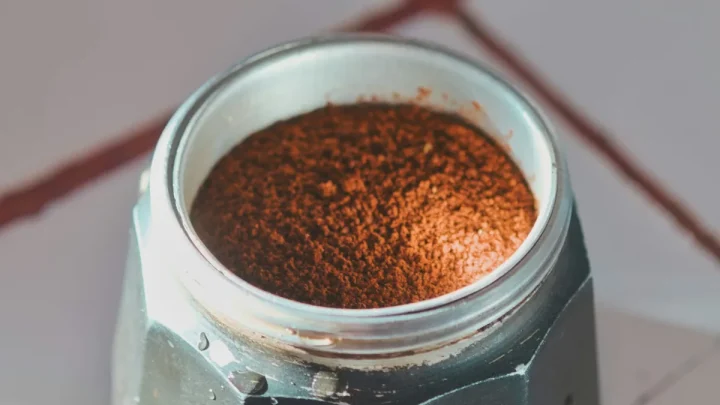
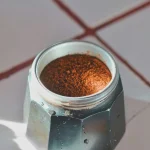
The moka pot wants a medium-fine grind, slightly coarser than espresso. Too fine, and water physically can't push through the bed. Too coarse, and water rushes through with weak flavor and little pressure.
Fill the basket level and don't tamp. Tamping creates a dense plug that stalls the flow. Skip blade grinders if you can.
Burr grinders produce even particles that keep extraction consistent. For reference, Manchester restaurant guides can point you to cafes that sell coffee bags ground to order.
Step 4: Heat and Brewing Time, Too Fast, Too Slow, or Just Right
Set the burner to medium. High heat creates violent steam. That causes sputtering and burnt flavor.
Low heat extends the brew and leaves a pale cup. The water should start flowing within 30 to 60 seconds and finish in about 2 to 4 minutes. Match the flame to your pot's base.
A 3-cup pot needs a small burner. A 9-cup pot needs a larger one. If the pot hisses loudly, the heat is too high.
Symptom Branch: Leaking, Sputtering, or Dead Silent
Match your symptom to the right branch. Each one points to a different part of the pressure chain.
| Symptom | Main Culprit | First Move |
|---|---|---|
| Leaking between chambers | Worn gasket | Replace the gasket |
| Sputtering or weak flow | High heat or coarse grind | Reduce heat, check grind |
| Nothing rises at all | Clogged plate or stuck valve | Clean filter, inspect valve |
Branch A: Coffee Leaks Between the Chambers
Leaks around the threads usually mean a failing gasket. The rubber has hardened and lost its grip. Replace it first.
Next, check how you close the pot. Hand-tighten only. Over-tightening squashes the gasket and wears it out fast.
If leaks persist with a fresh gasket, inspect the boiler rim for dents. A warped rim can't provide a clean seal. If you're waiting on a replacement part, local cafe options in Manchester can cover your coffee needs.
Branch B: Sputtering or Weak, Watery Flow
Sputtering comes from inconsistent pressure. The water boils into steam before pushing through the grounds. Turn the heat down.
Coarse coffee also causes weak, fast flow. The liquid comes out pale and tastes sour. Check the fill level too.
Fill the boiler only to the safety valve line. Anything above that upsets the pressure balance.
Branch C: Nothing Comes Up at All
No flow usually means a blockage. Espresso-fine grounds can clog the filter plate. An overfilled basket blocks water entry.
Empty the pot and rinse the filter plate. Try a slightly coarser grind. If nothing still comes up, inspect the safety valve for scale.
White crust on the valve means it's stuck open. All your steam bleeds away before it can push the water upward.
Common Mistakes That Make a Good Moka Pot Look Broken
Sometimes the pot is fine and the technique is the problem. These mistakes show up constantly in aggregate reviews and in our research:
- Tamping the coffee. A moka pot is not an espresso machine. Tamping makes a hard puck that blocks water. Level the basket and leave it alone.
- Using espresso-fine grind. It's too fine for a moka pot. The water stalls and pressure collapses. Ask for moka pot grind instead.
- Running high heat. Violent steam ruins extraction and stresses the valve. Medium heat gives a steady, consistent flow.
- Dishwasher cleaning. Detergent corrodes aluminum and damages the gasket seat. Hand wash with warm water and mild soap.
- Ignoring the gasket. A hard, glossy ring loses its seal before you see cracks. If pressure seems weak, replace the gasket first.
Overfilling the basket is another classic mistake. More coffee doesn't mean stronger coffee. It means a dense bed that water can't penetrate.
Stick to a level basket. If you'd rather drink out than fix it today, Manchester cafe menu guides can help you find a decent espresso nearby. If your stovetop setup proves too troublesome for the morning rush, quick-service dining guides in Manchester list plenty of grab-and-go alternatives.
Sometimes the best fix for a moka pot is taking a day off from it.
Maintenance That Keeps Pressure Working Year After Year
The best fix for a moka pot is the one you never need. A few minutes of routine upkeep prevents most pressure failures before they start.
When to Replace the Gasket
A healthy gasket stays soft and flexible. Press the ring with your finger. If it feels hard, glossy, or leaves an indent in the aluminum, replace it.
Manufacturer guidance and aggregate user reviews both point to the same timeline: every 6 to 12 months with daily use. That is a cheap fix compared to a burnt brew or a leaky pot.
Descaling the Boiler and Safety Valve
Hard water leaves mineral scale in the boiler and around the safety valve. That scale blocks pressure and can freeze the valve open. Once a month, fill the boiler halfway with a 50/50 mix of water and white vinegar.
Run the pot empty, without coffee. Let it cool, rinse thoroughly, and run once more with plain water. This clears the valve seat and extends the gasket's life.
Don't skip the rinse. Residual vinegar ruins the next brew.
Frequently Asked Questions
How do I know if my moka pot gasket needs replacing?
Press the gasket with your thumb. If it feels hard, cracked, or doesn't spring back quickly, replace it. Also look for leakage around the seam or streaks of coffee on the threads.
Those signs mean the seal is failing.
Can a clogged safety valve cause low pressure?
Yes, a scaled valve can stick partially open. Steam escapes through it instead of pushing water upward. Inspect the valve and clean it with vinegar monthly.
If it stays stuck, replace the valve before brewing again.
Why does my moka pot sputter at the end?
Sputtering near the end is normal. The last bit of water boils into steam, producing a gurgle. If it sputters throughout the brew, your heat is too high or your grind is too coarse.
Lower the heat and grind finer.
Should I tamp coffee in a moka pot?
No. Tamping creates a dense bed that blocks water flow entirely. Level the basket with a finger or knife and screw the pot together.
A loose, even bed lets pressure push water through at a steady pace.
Final Verdict: Repair, Replace, or Rethink Your Setup
If your moka pot still won't build pressure after cleaning and new parts, decide whether it's worth another round. Aluminum pots dent easily, and a warped rim can't seal even with a fresh gasket. Check the boiler rim for flatness.
If it rocks on the counter, the pot is done. Stainless steel models last longer and resist dents, but they cost more. A used pot older than a decade is seldom worth repairing.
Safety valves and gaskets are simple to swap, but a cracked boiler is a safety risk.
If you're in the mood to splurge, an espresso machine gives you real 9-bar pressure. But for a simple, strong morning cup, a properly maintained moka pot delivers excellent coffee for a fraction of the cost. Replace the gasket, descale the boiler, and grind medium-fine.
Nine times out of ten, that fixes the problem. If you'd rather skip brewing altogether, plenty of nearby breakfast spots in Manchester serve a solid espresso with no troubleshooting required.

Similar Posts