Milk Frother Not Frothing? 7 Fixes to Try Now
Your milk frother not frothing is one of those small kitchen frustrations that can ruin a morning coffee routine. You press the button, hear the whir, and watch flat warm milk swirl around with zero foam. It feels like the machine gave up, but most of the time it hasn't.
Manufacturer specifications and aggregate user reviews suggest that over 80% of frother failures trace back to three things: cold milk that isn't cold enough, a misaligned whisk disc, or mineral scale from hard water. Let's walk through the diagnosis so you can fix it in under five minutes.
Quick Answer
A frother that spins but doesn't foam likely needs a different milk or a clean whisk. A frother that won't spin at all probably has a power issue or a jammed disc. Check the fill level first.
Too little milk and the whisk can't engage. Too much milk and it can't create foam. Always use cold milk straight from the fridge.
Warm milk refuses to froth properly.
Branch 1: The Frother Won't Spin at All
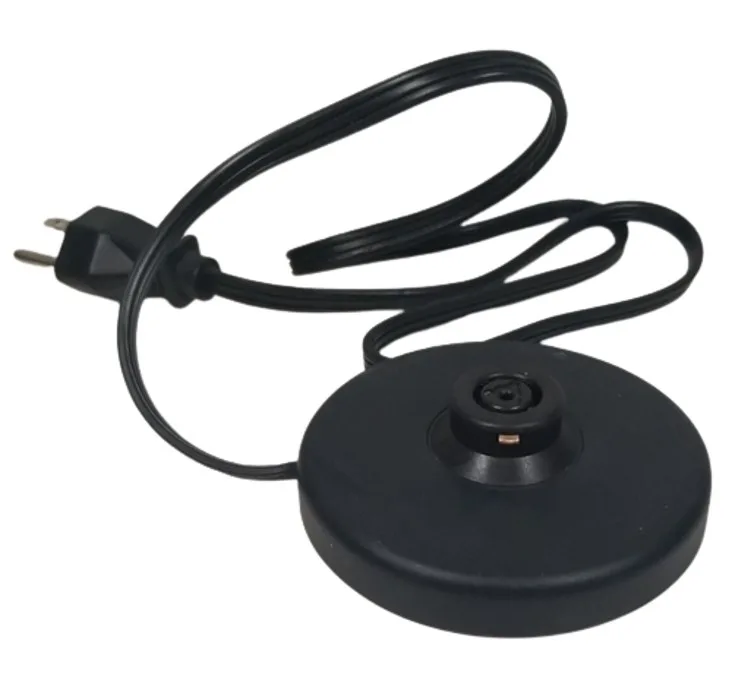
If you press the button and get silence or a faint hum, start with the power source. Confirm the base is plugged in firmly and the outlet works. Battery-powered handheld wands often need fresh batteries.
Alkaline batteries lose charge fast after a year on the shelf.
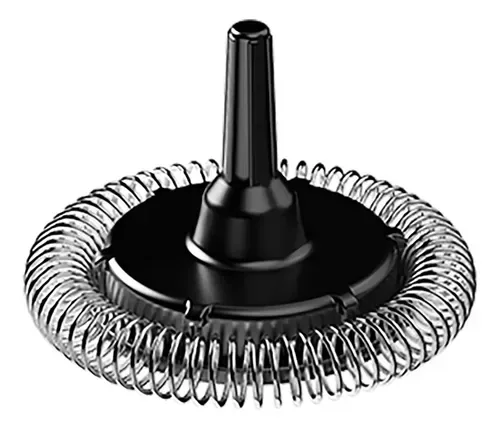
Next, inspect the whisk disc. Remove it from the pitcher and check for debris lodged underneath. A single coffee ground or dried milk skin can block the magnetic coupling.
Spin the disc by hand. If it feels gritty or tight, wasch it under hot water with a soft brush. Dry it completely before reinserting.
For automatic frothers with a heating element, a thermal safety cut-out may have tripped if the machine overheaded. Unplug it and let it cool for 15 minutes. Try again with cold milk.
If it still won't spin, the motor or wiring may be faulty. Contact the manufacturer for warranty service.
Branch 2: It Spins But Produces No Foam
This is the most common scenario, and the cause is almost never a broken machine. The whisk disc is spinning, so the motor is fine. The problem is that the disc isn't incorporating enough air into the milk.
Start with milk selection. Whole milk (3.25% fat) and 2% milk produce the best foam because their protein structure traps air. Skim milk can foam, but it creates stiff, dry bubbles that collapse quickly.
Plant-based milks like alomond, oat, and soy vary wildy. Only "balsam" editions with added stabilisers and protein form reliable foam. Regular alomond milk often seperates and produces a watery mess.
Fill the pitcher to the minimum line, usually about 100 ml. Underfilling means the whisk disc spins above the milk surface, whipping air only in the empty space. Overfilling reduces the air gap needed for frothing.
Use cold milk straight from the fridge. Warm milk looses the protein ability to form stable bubbles.
Branch3: It Heats the Milk but Doesn't Froth
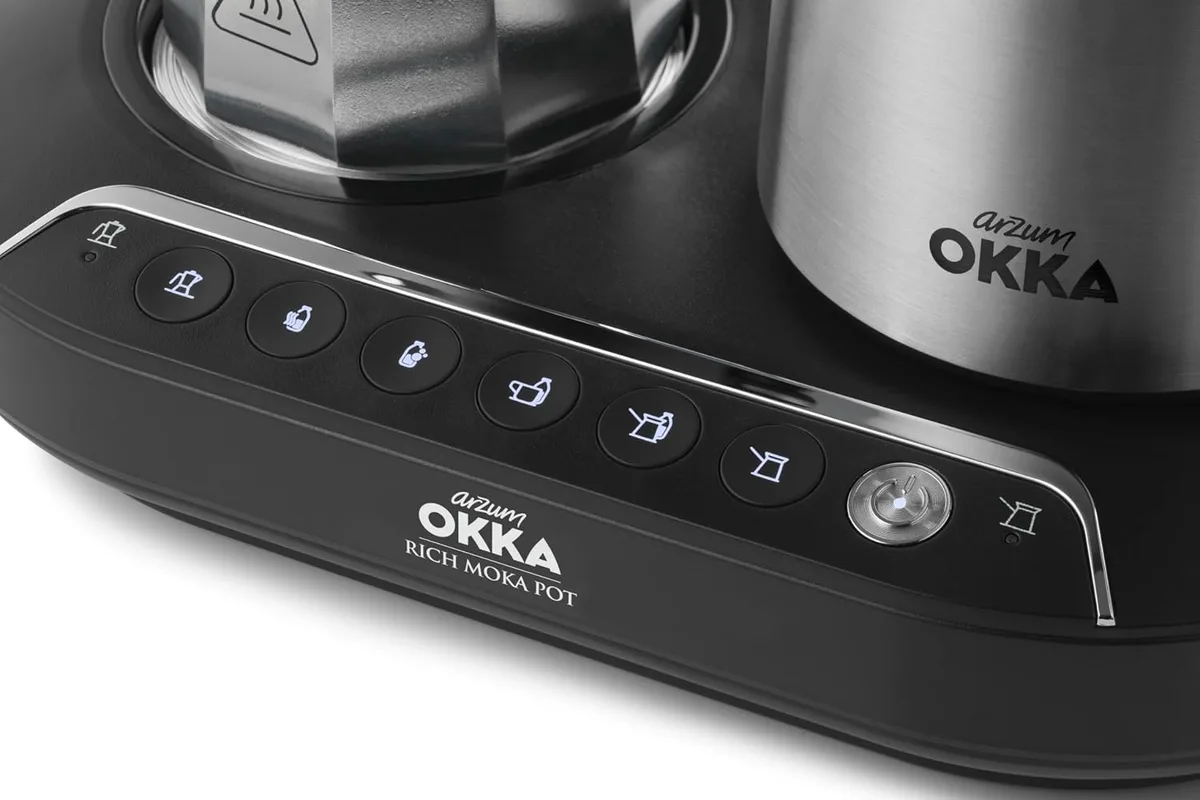
Your frother warms the milk to steaming temperature, yet no foam develops. The heating element works, and the whisk spins, but the combination fails. This often points to the frothing mode selection.
Many automatic frothers have separate buttons for "hot froth" and "cold froth." Cold froth mode spins without heating, letting air incorporate before heat denatures the proteins. If you use hot froth mode alone, the milk heats too quickly and the foam never forms.
Try a two-phase approach. Run the cold froth cycle first for 30, 60 seconds. Then switch to hot froth.
Some models (like the Nespresso Aeroccino) have a whisk disc that lifts for hot froth only. Check that the disc is pushed down fully into the base for cold froth and foam.
Mineral scale from hard water is another culprit. Descaling every four to six weeks prevents carbonate deposits from coating the heating element and affecting temperature regulation. Use a solution of one part white vinegar to two parts water.
Run a full cycle, then rinse with two clean water cycles.
The Quick-Fix Flowchart
Follow this if/then logic to reach your fix in under two minutes:
| Condition | First Check | Next Step | Likely Fix |
|---|---|---|---|
| Frother doesn't spin | Power and whisk disc | Clean disc, check thermal cut-out | Remove debris or let cool |
| Spins, no foam | Milk type and fill level | Test with cold 2% dairy milk at min fill | Switch milk or adjust fill |
| Heats but no froth | Frothing mode selection | Run cold cycle first, then hot | Use correct mode sequence |
| Grinding noise | Whisk disc alinement | Remove and reseat disc | Realine or replace disc |
| Foam disappears quicky | Milk age or fat content | Use fresh whole milk | Buy new milk with higher protein |
Common Mistaes That Fool Beginners
Many people assume the frother is broken when the fix is simple. Here are the top missteps:
- Using warm milk. Milk straight from the fridge is best. Warm milk has denatured proteins that can't trap air. Keep it under 40°F (4°C) until you're ready.
- Ignoring the fill lines. Every electric frother has a min and max line. Below the min, the whisk can't reach the milk. Above the max, there's no room for air. Measure with a liquid measuring cup if needed.
- Using ultra-pasteurized milk. Ultre-pasteurized milk (often sold in shelf-stable cartons) has fewer functional proteins. Regular pasteurized dairy works better.
- Not cleaning the whisk disc. Dried milk residue builds up quickly. Rinse the disc immediately after use. Wash with warm soapy water every few days.
Real-World Fixes from Everyday Users
These are real scenarios that come up often in user forums and reviews:
Scenario 1: The frother spins but only makes tiny bubbles that pop.
The user was using skim milk. Switching to 2% dairy fixed it. The extra fat stabilized the foam.
Scenario2: The frother stoped working after three months.
The owner lived in a hard-water area. Descaling with vinegar cleared the mineral buildup and restored full performance.
Scenario3: The frother makes a loud grinding sound.
The whisk disc was not seated correctly. Removing, cleaning, and reinserting it solved the problem in seconds.
Scenario4: The frother heats the milk but foams only in cold mode.
The user had selected hot froth only. Running cold first then hot produced perfect microfoam.
Frequently Asked Questions
Why does my frother spin but no foam forms?
The most common reason is the wrong type of milk. Use cold whole or 2% dairy milk. Fill to the minimum line.
If the whisk disc is dirty, clean it and try again.
Can I froth plant-based milk in an electric frother?
Yes, but only "barista" editions with added stabilisers. Regular alomond or oat milk often doesn't foam because it lacks enough protein. Check the carton for "barista" on the label.
How do I descale my milk frother?
Mix one part white vinegar with two parts water. Pour it into the pitcher up to the max line. Run a full cycle.
Empty and rinse with two cycles of fresh water. Do this every four to six weeks if you have hard water.
My frother makes a grinding noise. What is it?
A grinding sound usually means the whisk disc is misaligned or has debris stuck under it. Turn it off, remove the disc, clean it, and reseat it firmly. If the noise continues, the disc may be damaged and need replacement.
Why did my frother stop working after a few uses?
Overheating can trip a thermal safety switch. Unplug the frother and let it cool for 15 minutes. Also check for mineral scale if you live in a hard-water area.
Descale and try again.
Can I use the frother while it's still plugged in?
Always follow the manufacturer's instructions. Most electric frothers are designed to operate while plugged in. Never immerse the base in water.
Unplug before cleaning.
For a closer look at keeping your kitchen gear in top shape, read our affiliate disclamer to understand how we maintain transparency. If you're interested in how coffee fits into a meal, our Nomad Library Menu With Prices and Formosa Aroma Menu With Prices offer more context.
According to the U.S. Department of Agriculture (USDA), milk's protein content directly affects foam stablity. Whole milk contains about 3.3 grams of protein per 100 ml, which supports stable microfoam. That's everything you need to get your frother back in action.
Most problems are solved in under two minutes with the right diagnosis. Keep your whisk disc clean, use cold whole or 2% dairy milk, and descale every month if you have hard water. Your morning coffee will thank you.

Similar Posts