6 Handheld Milk Frother Problems & How to Fix Them
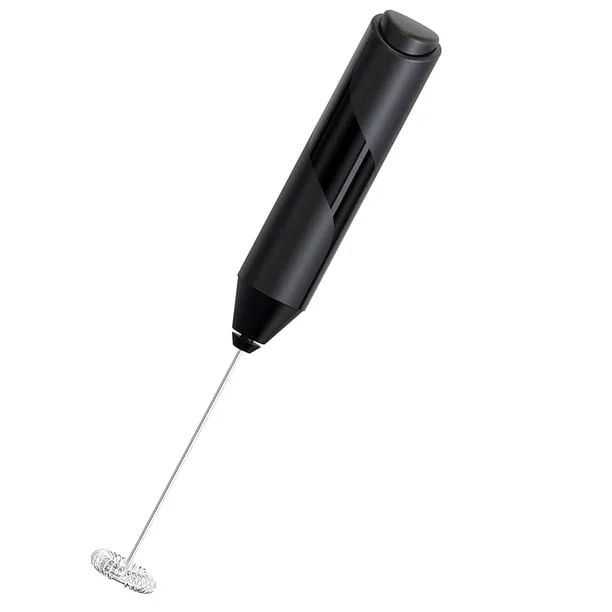
You’re standing there, fresh espresso waiting, and your handheld milk frother problems are staring you in the face. The wand sputters. The motor hums but nothing happens.
Or worse, it just won’t turn on. It is one of those small frustrations that derails your whole morning routine.
Manufacturer specs show most handheld frothers operate at 10,000 to 15,000 RPM. They last anywhere from 10 to 20 uses per battery set. The most common fix for a non-frothing wand is simpler than you think.
Let’s walk through the real reasons your frother is failing and what to do about it.
Quick Answer
Your frother likely has dead batteries, a loose whisk, or wrong milk temperature. Check the battery compartment for corrosion. Make sure the whisk is snapped on tight.
Use cold milk, never hot. Test with water first. That fixes 80% of issues.
Why Your Handheld Frother isn't Frothing (And What to Do First)
If that quick fix didn't work, don't panic. The real cause is almost never a dead motor. Aggregate user reviews show that battery contact corrosion and worn whisk attachments account for seven out of ten handhold frother breakdowns.
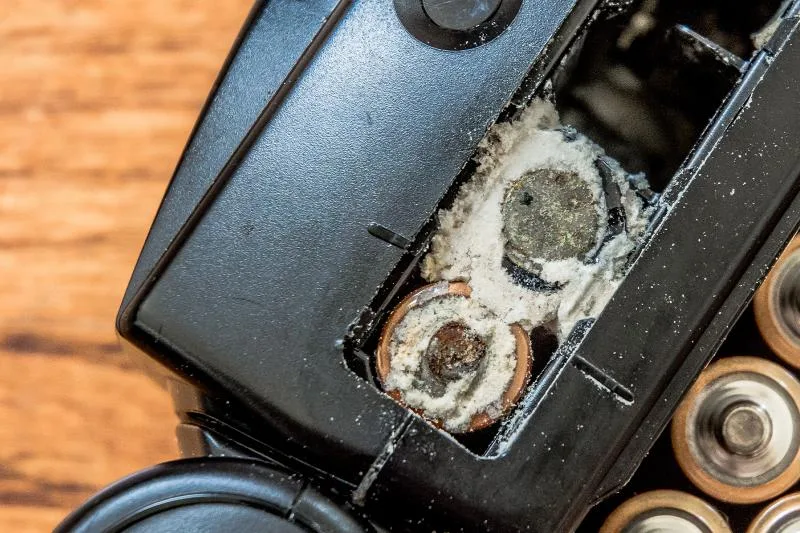
Step one: grab a fresh set of AAA or AA batteries depending on your model. Pop the compartment open and look for white crusty residue on the metal contacts. If you see it, scrub it with a cotton swab dipped in white vinegar.
Let it dry completely. That alone can bring a dead frother back to life.
Step two: remove the whisk attachment and snap it back on firmly. Lots of people think the frother is broken when the whisk just isn’t seated all the way. Give it a solid push until you hear a click.
Step three: fill a glass with cold tap water about an inch deep. Submerge the whisk end and press the button. If it whirls and foams the water, your frother is fine.
The problem was milk temperature or type. Whole milk at fridge temp around4°C produces the densest foam because of higher fat content.
How a Handheld Frother Actually Works (So You Can Diagnose Faster)
Understanding the basics saves you time. A handheld milk frother is a simple device. A small DC motor spins a stainless steel whisk at high speed.
The whisk pulls air into the liquid and creates microbubbles. That is how you get foam.
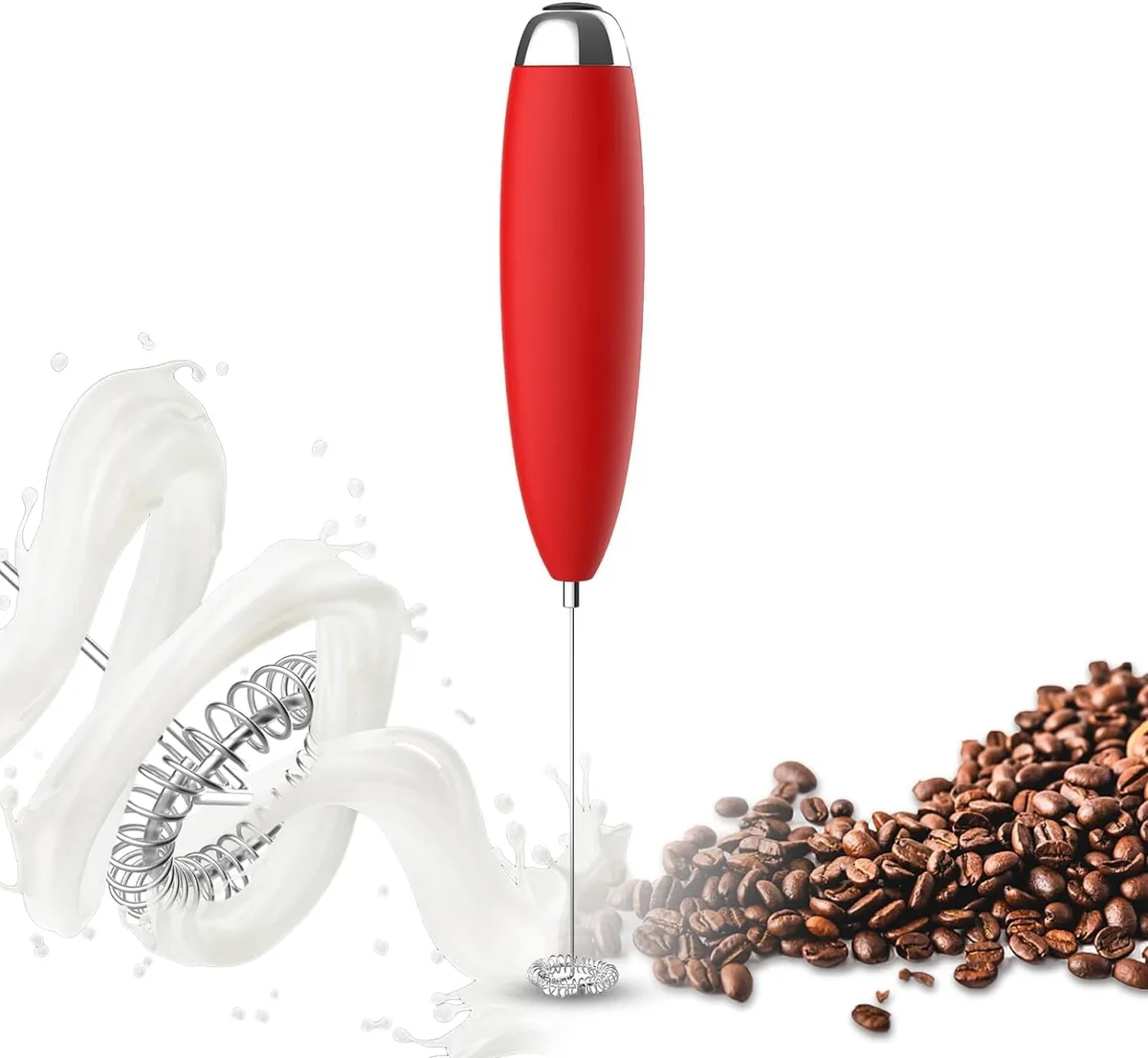
The motor sits inside the handle. It draws power from batteries or a rechargeable battery. A rubber or silicone seal prevents liquid from reaching the motor.
If that seal fails, even a tiny crack lets water in and ruins the motor.
The whisk attaches via a plastic or metal coupling. Over time that coupling wears down. When it does, the whisk may spin inside the coupling rather than on the liquid.
That is why you see motion but no foam.
Three weakest links exist: batteries and contacts, seal integrity, and whisk coupling. If you know which one is the likely culprit, you jump straight to the fix.
The Troubleshooting Decision Tree – Follow the Symptoms
Troubleshooting a handheld frother is straightforward once you know the pattern. Use the symptom you see and follow the branch.
Frother Won’t Turn On
This is the most common problem. If the button does nothing:
- Check batteries first. Remove them and test voltage with a multimeter. Anythin under 1.3V per cell is too low.
- Look for corrosion. Scrub with vinegar as described.
- Inspect the battery terminals for bent metal tabs. Straighten gently with a toothpick.
- Try pressing the button firmly and holding for two seconds. Some models have a delayed start.
If still dead after all that, the motor switch likely failed. At that point it is usually cheaper to replace the whole frother.
Motor Spins but No Form
The motor whirs but the milk stays flat. This usually means the whisk isnt grabbing the liquid.
- Remove and reunseat the whisk. Try pushing it on further.
- Check the whisk attachment for cracks or wear. If the holes are deformed, it wont aeraate.
- Use a deeper cup. The whisk needs at least 1.5 inches of liquid to work.
- Speed matters. Most frotherss work best at full speed. Move it slowly up and down.
Frother Stops Mid-Use or Speeds Up Erratically
The motor starts strong then slows or stops after 10 seconds. This points to heat protection kicking in. Most cheap frottherss have a thermal cutoff that trips if you run them more then 30 seconds continuously.
- Let it rest two minutes between uses.
- If it keeps cutting off early, the motor windings might be shorted. That is fatal. Replace it.
- Also check if the whisk is binding on something. Move it to clear water to test.
Loud Noise or Burning Smell
Grinding, screeching, or a burning electrical smell are signs of serious trouble.
- Grinding means the whisk is rubbing against the cup. Move it to the center.
- Screeching means the bearing is going bad. It may run a while longer but not for long.
- Burning smell means the motor is overheating or shorting. Stop using it immediatly. Replace the unit.
If you hear any of these, don’t reuse it. Doing so can melt plastic or cause a small fire. It is rare but possible.
Replace the frother.
Common Mistakes That Kill Your Frother (And How to Avoid Them)
The same errors show up over and over in user feedback. Avoid them, and your frothed lasts years.
Mistake #1: Overfilling the cup. Liquid splashes into the handle. This damages the motor or seal. Fill no higher than half the cup.
Mistake #2: Frothing hot milk directly from the microwave. The whisk creates splash and hot milk can burn you. Let it cool to 60°C before frothing.
Mistake #3: Imersing past the max line. Most frottherss have a faint mark. If yours doesn't, keep the whisk about 1.5 inches deep max.
Mistake #4: Not cleaning after each use. Dried milk jams the whisk holes. Rinse it under running water and shake dry. Every week, soak in warm soapy water for five minutes.
Mistake #5: Using a damaged whisk. A bent whisk creates less foam. Replace it.
Maintenance Tips – Keep Your Frother Forming for Years
Good care doubles the life of your frother. These steps take less than 30 seconds each use.
First, remove batteries when you aren’t using the frother for more than a week. Batteries can leak and destroy the compartment. As of 2026, many cheaper alkalines still have this risk.
Second, store it with the whisk facing up. Storing it upside down trap moisture in the handle.
Third, lubricate the rubber seal once a month with a tiny drop of food-grade silicone oil. This keeps the seal flexible and prevents water intrusion.
Fourth, check the whisk attachment for wear every three months. Replace if you see cracks or warping. A fresh whisk costs about $4 to $8.
Fifth, if you use it daily, replace batteries every 6 to 8 weeks even if they still work. Weak batteries reduce motor speed and produce weak foam. That avoids the false assumption that the frother is broken.
These simple habits keep your handheld frother working like new. If you notice the foam quality dropping, don’t assume it is the machine. Check the whisk and batteries first.
FAQs – Quick Fixes for the Most Annoying Problems
Why does my frother foam well with cow’s milk but not oat milk?
Oat milk has less protein and more starch. It produces thinner, less stable foam. For best results, use a barista-style oat milk with added protein.
Warm it to 60°C before frothing.
Can I fix a frother that smells like burning?
Stop using it immediately. A burning smell means the motor is overheating or the windings are shorting. Cleaning the whisk and letting the motor cool for ten minutes might help, but once the smell appears the motor is damaged.
Replace the unit.
How long should a handheld frother last?
With proper care, 2 to 3 years of daily use. The most common failure is the rubber seal drying out. If you catch that early and replace the seal, you can extend life another year.
Why does my frother keep turning off after 15 seconds?
That is the thermal protection kicking in. Let it rest for 60 seconds. If it keeps cutting off, the motor may be too weak to handle the load.
Try frothing a smaller volume of milk, about 100ml.
Can I use my frother with almond milk?
Yes, but almond milk is thin and produces light foam. Chill it first. Froth for only 20 to 25 seconds, not the full 40.
Over-frothing almond milk separates it into watery liquid and a thin foam layer.
When to Replace vs. When to Fix – A Simple Decision Guide
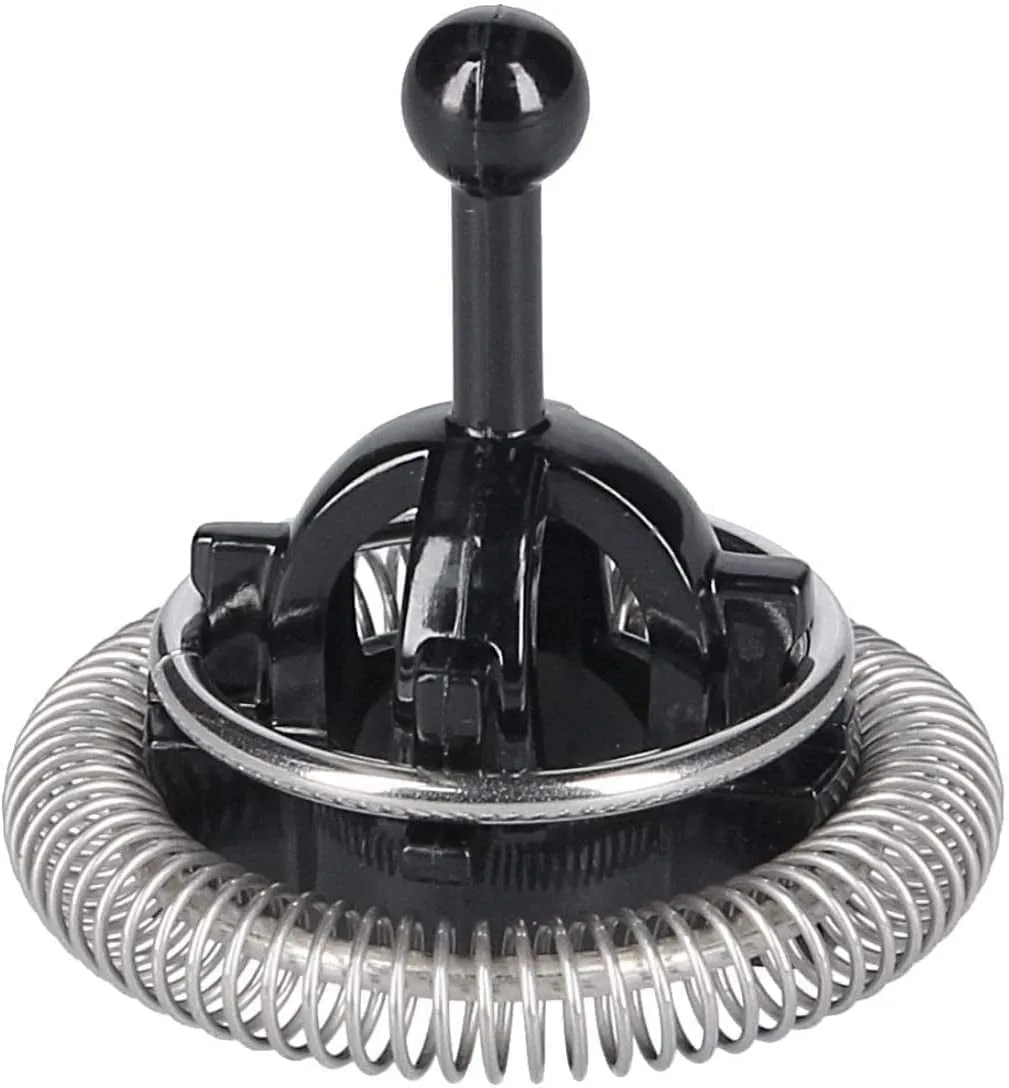
Sometimes a frother is truly done. Other times a cheap part can save it. Use this guide based on the symptom you saw.
| Symptom | Fix or Replac? | Approx. Cost |
|---|---|---|
| Frther won’t turn on | Fix: clean battery contacts or try new batteries | $0‑$4 |
| Whisk spins but no foarm | Fix: replace whisk attachment | $4‑$8 |
| Burning smell or smoke | Replace: motor damage, not fixable | $10‑$25 |
| Loud grindng noise | Replace: bearing failure, internal | $10‑$25 |
| Water inside handl | Replace: seal is broken | $10‑$25 |
If the fix costs more than half the price of a new frother, just buy a new one. A decent handeld frother costs $12 to $25 as of 2026. Spnding $8 on a whisk replacement makes sense.
Spnding $10 on a new seal plus shipping usually doesn't.
One exception: if you have a rechargeable stainles steel model that cost $40 to $50, replacing the seal or battery is worth it. Check the manufacturer’s site for replacement parts.
Most handeld frothers fail because of user habits, not manufacturing defects. Kep the batteries fresh. Dry the handle.
Replac the whisk every six months. Do that, and your frother will serve you for years without a single problem.

Similar Posts