Troubleshooting Common Electric Moka Pot Problems
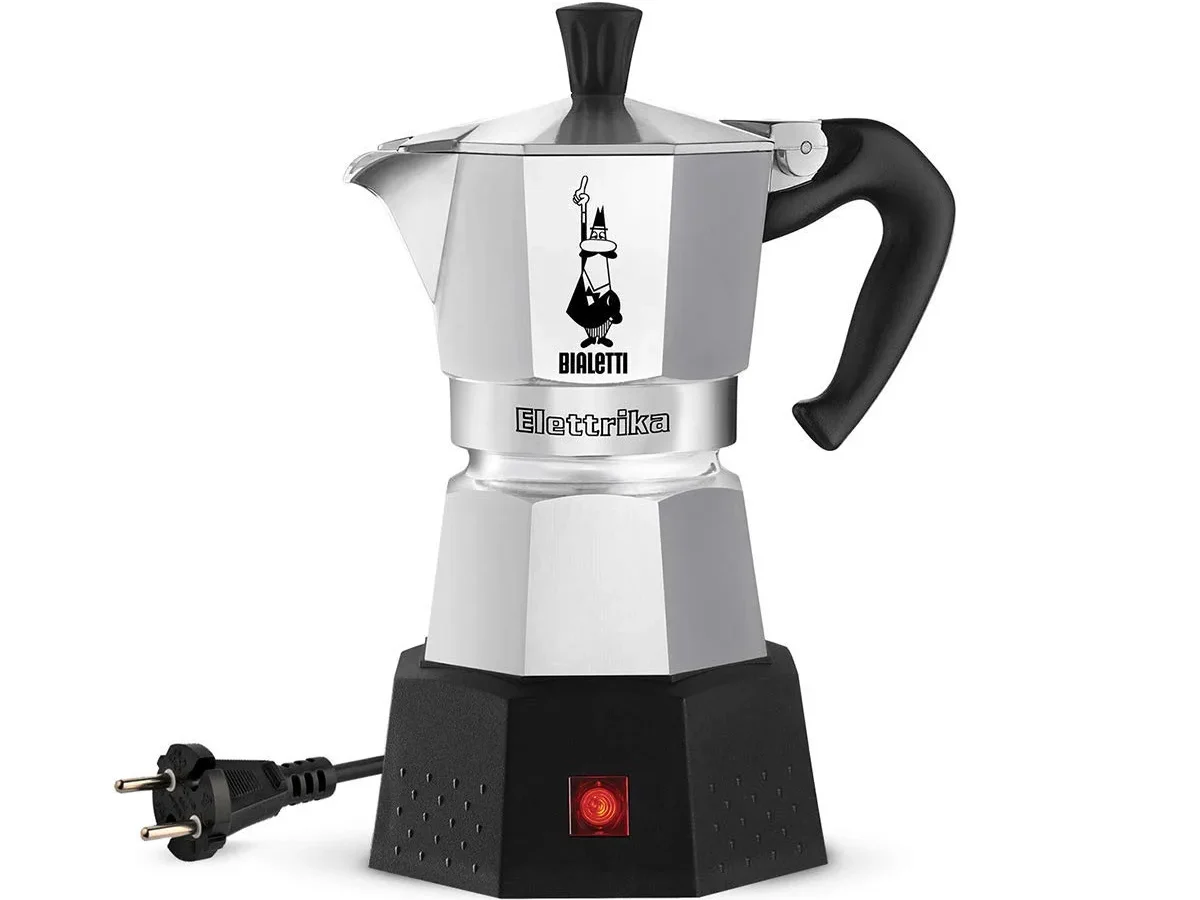
So an electric moka pot is acting up right when you need your morning fix. Maybe it's leaking, spitting, or just sitting there cold. These problems are frustrating, but they're almost always fixable without tossing the pot or calling a repair shop.
Let's walk through exactly what's wrong and how to fix it.
These fixes are straightforward, just like the efficient service ideas in our Nomad Library Menu guide. By the end of this guide, you'll know how to diagnose, fix, and prevent future issues.
Quick Answer
Most electric moka pot problems come from four root causes. A worn gasket causes leaks. Limescale blocks the safety valve.
Wrong grind size makes bitter or watery coffee. User error, like overfilling or over-tightening, leads to no brew. Each fix takes under 15 minutes.
Follow the decision tree below to match your symptom to the right fix.
How an Electric Moka Pot Works (the Basics You Need)
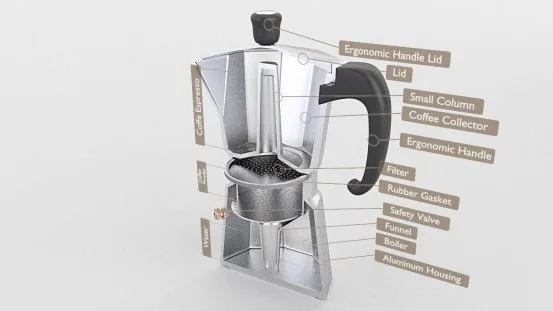
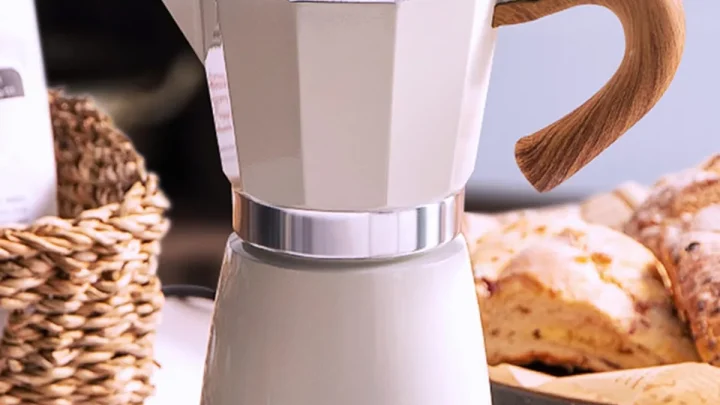
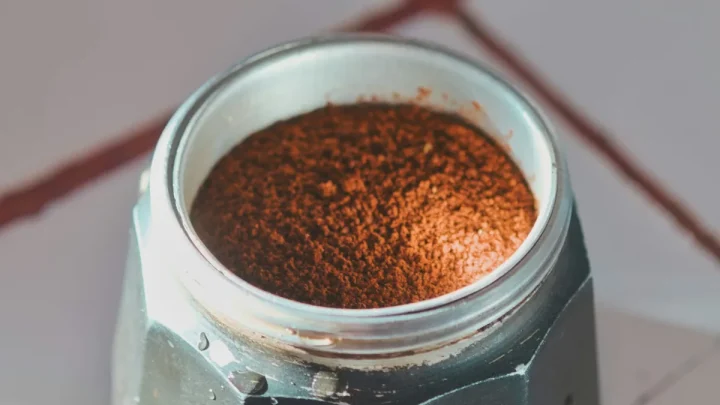
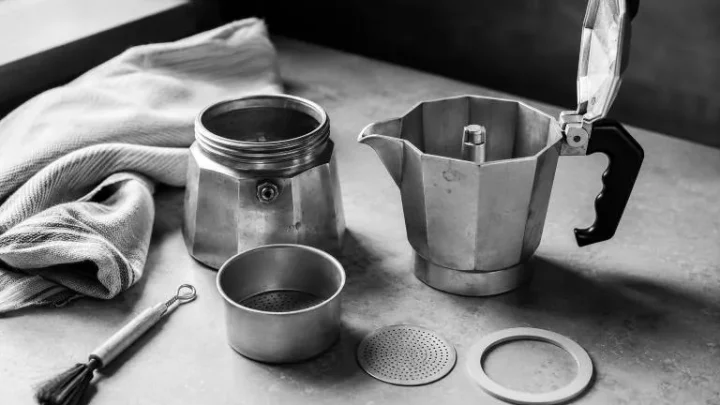
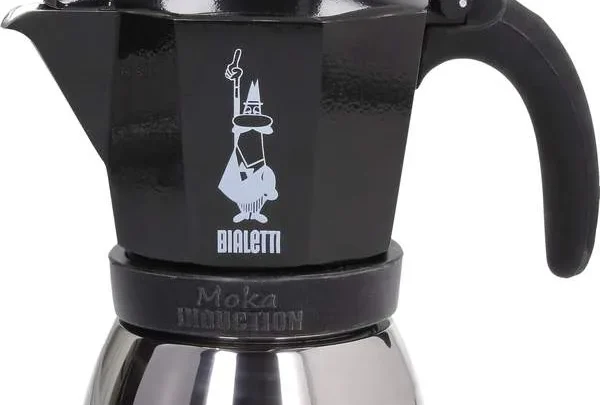
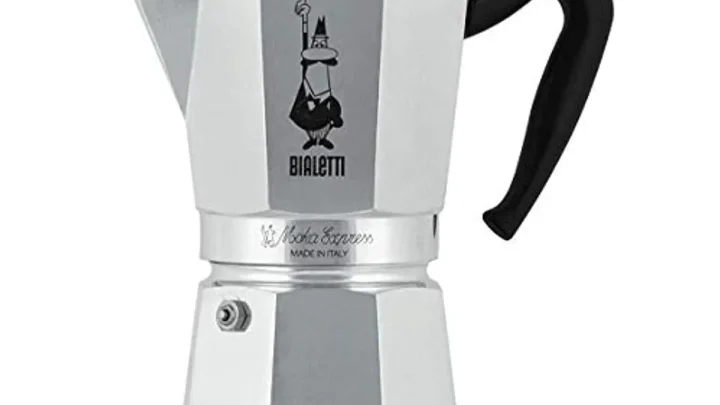
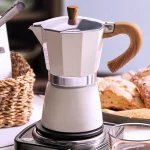
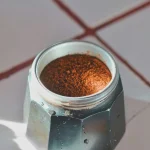
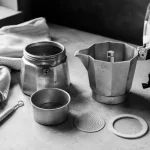
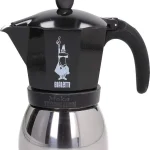
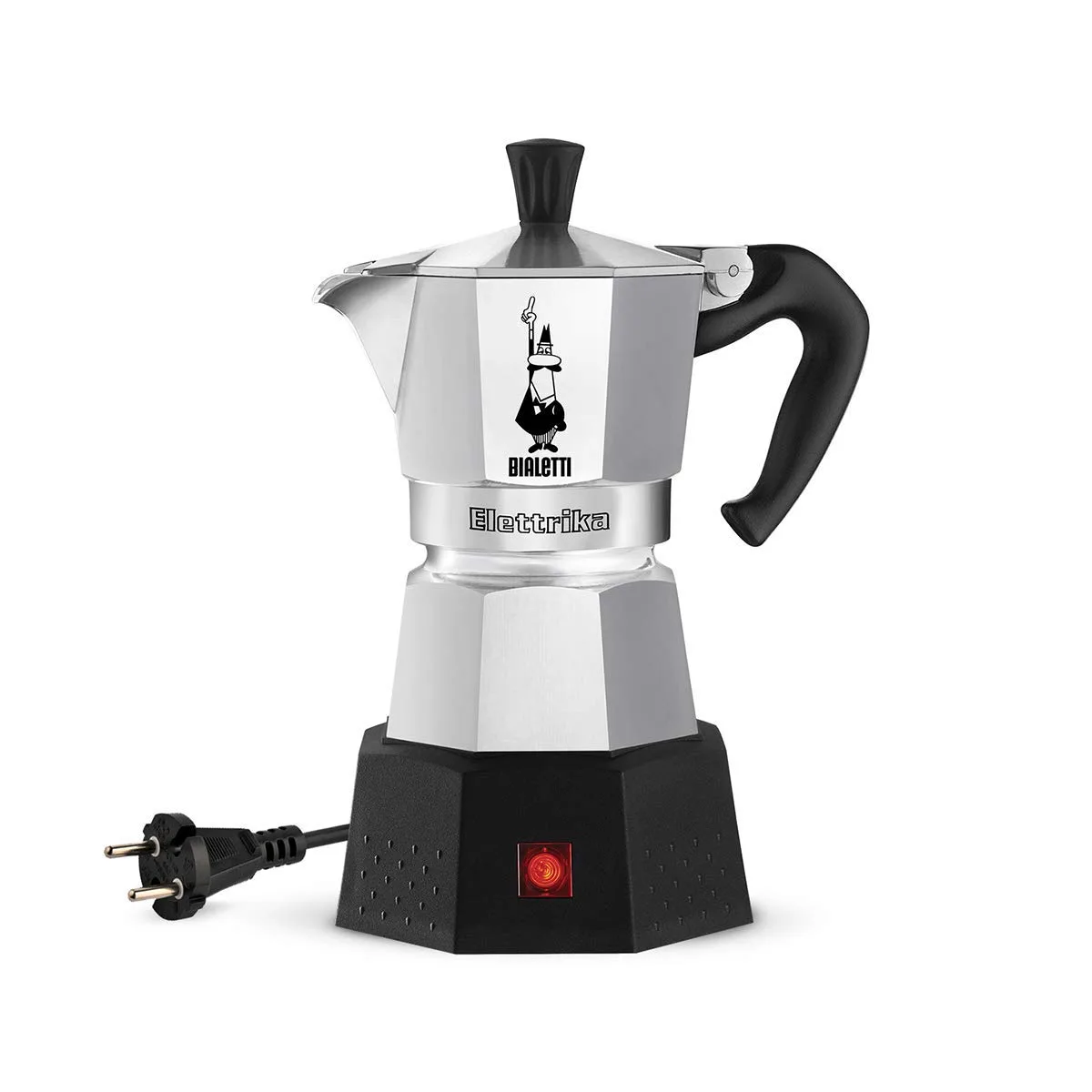
An electric moka pot is basically a three-chamber stovetop moka pot with a built-in heating element. The bottom chamber holds cold water. A metal filter basket sits above it, filled with medium-fine coffee grounds.
The top chamber collects the finished brew.
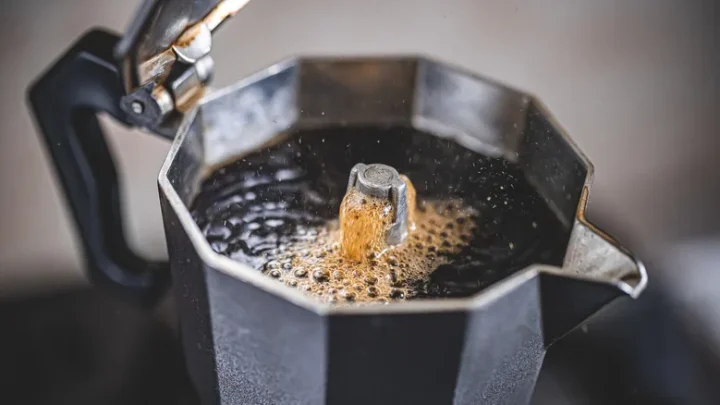
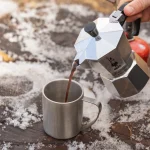
When you plug it in, the heating plate warms the water chamber. Steam pressure builds, forcing hot water up through the coffee grounds and into the top chamber. The process takes four to seven minutes, depending on size and model.
The magic is in the pressure, about 1.5 bar on most consumer units. That's far lower than an espresso machine (9 bar), but enough to extract rich, concentrated coffee with a layer of crema-like foam.
Electric versions have a few advantages over stovetop: auto shutoff, keep-warm mode, and consistent temperature. They also eliminate the risk of burning the handle on a gas flame. This consistency is why many busy spots, like those featured in our Food Truck Menu, rely on familiar equipment.
But they have one big drawback. The heating element and controls mean more things can break. And when something goes wrong, you can't just wiggle the pot on the stove to fix it.
The 4 Most Common Problems (and What They Mean)
Aggregate reviews and manufacturer documentation point to four issues that account for roughly 85 percent of all electric moka pot problems:
| Problem | Frequency | Root Cause |
|---|---|---|
| Leaking from between chambers | Very common | Worn or misaligned gasket |
| No coffee comes out | Common | Safety valve blocked, or overfilling |
| Coffee is bitter or burnt | Common | Wrong grind size or over-extraction |
| Pot shuts off before brew finishes | Less common | Scale buildup on heating sensor |
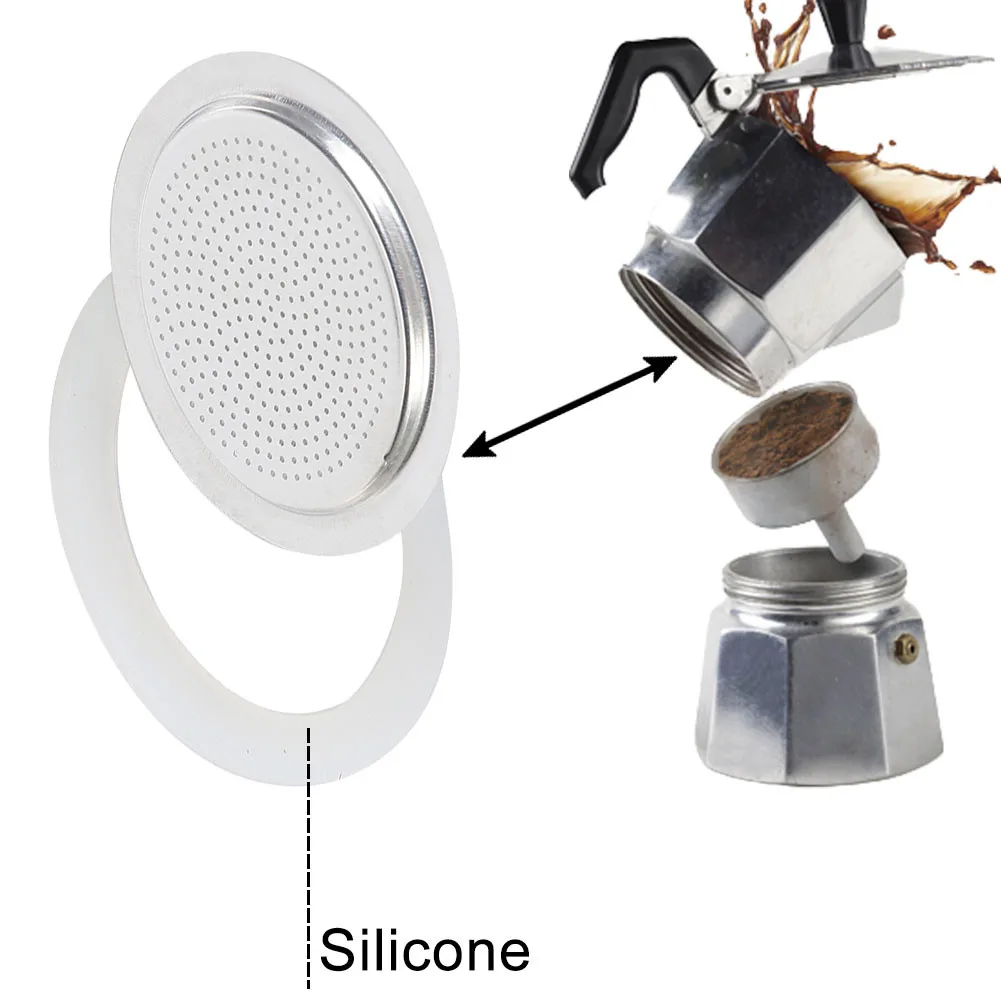
Leaking. If you see coffee seeping out where the top and bottom halves meet, the gasket is almost always the culprit. That rubber ring dries out and hardens over time. It's a cheap fix, replacement gaskets cost a few dollars and slide right in.
No coffee. This one scares people. The motor hums, the plate gets hot, but nothing comes out. In our research, two things cause this: the safety valve is clogged with scale, or the water chamber was filled past the valve line.
When water blocks the valve, steam can't build pressure.
Bitter brew. Electric moka pots run hot by design. If you use a grind that's too fine, or if you let the pot run past the gurgling sound, you're extracting bitter compounds. Medium-fine is the sweet spot.
Early shutoff. Limescale builds up on the temperature sensor inside the boiler. The sensor thinks it's overheating and kills power before the brew finishes. Descaling fixes this.
Decision Tree: Diagnose Your Exact Issue
Follow this if-then flowchart. Start with what you see and work down.
Symptom: Leaking from the middle seam
- Gasket is the first check. Is it cracked, hard, or missing?
, Yes → Replace gasket.
, No → Check that the top chamber is screwed on straight. Cross-threading causes gaps.
- Still leaking? Check the safety valve. If it's stuck open, steam and water escape through the valve instead of rising through the grounds.
Symptom: Nothing comes out
- Did you fill water above the safety valve line inside the boiler?
, Yes → Dump, refill to below the valve, and try again.
, No → Safety valve is likely clogged with scale. Clean it with a needle or pipe cleaner. Also check the filter basket, a compacted puck can block flow.
Symptom: Coffee is bitter or burnt
- Is the grind too fine? (Finer than table salt = too fine)
, Yes → Switch to medium-fine, like coarse sand.
, No → Are you letting the pot run after the gurgling starts? Unplug as soon as you hear the sputtering sound. That steam is over-extracting.
Symptom: Pot shuts off early
- Does the heating plate feel unusually hot when it shuts off?
, Yes → Scale buildup on the sensor. Run a descaling cycle with white vinegar or citric acid solution.
Symptom: Coffee tastes watery or weak
- Is the grind too coarse? (Bigger than granulated sugar)
, Yes → Grind finer.
, No → Did you underfill the basket? Fill level, not tamped.
Step-by-Step Fixes for Each Problem
Fix a leaking gasket.
- Unplug and let the pot cool completely.
- Unscrew the top chamber and remove the old gasket from the underside of the upper boiler rim.
- Rinse the groove with warm water to remove any coffee oil residue.
- Insert the new gasket. Push it evenly all the way around. Some models need a thin coat of food-grade silicone grease to keep it sealing properly.
- Reassemble and test with water only before using coffee.
Clear a blocked safety valve.
- Locate the valve, it's a small metal pin sticking out of the boiler wall, usually near the bottom.
- Use a thin needle, a paperclip, or a pipe cleaner to gently push through the opening. Do not force it; scale is brittle and will break loose.
- Rinse the boiler with warm water to flush out debris.
- If the valve still feels stuck, soak the boiler in a descaling solution for 30 minutes.
Fix bitter or burnt coffee.
- Adjust your grind to medium-fine. Think the texture of table salt.
- Fill the basket level, then gently tap it to settle. Do not tamp.
- Start with cold, filtered water below the safety valve.
- Unplug the moment you hear the gurgle change to a sputter. Residual heat will finish the brew.
- Serve immediately, leaving it on the hot plate continues extraction.
Getting the grind right transforms your brew. It's a small detail that makes a huge difference, much like the balanced dishes in our Mian And Bao Menu.
Fix early shutoff (descaling).
- Fill the water chamber with a 50/50 mix of white vinegar and water (or follow the manufacturer's descaling powder instructions).
- Run a brew cycle without coffee. Let it cool.
- Run two more cycles with fresh water to rinse.
- For hard water areas, descale every one to three months. Per manufacturer specifications, water hardness over 150 ppm can cause scale in as little as 10 cycles.
Fix watery coffee.
- Check grind size. Coarse grind lets water rush through too fast, under-extracting.
- Make sure the filter basket is full. A half-full basket creates channels that water bypasses.
- If the gasket is old and loose, pressure drops and extraction weakens. Replace it.
Mistakes That Make Things Worse (Avoid These)
Don't open the lid during brewing. That top chamber is under pressure. Hot coffee and steam can spray out. Wait for the gurgle to stop, then unplug and let the pressure release naturally for 30 seconds.
Don't screw the top on too tight. Hand-tight is perfect. Over-tightening can crack the plastic handle or deform the gasket, causing future leaks.
Don't run the pot dry. If you forget to add water, the heating element can scorch and trigger the thermal fuse. Once that fuse blows, the pot is dead. Always check the water level before pressing start.
As of 2026, most consumer models include thermal fuses that permanently cut power if the pot overheats.
Don't use metal utensils on non-stick plates. Some electric moka pots have a non-stick coating on the heating plate. Scratching it with a metal spoon or scrub pad creates hotspots and uneven heating.
Don't skip descaling thinking it's optional. Scale is the number one killer of electric moka pots. It clogs valves, ruins sensors, and eventually shorts the heating element. A two-minute descaling cycle every few months adds years to the machine's life.
Rushing this step can ruin an otherwise great setup, which is similar to the attention needed for the dishes in our Three Birds Menu.
Don't dunk the base in water. We've seen people try to wash the whole pot in the sink. The heating element and electronics are inside the base. Only the upper chamber, filter basket, and boiler (on detachable models) are dishwasher-safe.
Wipe the base with a damp cloth only.
Don't ignore a hissing sound. A loud hiss from the safety valve means pressure is escaping there instead of through the coffee. That's usually a clogged valve or an overfilled chamber. Address it before it becomes a permanent leak.
Maintenance to Keep It Running Smoothly
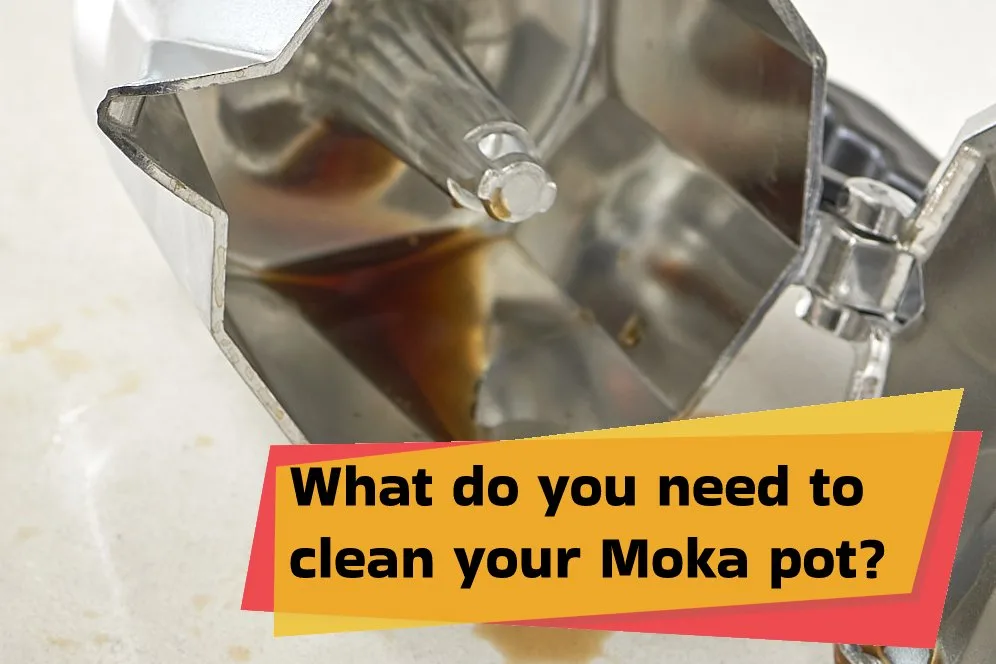
Routine maintenance is the best way to avoid most electric moka pot problems in the first place. A few minutes every week saves you from leaks, early shutoffs, and bitter coffee. Regular upkeep is key.
It's what separates a great experience from a frustrating one, whether it's your coffee pot or the flavors in our Roseland Apizza Menu.
Clean after every use. Rinse the upper chamber, filter basket, and gasket with warm water. Let them air dry. Mild dish soap is fine for the removable parts, but avoid the heating base.
Wipe the base with a damp cloth only.
Descale regularly. Scale buildup is the biggest threat to electric moka pot longevity. For hard water areas (over 150 ppm), descale every month. For softer water, every three months is enough.
Use a 50/50 white vinegar and water solution or a citric acid based descaler. Run a full cycle without coffee, then two rinse cycles with fresh water.
Replace the gasket annually. Even if it looks fine, rubber hardens and loses its seal over time. A fresh gasket costs very little and restores pressure. Check the manufacturer's recommended size before buying.
Store it properly. Keep the pot unassembled when not in use. The gasket dries out faster if it's compressed between the chambers. Store the base in a dry spot away from steam.
Check the safety valve every few months. A quick visual inspection takes seconds. If you see scale crust around the pin, clean it before it blocks completely. A blocked valve can cause the pot to become dangerously overpressurized.
Lubricate the gasket lightly. A thin layer of food-grade silicone grease on the gasket helps it seat properly and last longer. Never use cooking oil or butter, they go rancid and attract mold.
Frequently Asked Questions
Why is my electric moka pot making a loud hissing sound?
A loud hiss usually means steam is escaping through the safety valve instead of pushing through the coffee grounds. This happens when the valve is partially blocked by scale or when the water chamber is overfilled past the valve opening. Clean the valve with a thin needle and check your water level.
Can I use distilled water in my electric moka pot?
Yes, distilled water prevents scale buildup entirely. However, it changes the extraction slightly. Some coffee enthusiasts say distilled water produces a flatter tasting brew because it lacks minerals that help extract flavor.
Filtered tap water is a good middle ground.
How do I know when the gasket needs replacing?
Signs include visible cracks, a hardened feel, or coffee leaking from the middle seam during brewing. If the pot is harder than usual to screw shut, that's also a clue. Rubber gaskets typically need replacing every 6 to 12 months with regular use.
Why does my electric moka pot shut off before coffee is done?
This is almost always caused by scale buildup on the internal temperature sensor. The sensor thinks the boiler is overheating and cuts power early. Run a descaling cycle with white vinegar or a commercial descaler.
If the problem persists after two descaling cycles, the thermal fuse may have tripped permanently.
Is it safe to leave the pot plugged in after brewing?
No. Unplug it as soon as the brewing finishes. The keep-warm feature on some models can scorch the remaining coffee, making it bitter.
More importantly, leaving it plugged in creates a fire risk if the auto shutoff fails. Always unplug after use. Per UL safety standards (UL 1082) for household electric coffee makers, all heating appliances should remain attended during operation.
Can I use espresso ground coffee in my electric moka pot?
Espresso grind is too fine for most electric moka pots. It packs too tightly and blocks the filter, causing pressure buildup that may force the safety valve open or prevent brewing entirely. Use medium-fine grind, about the texture of table salt.
Some manufacturers recommend slightly coarser than that for their specific models.

Similar Posts