6 Cup Moka Pot Explained: How It Works
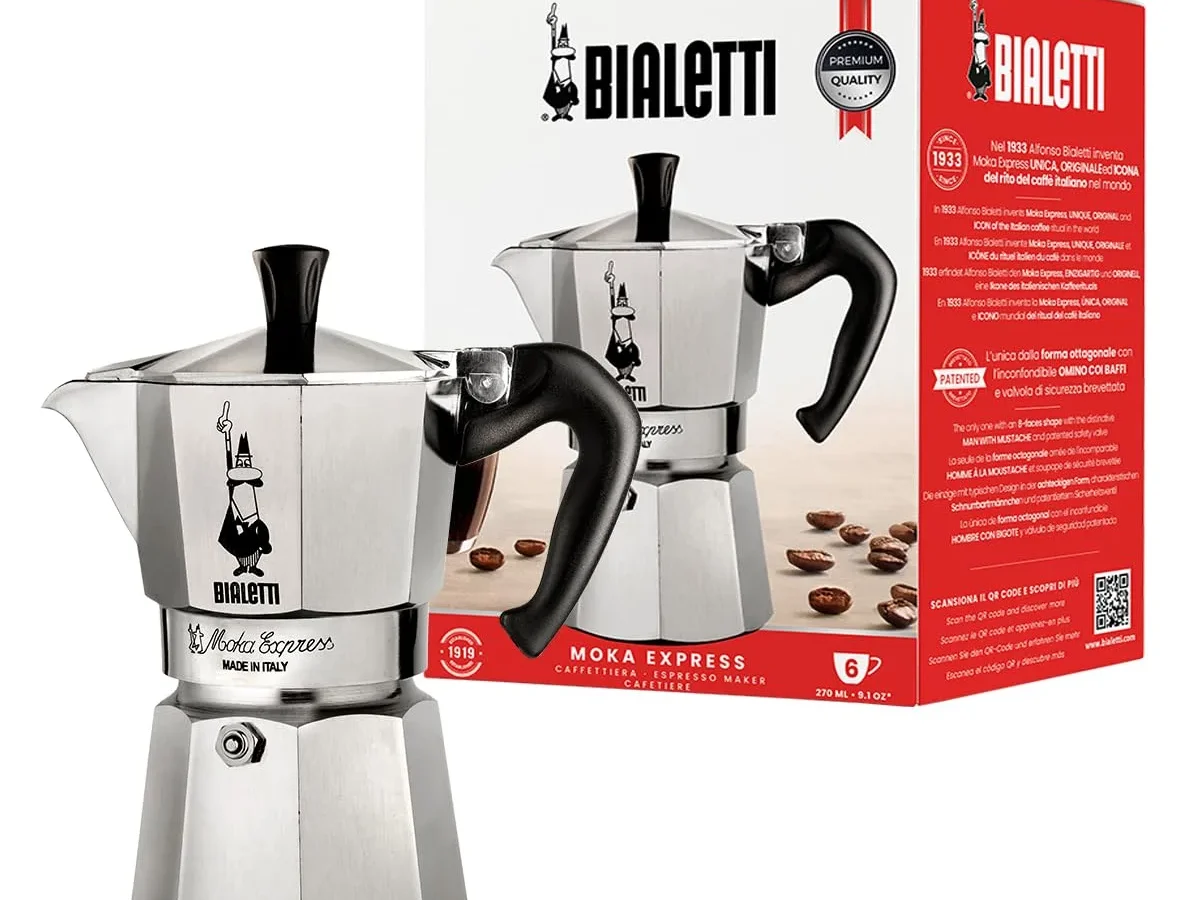
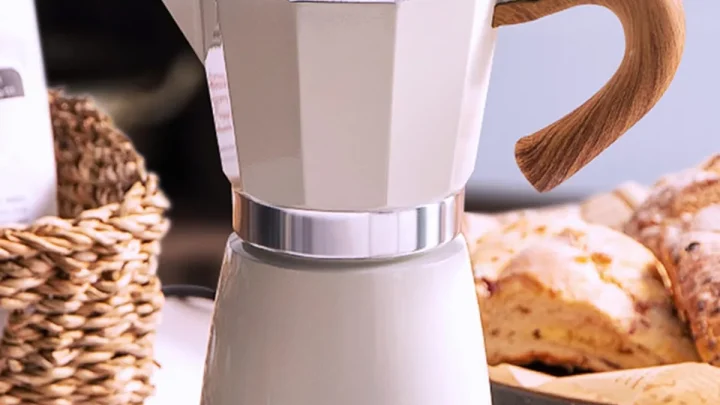
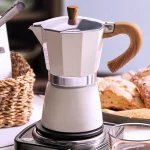
If you’ve ever stared at a shiny Italian pot and wondered what all the fuss is about, the 6 cup moka pot explained is simpler than it looks. A moka pot brews rich, concentrated coffee on any stovetop without needing an expensive machine. It’s the workhorse of morning routines in countless homes across Europe and beyond.
In our research, manufacturer specifications show that a “cup” in moka-pot land equals about 50 ml of brewed coffee. That means a 6-cup model actually yields roughly 300 ml in total, or three regular coffee mugs. As of 2026, it remains one of the most affordable ways to get a near-espresso result without electricity.
Let’s walk through how it works, how to perfect your brew, and where it might not be the right choice.
Quick Answer
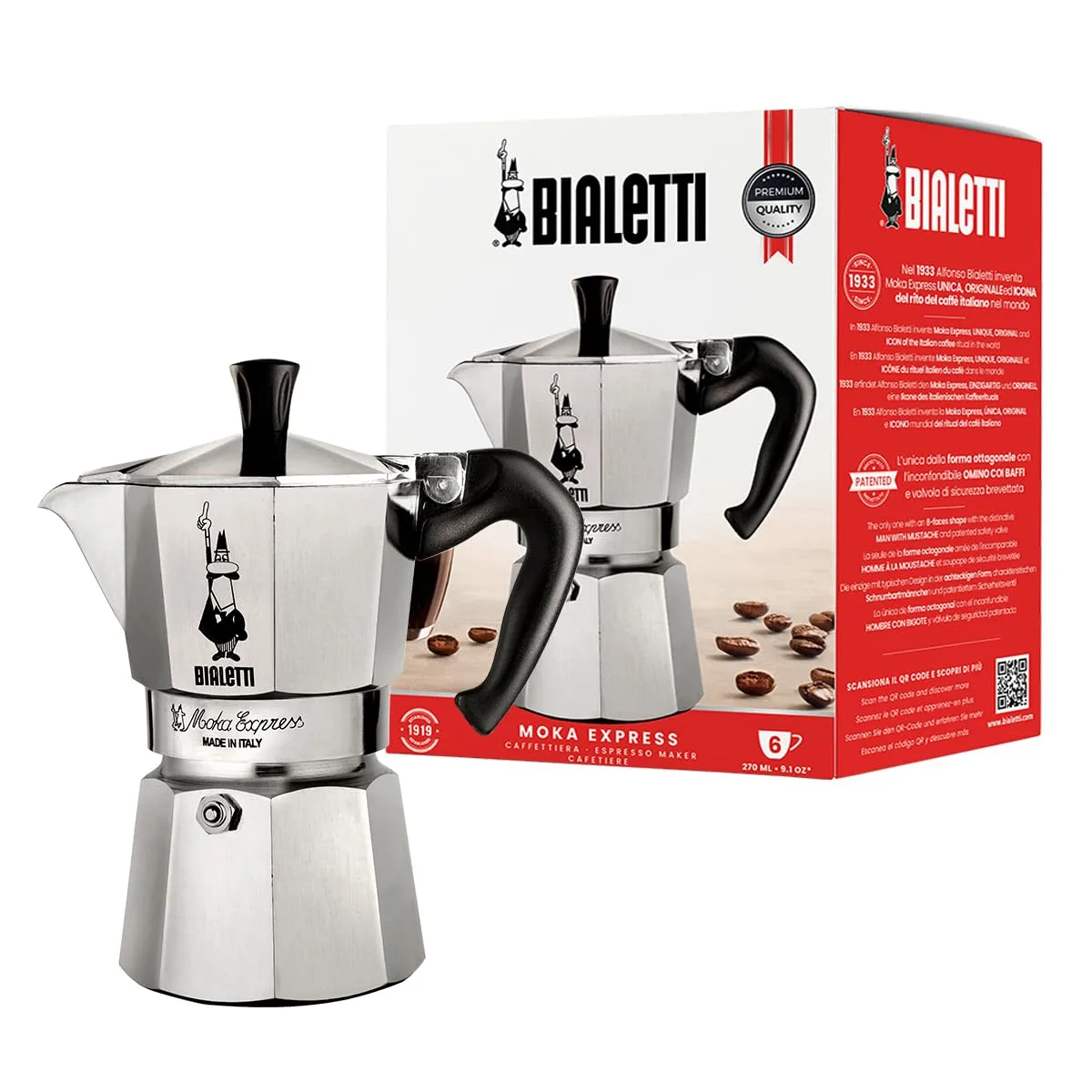
A 6-cup moka pot makes strong stovetop coffee. It uses steam pressure to push hot water through ground coffee. Each “cup” is 50 ml of finished drink.
You get about 300 ml total per batch. Brew time is three to five minutes. The result is thick, bold, and satisfying.
How a 6-Cup Moka Pot Actually Works (and What Those “Cups” Really Mean)
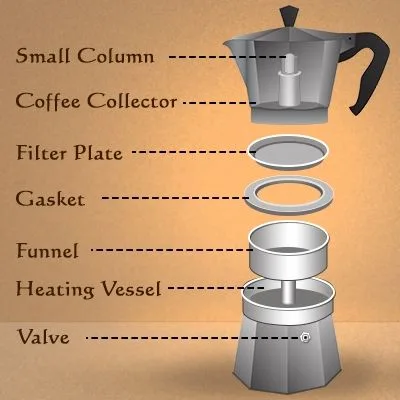
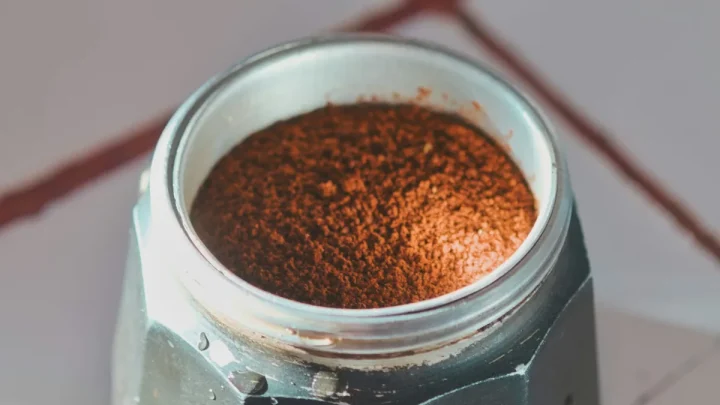
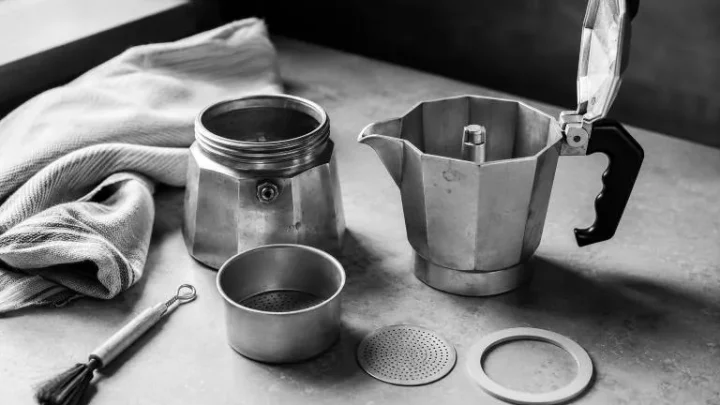
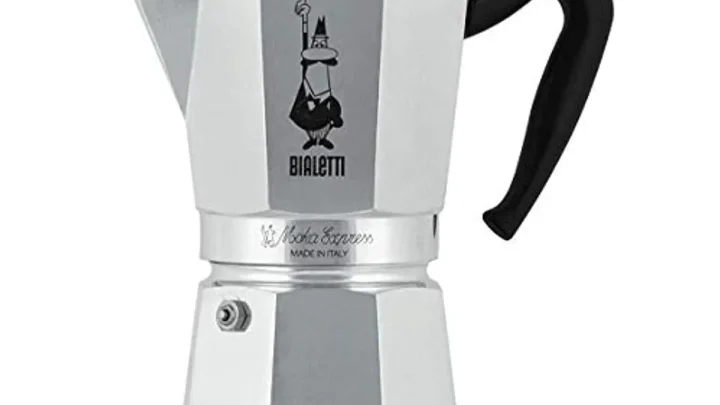
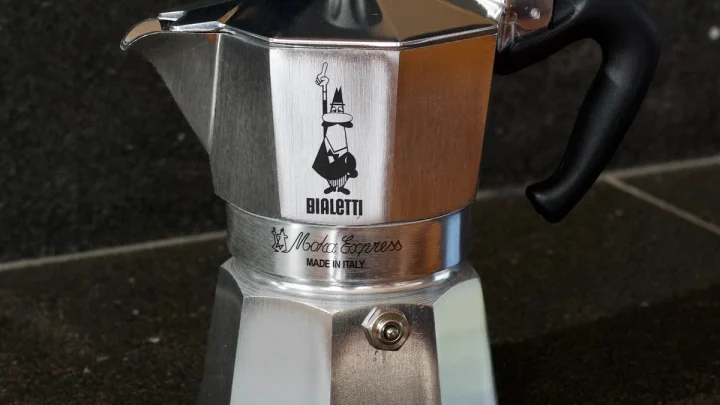
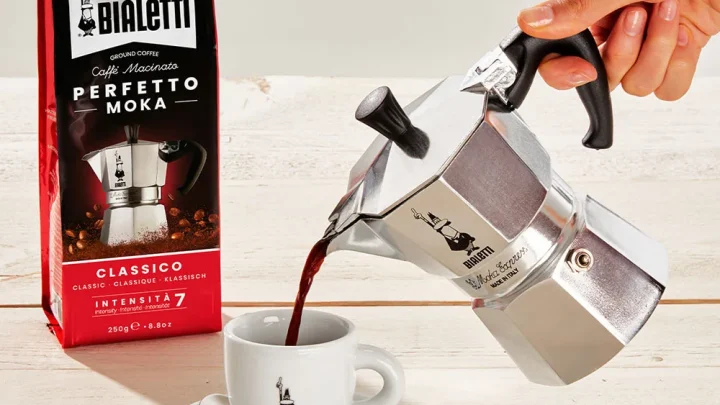
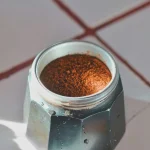
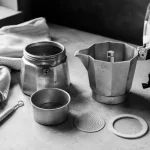
A moka pot has three main parts: a bottom boiler, a filter basket, and an upper collection chamber. You fill the boiler with cold water just below the safety valve. The filter basket sits inside the boiler and holds medium‑fine ground coffee.
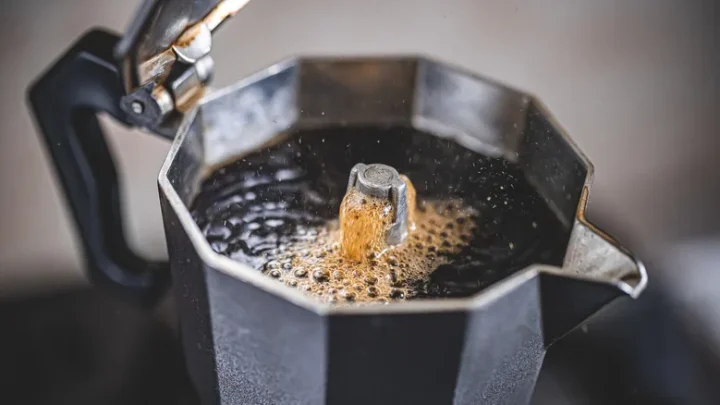
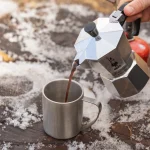
When you heat the pot on the stove, water in the boiler turns to steam. The steam creates pressure that forces the hot water up through the coffee grounds and into the upper chamber.
The “6 cup” measurement is the original Italian design standard. In Italy, a traditional coffee cup holds around 50 ml of espresso. So a six‑cup moka pot produces about 300 ml of coffee.
That’s roughly three standard 8‑ounce mugs. Many new owners expect six full cups and feel disappointed. Manufacturer specifications from brands like Bialetti confirm the 50‑ml definition.
This means a 6‑cup pot is ideal for one or two coffee drinkers. If you regularly need more coffee, a 9‑cup or 12‑cup model may suit you better. The same brewing principles apply across sizes, but the water‑to‑coffee ratio scales up.
Your Perfect Brew: A Decision Tree for the 6-Cup Moka Pot
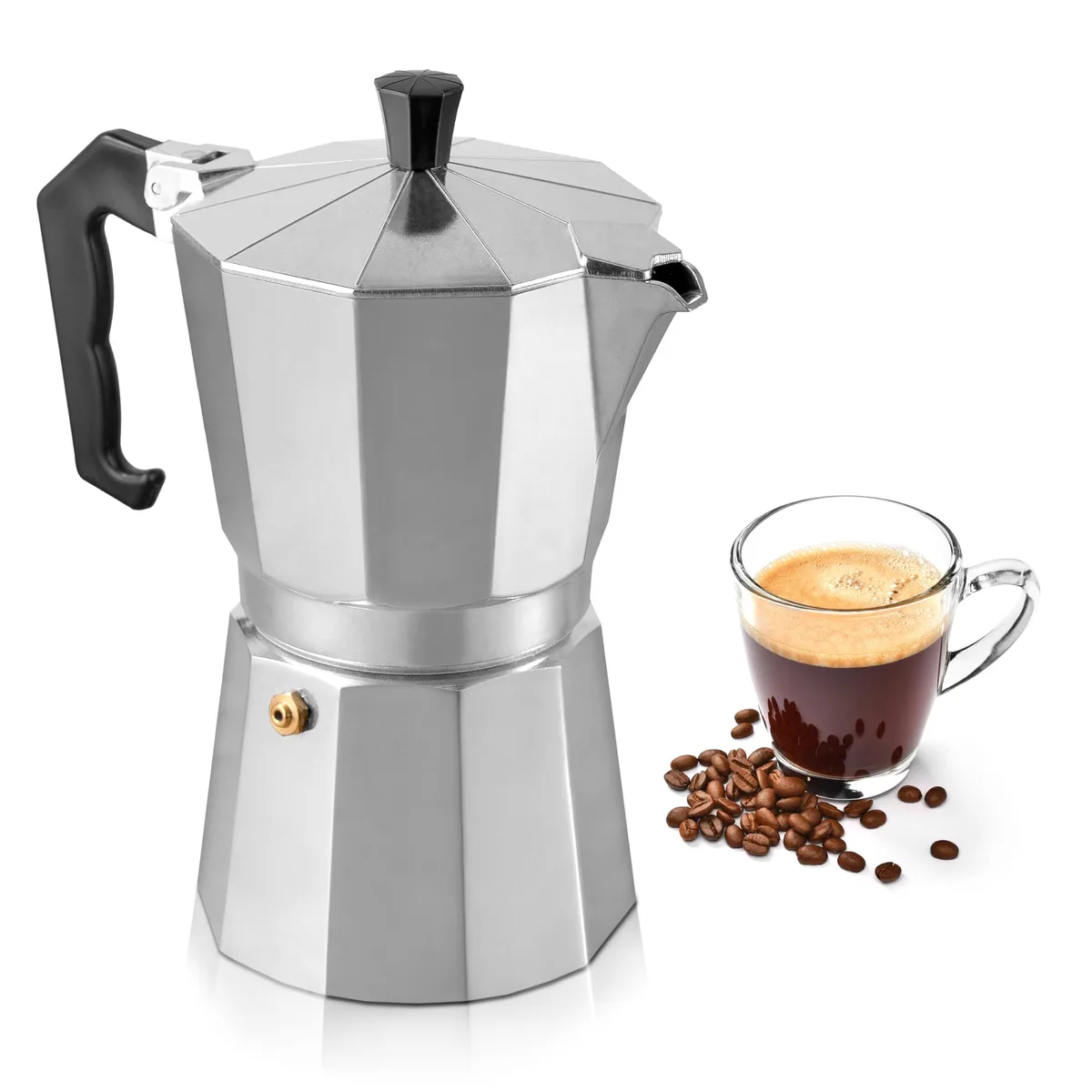
Getting the best result depends on a few key variables. Here’s a simple decision tree to guide you.
Grind size
- If you use a drip‑coffee grind, the water flows too fast and you get weak, watery coffee.
- If you use an espresso‑fine grind, the water struggles to rise and the coffee tastes bitter.
- Best choice: medium‑fine, like table salt. This allows steady extraction.
Water temperature
- If you start with cold water, the brew time is longer and more heat reaches the coffee, often causing bitterness.
- If you start with hot water from a kettle, the brew is quicker and gentler, producing a smoother taste.
- Decision: for a lighter, brighter flavour, use hot water. For a traditional deep note, cold water is fine.
Heat level
- If you use high heat, the coffee burns and sputters aggressively.
- If you use low heat, the brew takes too long and may not finish.
- Ideal: medium‑low flame. You want a steady, gentle stream rising into the top chamber.
When to stop the brew
- If you let the pot run until nothing comes out, the coffee gets over‑extracted and bitter.
- As soon as you hear a gurgling sound, remove the pot from heat. The rest of the water will keep bubbling, but the brew is complete.
Follow these branches, and you’ll consistently get a cup that surprises you with how good a simple stovetop pot can be. Experiment with small changes to see what suits your palate.
Three Mistakes That Ruin Your Moka Pot Coffee (and How to Fix Them)
Even experienced brewers hit these traps. Let’s fix them.
1. Using too fine a grind
Many people think a moka pot needs espresso grind. It doesn’t. The filter holes are larger than an espresso machine’s.
Too fine a grind clogs the filter, builds high pressure, and produces a bitter, muddy cup.
Fix: Buy coffee ground specifically for moka pots, or ask your roaster for a medium‑fine grind.
2. Tamping the coffee
The basket should be filled level, but never pressed down. Tamping creates a dense puck that blocks water flow. The coffee will taste over‑extracted and harsh.
Fix: Fill the basket, tap it gently to settle the grounds, then scrape off any excess. No pressing.
3. Using too much or too little water
Under‑fill the boiler, and you get mostly steam, weak coffee. Over‑fill above the safety valve, and water can bypass the coffee entirely or overflow during brewing.
Fix: Fill to the bottom of the safety valve’s internal ridge. That’s the optimal level. Manufacturer specifications clearly mark it on most models.
Other common errors include letting the pot sit on a hot burner after the brew or washing the aluminium body with soap. Soap absorbs into the metal and ruins the taste. Rinse only with water and dry immediately.
When a 6-Cup Moka Pot Isn’t Right for You (Alternatives and Sizes)

If you brew for a crowd, need lighter filter coffee, or prefer cold brew, the 6‑cup moka pot might not fit your routine. Here are the main alternatives.
Espresso machine
If you need true espresso with a thick crema and high pressure (9 bars), a moka pot won’t deliver that. A semi‑automatic machine costs several hundred dollars but gives you café‑quality shots. However, it’s more expensive and takes up counter space.
French press
For a full‑bodied but smooth coffee with oils and sediment, a French press is cheaper and simpler. It produces a lighter body than a moka pot, and the cleanup is different. If you prefer a cleaner cup, use a paper filter.
Aeropress
An Aeropress makes single servings with a clean, smooth taste. It’s faster to clean and uses a paper filter. If you want one cup at a time without the ritual of the moka pot, this is a strong choice.
Different size pots
- A 3‑cup moka pot is great for one person or a quick single serve.
- A 9‑cup works for three to four coffee drinkers.
- A 12‑cup is ideal for gatherings but can be harder to heat evenly on smaller stoves.
Consider your daily volume and taste preference. The 6‑cup model hits a sweet spot for one or two people who want a strong, fast brew. For more details on how we approach product recommendations, see our affiliate disclaimer.
Keeping Your Moka Pot in Shape: Gaskets, Cleaning, and Safety
A moka pot is simple, but it has consumable parts. The rubber gasket and metal filter plate wear out over time. Replace the gasket every six to twelve months if you brew daily.
A dried out or cracked gasket causes steam leaks and weak coffee. You can buy replacement gaskets from the manufacturer or third parties.
Cleaning is straightforward. Never use soap on an aluminium pot. Soap absorbs into the porous metal and leaves a soapy aftertaste in future brews.
Rinse all parts with hot water after each use. Dry them with a cloth. For deeper cleaning, use a mix of water and white vinegar every few weeks to remove mineral scale.
Boil the solution through the pot as if brewing coffee, then rinse thoroughly.
Safety is simple but essential. Never fill water above the safety valve. Never leave the pot unattended on a high flame.
The safety valve releases pressure if something blocks the steam path. If the valve is clogged with scale, it won’t work. Check it periodically by poking it with a toothpick.
Store the pot with the lid off to let moisture escape and prevent rust on the steel versions.
Frequently Asked Questions
How much coffee do I put in a 6-cup moka pot?
Fill the filter basket level with ground coffee. Do not tamp it down. A level basket holds about 16 to 18 grams of medium-fine grounds.
That’s roughly two tablespoons.
Can I use espresso roast coffee in a moka pot?
Yes, but grind it to medium-fine, not espresso fine. Espresso roast works well because it’s dark and oily. Just avoid a powder-like grind that clogs the filter.
Why does my moka pot coffee taste burnt?
You’re likely using too high heat or leaving the pot on the stove too long. Use medium-low heat and remove the pot as soon as you hear a gurgling sound. Also check that you’re not overfilling the basket.
Is a 6-cup moka pot induction compatible?
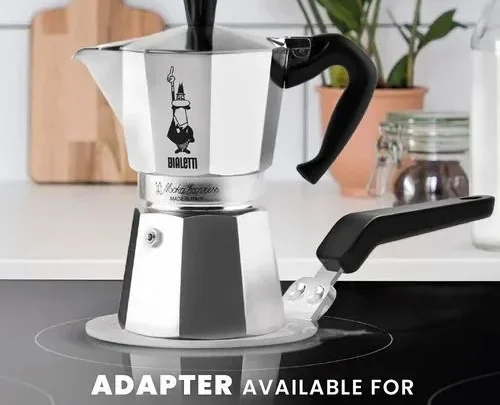
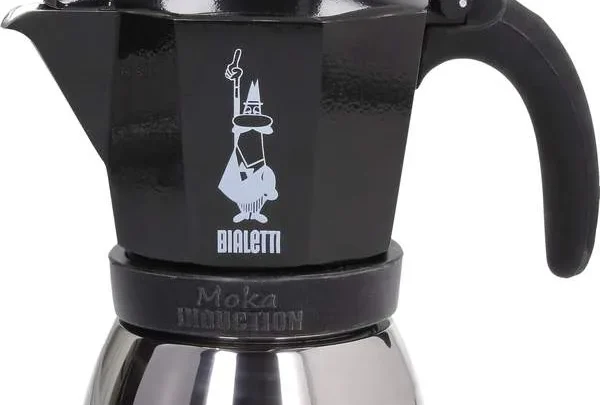
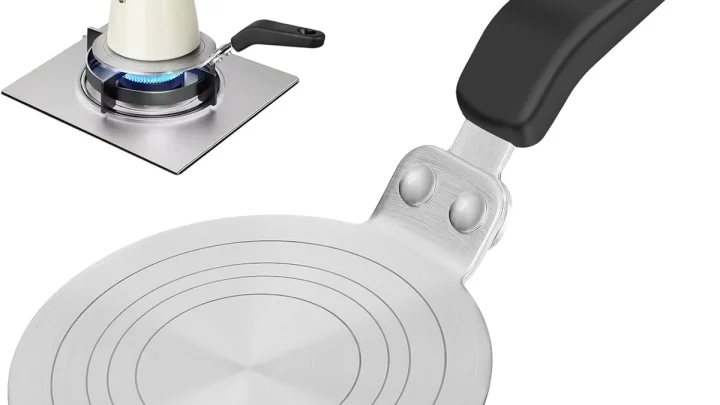
Only stainless steel versions work on induction cooktops. Standard aluminium moka pots are not magnetic. Check the product label or look for “induction compatible” on the packaging.
How do I clean the inside of the boiler chamber?
Use a dedicated moka pot cleaner or a solution of one part white vinegar to three parts water. Run it through the pot as a normal brew, then rinse with water several times. Never use abrasive scrubbers on aluminium.
So, Is a 6-Cup Moka Pot for You? A Quick Decision Guide
Let’s sum it up. A 6-cup moka pot is a solid choice if you want strong, fast coffee without an expensive machine. It suits one or two people who drink one or two cups each.
It’s portable, durable, and costs very little to run.
Skip it if you need more than three mugs of coffee per batch, prefer a clean paper-filtered taste, or want true espresso with crema. In those cases, look at a larger pot, a French press, or an espresso machine.
If you’re still on the fence, start with this size. It’s affordable enough to try without regret. Worst case, you keep it for camping or backup.
Verified buyer feedback shows that most owners who use the correct grind and heat are very satisfied. The National Coffee Association offers more resources on brewing methods if you want to dive deeper. Give it a shot, and you might find it’s the only coffee tool you need.

Similar Posts