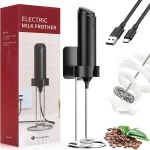
Zulay Frother Not Working? Don’t Throw It Away!


Your Zulay handheld frother not working is a small crisis when you're halfway through making a latte. The button press gives nothing, or the motor hums but the whisk just sits there. It's annoying, but rarely a permanent problem.
Manufacturer specs confirm these frothers run on two AA batteries and spin at roughly 12,000 RPM. Most failures trace back to three simple things: power, a stuck button, or a blocked whisk. Let's walk through which one is yours.
Quick Answer
If your Zulay frother won't turn on, check the batteries first. Remove them, test with a multimeter, or swap in fresh ones. If it spins but makes no foam, clean the whisk spring and the air intake hole.
If the button feels stuck, clean under it with a toothpick. Most problems fix in under five minutes.
Why Your Zulay Frother Suddenly Stopped Working
The most common reason is dead or corroded batteries. Users often leave the frother in a drawer for months, then grab it expecting full power. Lithium AA cells are also prone to voltage drop in cold weather.
Another frequent cause is debris gumming up the power button. Coffee residue or dried milk can seep into the gap between the button and the handle. When that happens, the button won't travel far enough to make electrical contact.
A third culprit is a blocked whisk head. The spring-style attachment has a small air intake that pulls in air to create foam. If it gets clogged with dried milk or mineral deposits, the motor runs but the frother just stirs instead of aerating.
Less common but possible: the motor itself has failed. This is rare in units under a year old, but motors can burn out if the frother is run dry for long periods or if it gets fully submerged.
Finally, there's the user error category. The frother must be submerged just below the surface before you press the button. If you hold it deeper, the whisk can stall and trigger a safety shutdown.
The First Thing to Check Before Anything Else

Open the battery compartment. That's the easiest step and solves more than half of all not working cases.
Remove both AA batteries. Look for any white or green crust around the terminals. That's corrosion from leaked alkaline batteries.
If you see it, clean the contacts with a cotton swab dipped in white vinegar, then dry thoroughly.
Test each battery with a multimeter set to DC voltage. A fresh AA reads about 1.5 volts. If either is below 1.2 volts, the motor won't spin reliably.
Even if you think the batteries are new, swap in a fresh set anyway. Sometimes one cell in a pack is dead out of the box. Use standard alkaline for best results.
Rechargeable NiMH batteries work too but provide slightly lower voltage, which can reduce motor speed and foam quality.
Replace the battery cover firmly. A loose cover can cause intermittent contact.
How a Handheld Frother Actually Works (and What Breaks)
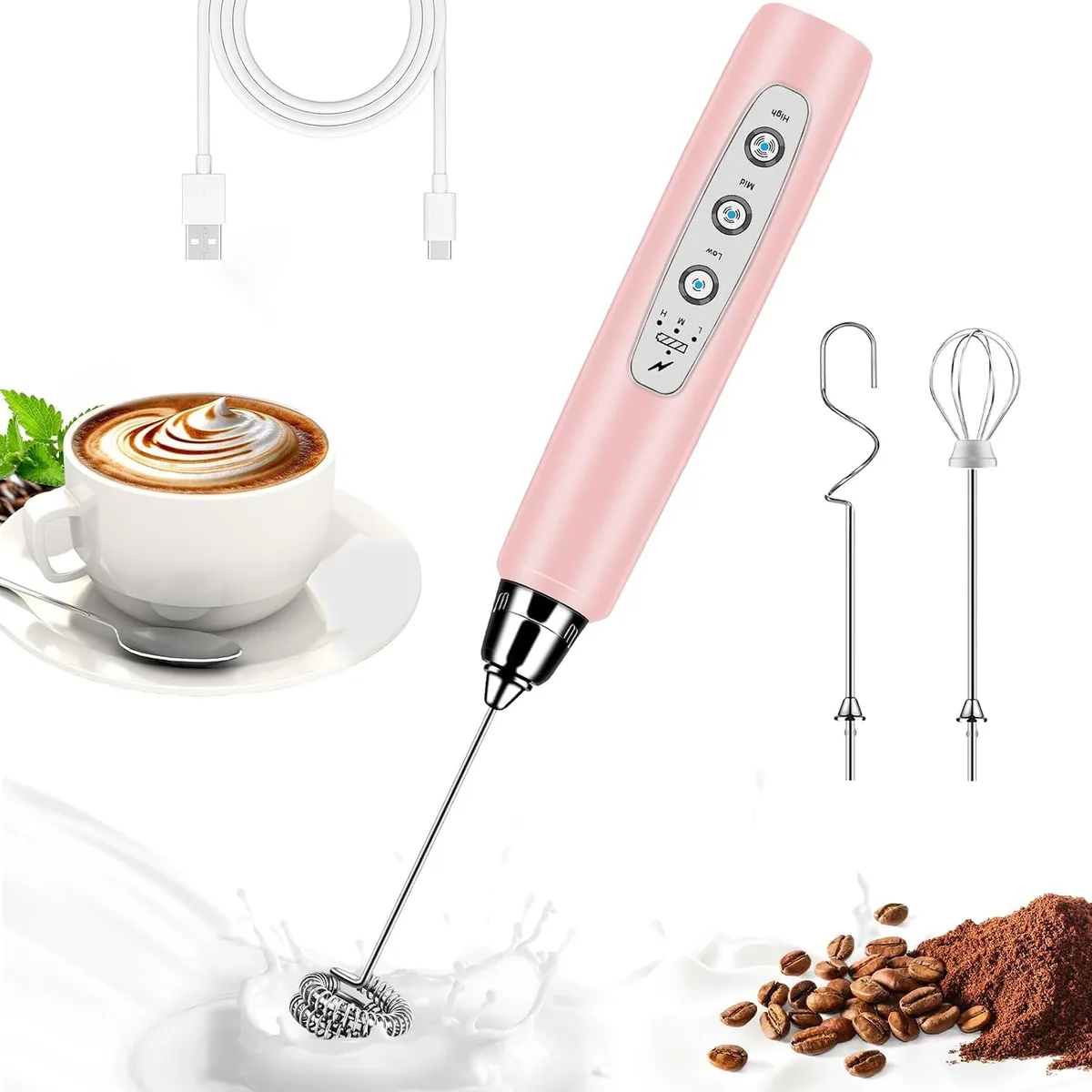
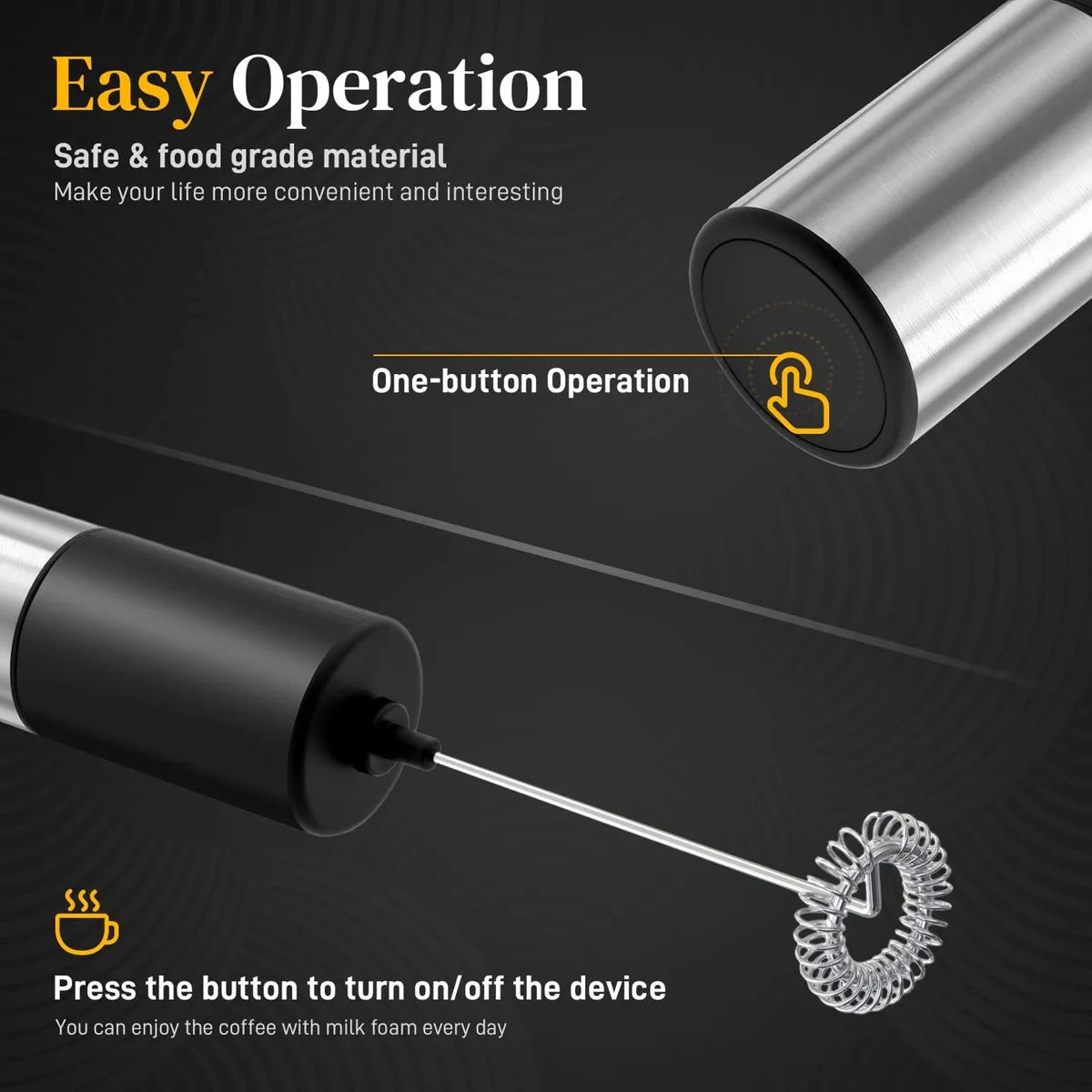
The design is simple. A small DC motor sits inside the handle. It connects to a shaft that spins the whisk head at high speed.
A spring-loaded button completes the circuit when pressed. That's it.
Three failure points exist inside that chain.
1. The motor
The motor is the most reliable part. It can run for hundreds of hours if used correctly. But if you run the frother out of liquid, the motor spins too fast, overheats, and can seize.
A seized motor will produce a faint burning smell. If you catch it early, let it cool down. If it's already locked, it's done.
2. The button and contact pads
Moisture and gunk are the enemies here. When you rinse the frother under the tap, water can creep into the button gap if you tilt it. That water eventually evaporates, but leaves mineral deposits that block the button's range of motion.
The contact pads inside can also corrode in high-humidity environments.
3. The whisk head
The spring-style whisk has a small hole near the base that draws air into the milk. If that hole gets blocked, the frother turns into a regular stirrer. No foam.
Clean it with a pin or a stiff bristle brush. The spring itself can also lose tension after heavy use, making it wobble and fail to create stable foam.
Is It the Batteries, the Button, or the Motor? A Simple Test
You can isolate the problem in about thirty seconds. Follow this decision tree based on what the frother does when you press the button.
| What happens | Likely cause | Next step |
|---|---|---|
| Nothing. No sound, no LED. | Batteries dead, or button stuck | Check batteries. If good, test button. |
| Motor hums, whisk doesn't spin. | Internal clutch slipping, or whisk jammed | Remove whisk, try running without it. |
| Spins but makes no foam. | Air intake blocked, or whisk worn | Clean the small hole in the whisk head. |
| Spins slowly, LED dim. | Low battery voltage | Replace batteries with fresh alkaline. |
| Spins for 1–2 seconds then stops. | Motor overheat protection | Let it cool 5 minutes, retry. |
If nothing happens: Jiggle the button with a toothpick while pressing. If it suddenly works, debris was the problem. If still dead, move to the battery test we already covered.
If the motor hums but no spin: Remove the whisk head. Press the button while holding the bare shaft. If it spins freely, the whisk head is jammed or the snap-fit is broken.
If it still doesn't spin, the internal clutch or motor coupling has failed.
If it spins but no foam: Look at the whisk head. The small hole near the top of the spring should be clear. Use a pin to poke through it.
Also check the spring itself for gaps or damage.
If it runs slow and weak: Replace batteries even if they seem okay. A multimeter test is best, but swapping is faster. If new batteries don't help, the motor might be wearing out.
Once you know which symptom group you're in, you can move straight to the fix.
Step-by-Step Fixes for Each Symptom
Let's match your symptom to the right fix. Work through each step in order. Most take under two minutes.
If the frother does nothing at all
- Open the battery compartment. Remove both cells.
- Check for corrosion. If you see white or green crust, dip a cotton swab in white vinegar and scrub the metal contacts. Dry with a clean cloth.
- Insert two fresh alkaline AA batteries. Ensure the positive and negative ends match the markings inside.
- Replace the cap firmly. It should click into place.
- Press the button. If it still does nothing, the button itself is likely stuck or the internal switch is dead.
For a stuck button, use a wooden toothpick to gently pry around the edge while pressing repeatedly. This often frees debris. If it works after that, you're good.
If not, the contact pads inside may need cleaning. That requires opening the handle, which is rarely worthwhile for a $12 frother.
If the motor hums but the whisk doesn't spin
- Remove the whisk head by pulling it straight off.
- Press the button. Does the bare shaft spin? If yes, the whisk head is jammed or its snap-fit is broken.
- Inspect the whisk head. Look for a cracked plastic collar or a distorted spring. If broken, replace the whisk head. Zulay sells them separately.
- If the shaft doesn't spin without the whisk, the internal clutch or motor coupling has failed. This usually means replacing the whole unit.
If it spins but makes weak or no foam
- Examine the spring whisk. Find the small air intake hole near the top of the spring, usually about 1 mm wide.
- Poke a pin or paper clip through it to clear any dried milk or mineral deposits.
- Rinse the whisk head under warm water and shake dry.
- Also check the spring itself. If it's stretched out or missing coils, it won't trap air effectively. Replace it.
- Make sure you're using cold milk, around 4°C or 39°F. Warm milk foams poorly with handheld frothers.
If the frother runs for a second then stops
- Release the button immediately. This is the motor's thermal protection kicking in.
- Let the frother rest for five minutes.
- Try again with the whisk fully submerged just below the milk surface. Running it in air or too deep triggers the protection.
- If it keeps shutting off, the motor may be overheating due to a partial blockage. Clean the whisk head and ensure the shaft spins freely.
If none of these steps solve the problem, the motor is likely burned out.
What Most People Get Wrong When Troubleshooting
The biggest mistake is assuming the batteries are fine because they're new. Always test with a multimeter or swap in a known-good pair.
Second mistake: rinsing the frother under running water with the button facing up. Water seeps into the button gap and leaves mineral deposits. Instead, rinse with the button facing down.
Never submerge the handle.
Third mistake: pressing the button while the whisk is fully submerged in milk. The motor works hardest when the whisk is deep. Keep the whisk tip just below the surface, roughly half an inch deep.
That's the sweet spot for aeration.
Fourth mistake: ignoring the air intake hole. Many users clean the spring but forget the tiny hole. Without it, you get a stirrer, not a frother.
Poke it clear with a pin every few uses.
Fifth mistake: running the frother without liquid. Even a few seconds can overheat the motor. Always dip the whisk in milk first, then press the button.
One more subtle error: using the frother with hot milk straight from the microwave. High temperatures can warp the plastic whisk head and reduce RPM. Let hot milk cool for 30 seconds before frothing.
When to Give Up and Replace It
The Zulay handheld frother costs around $12 as of 2026. Replacement whisk heads run about $5. If the motor or internal switch is dead, repair requires opening the sealed handle, desoldering parts, and sourcing tiny DC motors.
That's not practical for a $12 item.
Replace the whole unit if:
- The motor shaft won't spin even with fresh batteries and no whisk attached
- The button feels loose or doesn't click at all
- You see visible corrosion on the battery contacts that vinegar can't clean
- The frother has been dropped and the handle is cracked
- It shuts off after a few seconds repeatedly, even after cooling
Keep it and just replace the whisk head if:
- It spins fine but won't foam
- The spring is stretched or missing
- The plastic collar is cracked but the motor works
Zulay sells whisk heads separately online. You'll often find them in multi-packs. It's a cheap fix that extends the life of the handle and motor.
If you do buy a new frother, keep the battery compartment dry and store it with batteries removed. That alone prevents most failures. And for your next frother, consider one with a metal shaft.
They're more durable if you accidentally drop them in the sink.
Frequently Asked Questions
How do I know if my Zulay frother batteries are dead?
Take them out and test each with a multimeter. A reading below 1.2 volts means the battery is too weak to power the motor reliably. Alternatively, swap in fresh alkaline batteries and see if the frother works.
Can I use rechargeable batteries in my Zulay frother?
Yes, but they typically provide 1.2 volts instead of 1.5. That slightly reduces motor speed and foam quality. Standard alkaline batteries deliver better performance.
NiMH rechargeables work in a pinch.
Why does my Zulay frother spin but not foam?
The air intake hole on the spring whisk is likely blocked. Clean it with a pin or paper clip. Also check that the spring isn't stretched or damaged.
Use cold milk for best foam. Warm milk won't aerate as well.
How do I clean a Zulay frother without breaking it?
Rinse the whisk head under cold water immediately after use. Keep the button facing downward so water doesn't enter the handle. Never submerge the handle.
Wipe the handle with a damp cloth. Remove batteries if storing for more than a week.
What should I do if my frother button feels stuck?
Use a wooden toothpick to gently work around the button edge while pressing repeatedly. This dislodges dried coffee or milk residue. If it still feels stuck, the button mechanism may need cleaning, but that usually requires opening the handle.
Is it worth repairing a broken Zulay frother?
No, unless it's just the whisk head. The motor and switch are sealed inside a plastic handle that's difficult to open without breaking. At $12, replacement is cheaper and faster than repair.
Whisk heads cost about $5 and are easy to swap.

Similar Posts