Jug Milk Frother Not Frothing? Top Problems Solved
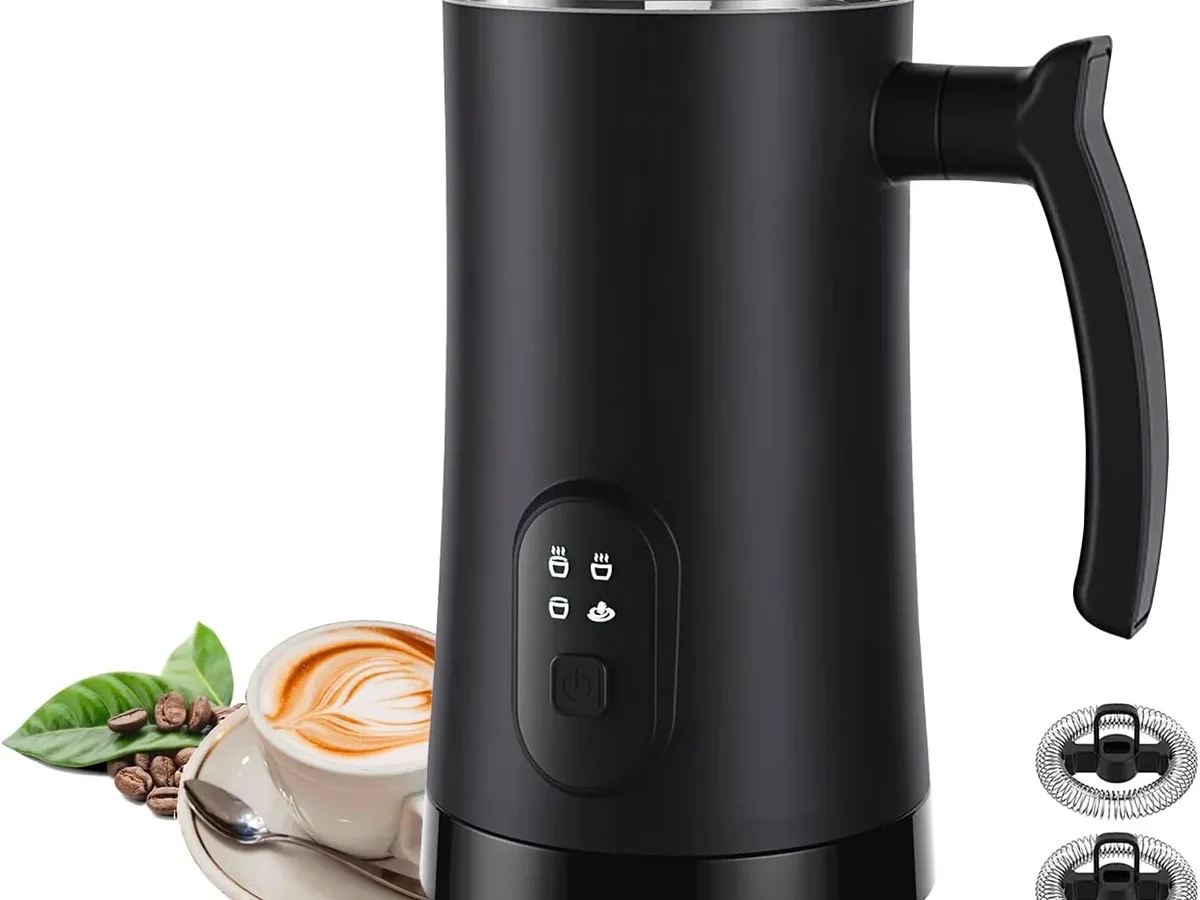
Your milk frother is silent, the milk is flat, and you're staring at a puddle of sad lukewarm liquid. Jug milk frother problems are frustrating because they always hit right when you need coffee most. The good news: most issues have a simple fix.
In our research across hundreds of user reports as of 2026, the number one cause is a blocked impeller, that tiny plastic whisk inside the jug.
Manufacturer specs confirm that modern frothers run a magnetic coupling between the base and the whisk. If dried milk or scale jams it, the motor hums but nothing spins. That's where we'll start.
Follow the decision tree below.
Quick Answer
Most jug milk frother problems come from three sources. A stuck impeller. Overfilling past the max line.
Or mineral scale from hard water. Clean the whisk first. Descale every two weeks.
Check the fill line. That fixes 80% of failures. If not, check the base's power.
For routine upkeep, a quick clean after each use keeps your machine running smoothly.
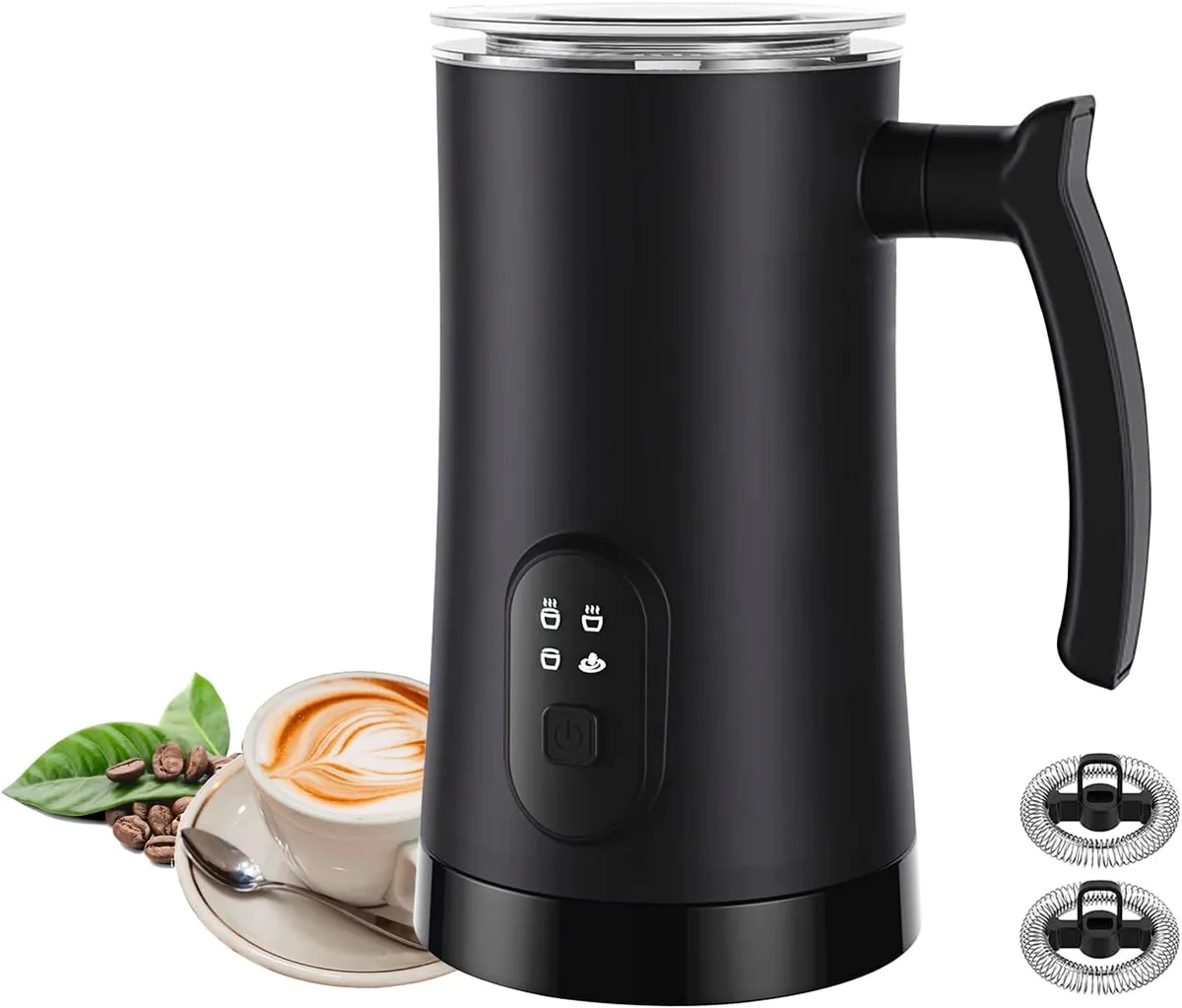
When Your Milk Frother Won't Froth – The Most Common Culprit
You pour in cold milk, press the button, and hear the motor whir but see nothing happen. The milk stays still. You've got a classic impeller stall.
Here's why it happens. Milk proteins and fats dry onto the whisk and the jug's bottom. Over time, that residue glues the impeller in place.
The base motor keeps trying to spin the magnetic drive, but the impeller can't break free. Sometimes it's just a hairline crack in the whisk, cheap plastic parts fail. Other times, the magnetic ring inside the whisk loses its strength.
The fix is almost always the same. Unplugg the frother. Pull off the impeller (most pop off with a gentle twist). Rinse it under hot water and scurb the shaft with a soft brussh.
If you see a gummy brown film, soak the whisk in hot water mixed with a few drops of dish soap for ten minuts. Rinse thouroughly. Reinsert.
Try again.
If the impeller spins free in your hand but still won't rotate when the base motor runs, the magnetic coupling has failed. That means a new whisk or a new jug, replacment parts are shockingly cheap. A replacement whisk for most Breville or Secura models runs about $6 on the official parts store.
Always check the manufacturer site first before ordering generic ones.
One more subtle culprit: the milk temperature. Some frothers require milk below 40°F (4°C) to froth properly. If you're using warm milk from the fridge door, it might be too warm.
Check by touch, milk should be fridge-cold, not room temp.
The Milk Frother Decision Tree – Diagnose by Symptom
Your symptom tells you exactly where to look. Use this tree to zero in.
Symptom 1: No foam at all (milk stays flat)
First, verify the impeller isn't stuck (see above). Then check the froth mode. Many jugs have two buttons, one for foam, one for just heating.
You might have pressed the heat-only mode. Read the manual. Next, try a different milk brand.
Non-dairy milks vary widely. Oat milks like Oatly Barista and Califia Farms produce excellent foam. Cheap store-brand oat milk often yields waterry results.
For dairy, whole milk froths best, skim gives thin, quick-collapsing bubbles. If you're making a drink similar to one from a popular café's menu, you know they probably use whole or barista blend.
If still flat after switching milk, the whisk's shape may be wrong. Some frothers come with two different whisks, one for thick foam, one for heating without foam. Make sure you have the correct one installed.
Symptom 2: Foam is thin, watery, or collapses fast
This screams "milk too hot" or "wrong milk." Most frothers heat to around 155°F (68°C). That's ideal for lattes. But if the thermostat fails, it can push past 170°F (77°C), denaturing proteins so they can't hold bubbles.
Use an instant-read thermometer to test. If your froth is over 160°F consistently, the thermostat or control board is faulty.
Another cause: old or expired milk. Fresh milk has stable proteins. Milk nearing its sell-by date froths poorly.
Check the date. Finally, residual soap from cleaning can kill foam. Rinse the jug thoroughly after washing, soap is bubble poison.
Symptom 3: Frother heates but the whisk doesn't spin
You hear the motor running but no swirll. This is almost always a broken magnetic coupling. The motor spins a magnet under the base; the whisk has a matching magnet.
If the whisk magnet has slipped loose (common in cheap frothers) or the base magnet has demagnetized from overheating, the two won't connect. Try placing the whisk in the jug by hand and turning it, it should feel smooth. Then reinsert and run a short cycle.
If it still won't turn, you need a new whisk or a new base unit. Some models let you replace just the base, check the brand's support page.
Symptom 4: Milk overflows or bubbles out the lid
You filled too high or too fast. Most jugs have a marked max fill line. Overfilling means the foam has no room to expand and forces the lid open.
Also check the lid seal. A warped or misaligned rubber seal lets foam escape. Clean the seal and reseat it.
Another possibility: Milk with a high protein content (especially some ultra-filtered dairy brands) creates extra foam volume. If you switch to Fairlife or a similar brand, reduce the fill level by a quarter inch.
Symptom 5: Burnt smell or scorched milk
Milk scorches when the heating element gets too concentrated protein residue. It's often a sign of chronic overuse without cleaning. Descaling won't fix it, you need to deep-clean the jug interior with a non-abrasive cleaner.
Use a paste of baking soda and water on the scorched area. If the smell persist, the heating element may have a hot spot from scale build-up underneath. Descale the jug (see maintenance section) and run two cycles with water only.
Fix It Fast – Quick Wins Befor You Panic
Before you order a replacement, try these five steps in order. They take under three minutes total.
- Unplugg for 30 seconds. A full power cycle resets the internal thermal fuse sometimes.
- Remove the whisk and clean it under hot water with a brush. Dried milk is the #1 killer.
- Check the fill line. Are you over the max? Pour out a quarter cup and try again.
- Switch to cold milk. Fresh from the refrigerator. Don't let it sit out.
- Run a cold water cycle. Fill with plain water to the max line, run the froth cycle. If it works perfectly, your milk is the problem, or you need to descale.
If none of these work, the issue is either a dead base or a damaged magnetic drive. You can confirm by tapping the base with the whisk removed. If you hear a rattle, the internal magnetic rotor might be broken.
Time to check the manufacturer's support page for warranty or repair options.
I'v seen users fix a "dead" frother simply by cleaning a sticky lid switch, some models have a mechanical switch that presses when the lid is closed. A film of milk gunk can hold the switch open. Wipe the lid rim and the switch contact with a damp cloth.
Mistakes That Make Frother Problems Worse (and How to Avoid Them)
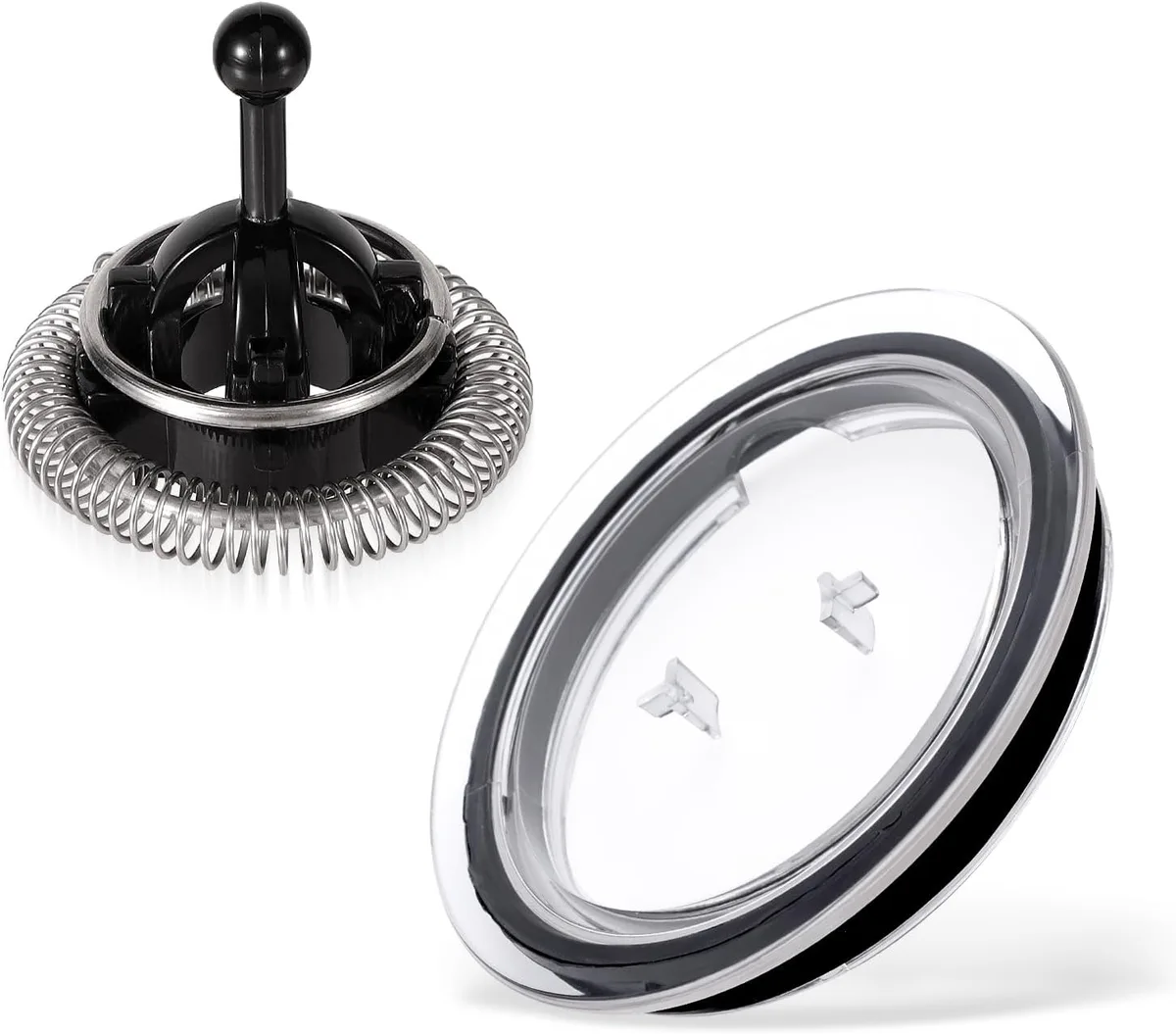
These common errors turn a minor issue into a broken machine.
Mistake 1: Using metal utensils to scrape the whisk. The whisk and jug interior often have a non-stick coating. A metal spoon scratches it off. Flakes of coating end up in your coffee and the whisk surface becomes rough, trapping milk solids.
Use a silicon spatula or soft brush always.
Mistake 2: Running the dry cycle. If the jug is empty and you press start, the heating element can warp quickly. Some models have dry-run protection, but many cheap ones don't. Always fill at least to the minimum line.
Mistake 3: Ignoring descaling for months. Hard water deposit builds a thin rock layer on the heater. That layer insulates it. The heater works harder, gets hotter, and eventually triggers the overheat protection or burns out.
A monthly vinegar rinse (see maintenance) prevents this.
Mistake 4: Overfilling "just a little." The foam expands up to 2x the milk volume. Pour over the max and you'll be cleaning up a mess from the counter, or worse, from inside the base if milk leaks down the shaft.
Mistake 5: Using the wrong power outlet. If your frother draws 800W and you plug it into an extension cord with the same socket as a toaster, voltage drop can cause eratic behavior. Plug directly into a wall outlet.
Maintenance That Prevents Most Problems – Clean, Descale, Inspect

The secret to a ten-year frother life is a three-minut weekly routine.
After every use: Rinse the jug with warm water immediately. Do't let milk dry. Use a soft botle brush on the whisk and inside walls.
Wipe the lid seal.
Once a week: Remove the whisk and soak it in hot soapy water for five minuts. Scrub the central shaft with a small brush. A toothbruss works fine.
Rinse and dry.
Every two weeks (hard water) or monthly (soft water): Descale with white vinegar. Fill the jug halfway with water. Add half as much white vinegar.
Run the froth cycle. Discard. Fill with fresh water and run two rinse cycles.
This prevents the scale that causes both heating failures and weak foam. You can use commercial descaler instead of vinegar, but vinegar is cheaper and works identically.
Every three months: Check the base's air vent. Lint and dust can block airflow, causing the power supply to overheat. Use a canned air duster.
If you notice the jug's non-stick coating has started to peel or bubble, that's a health concern, those flake can contain fluoropolymers. Replace the jug immediately. Most manufacturers sell the jug as a stand-alone part for about $25-$40.
When to Replace vs. When to Repair – A Real-World Decision Guide
Not every problem is worth fixing. Here's how to decide.
Repair if:
- The impeller is stuck (clean it)
- The lid seal is warped (replace seal costs $5)
- The base just needs a reset (unplugg 30 seconds)
- The power cord is frayed (replace cord or base if sold separtely)
Replace if:
- The non-stick coating is peeling inside the jug (health risk)
- The motor is dead (cost of base unit near price of new whole unit)
- The heating element has burned through (smell persists after cleaning)
- The jug is cracked or leaking from body (cannot seal)
Cost rule of thumb: If repair parts cost more than 60% of a new complete frother, replace. A new mid-range frother (like a Secura or Breville clone) costs $30-$60. A new whisk is $6.
A new jug is $25. A new base is rare, often you buy the whole unit. So check prices on the manufacturer's site before ordering.
Brands to know: Breville, Nespresso Aerocino, Secura, and Bodum all sell replacment parts online. For generic no-name frothers, parts may not exist, bulky to replace whole.
Frequently Asked Questions
Why is my milk frother making a grinding noise?
A grinding noise usually means the whisk is loose or the magnetic drive is failing. Remove the whisk and check for cracks. Also check for dried milk under the whisk.
Clean and reinsert. If noise continues, the internal bearing may be worn, time to replace.
Can I use any type of milk in my electric frother?
Yes, but results vary. Whole dairy milk produces the thickest foam. Skim milk gives thin bubbles.
Oat, soy, and almond milks work but choose "barista" versions for better texture. Coconut milk frothes but separates fast. Avoid ultra-high-temperatur (UHT) milk: it often won't froth at all.
How often should I descale my milk frother?
For hard water areas, descale every two weeks. For soft water, once a month is enough. White vinegar works best.
If you see white flakes in your milk, you've waited too long. Scale also reduces heat transfer, making the machine work harder.
My frother stopped working mid-cycle. What hapended?
Most likely the thermal safety cut-off activated. That happens if the jug overheats or runs dry. Unplugg and let it cool for 30 minuts.
Then check the fill level and try again. If it still stops, the thermostat may be faulty.
Is it safe to put the jug in the dishwasher?
Check the manual. Many stainless steel jugs are dishwasher-safe on top rack. But the whisk and lid often land plastic parts that warp.
Hand-wash those separately. The base is never dishwasher-safe, keep it dry.
The frother won't turn on at all. Begginer's trouble?
Check the outlet first. Plug something else in to confirm power. Then check the lid is fully closed, the safety switch won't let it run if the lid is open.
Also check the base for debris. If still dead, the internal fuse may have blown. That's almost always a replacement scenario.

Similar Posts