The Best Way to Clean a Milk Frother
Rinse after every use. Remove the whisk. Hand wash with mild soap.
Deep clean weekly. Descale monthly if you have hard water.
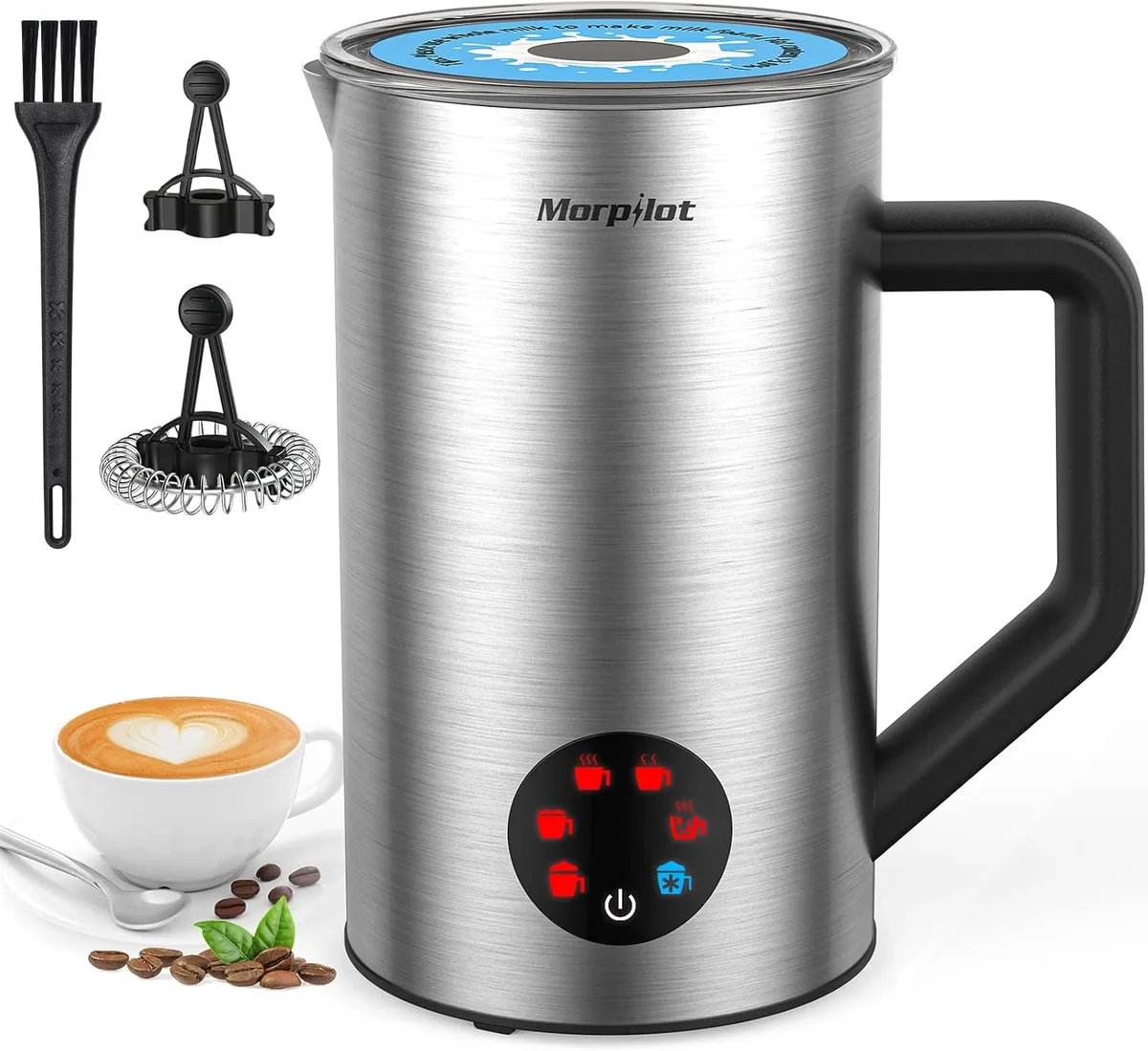
Which Frother Do You Have? (The First Decision)
Your cleaning steps change entirely based on the kind of frother you own. Pick the wrong method and you could damage the heating element or create a health hazard with trapped milk residue.
Let's break it down.
Manual / Handheld frothers have a whisk on a small motor that you dip into a mug. No heating element, no milk tank. The cleaning rule is simple: you can submerge the whisk end fully in water.
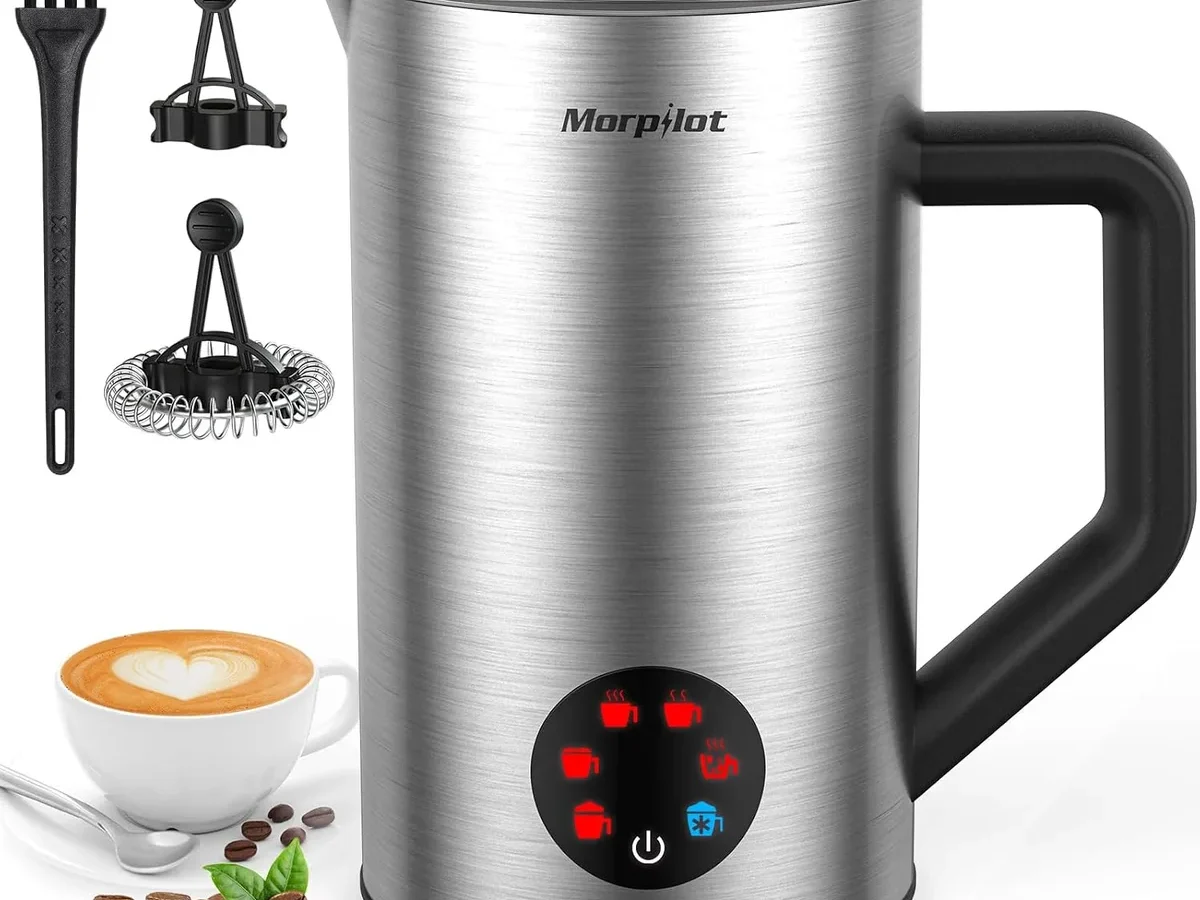
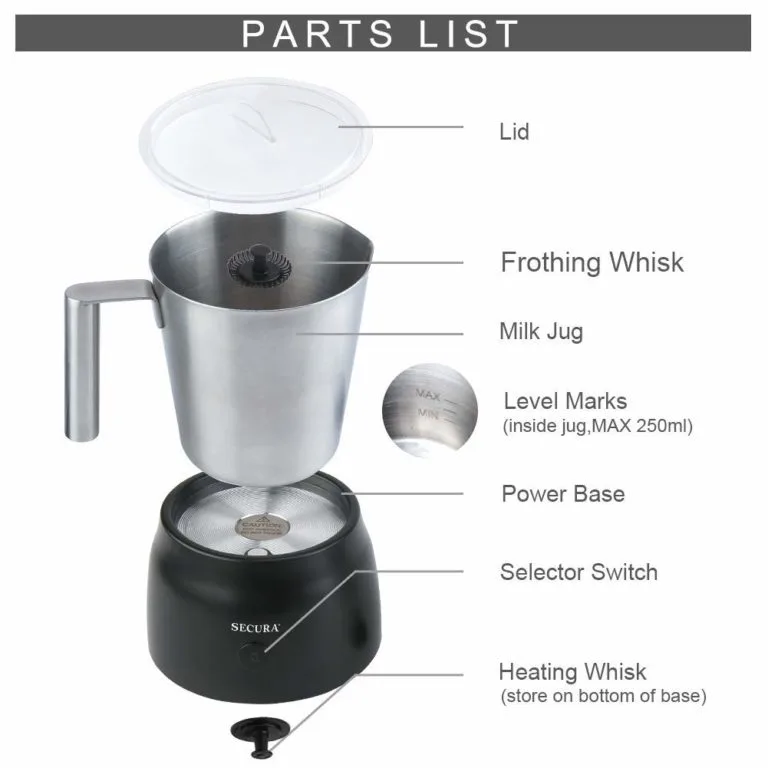
Electric countertop frothers look like a small jug with a base. They heat milk and spin a magnetic whisk or stirring disk. The base contains the motor and electronics.
Never submerge it. Only the removable plastic or metal jug and whisk go in water.
Built-in steam wands are part of an espresso machine. They inject steam into a pitcher of milk. The wand tip gets clogged with baked-on milk protein.
You clean it by purging steam and wiping the outside after each use, plus deeper cleaning with a wand cleaning tool or descaling.
Still not sure? Check the user manual. As of 2026, most manufacturers include a diagram of the detachable parts.
If you can remove the whisk or jug cleanly, it's the second type. If nothing detaches except the tip of a metal wand, it's the third.
Spending 30 seconds identifying your frother now saves you from ruining it later. Jump to the right branch below.
Quick Daily Cleaning Routine (For Any Frother)
This is the minimum you should do after every single use. It takes under a minute and prevents the sticky, burned-on mess that's hard to remove later.
For manual / handheld frothers:
- Rinse the whisk under hot running water immediately after use.
- Swish it in a cup of hot, soapy water for five seconds.
- Rinse and shake dry.
For electric countertop frothers:
- Unplug the machine.
- Pour out any remaining milk.
- Fill the jug one-quarter with hot water and a drop of dish soap.
- Run the frother on its cold cycle (if available) for 10 seconds, then rinse.
- Wipe the heating plate with a damp cloth.
For built-in steam wands:
- Wipe the wand tip with a damp cloth immediately after frothing.
- Purge steam for 2-3 seconds into a cloth to clear milk from the inside.
Why does this matter so much? Dairy protein starts to denature and stick within five minutes once the metal cools. A quick rinse is all it takes.
Never leave milk to dry on any frother. The most common complaint across thousands of user reviews is a burnt smell after a few weeks of skipping rinses. One rinse per day keeps that away.
Deep Clean by Frother Type – Follow Your Branch
Done with daily rinses? Good. Now let's go deeper.
Do this weekly or whenever you see residue building up. This is where the decision tree really kicks in.
Manual / Handheld Frother
- Remove the whisk from the motor shaft (most twist off).
- Soak the whisk in hot, soapy water for five minutes.
- Use a bottle brush to get between the wires.
- Rinse and let dry completely before reassembly. No descaling needed. No heating element.
Electric Countertop Frother
- Start by removing the jug and whisk. Check the lid seal and remove if possible.
- Wash all removable parts in warm, soapy water. Use a soft sponge. Never steel wool, as it scratches the non-stick coating.
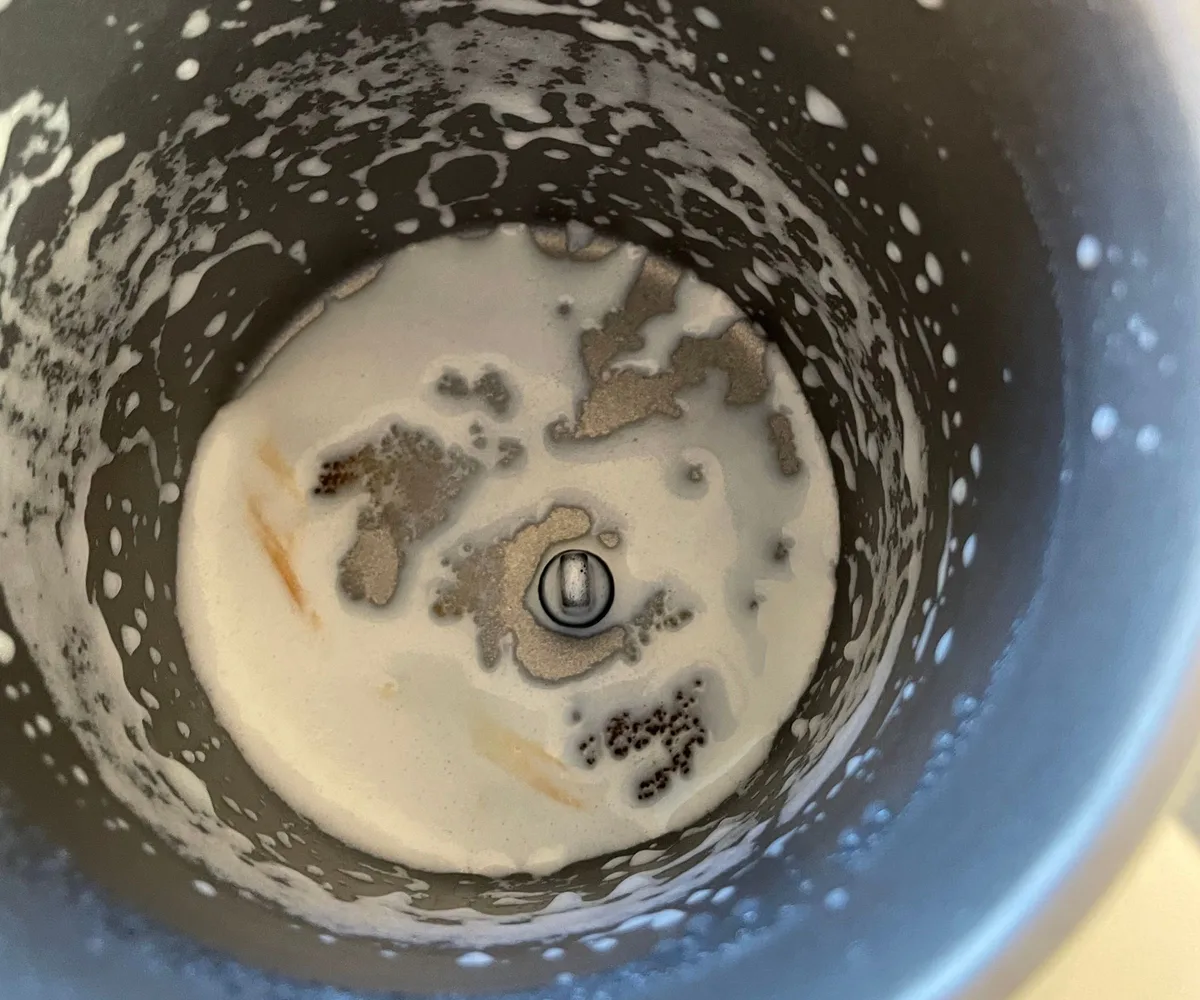
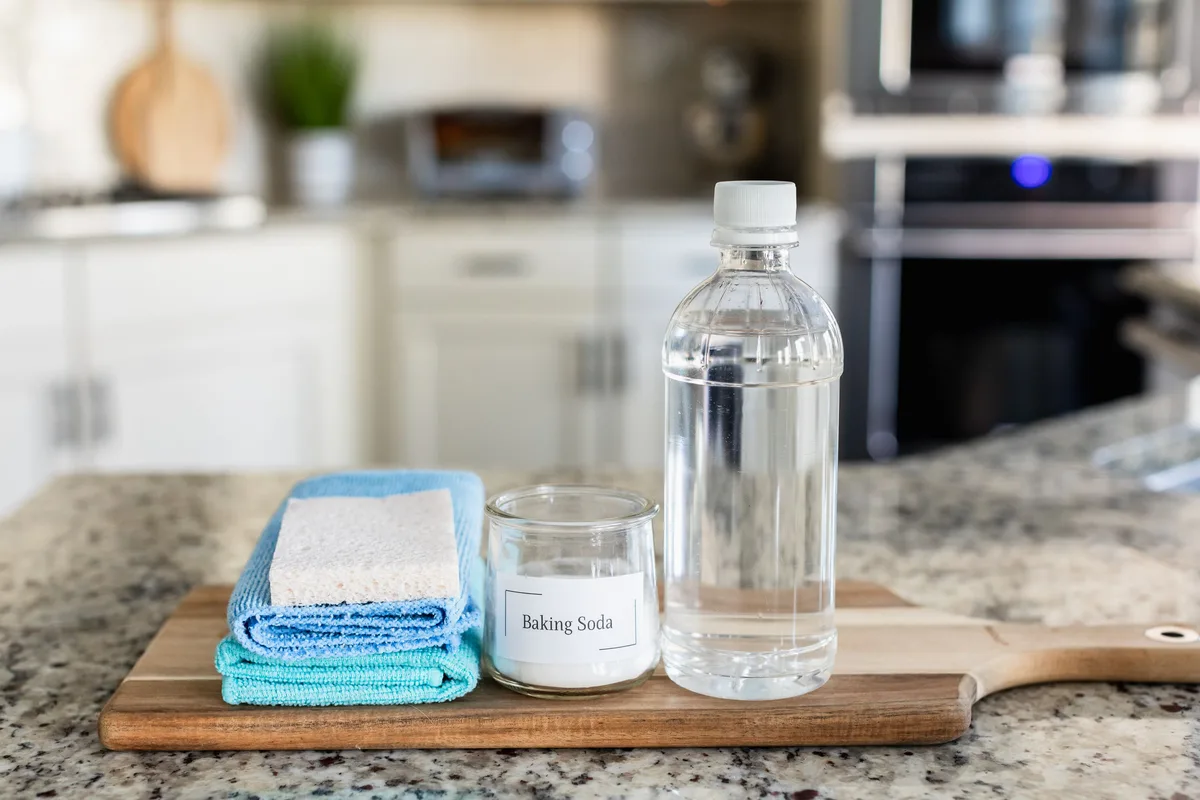
- For stubborn milk stone (white mineral deposits), soak the whisk in a 50/50 mix of white vinegar and water for 15 minutes.
- Wipe the inner jug with a non-abrasive cloth.
- Dry everything upside down on a towel to prevent water from pooling inside the jug's base.
Built-in Steam Wand
- Fill a pitcher with water and add one teaspoon of dish soap.
- Submerge the wand tip and run the steam cycle for 15 seconds. This draws soapy water into the wand.
- Turn off the machine, remove the tip (if it unscrews), and soak it in white vinegar for ten minutes.
- Use a pin or steam wand cleaning tool to clear the small hole.
- Rinse by purging steam with the tip in fresh water for ten seconds.
Each type needs a slightly different schedule. But the principle is the same: break down milk protein and calcium buildup before they become permanent.
When and How to Descale (Hard Water vs. No Descaling Needed)
Descaling is different from cleaning. Cleaning removes milk residue. Descaling removes mineral scale from limescale (calcium and magnesium) that builds up from hot water.
Your water hardness matters. If you live in a hard-water area, you need to descale more often. You can check local water hardness through your water utility or the U.S.
Geological Survey (USGS) maps.
For electric countertop frothers:
- Check the manual. A typical ratio is one part white vinegar to three parts water.
- Fill the jug to the max line with the solution. Run a heat cycle. Let it sit for 30 minutes, then rinse twice with fresh water.
- For dishwasher-safe jugs, run a hot rinse cycle with no detergent.
For built-in steam wands:
- Use a dedicated descaling solution recommended by your machine's manufacturer.
- Run a descaling cycle as instructed. Most require 500 ml of solution through the system, followed by a fresh water flush.
For manual frothers: Skip descaling entirely. No heat means no scale buildup.
The key metric: if you see white film or flakes in your water, descale every two weeks. If your water is soft, once a month is fine. Over-descaling with vinegar can eat at seals.
Use the manufacturer's recommended frequency.
Common Mistakes That Shorten Your Frother's Life
Even experienced home baristas make these errors. Avoid them and your frother will last years.
- Submerging the base. Water inside the motor kills electric frothers. Always keep the base away from running water.
- Using abrasive pads. Scouring pads and steel wool scratch the non-stick coating inside electric jugs. Scratches become breeding grounds for bacteria.
- Ignoring the lid seal. Mold grows in the crevices of rubber seals. Remove and wash these weekly. Dry them thoroughly before reassembly.
- Letting milk dry on the whisk. Once milk protein bakes on, it is nearly impossible to remove without soaking for hours.
- Descaling with straight vinegar on delicate seals. The acid can degrade silicone over time. Always dilute as recommended.
- Skipping the purge on steam wands. Dried milk clogs the wand tip. If you stop purging, you will need a specialised cleaning pin or a replacement wand.
If you notice a burnt smell, off-flavour in your milk, or reduced foam volume, your frother is telling you it needs a deep clean. Do not wait. A full descale and manual scrub usually solves it.
One final mistake: buying a new frother before trying a descale. Many "broken" frothers only need a clean. Save yourself the cost of a replacement.

Similar Posts